
Hepatopathy in cats: symptoms and treatment
The term "hepatopathy" encompasses pathological conditions and diseases associated with liver dysfunction. This organ performs many important functions in the body, including food processing, bile production, and metabolic processes. Cats have various types of hepatopathy, ranging from mild inflammation to malignant cell degeneration.
Content
Causes of hepatopathies in cats
These pathologies can arise for many reasons. Here are some of the main factors contributing to their development:
- Poor nutrition. Hepatocytes don't detoxify all toxins ingested with food. Certain foods, high-fat diets, or prolonged consumption of low-quality food can overload the liver and cause hepatopathy in cats.
- Genetic factors. Some cat breeds (such as Siamese) may be more susceptible to hepatic disorders, such as amyloidosis (the accumulation of insoluble amyloid protein in organ cells, leading to tissue atrophy) or portosystemic shunting (an abnormal connection of the hepatic vein vessels to the circulatory system).
- Toxins. Cats can be exposed to plant toxins and chemicals containing heavy metals. Medications, such as acetaminophen (Tylenol), can also cause liver disease in cats.
- Viral infections. Feline viral hepatitis (FHV-1) can cause hepatopathy (liver inflammation).
- Systemic diseases - diabetes, hyperthyroidism, pancreatitis, kidney disease.
- Age, obesity. Liver disease is more common in older cats and overweight animals.
- Parasitic infestations caused by protozoa, worms and arthropods.
Types and symptoms of hepatopathies in cats
Common symptoms of hepatopathy in cats include changes in appetite, weight loss, liver enlargement (palpable by digital examination), vomiting, and diarrhea. Cats with hepatopathy may also experience lethargy, weakness, and increased fatigue. Some animals may experience dark urine due to liver dysfunction.
The category of hepatopathies includes several types of diseases that produce their own symptoms.
Cirrhosis
An overgrowth of connective tissue that replaces healthy cells in the liver. Ultimately, the disease leads to organ failure and the death of the animal. symptoms of cirrhosis include abdominal distension, an enlarged liver that is noticeable upon palpation, jaundice, and prolonged diarrhea.
Hepatitis
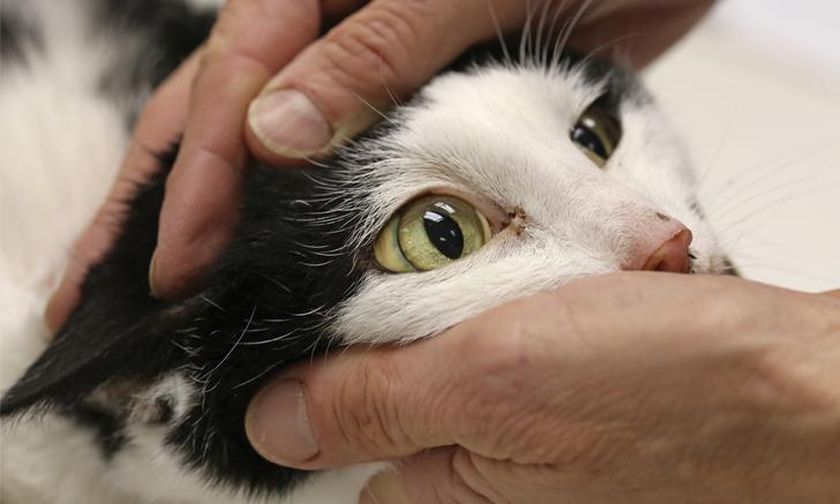
A viral disease characterized by the destruction (necrosis) of liver cells. Its main symptom is jaundice. Severe weakness, loss of interest in food, and gastrointestinal disturbances are also noted.
Hepatosis
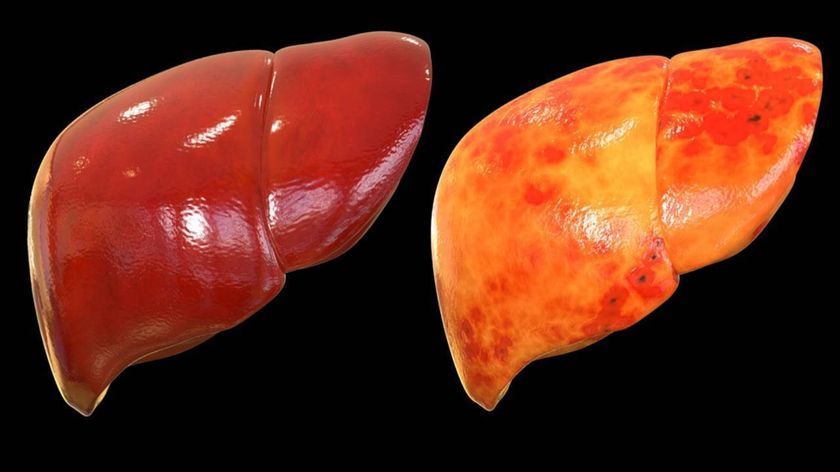
Diseases associated with degenerative changes in the liver parenchyma. In cats, the most common form is the fatty liver disease, whose clinical manifestations are similar to those of hepatitis, but it remains latent for much longer.
Oncology
Most often, the tumor develops in the bile ducts or metastasizes from adjacent organs. The disease is accompanied by loss of appetite, profuse vomiting, and general weakness. The prognosis depends on the stage of the tumor; a cure is possible only if there is no metastasis.
Cholangitis
Inflammation of the bile ducts is usually caused by an infection. Characteristic symptoms cholangitis in catsLethargy, weakness, irritability, and pain, especially severe when urinating. The cat is losing its appetite and weight.
Cholecystitis
This is an inflammation of the gallbladder due to bile stagnation and decreased contractility. It causes yellowing of the skin, a bitter taste in the mouth, and nagging pain in the hypochondrium, especially after eating.
Cholelithiasis (gallstone disease)
It develops when the bile ducts are partially blocked by hard salt stones. It is accompanied by jaundice and paroxysmal, very painful colic pain in the right side.
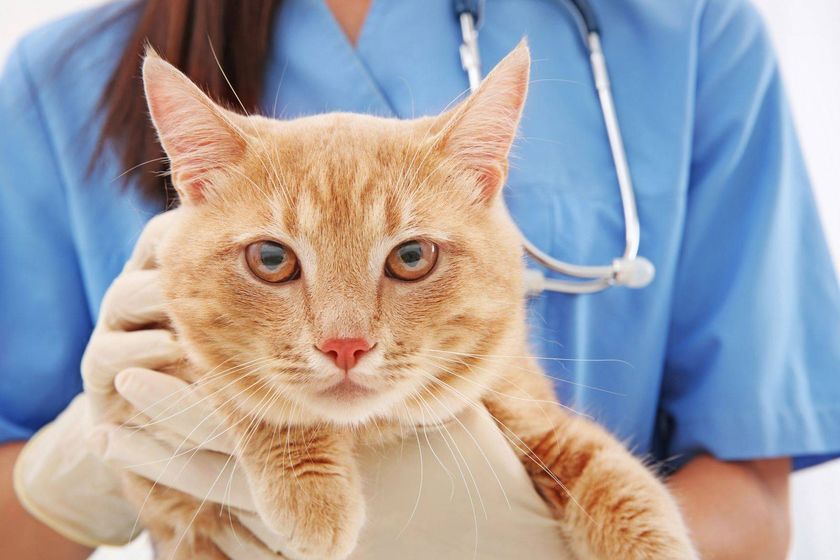
Helminthiasis
Cats' livers can be infested by Opisthorchis felineus, a type of fluke. During their life cycle, they release toxins and damage organ tissue, causing symptoms typical of hepatopathies.
Diagnostics
Hepatopathy in cats is diagnosed by examining the animal's medical history provided by the owner and conducting various tests. After receiving the results, the doctor can determine the type and extent of liver damage in the cat, which will help develop an optimal treatment plan.
Laboratory and instrumental studies include:
- urine analysis;
- general and biochemical blood tests;
- coagulogram;
- Ultrasound of the liver;
- liver function tests (determination of bilirubin, bile acids, ammonia clearance);
- in some cases, a liver biopsy is required to perform biochemical tests;
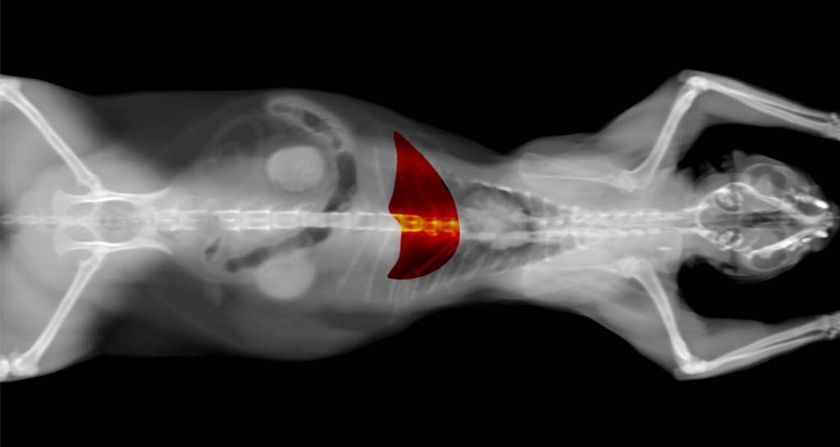
- radiography.
Treatment
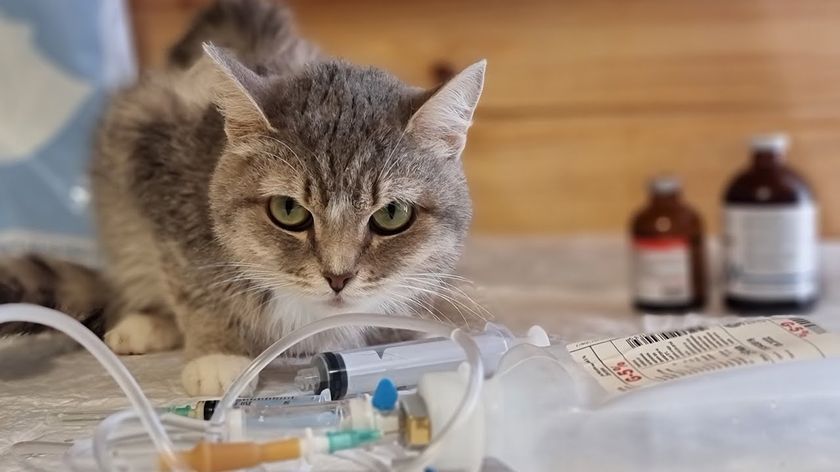
Treatment for most hepatopathies in cats is performed at home and includes medication, general maintenance, and a low-fat diet. In some cases, emergency medical care and hospitalization for more intensive treatment may be required.
General therapy is based on the use of hepatoprotectors, which promote liver tissue restoration. Symptomatic therapy depends on the type of hepatopathy:
- For hepatitis, cats are prescribed antibiotics and antispasmodics to suppress muscle spasms, and, if necessary, antihistamines. In cases of severe dehydration, saline is administered intravenously.
- Liver diseases are treated with detoxification therapy, and in severe cases, plasma transfusions are administered. If the animal is unable to eat, it is fed through a tube.
- Cirrhosis. The disease is incurable; only symptomatic therapy is used, which alleviates the animal's condition and prolongs its life by a year to a year and a half.
- Oncology. A tumor that has not yet metastasized can be removed, allowing for complete tissue regeneration. If metastases are present, treatment relies on chemotherapy to inhibit the growth of the tumor.
- Inflammation of the bile ducts. If cholangitis is of infectious origin, antibiotics are used; if the cause is a malfunction of the immune system, immunomodulators are used. In either case, choleretic agents are used.
- Cholecystitis. For gallbladder inflammation, cats are prescribed painkillers and anti-inflammatory medications, as well as a strict diet.
- Cholelithiasis. The primary treatment for gallstones is surgery. The procedure is performed under general anesthesia.
- Helminthiasis. Liverworms are usually treated with specialized, selective anthelmintics.
Feeding principles
The nutritional plan for cats with hepatopathy must be adjusted. Here are some important considerations.
- A moderate amount of protein. Too much protein can put additional strain on the liver. However, insufficient protein can lead to muscle loss. Your veterinarian should recommend the optimal amount of this nutrient in the diet based on your cat's health.
- High-quality protein. It is recommended to choose foods containing easily digestible animal protein (chicken, rabbit, turkey).
- Limit fat. Excess fat can worsen liver health. Certain types of fat, such as fish oil or fish oil, can be included in the diet due to their vitamin content and anti-inflammatory properties.
- Carbohydrate control. During liver disease, it's important to reduce the amount of easily digestible carbohydrates in your cat's diet. Pumpkin, broccoli, and green beans are helpful for providing the necessary glycides and fiber.
- Mineral supplements and vitamins. For cats with chronic liver disease, your veterinarian may recommend certain vitamins and minerals.
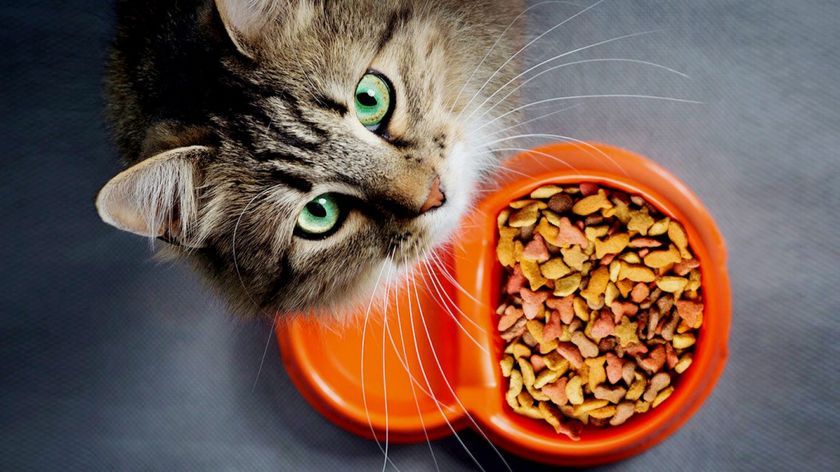
For animals that eat prepared foods, there are therapeutic diets, for example, from the Royal Canin, Purina Pro Plan, Hill's and other lines.
Prevention
There are measures to prevent hepatopathies in cats that will help maintain the health of your pet's liver:
- Feed your cat high-quality food that contains the necessary nutrients for a healthy liver. It's recommended to choose premium or higher quality food.
- Natural food for feeding a cat should be fresh and of good quality.
- Too fatty meat and fish are harmful for cats' livers.
- Do not offer your pet foods that can cause poisoning in cats, such as chocolate, onions, and garlic.
- Store hazardous substances (paints, household chemicals, medicines) out of reach of animals.
- Monitor your pet's weight to prevent obesity.
- Regular vaccinations and parasite treatments will reduce the risk of developing certain viral infections that can negatively affect liver function.
- Regular visits to the veterinarian will help identify any liver problems early and take appropriate action.
Read also:
- Hepatic lipidosis in cats: symptoms and treatment
- How to feed a cat correctly?
- Opisthorchiasis in cats


Add a comment