
Hemorrhoids in cats: do they occur, symptoms, and treatment
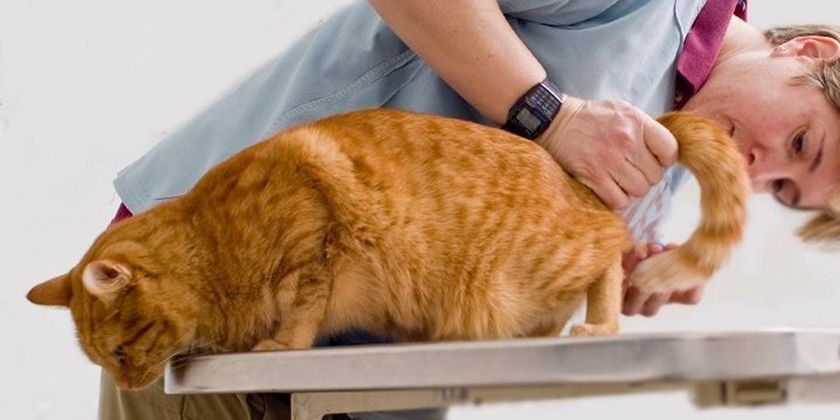
Hemorrhoids are a condition caused by the deformation of blood vessels in the distal part of the intestine, resulting in the formation of lumpy, often painful, nodules externally, at the entrance to the anal canal, and/or in the colon above the anus. This condition is less common in animals than in humans; however, cats do experience hemorrhoids.
Content
Causes of hemorrhoids
Inflammation of the blood vessels in the rectum and changes in their structure with the formation of hemorrhoids in cats can cause:
- prolonged constipation or diarrhea;
- inflammatory diseases of the gastrointestinal tract;
- tumors in the gastrointestinal tract;
- diseases of the genitourinary system (cystitis, urolithiasis);
- diabetes mellitus (this disease causes problems in the cardiovascular system, including inflammation and dilation of veins);
- poor intestinal permeability;
- excessive physical activity;
- sedentary lifestyle;
- obesity (excess weight is accompanied by the growth of cholesterol plaques in blood vessels);
- frequent pregnancies or difficult births in a cat;
- poor nutrition (imbalance in the diet of calories, proteins, fats and carbohydrates);
- helminth infection.
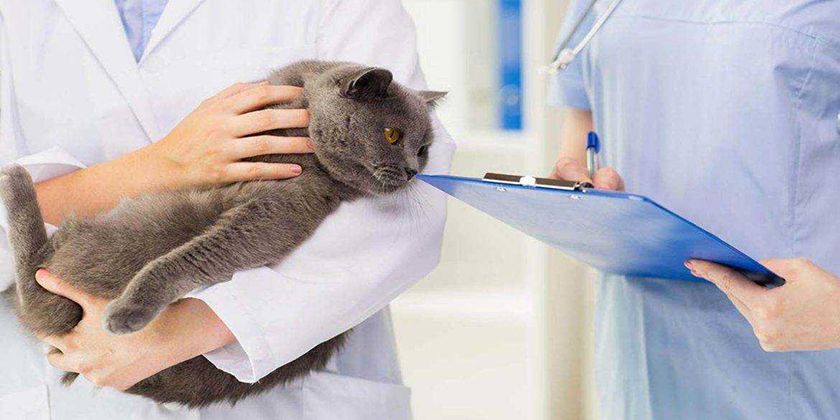
If a cat eats economy-class food, is prone to obesity, or is neutered, he or she is at risk.
There is also a genetic predisposition. Hemorrhoids are most common in cats of Persian, British, and Sphynx breeds.
Signs of hemorrhoids
The clinical symptoms of hemorrhoids can be difficult to detect at first. When a hemorrhoid is just beginning to form, a small lump on the intestinal wall is not visible but can be felt. Changes in behavior may indicate that the animal is unwell. The cat becomes restless and loses its usual playfulness. It spends a lot of time licking its anus and may squirm its bottom on the floor due to possible itching. Its appetite decreases.
More obvious signs develop when the vascular mass grows in size and prolapses. This type of hemorrhoid in cats appears as a cone-shaped mass swollen with blood. The thinned, stretched vessels are easily damaged and bleed during defecation. The hemorrhoid causes pain when walking and defecating, so the cat walks with its hind legs spread wide and tries to use the toilet as infrequently as possible.
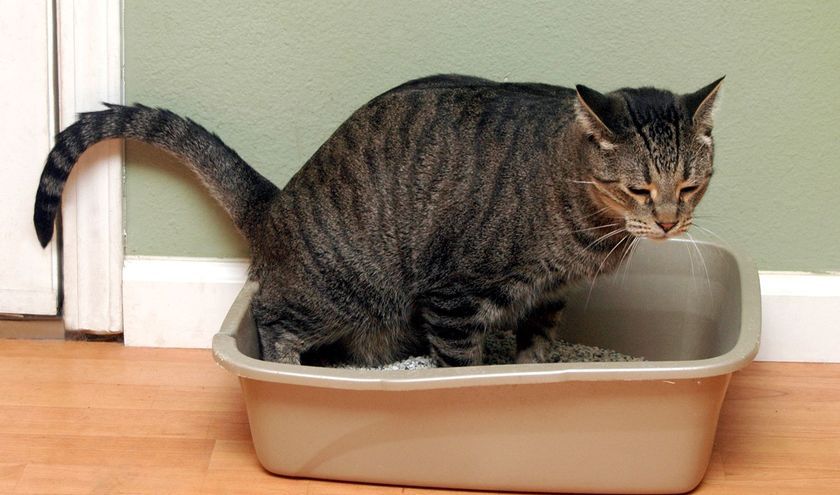
As the disease progresses, a bleeding ulcer appears on the protruding formation, which gradually increases in size, and scarlet blood is present in the feces.
Similar diseases
The development of large hemorrhoids in cats is a relatively rare condition, but many other diseases have similar external symptoms. These include:
- Inflammation paraanal glandsThese glands produce a secretion that the animal uses to mark its territory and also facilitate defecation. When inflamed, the glands swell, and their appearance can easily be confused with hemorrhoids.
- Rectal prolapse (prolapse of the rectum). This condition occurs in cats with weak sphincter muscles (most often in older animals) and visually resembles advanced hemorrhoids.
- Neoplasms or hernias in the intestines that impede the passage of feces and cause pain and discomfort during bowel movements.
- Ulcerative colitis (inflammatory disease of the large intestine).
- Worm infestation. Helminths typically lay eggs in the anal area, damaging the intestinal lining and causing unbearable itching. This causes the cat to constantly lick its anus and scrape its bottom on the floor.
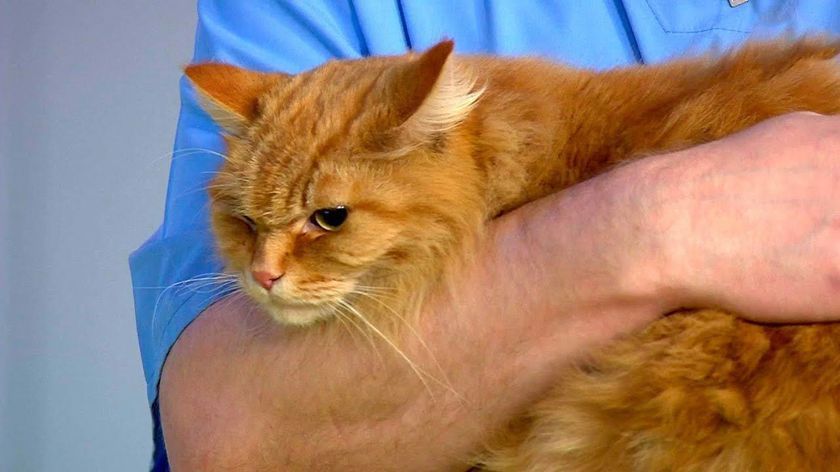
Each of the listed diseases has its own treatment plan, so it is important to make a correct diagnosis.
Diagnostics
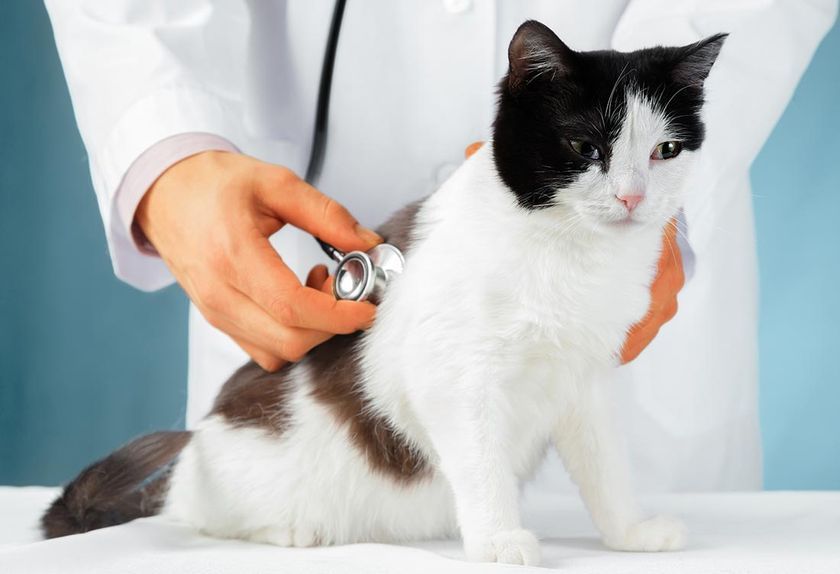
When symptoms of hemorrhoids are detected in a cat, the veterinarian will first conduct a thorough examination of the animal, paying particular attention to the affected area, palpating the perianal glands and the anus.
To differentiate the disease, the cat may be prescribed a number of laboratory and instrumental tests:
- Stool analysis. This allows us to detect the presence of parasitic worm eggs.
- Test for the detection of blood in stool (Gregersen reaction).
- A complete blood count (CBC) can detect anemia associated with chronic hemorrhoids.
- Blood sugar test. One of the causes of rectal prolapse is diabetes.
- Blood test for hormones. A hormonal panel can detect imbalances that can weaken the anal muscles.
- Coagulogram (hemostasiogram). A laboratory test to determine the rate of blood clotting reveals the risk of developing blood clots and hemorrhages.
Treatment of hemorrhoids in cats
The veterinarian prescribes treatment based on the findings from the examination, depending on the stage of the disease. Self-treatment of hemorrhoids in cats is not recommended, as it may worsen the condition.
In the mild stage, treatment of hemorrhoids in cats may be limited to careful hygienic care of the cat's perineum: the anus should be washed with warm water 2-3 times a day.
If necessary, the cat may be prescribed:
- laxatives, stool softeners Duphalac, Lactusan, Bisacodyl, Metamucil;
- painkillers, anti-inflammatory ointments Vundakhil, Levomekol, Posterisan, Proctozan, sea buckthorn oil, yarrow infusion;
- hemostatic suppositories Natalsid, Relief, Neo-Anuzol;
- venotonics that normalize blood flow: Detralex, Diosmin, Troxerutin.
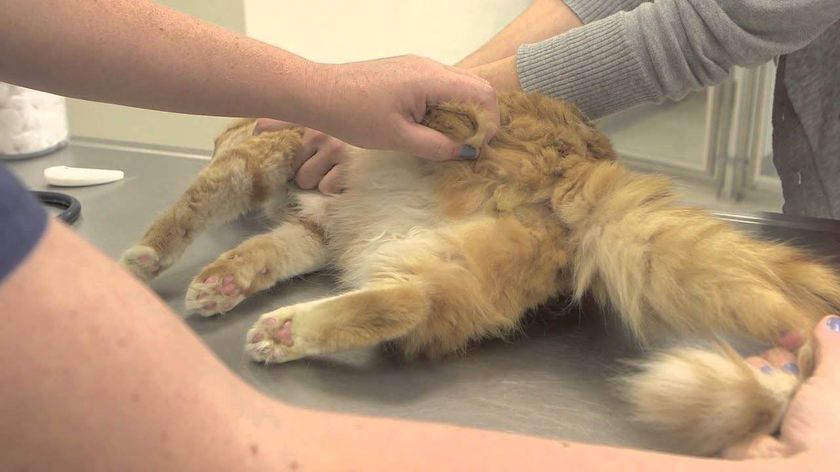
Large, bleeding hemorrhoids most often require removal. Surgery can be performed using minimally invasive cryosurgery (tissue destruction with liquid nitrogen) or resection (excision) of the deformed veins with a scalpel. The cat's activity should be limited for the first few days after hemorrhoid removal.
In any case, diet is an important treatment for hemorrhoids in cats. Its purpose is to restore normal stool consistency and reduce pressure on the intestines during defecation.
The dietary regimen includes:
- Eat easily digestible foods. Steam or boil foods, as raw meat or vegetables can be difficult to digest.
- Grind food before serving. A hard, unchewed piece can injure the intestinal mucosa.
- Including fiber, bioactive supplements containing probiotics (“fertilizer” for beneficial microorganisms) and vitamins in the diet.
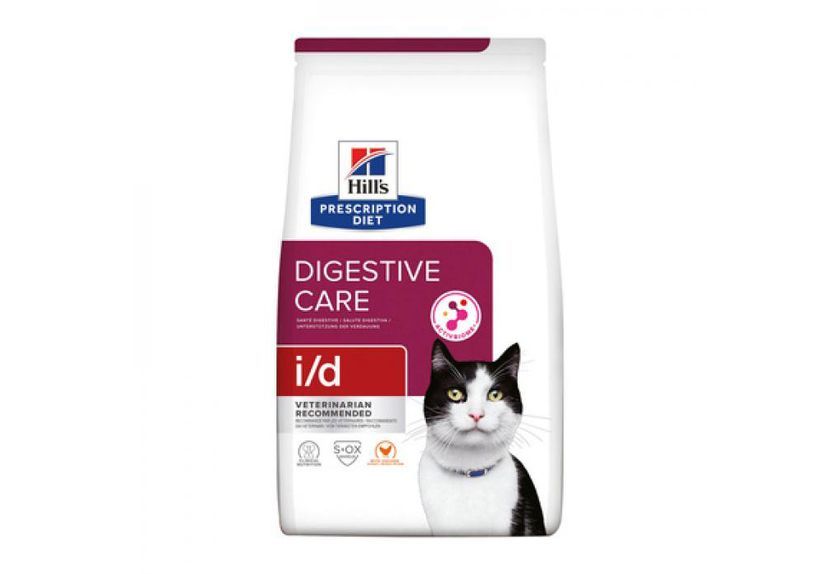
Cats that frequently suffer from hemorrhoids are recommended to be switched to a specially formulated food designed to treat gastrointestinal conditions. The following dry and wet cat foods have received positive reviews from veterinary nutritionists:
- Purina Pro Plan Veterinary Diets (Nestlé PURINA, USA);
- Royal Canin Gastro (Mars company, France);
- Farmina Vet Life (Farmina Pet Foods company, Italy);
- Brit VetDiets (VAFO PRAHA company, Czech Republic, Russia);
- Hill's PD Feline I/D ActiveBiome (Hill's Pet Nutrition, USA) (pictured below).
Preventive measures
Hemorrhoids in cats can be prevented by eliminating the factors that provoke their development.
First and foremost, you need to choose high-quality food for your pet—one that's appropriate for its age and activity level. A cat's diet should contain the necessary amount of protein, fat, carbohydrates, vitamins, and minerals. It's important that your pet has constant access to clean water.
Preventive recommendations also include:
- Weight control. Don't allow your cat's weight to deviate significantly from the norm. In addition to adhering to the recommended daily calorie intake, you can maintain your pet's physical fitness through active play.
- Monitoring bowel function (monitoring the regularity of bowel movements and stool consistency).
- Ensure timely vaccination and deworming. Deworming medications are given to indoor cats every six months, and to outdoor cats every three months.
Routine examinations at a veterinary clinic can help detect pathologies at an early stage, speed up treatment, and prevent complications.
Read also:


Add a comment