
Hemobartonellosis in cats: symptoms and treatment
Feline infectious anemia, or Haemobartonellosis, is an infectious disease that is difficult to diagnose and treat. The disease is caused by the rickettsia Haemobartonella felis. This intracellular parasite quickly dies outside the body of a warm-blooded animal, but once it penetrates blood cells, it can remain asymptomatic for a long time. According to veterinary statistics, only 25% of infected cats exhibit pronounced clinical signs of Haemobartonellosis.

Content
Routes of infection
Although the primary host for Haemobartonella felis is warm-blooded vertebrates, it can also be transmitted by fleas, mosquitoes, and ticks. Cats can also become infected with Haemobartonella felis from an infected animal (for example, during a fight). Infection can also occur through blood transfusions or from the mother, either in utero or during birth.
Important! Hemobartonella bacteria do not parasitize human blood, so animals with infectious anemia do not need to be isolated from people.
At risk for infectious anemia are cats with reduced immunity (after giving birth, severe illness, castration or hysterovariectomy), as well as individuals with the presence of feline immunodeficiency viruses (FIV) or leukemia (FeLV). This disease is believed to be more common in animals under 3 years of age, with male cats being more susceptible than female cats. The risk of infectious anemia in canines is minimal. In rare cases, it occurs in dogs that have undergone a splenectomy (surgery to remove the spleen) or have severe immunological disorders.
The mechanism of disease development
Haemobartonella felis parasitizes red blood cells (erythrocytes). Once in the cat's bloodstream, the rickettsia damages the cell membrane of the erythrocyte and penetrates it, disrupting the blood cell structure. This results in an attack on the cat's own erythrocytes by microphages, which the immune system dispatches to destroy the altered red blood cells, considering them foreign.
Next, leukocyte-microphages begin to destroy not only diseased but also healthy red blood cells. A decrease in the number of viable red blood cells in the animal's blood leads to a decrease in hemoglobin levels and the development of anemia. The incubation period for the disease is approximately three weeks. In the latent form of the disease, clinical signs may be absent and only appear when the virus reactivates.
Symptoms of hemobartonellosis
Under the influence of factors that cause immunosuppression, the haemobartonellosis virus begins to rapidly multiply, and then the symptoms of the disease are not limited to mild anemia. The cat may experience:
- lethargy, loss of activity, rapid fatigue;
- loss of appetite;
- progressive exhaustion (this most striking symptom of the disease is clearly visible in the photo of cats sick with hemobartonellosis);
- perverted taste preferences (the cat eats sand, paper waste, etc.);
- persistent subfebrile temperature;
- tachycardia;
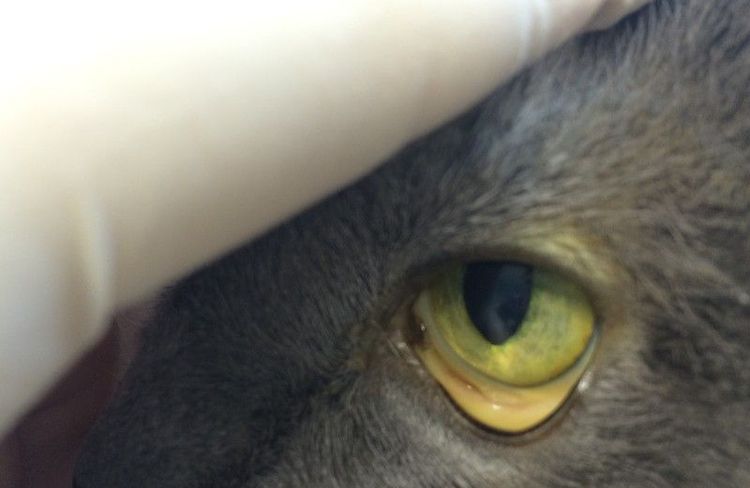
- conjunctival hemorrhages;
- yellowness or pallor of the mucous membranes.
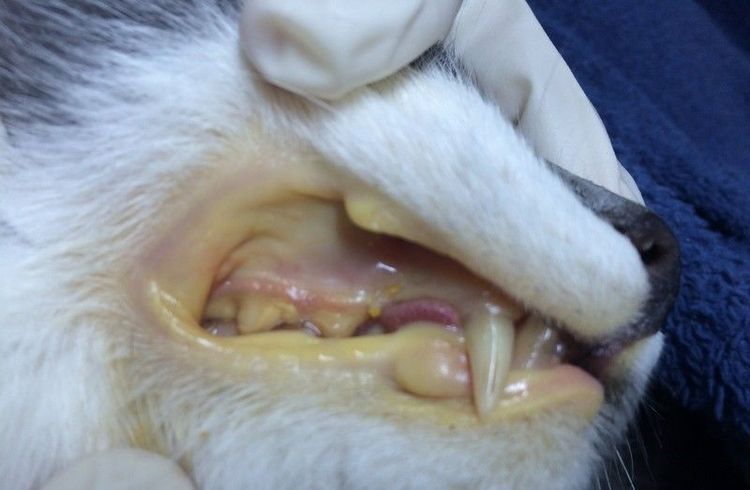
The acute phase of the disease lasts for about 2 months, then the symptoms may disappear completely, but a blood test will reveal Haemobartonella felis in it – the cat will remain a carrier of the infection forever.
Diagnostics
The diagnosis of hemobartonellosis is made based on the animal’s medical history, examination, and blood test results:
- general,
- biochemical,
- blood test for the presence of Haemobartonella felis,
- serological testing using the immunofluorescence reaction of antibodies to the pathogen (RIF method),
- PCR method, which allows the detection of the parasite itself in the blood.
There are several reasons for such numerous diagnostic tests. Most of the symptoms of this disease are nonspecific, common to other illnesses, and often mild. Anemia discovered during the patient's medical history, examination, and complete blood count may also have various causes. Furthermore, obtaining reliable data is not always possible.
Important to know! Haemobartonella felis is not always detected in blood samples. The parasite can temporarily escape from the red blood cell, and then it will not be identified during testing. For this reason, if haemobartonellosis is suspected, blood samples are taken from the cat at least 10 times.
Treatment
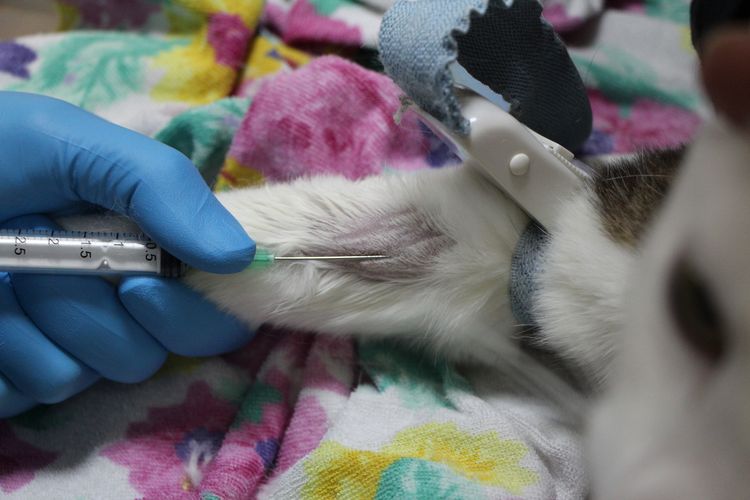
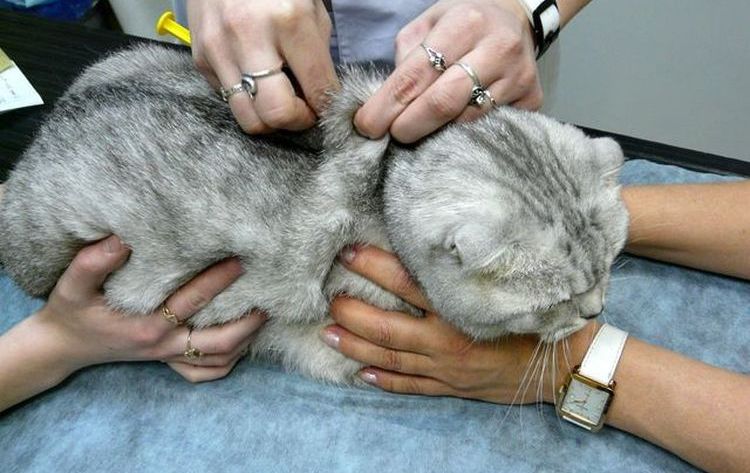
Treatment for feline haemobartonellosis is aimed at relieving or alleviating symptoms and killing the parasite. Levomycetin or tetracycline antibiotics are used to eliminate haemobartonella from the body. Doxycycline is considered the safest, as it has the fewest side effects. The recommended daily dose of doxycycline is 5-10 mg per 1 kg of body weight, administered once daily. Recently, Azidin, a drug that provides virtually complete elimination of rickettsia, has become popular among veterinarians in Moscow and St. Petersburg. The optimal daily dose of Azidin for cats is 5 mg per 1 kg of body weight.
The course of antibiotics is lengthy, ranging from 2 to 4 weeks, depending on the cat's response to treatment. Therefore, antihistamines are usually included in the treatment program, as the massive loss of parasites can cause allergic reactions in the sick cat. Glucocorticoids, most commonly prednisolone, are prescribed to treat anemia. Prednisolone is administered concurrently with the antibacterial medications, once daily at a dose of 2 mg per 1 kg of body weight.
To reduce the symptoms of anemia in cats with hemobartonellosis, B vitamins and iron supplements are prescribed. Extremely low hemoglobin levels may require a blood transfusion. If signs of dehydration are present, the cat is given IV fluids to replenish lost fluids. Our website also provides information about anemia in dogs.
Important to know! The outcome of hemobartonellosis treatment depends on the duration of the disease, as well as the presence of concomitant diseases, particularly infections with other viruses. If cats with hemobartonellosis are treated promptly, therapy is usually successful in over 90% of cases. Without treatment, about a quarter of animals with infectious anemia die.
Features of the disease in kittens
As with many other feline diseases, the most severe and acute course of hemoplasma infection is most often observed in young animals. The disease manifests itself with the same full range of clinical signs described above.
Since kittens' immune systems may not yet be fully developed, they often suffer from other infectious diseases that coexist with haemobartonellosis. Therefore, kittens are often treated in a veterinary clinic until their condition stabilizes, if indicated. Veterinary care remains similar to that used for adult animals.
Prevention
Preventing Haemobartonella infection in cats primarily involves preventing contact with stray animals. Indoor cats are less likely to develop infectious anemia, so limiting outdoor activity also reduces the risk. Effective preventative measures include regularly treating all pets with universal repellents that protect against all types of blood-sucking parasites, as well as eliminating fleas and ticks in basements and utility rooms. There is currently no specific vaccine for Haemobartonella felis.
Read also:


1 comment
Lyudmila
Thank you very much, it helped a lot
Add a comment