
Hematoma in a dog
A hematoma in dogs is essentially the same as a bruise, only more prominent ('oma' is Latin for tumor, and 'hemma' is blood, so literally a blood tumor or a tumor of blood). It occurs as a result of mechanical impact (a blow, a bruise, even fracture (This can trigger it.) The blood vessels burst, and blood leaks into the muscle tissue. This is where the hematoma in dogs comes from.
Typically, a hematoma is accompanied by severe pain and significant discomfort for the animal. However, although minor bruises usually heal without any consequences, if a suspicious mass is detected, it's best to consult a veterinarian. This will prevent the hematoma from becoming infected and prevent serious complications.
Content
Classification of hematomas in dogs
Depending on which vessel burst, hematomas are classified as:
- Venous,
- Arterial,
- Mixed,
- Pulsating.
But beyond this classification, there is also a "division" based on place of origin. The most common are:
- Subcutaneous,
- Intracranial,
- Intermuscular,
- Retroperitoneal,
- Pararectal.
Causes of hematomas in dogs
What can cause a hematoma in a dog?
- What are the possible causes of hematomas in dogs? Clearly, the most common cause is a blow or bruise. In this case, the animal typically develops subcutaneous or intermuscular bruises. However, if the blow was very severe, other types of bruises may also occur.
- When a bone breaks, nearby blood vessels rupture. Blood leaks from them into surrounding tissues or cavities until it clots. This results in a hematoma.
- Animal bites.
- Low blood vessel elasticity and extreme fragility can cause even the slightest impact to bruise. If blood clotting is also impaired, you'll likely see bruises on your pet quite frequently.
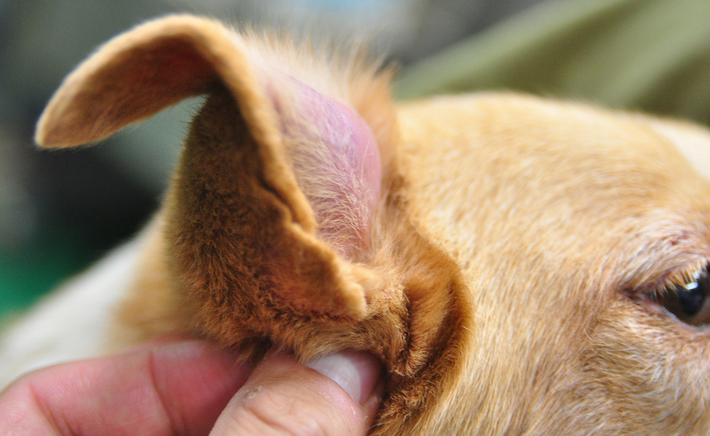
In general, anything that leads to rupture of blood vessels can cause a hematoma.
Mechanism of action of hematoma
Once a dog develops a hematoma, the body initiates blood clotting in the area of the injury. Over time, the more fluid components of the bruise begin to dissolve. After this, connective tissue begins to form around the hematoma. In rare, severe cases, this tissue forms a capsule, commonly known as a cyst.
Symptoms of a hematoma in a dog
The clinical signs of a hematoma in a dog aren't as obvious as those of, say, a fracture, poisoning, or an infectious disease. Therefore, owners sometimes don't immediately notice that their pet needs help. But the symptoms are still there. Here they are:
- Swelling at the site of the hematoma. This is due to the blood taking up all the "free space" and then clotting, with its liquid portion being "absorbed" by the cells. It's much more serious when pus appears in the cavity. Furthermore, a capsule of connective tissue can form around the clotting blood. The swelling appears directly at the site of the injury (impact, fracture, etc.), quickly increases in size, and the borders of this swelling become defined. tumors clear.
- The general body temperature does not change (until pathogenic microflora begins to multiply in the hematoma), but the local temperature (at the site of swelling) increases noticeably.
- Sometimes nearby lymph nodes increase in size - also a clear symptom of a hematoma in a dog.
The diagnostic process
To diagnose a hematoma in a dog, a veterinarian will need to carefully examine the clinical picture and palpate the affected area. In complex cases, a puncture of the lesion is performed.
Treatment of a dog with a hematoma
How to treat a hematoma in a dog? Typically, no treatment is required. You've seen the bruise change color and gradually fade. This is because the liquid portion of the blood is absorbed first, and then the red blood cells disintegrate (that's why the spot "blooms"). If there are no complications (suppuration, for example, or the hematoma forms in the brain or an internal organ), the "blood tumor" resolves on its own without consequences. However, sometimes veterinary assistance is absolutely necessary.
In one case, the doctor aspirates blood from the hematoma if its pressure is disrupting organ function, impeding normal blood flow, or causing pain to the animal. In another case, surgery is performed to remove the clot. Antibiotics are always administered, preferably with a novocaine solution, to reduce pain.
As a first aid measure, it's essential to apply something cold as quickly as possible. This will cause the blood vessels to constrict sharply, resulting in significantly less blood flowing under the skin or into the intermuscular space. This means the hematoma will be very small. Unfortunately, if the injury is internal (to organs or the brain, for example), applying cold won't help. Surgery will be necessary!
If you notice a hematoma on your dog after some time, try applying heat (this will speed up the absorption process). If the dog has just been hit, cold is needed to constrict the blood vessels and prevent bleeding. If the hematoma has already formed, apply heat compresses (paraffin therapy is good). Remember your childhood, when you used to draw an iodine grid. As funny as it may sound, you can do this on dogs too (in areas where there's little fur; you wouldn't want to draw over their fur).
An ear hematoma in a dog is treated first with a tight bandage. A few days after initial treatment, the vet will remove the clot. Further treatment involves the administration of specific antibiotics.
Prevention of hematomas in dogs
No one is immune to various types of injuries and the associated consequences. And talking about any preventative measures here is, on the one hand, inappropriate. However, a person who cares for their dog won't leave the fate of an injured animal to chance, but will make an effort and provide timely assistance.
It's also recommended that the owner regularly check for bruises. Since auricular hematoma is the most common injury in dogs, it's a good place to start the examination. If the pet has suffered a severe bruise and the veterinarian needs to drain the blood from the affected area, the owner will have to shoulder additional care. It's important to monitor the healing process of the affected area and possibly administer any medications prescribed by the veterinarian.
Take good care of your pets, especially when out for walks, and the risk of hematoma will be greatly reduced.
Any questions? You can ask our website's staff veterinarian in the comments below, who will answer them as quickly as possible.
Read also:
- Lumps on a dog's hind legs: causes and treatment
- Sarcoma in dogs: symptoms and treatment
- Lipoma in dogs: what does it look like and how to remove it


7 comments
Svetlana
Hello, my Chihuahua twisted her left hind leg on a wet floor, causing a dark blue bruise on the inside. The dog is walking, not whining, eating, and everything seems fine. How can I treat it, and should I take her to the vet if she isn't showing any signs of distress? She's 14 years old.
Alina Veterinarian
Hello! If the color changes, indicating improvement (gradual absorption), we usually recommend heparin ointment.
If the size does not decrease within 5-7 days, or you notice negative dynamics (compaction, enlargement, appearance of new lesions, lethargy, lameness on the affected paw), then an in-person visit to the doctor will be required.
Renata
Hello, my dog has a hematoma on her ear. We went to the vet today, they did a puncture, drained the blood, and injected iodine into it. In the rush, I didn't even ask what was going on. Is this the right approach? I just didn't know iodine was used this way. I thought it was only for external use, or am I misunderstanding something?
Daria is a veterinarian
Hello! Apparently they decided to cauterize the bleeding vessels. But honestly, we don't do that. We use lots of small stitches and tiny incisions to drain excess fluid and blood. But pouring iodine on them seems barbaric to me.
Hope
Unes, a shepherd dog developed a hematoma on his ear due to otitis. I've pumped it out with a syringe several times, but it still swells up, and now it's become very hard. Please tell me what to do.
Daria is a veterinarian
Hello! Hematomas on the auricle are not uncommon. Simply draining it with a syringe won't help for long. You need to go to a clinic, where they'll perform surgery (many incisions and stitches to bring the skin as close to the cartilage as possible). They'll also find the leaking vessel and ligate it to prevent recurrence.
Alina
Good afternoon. My ferret has a hematoma on her tail. The swelling isn't going down. I don't know how it happened, as I adopted her from an undesirable owner. I'm currently treating her. I've been washing her with chlorhexidine and applying Levomekol for several days. The swelling is still the same, it's just healed. There's some blood coming out. I'm planning to see the vet in a day, but I want to know if there's anything I can or should do. Thanks in advance.
Add a comment