
Where to leave your cat while on vacation
Where to leave your cat during vacation? It's a perplexing question that can ruin the feeling of ease and anticipation of the upcoming vacation. It's great to be able to take your beloved pet with you, but if that's not an option, the following options come into play.
Content
With close friends
The first decision that usually arises before leaving is to leave the cat with friends or relatives. At first glance, this option seems ideal: it's a "family-like" experience, doesn't require financial outlay, and inspires more trust.
However, before handing your pet over to a friend or aunt, it's important to consider the potential complications. There may be other animals living in the house, and there's no guarantee that your cat will accept a guest, even for a short time. Even the most well-balanced animals have territorial instincts, and constant feline conflicts are unlikely to please anyone.
Not everyone realizes that, beyond the adorable meowing and tailed felines, they also require care—changing litter, washing dishes, preparing food, and a host of other unpleasant tasks. This results in double stress—for both the owner and the cat. However, the opposite scenario can also be achieved—one of pure love, understanding, and pleasure.
Within native walls
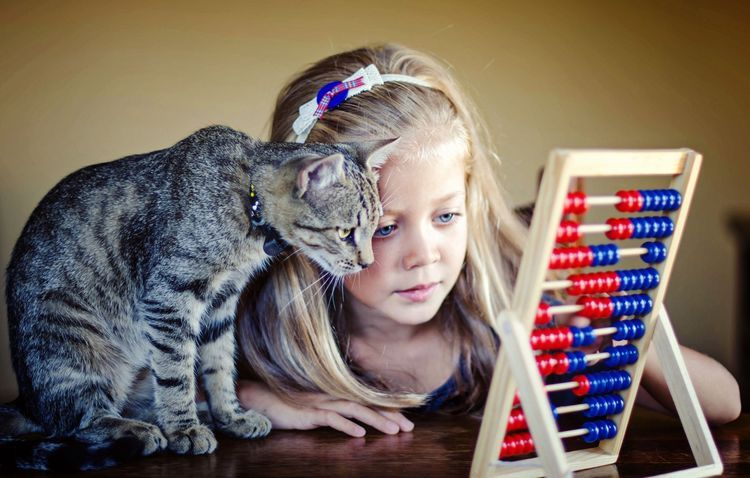
The most tame option for a cat's psyche. The animal remains in its usual living space, and a kind and familiar neighbor, friends, relatives, or other people you feel comfortable entrusting with the keys to the apartment are hired to look after it. Temporary "nannies" come to visit the cat once or twice a day to clean the litter box, refill food, change the water, and simply interact with the cat. Read about how long you can stay on our website. leave the cat alone in the apartment.
The most important requirement is the person's reliability. A careless approach to the assigned task can lead to dire consequences. It's also important to have a backup plan in case the temporary "owner" is unable to perform their duties for any reason (such as illness, an urgent business trip, or hospitalization).
Apartment boarding
If paying for a specialized pet boarding facility is not feasible, so-called apartment boarding offers an alternative. For a fee, the owner of the property will care for the cat while its owner is away. When choosing this option, be prepared for the following:
- Since such services are not officially registered anywhere, their provision will not be legally formalized. All agreements are made verbally and based solely on mutual trust. Any claims regarding the quality of care for your pet or any intentional or unintentional harm will be impossible. Nor will it be possible to seek monetary compensation for damages in court.
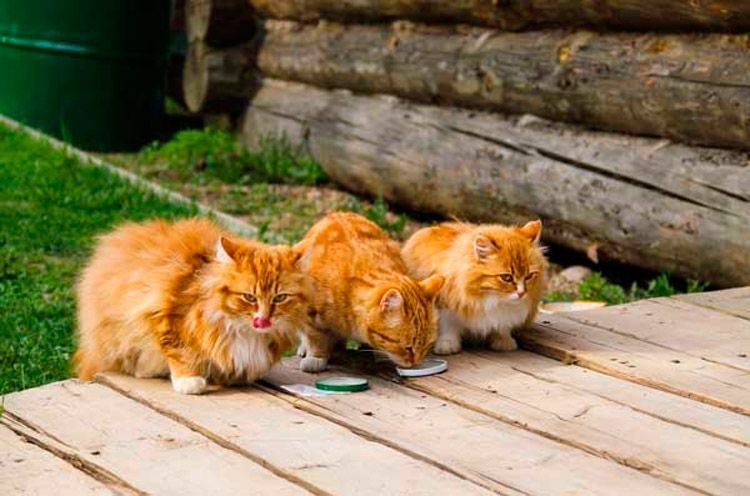
- The cat will share a territory with other cats, which can number anywhere from a few to several dozen. Even if the apartment is large, they will all be in close contact with one another. Overcrowding often leads to fights and "hazing" at the food bowls, with stronger cats taking food from the weaker cats and the newcomers.
- Such apartments are often furnished with old, bulky furniture, making sanitization difficult. Cleaning frequency is also not regulated anywhere or by anyone, and is determined by the owner.
- When taking a cat into foster care, you usually don't ask for it veterinary passportThis means that the pet may be around both purebred, "clean" animals and animals found on the street and in need of adoption. The latter are often carriers and potential transmitters of various viruses and infections.
Despite all the obvious drawbacks of apartment-based shelters, it's still worth considering. Firstly, the affordable price is appealing, and secondly, there's a good chance you'll find reputable pet owners.
Important: To minimize the risk of running into an unscrupulous tenant, it's recommended to take the time to research apartment blacklists. These can be found on cat and animal forums.
Zoo hotels
The most optimal and cost-effective option for caring for a cat while you're away is to stay at a specialized boarding facility. These are essentially small private businesses with legal status and responsibility for their own operations.
If you're in Moscow or another large city where such a place isn't the only one, it's a good idea to gather information about all the available options and make a final choice after careful research. In addition to information on official websites and online reviews, it's also advisable to visit the hotel you like firsthand.
What should an ideal pet hotel be like?
- The building must be located separately from residential areas, fenced, and equipped with a security post. Management is obligated to ensure that the hotel does not resemble a walk-in yard, and that the rules and hours for receiving visitors are strictly regulated.
- If a building houses both cats and dogs, their quarters should be located as far apart as possible. When going for a walk, the barking ones may frighten the meowing ones, creating an uncomfortable environment for all animals.
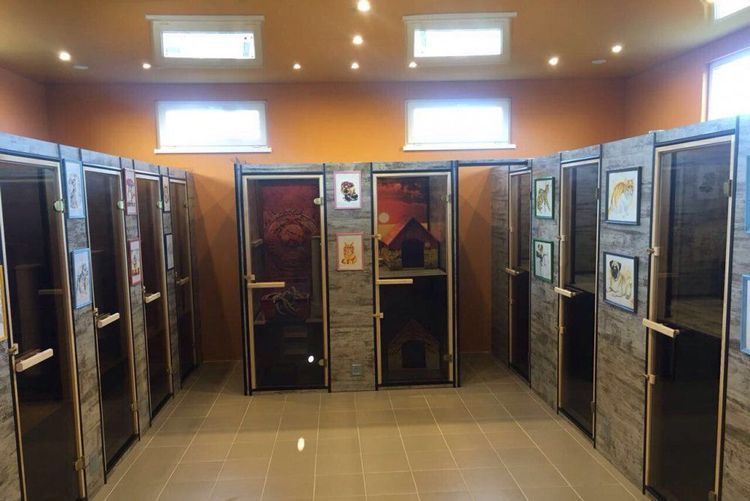
- There should be no more than 2-3 enclosures in a single room at any one time, and the cages themselves should be large enough for the cat to walk around within the enclosure. Each room should also have an exit and an area designated for walking.
- The interior is clean, fresh, and warm. There is no distinctive odor. Proper artificial lighting is installed, and natural light is also available. The floor is covered with laminate, linoleum, or any other surface that can be easily cleaned with a damp cloth.
- When checking into a hotel, the cat's diet and feeding schedule are discussed. The owner coordinates the menu with the staff, including dry or natural food, the manufacturer, and so on. Additional paid services are also discussed, including nail trimming, ear cleaning, brushing, and bathing.
- For an additional fee, the "chamber" can be equipped with a webcam so that the pet's owner can monitor their pet and the work of the staff at any time of day.
Once a decision has been made in favor of a particular pet hotel, the cat is brought to the reception center on the appointed day, where a staff veterinarian examines it and issues a health assessment. All observations are recorded in a special acceptance report, which also includes a veterinary passport with vaccination records.
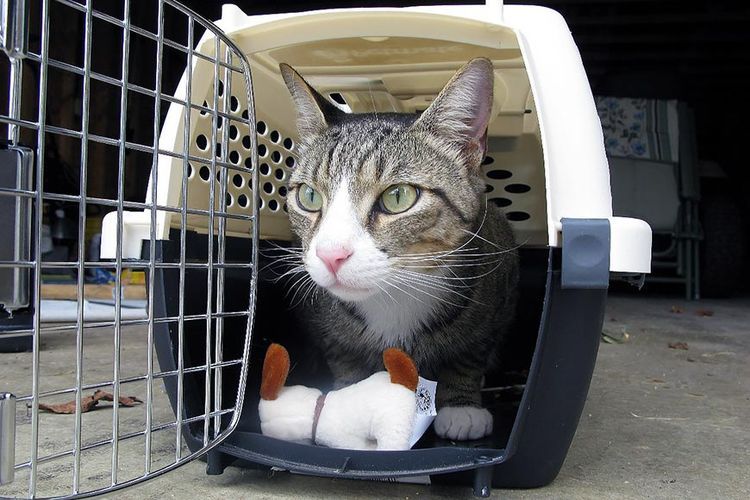
Important: To help your cat get bored less and adapt to a new place more quickly, it's a good idea to bring her personal bedding, feeding bowl, toys, and other items she associates with her home environment from home.
Questions for staff
-
How does the adaptation of new residents go?
-
How often are feeding and litter tray cleaning done?
-
How are changes in behavior and appetite monitored, and what measures are taken if an animal refuses to eat?
-
Is there video surveillance?
-
Are owners provided with regular reports?
If your cat eats homemade food, you should check in advance whether it is possible to feed it natural food.
Next, a pet care agreement is signed, outlining all the rights and obligations of the parties, as well as liability for breach of mutual obligations. It also includes a telephone number that the cat owner can call from anywhere in the world to obtain information about their pet.
Documents
Reputable pet boarding and boarding facilities require a veterinary passport for each animal. A comprehensive vaccination schedule and a rabies vaccination are mandatory. Vaccinations must be administered at least two weeks prior to check-in to allow time for immunity to develop. Expired vaccinations are considered invalid.
Read also:
- How to find a cat if it runs away
- Why do cats leave home?
- In which countries do black cats bring good luck?


1 comment
Maria
I tried fostering with relatives and boarding with private individuals, but I ultimately chose the "Boniface Vacations" cat boarding center in Moscow. My cat is always under live supervision, and the prices are reasonable. It's clean and cozy, and the staff is friendly and experienced. Now I only take my cat there when needed.
Add a comment