
Havanese Bichon (Havanese, Havanese)
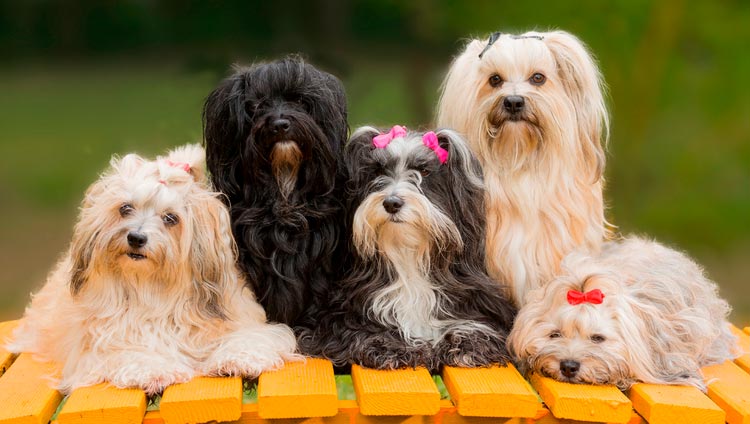
The Havanese, also known as the Havanese or Havanese, is a decorative dog breed with a long, beautiful coat. This small dog possesses all the qualities of a companion: playful, friendly, very cheerful, and intelligent, it can spend long hours playing with a child or relaxing on the couch next to its beloved owner. The Havanese's homeland is Cuba. In Russia, the breed is little known and few in number.
Content
History of origin
Columbus discovered Cuba for Spain in 1492, marking the beginning of the history of the Havanese, or rather, its direct ancestors. Spanish settlers began arriving on the island, bringing with them their small companion dogs, lapdogs, and poodles. Later, due to trade restrictions imposed on Cuba by Spain, local dogs began to develop in isolation, resulting in the development of a distinct type. Historians suggest that the direct ancestors of the Havanese were two long-extinct breeds: the Blanquito de la Habana and the Bichon Tenerife.
In historical documents, the Havanese Bichon is also mentioned under other names: Spanish Silk Poodle, Havanese Silk Dog.
In the early 19th century, Havanese were particularly popular among Cuban nobility. Enchanted by the small dogs, European travelers brought them back to England, France, and Spain. The breed became fashionable and famous in Europe. Queen Victoria and Charles Dickens were among its admirers. Soon, Havanese were forgotten. In Europe, they blended in with other breeds, and Cubans had little time for pets due to constant revolutions and upheavals. At one point, the dogs practically became extinct. With the outbreak of another revolution and political repression in 1959, many Cubans began emigrating to the United States, including Bichon enthusiasts who took their dogs with them.
The breed's revival began in 1970 in America with just 11 dogs found across the country. These are the ancestors of most modern Havanese. The American Kennel Club recognized the breed in 1996. It was later registered by the FCI under the name Havanese.
Video about the Havanese dog breed:
Appearance
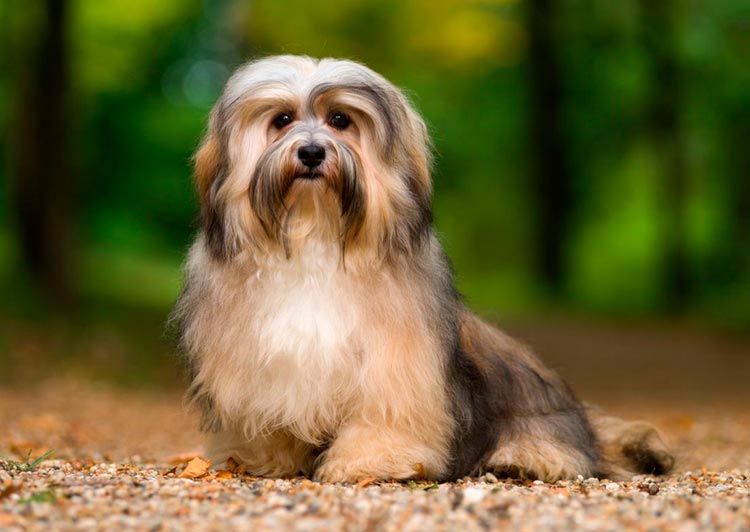
The Havanese is a small, sturdy dog with long, very thick, soft-touch fur. The standard highlights several important proportions:
- The ratio of body length to height is 4:3;
- The length of the muzzle from the tip of the nose to the stop is equal to the distance from the stop to the occipital protuberance;
- The ratio of head to body length is 3:7.
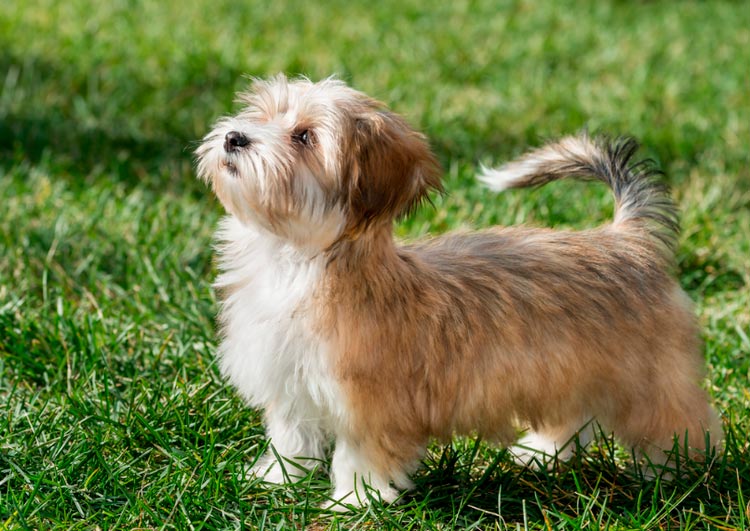
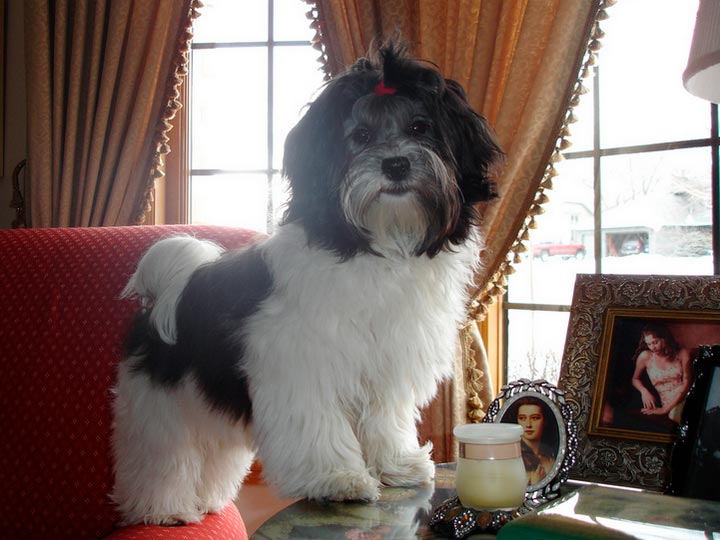
Height at the withers is 21-29 cm, weight is 3-6 kg. The Havanese is often confused with Lhasa Apso, Tibetan Terrier, Russian colored lapdogBelow in the gallery you can see photos of the Havanese.
The head is of medium length. The skull is broad, flat, and slightly rounded. The forehead is slightly elevated. The stop is moderately pronounced. The nose is black. The muzzle is slightly tapering, but not pinched or blunt. The lips are dry, thin, and fit tightly to the jaws. The bite is correct, with a scissor-like shape. The absence of the first and third premolars is permissible. The eyes are large and expressive, almond-shaped, and dark in color. The eyelids are dark brown or black. The ears are set high, falling along the cheekbones, forming a small fold that lifts the auricle.
The neck is of medium length. The back is straight. The topline is slightly arched over the loin. The croup is noticeably sloping. The belly is well tucked up. The tail is set high and carried over the back. The forelegs are straight, parallel, dry, and strong-boned, slightly shorter than the hind legs, so that when the dog runs, it appears to spring. The paws are elongated, small, with elastic pads. The toes are well-knit. The nails are strong. The hind legs are strong and moderately angulated. The gait is free and easy. The front legs are directed forward with a long, free stride.
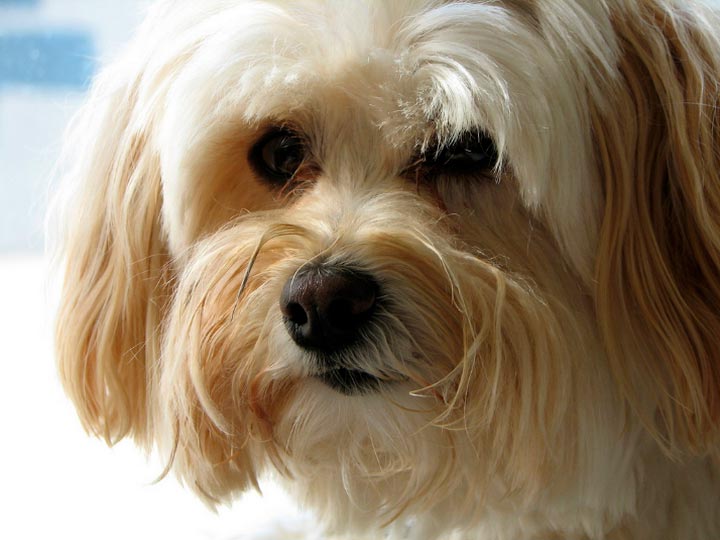
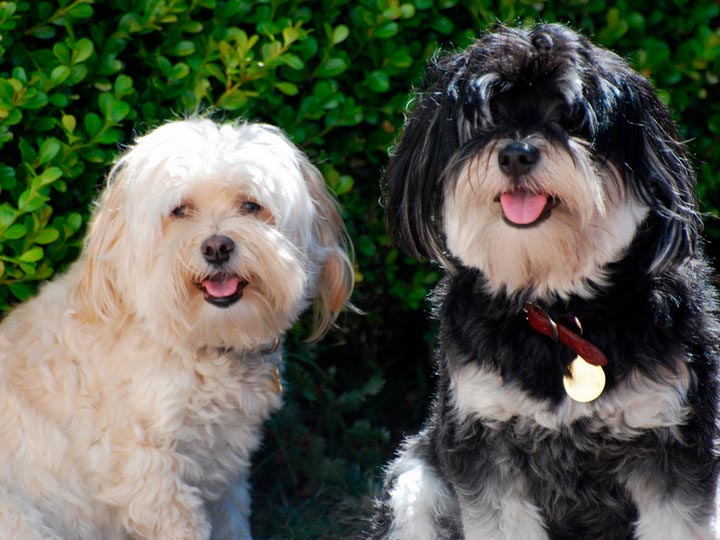
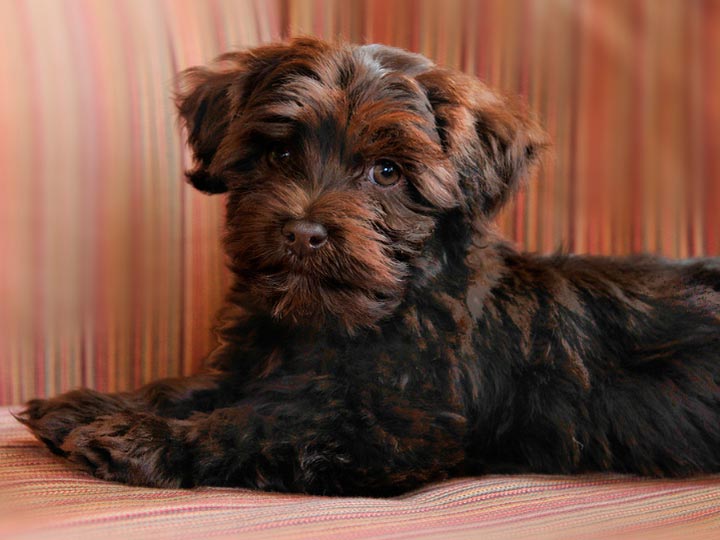
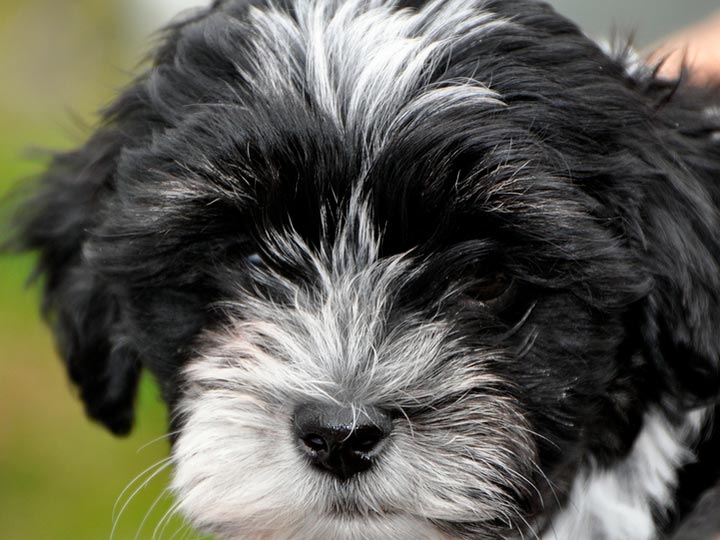
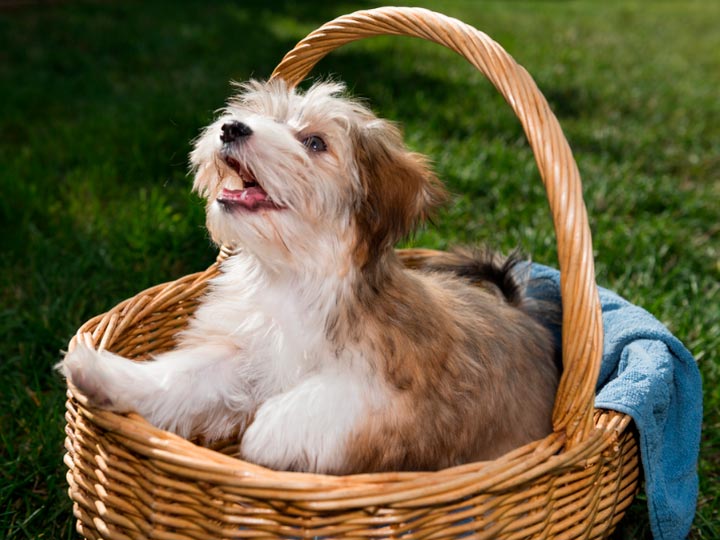
The coat is thick and long. In an adult, the hair reaches 18 cm in length and is straight or slightly wavy, though curly strands are also acceptable. It is soft to the touch. The ears are feathered, and the tail is well-furred. The undercoat is weak or absent, so shedding is minimal. The Havanese comes in a variety of colors, with the most common being pure white, cream, fawn, red, chocolate, beige, gold, silver, and black. Various combinations with intermediate shades and spots are also possible.
Character
The Havanese is affectionate, playful, cheerful, and loving. It embodies all the positive traits of a toy dog. It is never aggressive toward people, is highly sensitive to its owner's mood, and is not annoying or barking over trivial matters. It gets along well with children, but is better suited for an older child who will become the dog's companion in games and mischief, and who will not inadvertently cause harm. It is not without reason that the Havanese has earned the nickname "Velcro dog." It adores its owners with all its heart, is always ready to be by its side, is happy to participate in all household chores, and readily fulfills any request, as long as it is not forgotten. It is very friendly with strangers.
All this little fluffy dog wants is to be close to its owner and please them. It loves everyone around it equally, whether it's a cat or a dog, a child or an adult. The Havanese can be left alone at home for some time, but suffers greatly from prolonged loneliness, owner absence, or lack of attention.
The Havanese is very playful and resourceful, possessing an exceptional intelligence and zest for life, constantly inventing new games to engage others in. Despite its friendly nature, it remains vigilant and acts as a watchdog, alerting everyone with a loud bark to the arrival of guests or the mailman.
Education and training
Havanese are intelligent and playful, and their main goal is to bring joy to their owner. The process of education, as a rule, does not cause difficulties even for beginners. These dogs quickly understand rules of behavior, accept them, and strive to follow them. They are very easy to train, quickly learning new commands, and memorizing various tricks, which they perform to the delight of others and, of course, for treats. It is recommended to train and teach Havanese basic commands from a young age, as some undesirable habits can be difficult to correct in an adult dog.
The Havanese shows good results in various sports, such as agility, flyball, freestyle, and obedience.
Unlike other toy breeds, Havanese rarely become overly spoiled, don't strive for dominance, and therefore don't exhibit possessive aggression toward their toys or food. Due to their friendly nature and easy training, Havanese are widely used in various programs in America, including:
- In canistherapy;
- As guide dogs for people with hearing impairments;
- To search for mold and termites;
Content Features
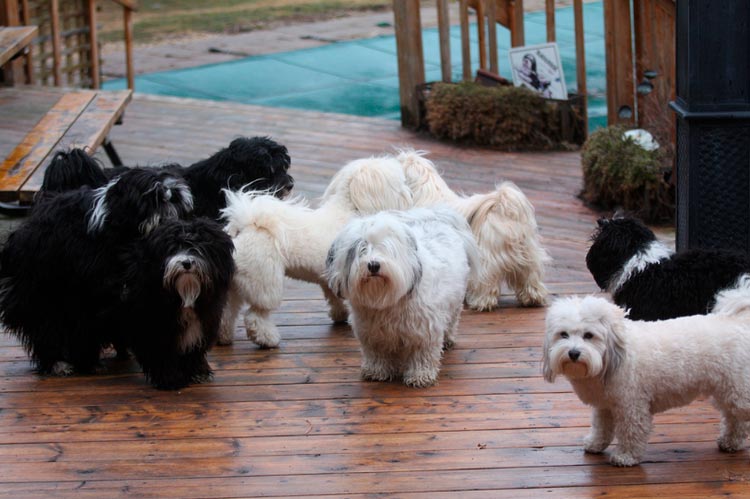
The Havanese is suitable for indoor use only. This is a dog that thrives next to people and will be happy even in a small apartment, if it is not deprived of attention. If a Havanese is adopted by a private home owner, the dog shouldn't be confined outdoors most of the time. A definite plus is its low shedding and lack of odor with regular bathing. The Havanese requires moderate exercise and will be content with short walks near the house in the park or playing in the yard. In bad weather, it can stay indoors if it is potty trained.
Never ask more of a Havanese than it can handle. It's not suited for long hikes or runs; if tired, it should rest or be carried on its owner's lap.
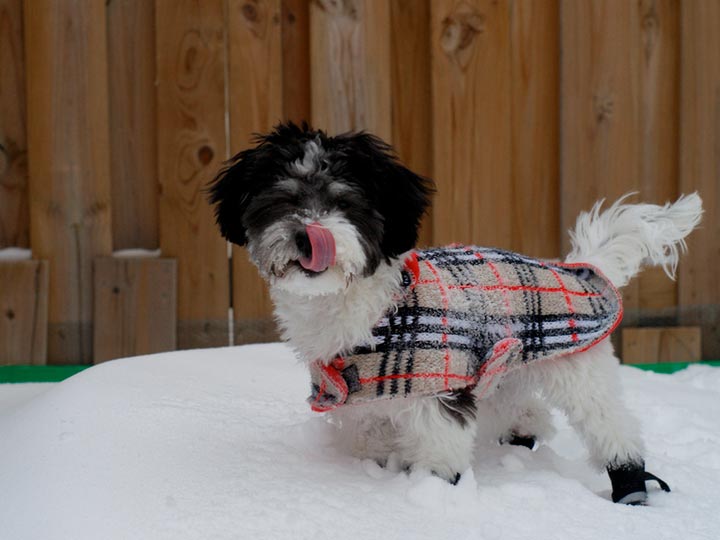
During the cold season, it's common for dogs to be kept warm. Blankets and sweaters are typically worn at temperatures of -5 to -10°C and below. After walks in the snow, icy patches often stick to dogs' paws. To prevent this, dogs are given booties or the hair between their toes is trimmed short.
Care
Grooming a Bichon is no more difficult than for any other long-haired dog. A soft coat should be brushed 2 to 7 times a week. Frequency depends on the coat type. Thick, curly hair tangles more easily than straight or slightly wavy hair. Many owners trim their dogs' coats to make grooming easier. However, this option is not suitable for those planning to show their Havanese. Bathing frequency depends on how quickly the coat gets dirty and greasy and ranges from 1 to 4 times per month. Detergents are selected individually. After bathing, it's important to ensure the Havanese's coat is thoroughly dry. A hairdryer can be used, but it's best to let the dog air dry.
The Havanese's eyes deserve special attention, as they are prone to excessive tearing. If you don't keep your tear ducts dry and clean, the slightest problem will be them turning reddish-brown. Even with good hygiene, white dogs' paw prints often become stained, and their whiteness can only be maintained by regularly using bleaching agents.
It's recommended to brush your dog's teeth 2-3 times a week. This procedure will help eliminate bad breath and prevent gum and dental disease. Trim their nails lightly 1-2 times a month if they don't wear down naturally during walks.
Nutrition
Havanese can be fed either natural food or commercially prepared foods. A natural diet follows standard guidelines. Commercially prepared foods are selected based on age, size, and physiological condition. Portions are calculated by weight, based on the recommendations on the packaging. Havanese are suitable for diets designed for small dogs with normal lifestyles. High-calorie foods, as well as regular portion increases, can lead to obesity. Low-calorie, dietary foods do not always meet the energy needs of a small, active dog.
Health and life expectancy
Most Havanese are robust, healthy dogs, with a life expectancy of 14-16 years. However, the breed is susceptible to a number of hereditary health conditions, which occur with varying frequency:
- Hip dysplasia;
- Knee dislocation;
- Chondrodysplasia (some dogs have shorter limbs. In severe cases, the condition can lead to paralysis; in mild cases, dogs live full lives);
- Necrosis of the femoral head;
- Cataract;
- Inflammation of the third eyelid;
- Deafness;
- Portosystemic shunt of the liver;
- Heart failure (mitral valve insufficiency, heart murmurs and other heart pathologies).
Choosing a Havanese Puppy
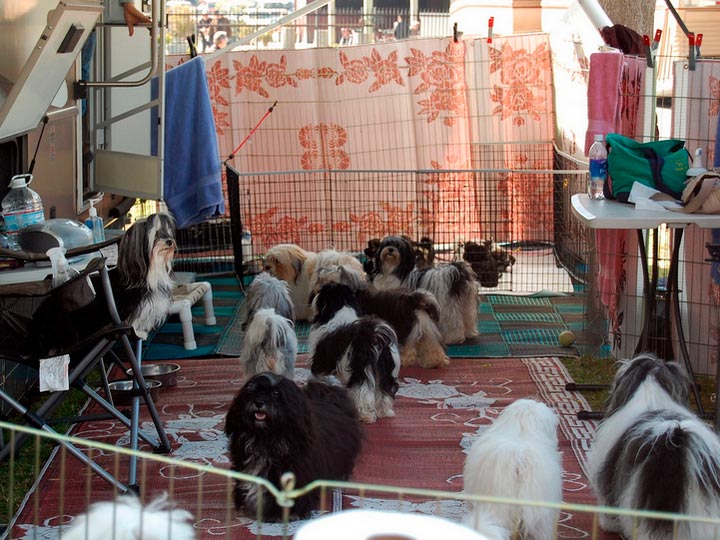
Outside the United States, the Havanese is an unpopular and rare breed, with only a few remaining specimens. There are several breeders of these dogs in Russia and the CIS. Finding them online isn't difficult, but there may not be any available puppies at the moment. Before making a final decision on purchasing a puppy, it's advisable to see a Havanese in its natural habitat and talk to its owners. You can also attend a couple of major dog shows.
If you have specific requirements for a dog, such as a Havanese of a certain gender, color, or temperament, you should consider buying a dog abroad, particularly in America, where there are many breeders and a wide selection.
A puppy from a litter is selected following standard guidelines. It's important to decide in advance whether you want a dog for home and companionship or for shows and breeding.
Price
The price of a Havanese puppy typically ranges from 40,000 to 70,000 rubles. Promising puppies for show and breeding are more expensive.
Photos
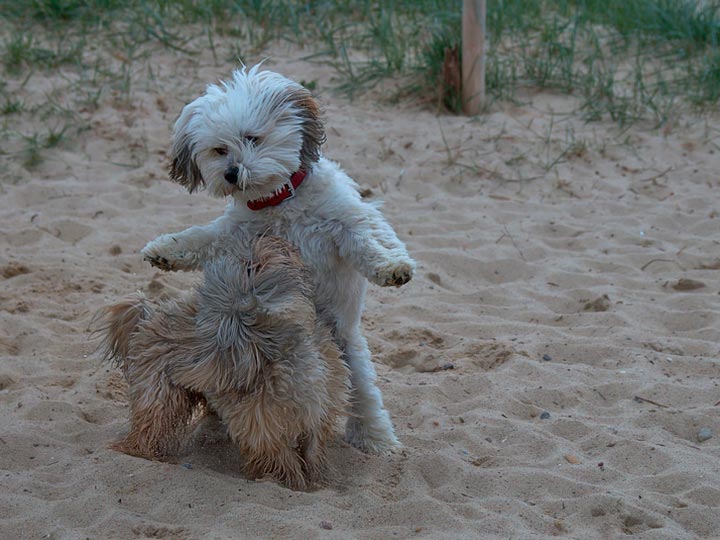
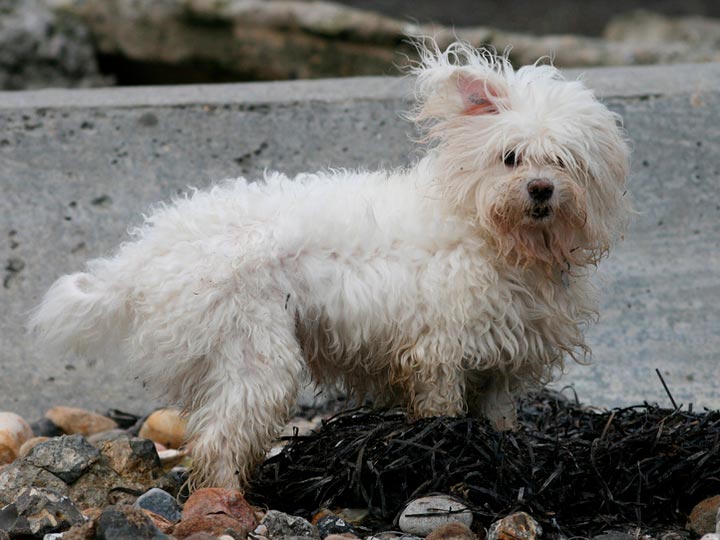
This gallery features photographs of Havanese puppies and adult dogs. The photos show how the dogs look with long hair and with a haircut, as well as a variety of colors.
Read also:


Add a comment