
Gastritis in cats
Gastritis in cats is a rather unpleasant condition. Unfortunately, inflammatory processes in the gastrointestinal tract of pets are becoming increasingly common. A poorly balanced diet is often to blame. However, inflammation of the gastric mucosa can also occur for a number of other reasons. Today, we'll tell you how to treat gastritis in cats, as well as the causes and symptoms of this condition.
Content
Reasons
What are the causes of gastritis in cats? We've divided them into several categories.
Nutrition
The main cause of gastritis in cats is an improper diet.
In one case, the pet owner advocates exclusively feeding natural food (as they think), helping themselves from their own plate. But what do we add to our food? That's right, salt and spices. But such additives shouldn't be present in pets' diets. Their stomachs aren't adapted to spices. The mucous membranes become constantly irritated. The result is gastritis in cats or dogs, which then develops into ulcers.
The second group of owners favors ready-made food. Problems with this only arise in two cases: when the food is spoiled or of poor quality (in this case, the manufacturer is at fault, so it's important to choose the right food) and when it's fed incorrectly (in this case, the owner is at fault).
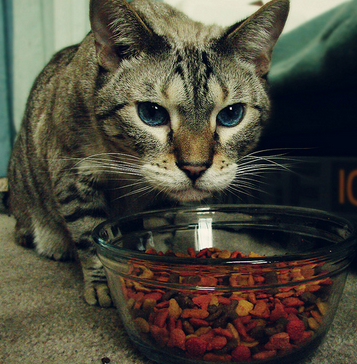
Don't pile up mountains of food. Follow the dosage. Also, be sure to pay attention to what you're putting in your pet's bowl. If there's a veritable rainbow in the bowl, don't be surprised if your pet has digestive issues (or any general health issues).
There should be no dyes in food!
A third group even manages to mix dry food and porridge in the same bowl. Or they alternate between commercial food in the morning and "natural" food from their table in the evening (or natural food during the day and commercial food during the day). This uncertainty leads to serious pathologies, including metabolic disorders. The result is obesity, diabetes, or urolithiasis in cats and dogs.
Incorrect feeding
A common mistake is serving food at the wrong temperature. For example, it's too cold (like if you put it straight from the refrigerator into a bowl) or too warm. Food should be at room temperature. It's the most comfortable for the stomach.
 Overfeeding
Oh, those "caring" owners who so dream of feeding their four-legged friends more heartily! And then they're surprised when their cat develops rolls of fat on their sides, develops kidney stones, and can't run due to shortness of breath. The stomach walls have to constantly stretch, the mucous membranes can't keep up, and gastric juices can't fully break down the food that overflows. And once again, metabolism is disrupted.
A sudden change in diet
A sudden change in diet is also one of the most common causes of gastritis in cats. For example, an owner had been feeding dry food for several years, and then suddenly something clicked in their mind and they decided to switch to natural food (which they don't prepare separately, but generously spoon into their pet's bowl from their own saucepan).
Or, conversely, a cat was fed natural food and then suddenly switched to commercial food. The stomach isn't used to this type of food and doesn't immediately "understand" how to digest it. It takes time for the enzymes to develop. And until this happens, the pet will develop gastritis.
Other reasons
- Stress. Where would we be without it? Everyone knows that almost all illnesses are caused by nerves. It's the same with pets.
- Medicines.Don't give medications haphazardly, just because you think your pet is sick. Any medication or vitamin should only be given after consulting a veterinarian. They will advise on the dosage and frequency, and explain any potential side effects. It's important to read the label on every medication you give your pet.
- Helminths.Parasites can cause all sorts of problems. Even indoor cats can become infected. Therefore, if you keep up with deworming, you can avoid many health problems for your pets.
- Toxins.They can be very diverse: household chemicals, heavy metals, poisonous plants, spoiled food.
- Infections.Many pathogens (bacteria, viruses, fungi) cause inflammation in the digestive tract. Gastritis in cats is just the least of what can occur as a result of a developing infection.
- Wool."Hair?" you ask. Yes, that's right. When a cat constantly licks it, clumps form inside. Normally, the cat should regurgitate it, but if it doesn't, the hair accumulates and irritates the mucous membranes. This causes gastritis.
Symptoms
The symptoms of gastritis in cats vary widely, but they can be difficult to miss. If you monitor your four-legged friend's health, you'll notice early if your pet is feeling unwell.
Appetite changes
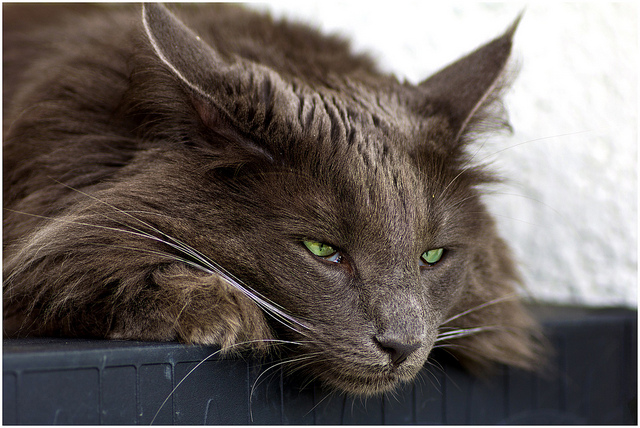
A pet is reluctant to eat much—this is probably the case. This can be explained by the fact that the stomach lining is inflamed, making eating painful. Who wants to do something that causes discomfort and pain? Furthermore, it hurts when someone touches their tummy. Therefore, the cat is unlikely to be willing to be handled.
Other symptoms
Other symptoms of gastritis in cats:
| Lethargy | Where would we be without it? If a cat has gastritis, it will spend more time lying down. |
| There is an unpleasant smell coming from the mouth | However, this is not always the case. Odor can also be a symptom of oral diseases (caries, for example). |
| Coating on the tongue | If you look closely, you'll notice a coating on the base of the tongue (and sometimes the entire tongue). However, it's important to understand that sometimes a coating can also appear due to a sore throat. In any case, if you notice a coated tongue, it's best to see a veterinarian. |
| Rumbling | This is a serious symptom that sometimes indicates an infectious disease! Sometimes, helminths can also cause such a disturbance. But remember, rumbling is not normal. |
| Either constipation or diarrhea | But undigested food remains are visible in the stool. If your pet can't defecate normally in the litter box, this indicates digestive problems. A diagnosis is necessary. |
| Vomit | Especially if it's yellow and foamy. There may be pieces of undigested food. However, this isn't a clear sign that your cat has gastritis. Vomiting can be a symptom of another condition. |
| The animal is losing a lot of weight. | This can be easily explained by the fact that there is no appetite, and even if something is eaten, most of the food comes out. |
| The wool becomes dull and falls out | Long-haired cats may develop mats. |
| The mucous membranes acquire a yellowish tint | But beyond gastritis, this could be a sign of more serious liver problems. In any case, consult a veterinarian to rule out infectious or parasitic diseases. |
If you notice several of the above symptoms of gastritis in cats at once, you need to start treatment immediately!
Treatment
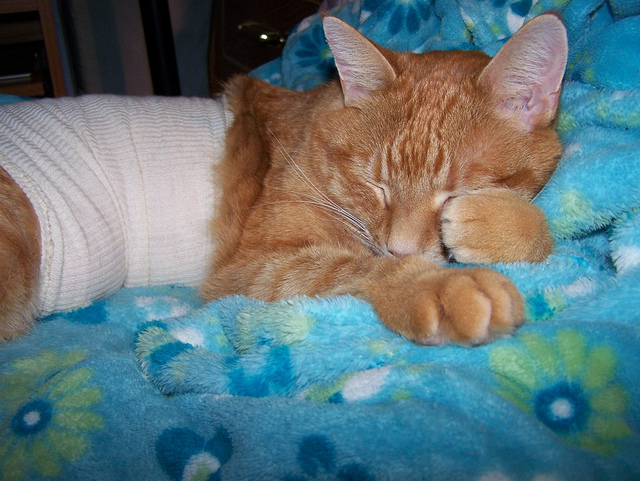
So, we've reached the main question of our article: how to treat gastritis in cats? It's important to note right away that letting it heal on its own is strictly prohibited! Otherwise, the acute form will become chronic, which can lead to ulcers, pancreatitis (which can sometimes cause gastritis in cats), enteritis, and other digestive diseases.
Don't self-medicate. Don't prescribe any medications yourself. No human medications. Only a veterinarian can prescribe effective and safe treatment – symptomatic (sedatives, painkillers, anti-inflammatory drugs). And once the underlying cause is identified, it will also need to be addressed. Otherwise, your cat's gastritis will return.
A therapeutic diet for gastritis in cats
What should you feed a cat with gastritis? A special diet will be prescribed to help the animal feel full without harming its stomach. Typically, these include gluten-containing cereals (oatmeal, rice).
- During the first day, it's recommended to drink only water. The following day, you're allowed a little light food. Make your portions three times smaller than usual. And drink plenty of clean water. Remember, your stomach isn't yet ready to digest large amounts of food. Otherwise, vomiting and diarrhea will return. Things will only get worse.
- Gradually increase the amount of food, but be sure to monitor your pet's well-being. And never overfeed. Also, be mindful of the food's temperature to prevent your cat's gastritis from returning.
- No food from your own table! Cook separately. No spices, salt, or oil. Nothing fatty, smoked, or salty. Only light foods. Chicken or turkey, veal is also good. No pork or lamb—too much fat.
Prevention
As we all know, prevention is always better than cure. Let's discuss the basic rules for preventing gastritis in cats:
- Balance your pet's diet. Decide what exactly you'll feed your pet: commercial or natural. If commercial, don't overfeed and choose high-quality (minimally added dyes and preservatives). If natural, don't use your own food; cook it in a separate saucepan. Don't add salt, spices, or oils. Just cook the food and that's it!
- Monitor the temperature of the food. It should be room temperature, maybe a little warmer, but don't overheat it!
- Keep your pet free of parasites. Remember to give your pet special medications every three months. Also, visit your veterinarian at least once a year for a checkup and referral for tests (complete blood count, biochemical profile, urine, and stool analysis).
- Don't forget about preventative vaccinations. Viruses and bacteria often lead to digestive problems.
- Don't allow the animal to eat anything from the floor. The animal is already poisoned, and the quality of the food is unknown.
- Brush your pet. Feed them a special hairball-removing food. If too much hairball accumulates in the intestines, there's a high risk of not only gastritis but also pilobezoar (a hairball that can block the intestines).
If you have any questions about gastritis in cats, ask them in the comments – we'll try to answer them!
Read also:


2 comments
Igor
Hello! We have an 11-month-old Abyssinian cat. We've been feeding her Royal Canin Gastro Moderate dry food for a week now. She had problems with bowel movements after her previous Barkin Heads food, going to the bathroom three times a day and passing pasty stools. She eats the new food with gusto, even in a hurry. She's become hungry earlier, and her playful behavior is the same. Yesterday morning, she vomited a mush-like substance early in the morning, then again in the evening, all before eating. Could this be gastritis?
Dasha is a veterinarian
Hello! It's strange that my pet hasn't eaten and is vomiting a mush. It usually contains clear foam or bile. However, vomiting before eating is usually a sign of stomach inflammation. Check the manufacturer (country). Is it Russia or France? If Russia, try to find a French Royal Canin. Or choose a different brand. Besides food, do you take any other medications for your pet? Is it under veterinary care?
Add a comment