
Gabapentin for cats
Gabapentin is an anticonvulsant and analgesic. The medication is widely used in veterinary practice in cats to alleviate neuropathy and prevent seizures.
Content
About the composition
The drug's main active ingredient is gabapentin. It is structurally similar to the neurotransmitter gamma-aminobutyric acid (GABA), which plays a vital role in brain function.
Auxiliary components:
- distilled water;
- xylitol;
- glycerol;
- strawberry flavoring.

Mechanism of action
Gabapentin's mechanism of action has not yet been fully studied. It is known that the drug reduces the production of neurotransmitters. It affects the transport of calcium ions during nerve impulse transmission. The drug readily penetrates brain tissue and prevents seizures.
Release form
The medication is available in capsule and tablet form. It can be purchased at almost any pharmacy, but pharmacists sometimes require a prescription. Capsules are available in 100, 300, 400, 600, and 800 mg strengths. Tablets are available in similar weight categories. An oral solution has also recently become available.
Indications
Veterinarians prescribe Gabapentin to cats for specific indications. These indications include:
- Oncological diseases.
- Convulsions (for epilepsy).
- Neuropathic pain (in chronic arthritis).
- Hyperesthesia (increased sensitivity to irritants). The animal licks its fur or chews its skin. Difficulty urinating may sometimes occur.
- Stress during veterinary visits and physical examinations.
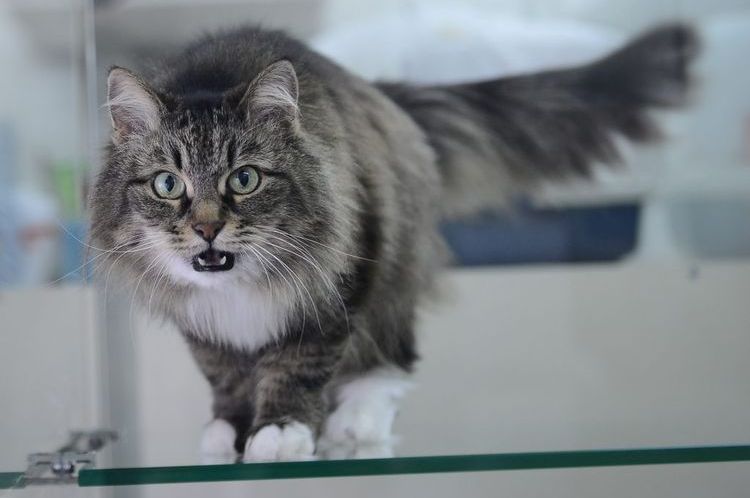
In some cases, the drug is used after surgery. Neuropathic pain may also occur in the postoperative period.
Contraindications
Gabapentin is not recommended for use in animals with contraindications. These include:
- Cat pregnancy. Exception: severe, potentially fatal diseases.
- Allergic reaction to the components of the drug.
- Liver and kidney diseases.
Antacids are used to treat certain gastrointestinal conditions. They reduce the effectiveness of gabapentin because they contain magnesium and aluminum. The interval between taking these two medications should be at least two hours.
Strong painkillers (hydrocodone, morphine, and others) significantly increase the likelihood of side effects from taking the drug.
How to give, dosage
Capsules or tablets are given to cats orally. Tablets can be crushed, dissolved in water, and administered to the cat using a syringe. The contents of the capsules can be treated in the same manner.
The dose for seizure control is higher than for pain relief. According to the instructions, the medication should be administered every 8 hours as an anticonvulsant at a dose of 10-20 mg per kilogram of the cat's body weight. If the medication is used as an analgesic, the recommended dose is 5-10 mg per kilogram of the animal's body weight.
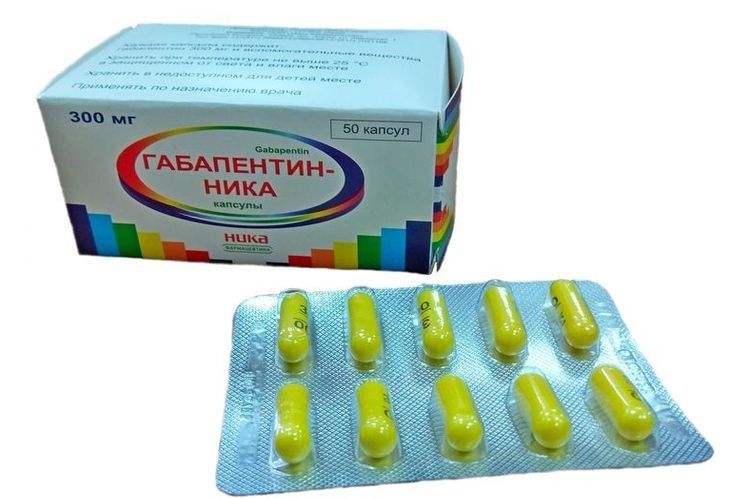
The medication should not be discontinued overnight, but rather over the course of a week, gradually reducing the dosage.
Side effects
Gabapentin is considered a safe drug. It is generally well-tolerated. However, cats sometimes experience side effects. The most common ones are:
- nausea, vomiting;
- problems with stool (diarrhea);
- slowness of movements;
- ataxia (lack of coordination);
- drowsiness.
If any of the above symptoms occur, it's best to consult a doctor about further treatment. It may be necessary to reduce the medication's dosage or discontinue it altogether.
Overdose
In case of an overdose of the drug, the cat will experience the following symptoms:
- drowsiness;
- severe sedation;
- apathy;
- depression;
- lack of appetite;
- inability to maintain balance;
- eye inflammation.
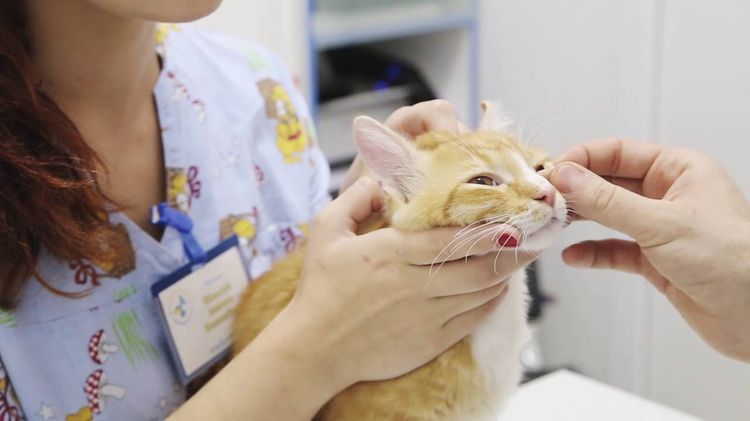
In such cases, you should immediately contact a veterinarian and provide medical attention to your pet. Otherwise, the outcome could be fatal.
Recommendations for use
Never self-prescribe this medication. Before starting treatment with Gabapentin, always consult with your veterinarian. Recommendations:
- inform the specialist about other medications that your pet is taking;
- report any illnesses your cat may have (in particular, kidney and liver pathologies);
- use vitamin complexes to prevent possible deficiencies;
- Do not stop therapy on your own.
Storage conditions
Gabapentin should be stored in a dry, dark place at a temperature not exceeding 25 degrees Celsius. Keep out of the reach of children. Store the oral solution in the refrigerator.
Price
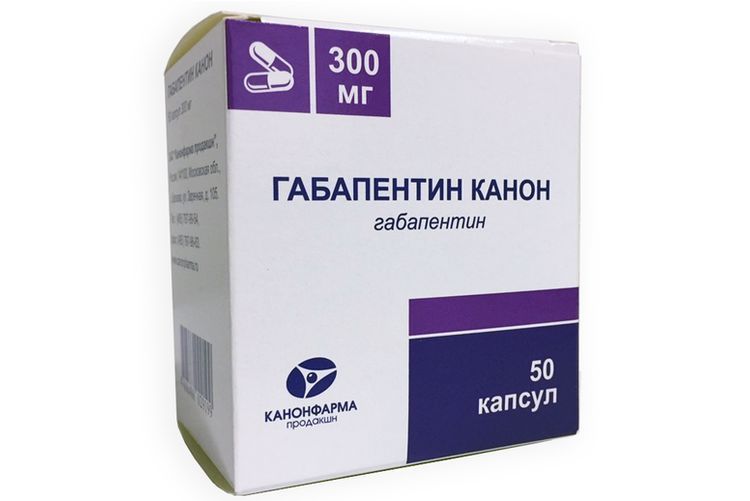
The average cost of the drug is about 400-550 rubles.
Owner reviews
Valentina Petrenko, 45 years old:
"As prescribed by the veterinarian, I gave my cat Gabapentin before a visit to the veterinary clinic to help her feel less anxious. She developed side effects almost immediately—lethargy, drowsiness, and loss of appetite. I learned too late that this medication is contraindicated in people with kidney disease. She has chronic renal failure, which is why she had this reaction. It took a long time to restore her health."
Vladimir Korolev, 35 years old:
"My cat has chronic arthritis, and the vet prescribed Gabapentin for pain relief. I started with the lowest dose and gradually increased it. The treatment lasted a month, and my cat's condition really improved during this time. There were no side effects, except for some drowsiness. I also tapered off the medication gradually, over the course of a week. The vet warned against stopping the medication abruptly."
Reviews from veterinarians
Alexander Zagorodnikov, 38 years old:
"In my practice, I often prescribe Gabapentin to cats as an anticonvulsant or to relieve pain associated with neuropathy. The medication is quite effective, but sometimes side effects such as lethargy, loss of coordination, and other symptoms occur. In such cases, I discontinue the medication and replace it with alternatives."
Irina Karavanova, 32 years old:
"Gabapentin is a good medication with anticonvulsant, analgesic, and sedative effects. However, it's important to thoroughly question the owner about the cat's health beforehand. It's important to determine whether the animal has any contraindications to treatment with this medication. The medication is not used in cases of liver or kidney disease, or during pregnancy."
Read also:


1 comment
Alexander
There is no consensus on whether gabapentin taken by women during pregnancy for epilepsy increases the risk of congenital defects in the offspring. Gabapentin is excreted in breast milk. Since the drug's effects on breastfeeding infants have not been studied, gabapentin should be administered with caution to breastfeeding women. Gabapentin use in breastfeeding women is only justified if the benefit to the mother outweighs the potential risk to the infant.
Add a comment