
French dog breeds
French cynologists have developed and continue to develop many new dog breeds. They place great emphasis on the breed's appearance and personality, so the results of their work are always characterized by a noble appearance and a sociable nature. Among the French breeds, you can find representatives of various temperaments and sizes, with both fluffy and smooth coats. The only constant is devotion to their owner.
Content
Major groups and their representatives
1. Toys/companions
-
Bichon Frise– a hypoallergenic breed, friendly and energetic, requires care for curly hair.
-
Papillon- "butterfly" with ears, high intelligence and activity, suitable for apartments, requires mental stimulation.
-
Löwchen- small, playful, friendly, great for families.
-
French Bulldog- stocky, stubborn, prone to breathing problems, requires attention to health.
2. Hunting/sporting
-
Brittany– sporty and energetic, ideal for active owners with children and pets.
-
Gascon hunting breeds- energetic, require high physical activity and socialization.
-
Basset Hound- an excellent companion, but requires ear care and moderate walks.
3. Workers/shepherds
-
Beauceron– a French shepherd with an ancient history, large, requires physical activity and early socialization.
-
Barbet– a water dog with a wiry coat, requires regular walking and strength stimulation.
-
Briard and Bossardogue (Dogue de Bordeaux)– large, powerful, with guard and watchdog qualities, prone to dysplasia, require weight control.
Table: Comparison of key French breeds
| Breed | Size/Weight | Purpose | Health and care features |
|---|---|---|---|
| Bichon Frise | Small (3-5 kg) | Companion | Hypoallergenic, requires regular grooming |
| Papillon | Small (4-6 kg) | Smart companion | Requires exercise, active, coat and teeth hygiene |
| French Bulldog | Small (9–14 kg) | Companion dog | Risk of BOAS, orthopedics, allergies, veterinary control required |
| Brittany Spaniel | Medium (14–18 kg) | Hunting/sport | Energetic, needs training, active lifestyle |
| Basset Hound | Medium (25–30 kg) | Hunting/companion | Slow, cautious, requires ear care |
| Beauceron | Large (45–50 kg) | Shepherd/guard | Stubborn, requires training and activity |
| Barbet | Medium (18–25 kg) | Water dog | Coarse coat, needs to be walked near water |
| Briard | Large (27–32 kg) | Shepherd/worker | Long hair, active, watchdog |
| Bossardog | Large (45–50 kg) | Security guard | Prone to dysplasia, BOAS, weight control required |
Large Blue Gascon Hound
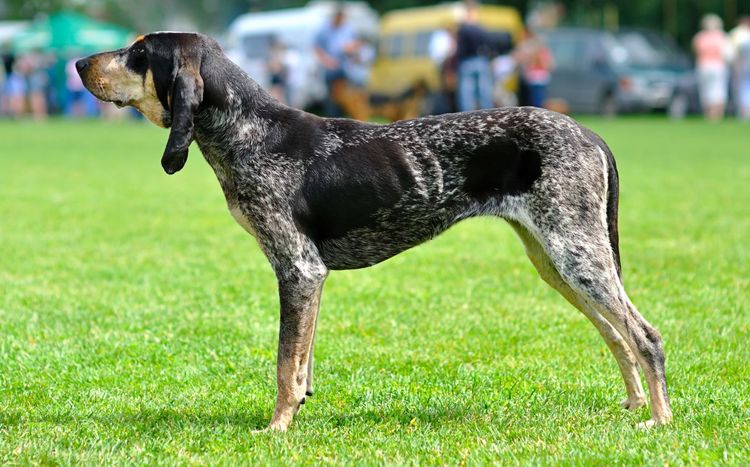
This hound is a hunting breed. The place where breeders developed it is reflected in its name. It was created by crossing a bloodhound and a Phoenician hound, both of which excel at hunting, tracking even the oldest tracks of game.
The Grand Bleu de Gascon is a tall dog with a correct, strong build and an excellent hunting stance. It stands 70 cm at the withers and weighs no more than 35 kg with proper nutrition and lifestyle.
Exercise is essential for the Gascon Hound, so regular training or exercise is essential. Without intense activity, health quickly deteriorates, so the large blue Gascon Hound is not the best choice for apartment living. Its coat is very noble: small black spots are scattered on a white background, creating the illusion of a blue tint, and there are occasional red markings. Grooming is easy: regular brushing and occasional bathing are sufficient.
The dog is incredibly attached to all family members and gets along well with children. It is very focused and even a little slow except when hunting or training. It lives for about 13 years.
Braque (French Great Dane)
A superb pointer, bred specifically for hunting. It excels at tracking game and retrieving it after a shot. It's also resilient and can withstand any weather conditions. It can be used for hunting in fields, forests, or on water.
The Braque has a sociable nature: it's obedient, very devoted to its owner, and friendly. However, the breed is prone to extreme emotionality: a harsh tone or irritation can offend and stress the dog. It fits well into a family and treats all members equally. Many people who are planning to have children choose the French Mastiff.
The breed has two varieties, differing only in size: the large variety reaches 55 cm at the withers and weighs approximately 32 kg, while the small variety grows to 47 cm and weighs 18-25 kg. The French Mastiff's color ranges from white to almost brown, and can be densely or sparsely spotted.
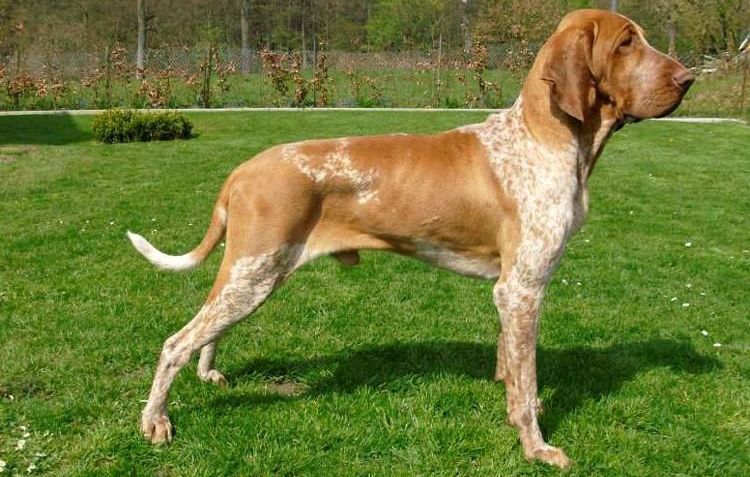
The coat is short and fairly thick, but it sheds only moderately. Grooming is limited to brushing with a special brush.
Beauceron (French Shorthaired Shepherd)
Beauceron The Beauceron is distinguished by its diligence and perseverance in any endeavor. However, this diligence can manifest itself both during training and when trying to chew up furniture. Therefore, the Beauceron needs exercise—this will protect its health and provide an outlet for its energy.
During training and education, the owner will need to exercise discretion, as the breed thrives on cooperation rather than complete subordination. A firm hand and authority are essential, but they must not compromise the dog's dignity. Within the family, the French Shorthaired Shepherd is very friendly and affectionate, but can be aggressive toward strangers.
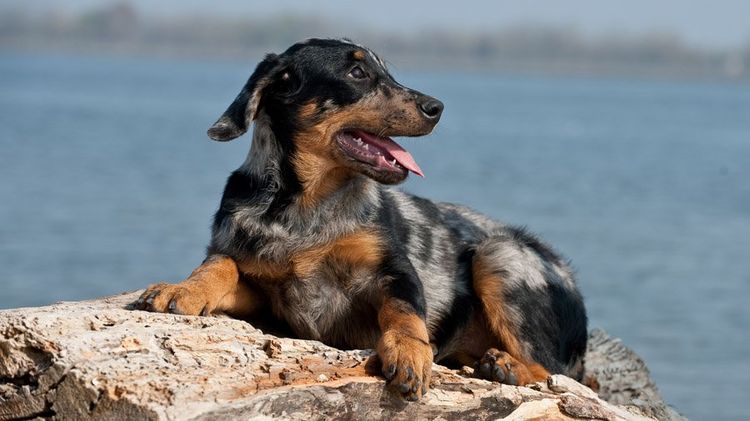
The Beauceron's exterior is muscular and lean, but it appears heavier than its actual weight: an adult male rarely exceeds 49-50 kg with a height of up to 70 cm. Coloration varies among subspecies: the "Barouj" ranges in color from brown and red to fawn-black, while the "Harlequin" can be gray or black.
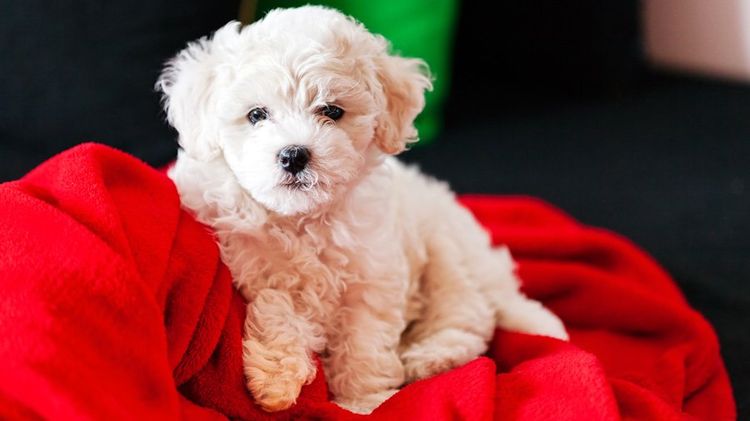
Bichon Frise
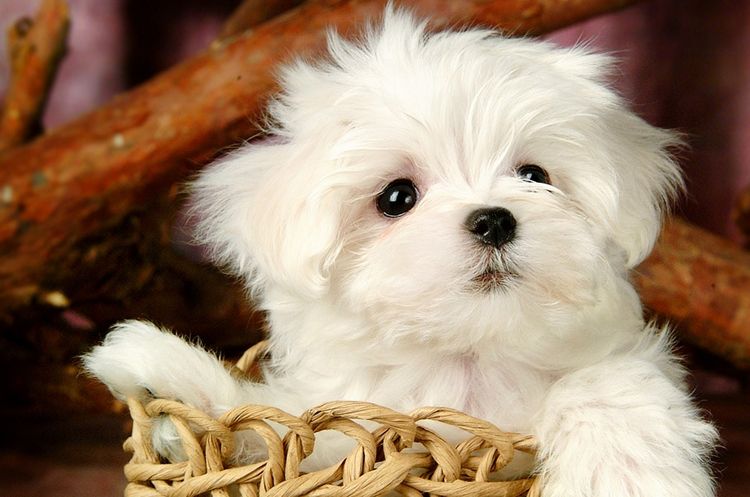
These funny creatures represent a miniature decorative breedBichons' popularity began several centuries ago and continues unabated. They are the result of crossing a poodle and a water spaniel. The breed's primary purpose is human companionship, which suits their lifestyle: they dislike being alone and are always eager to play and interact. They thrive on only one thing: being close to their owner.
Bichons are a joy to pet, as their coat is thick and soft to the touch, but they do require regular grooming. Regular trimming and brushing will keep them looking their best.
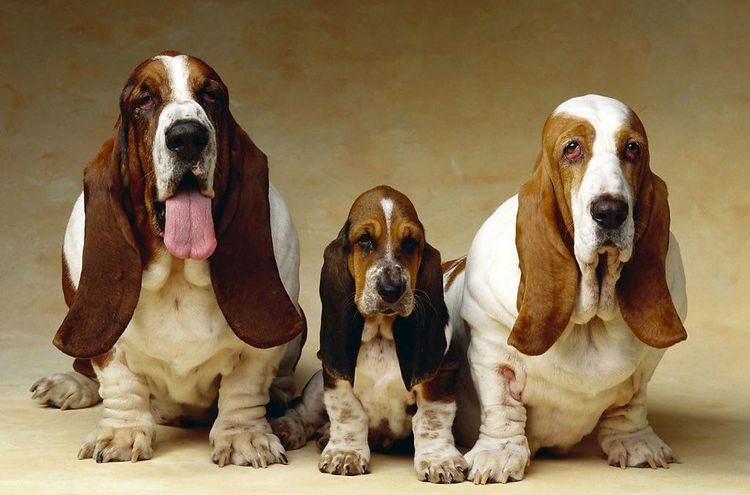
Basset Hound
These dogs have a very funny appearance: their bodies are elongated, and their legs are short and very crooked. Their coloring, which includes spots of brown, red, or white, also makes them attractive.
The main advantages of this hound are its excellent sense of smell and instinct. Basset Hounds Always the center of attention and very responsive to positive treatment, she avoids fights whenever possible during walks, but if the situation requires protecting her owner or a child, she will engage in a fight without hesitation.
Bassets are very proud and demand respect. They do not do well in confined spaces and small rooms, requiring extensive outdoor time. For this reason, Bassets are not suitable for the elderly or those who are sedentary. However, they are very patient with children or small pets and always get along well with everyone in the house or apartment. They are also very intelligent and quickly learn new rules. Bassets enjoy participating in shows and competitions; they don't suffer from crowds and fuss like other breeds.
Their coat is short, shiny, and very smooth; its condition is a perfect indicator of the dog's health. The average height of the breed is approximately 38 cm.
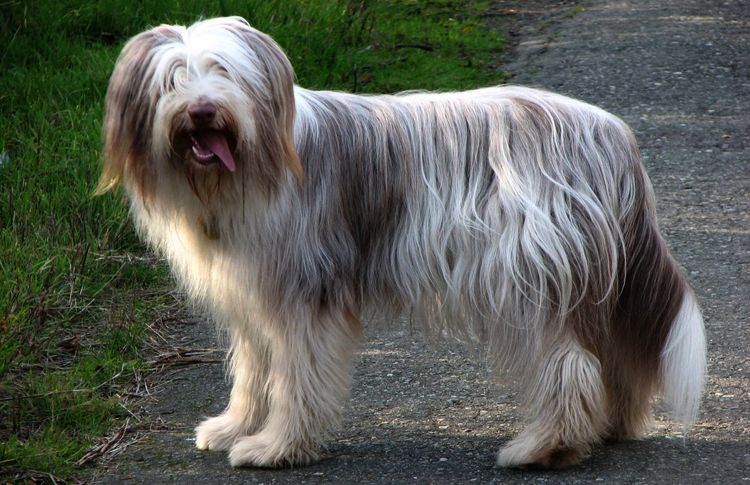
Bichon Lyon
Another ancient French decorative breed, named for its distinctive coat, which resembles a lion's mane. Despite its modest size (up to 30 cm tall and weighing up to 6 kg), this dog is known for its courage, bravery, and devotion to its owners. It can fight to its last breath if a person is in danger. It is also undemanding and highly intelligent.
This option is ideal for those living in small apartments, as the Bichon Lyon thrives in cramped conditions. They are excellent health breeds and can live for 13-14 years, and even longer if kept in good conditions.
Bichons are very friendly and won't cause any problems when guests visit, even if they bring their own pets. Representatives of this breed are cheerful and energetic; they are very sociable, yet independent.
When adopting a Bichon, remember that its long, curly coat can cause allergies in those prone to them. The animal should be trimmed once every month or month and a half, and brushed a couple of times a week with a special brush or mitten. With proper care, the coat will be silky and beautiful.
Picardy (Picardian Shepherd)
Although the Picardie has been known since the Middle Ages, the breed was only officially registered in 1964.
Picardy Shepherd The Picardie is a tall, large dog, reaching a height of 65 cm at the withers. Its body is proportionate, strong, and muscular. Its muzzle has a prominent beard and mustache, and its neck is very powerful and strong. The Picardie's body is adapted to long runs, so it enjoys exercise. They are not picky eaters, but proper nutrition determines how active and cheerful the dog will be.
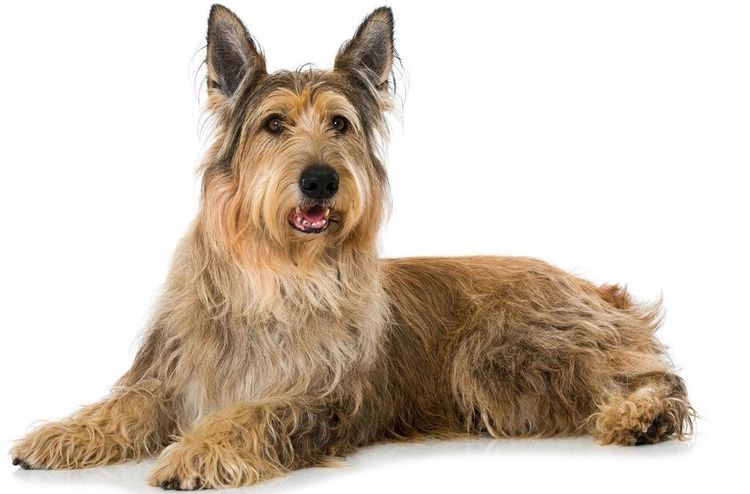
Their thick, slightly wavy coat serves as an excellent insulator, making the breed resistant to adverse weather conditions. These dogs are very friendly and even-tempered, quite independent, and capable of making decisions when necessary.
Approach to selection
When choosing a French dog breed, it is important to consider:
-
Lifestyle and conditions: apartment, house, active/quiet regime.
-
Health: Brachycephalic breeds (bulldogs, Great Danes) require special attention and are at risk for respiratory and orthopedic problems. The table above outlines the main risks.
-
Training and socialization: Herding and hunting breeds require vector training.
-
Coat care: short-haired dogs require minimal grooming, while long-haired or curly dogs require regular grooming.
Read also:


Add a comment