
French Bulldog
French Bulldogs were bred as light fighting dogs, but later became purely decorative, with no emphasis on working ability. Today, they are ideal companions and reliable family protectors.
Content
History of origin
Although this breed is relatively young, there are several theories about its origins, none of which have been fully confirmed. According to one, their ancestors were Spanish bulldogs (Alans), which are now extinct.
A more common theory is that the French Bulldog inherited much from the Old English Bulldogge and that when comparing their appearance, one cannot help but find a certain resemblance. English Bulldog The breed descends from Molossians, fighting dogs of the Greek family. In any case, the breed's final development took place in France. It is believed that the Spanish Bulldog was crossed with the English Bulldog there, along with pugs and terriers, which contributed to the breed's small size and agility.
The French bulldog acquired its final appearance thanks to the work of French cynologists in the late 19th century. At that time, the first breed club was founded and a standard was approved, which subsequently underwent several revisions. After several shows, the breed gained well-deserved popularity, not only in France and England, but also abroad, including in the United States, where local breeders, unconstrained by standards, modified the breed slightly, adding red and fawn to the traditional colors.
Appearance
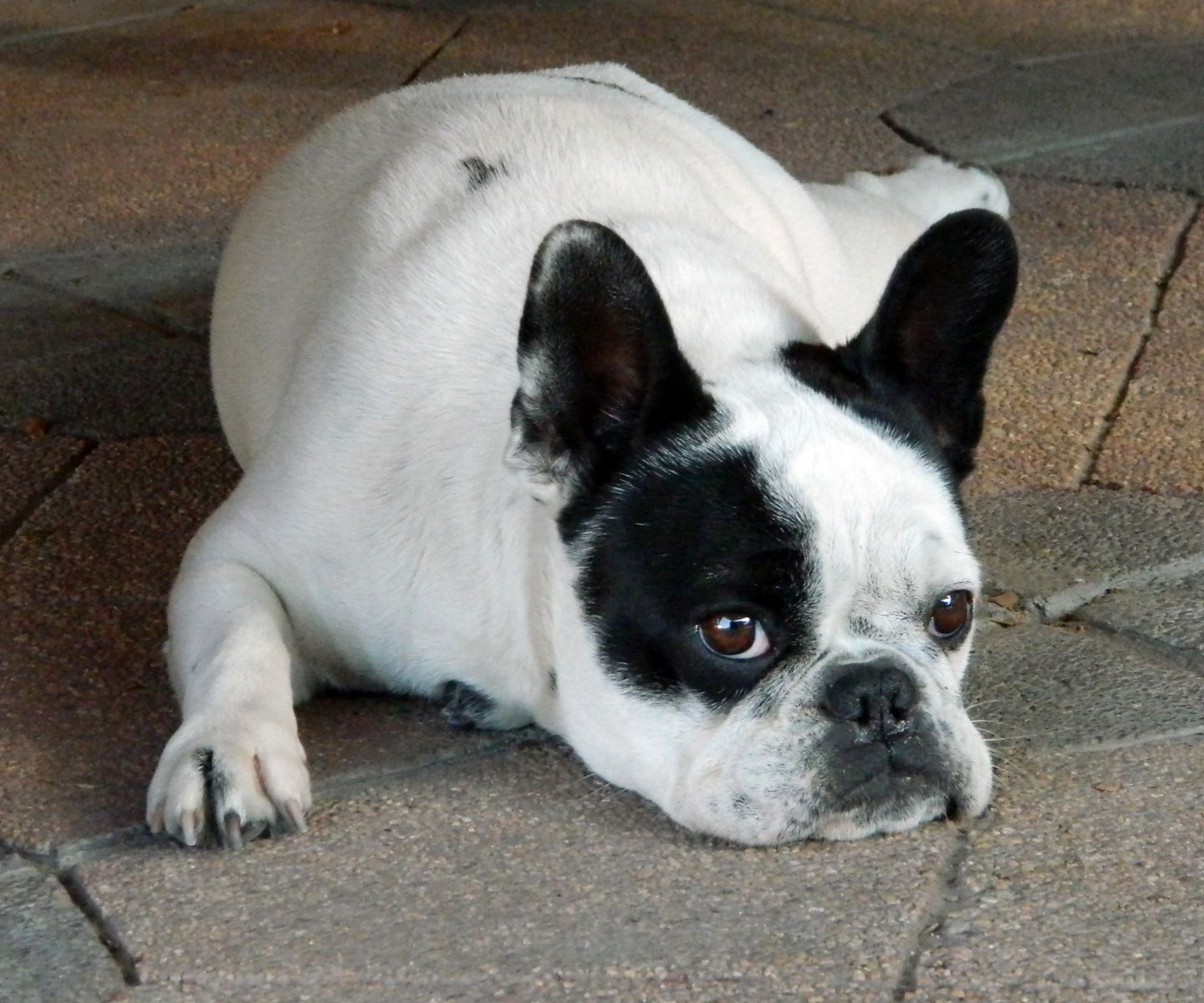
French Bulldogs are distinguished by their compact, proportionate build and are quite powerful for their size. Their coat is smooth, close-lying, and glossy. Their muzzle is short and slightly upturned.
The head is broad and square, with symmetrical skin folds. The forehead is slightly convex, with prominent superciliary ridges. The ears are erect, set wide apart, and medium in size, always with rounded tips. The auricles face forward. The jaws are strong, with a slight undershot bite, but the teeth should be hidden behind the lips.
The muscles are well developed but not prominent. The back is broad, with a slightly sloping croup. The tail is set low and short, not carried above the topline. The fore and hind legs are straight and parallel. The dog moves freely. The coat color can be solid (brindle, fawn, or black) or spotted (involves spots on a white background).
.jpg)
Training and exercise
French Bulldogs are easy to train, but they can sometimes be stubborn. Training a puppy should begin immediately after its arrival. It's important to remember that basic commands, such as "sit" or "fetch my slippers," are learned quickly, while "no" and "come" are mastered at a young age. Adult pets can also be trained to perform commands of any complexity, but it will require a little more time and patience. Even an owner with little experience can train a French Bulldog. The key is to ensure that training is regular and consistent, but not harsh.
Bulldogs don't thrive on vigorous exercise, running, or long workouts, but they're always happy to play. This makes them an ideal companion for children and busy professionals who are willing to dedicate all their free time to their pet.
Content
Dogs of this breed will thrive even in a small apartment, and a private yard will do just fine. However, during cold weather, they should be brought indoors and taken out for walks in warm clothing. They are very sensitive to cold, as well as extreme heat. It's best not to walk them for long periods in the sun.
Also, future owners should know that French Bulldogs often snore in their sleep. 🙂
These dogs have short fur and don't shed heavily, so grooming is limited to weekly brushing with a special natural bristle brush. They are bathed as needed, no more than four times a year. Their nails are trimmed as needed. Their ears and eyes are regularly inspected. Owners should also regularly groom the folds of their faces. Accumulated moisture and dirt can be removed with cotton pads to prevent skin inflammation.
Character
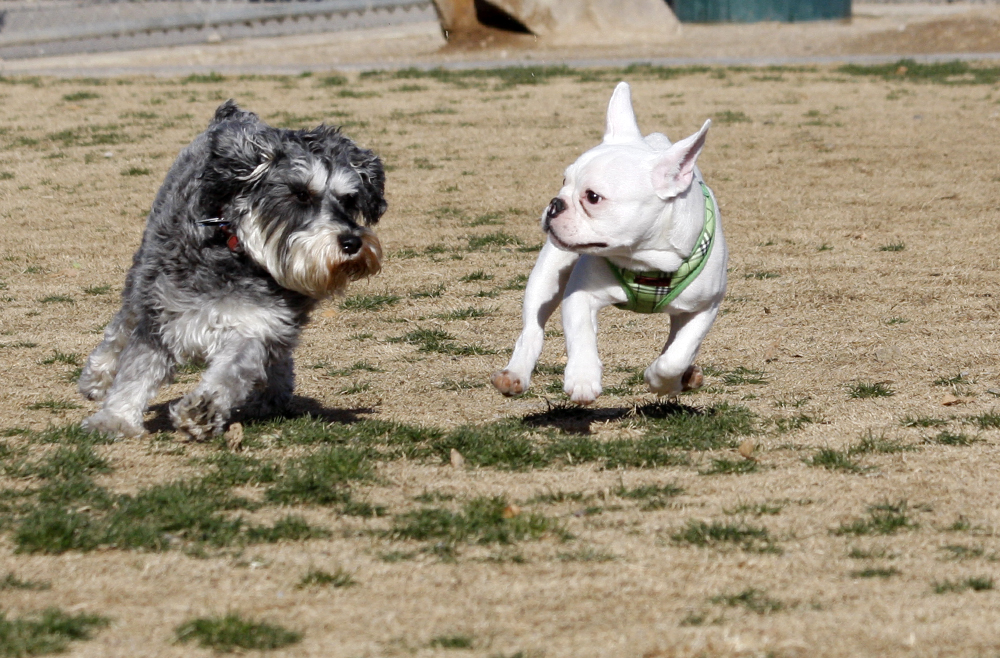
French Bulldogs have a friendly, sociable nature and a courageous heart. Their willingness to fight is inherited from their ancestors. They can be wary of strangers, and only show aggression if their property is encroached upon. They become very attached to their owners and do not tolerate loneliness. They generally get along well with other animals, although they may sometimes try to take the lead. They are not always understanding and patient with very young children, especially if they were raised separately, but they enjoy playing with older ones.
Representatives of this breed are sociable and friendly, not prone to aggression, but can be very courageous when threatened. French bulldogs are relatively quiet, barking only when necessary. These dogs always try to stay close to their owner and often prefer their owner's bed to a rug.
They are often jealous and, if they perceive their owner paying them less attention, may develop a dislike for their neighbor. Much of the temperament of dogs of this breed depends on the environment in which they were raised, the habits and personality of their owner, so each pet has its own individual character.
Diet and health
A French bulldog's diet should consist exclusively of natural ingredients or high-quality premium dry food. The debate about which is better remains unresolved, so owners prefer to choose the option that is most convenient for them. Your pet should always have free access to clean water. It is also important to note that French Bulldogs are prone to overeating and rapid weight gain, which should not be allowed.
Overall, the breed is quite healthy. Among the most common health problems it is susceptible to are dermatitis within the skin folds and between the toes, allergies, and entropion. Urolithiasis and hypotrichosis, a congenital condition that causes symmetrical hair loss, are also common. Females may experience difficulties during labor, especially first-time births. Their lifespan is up to 12 years.
Photos
French Bulldog Pictures:
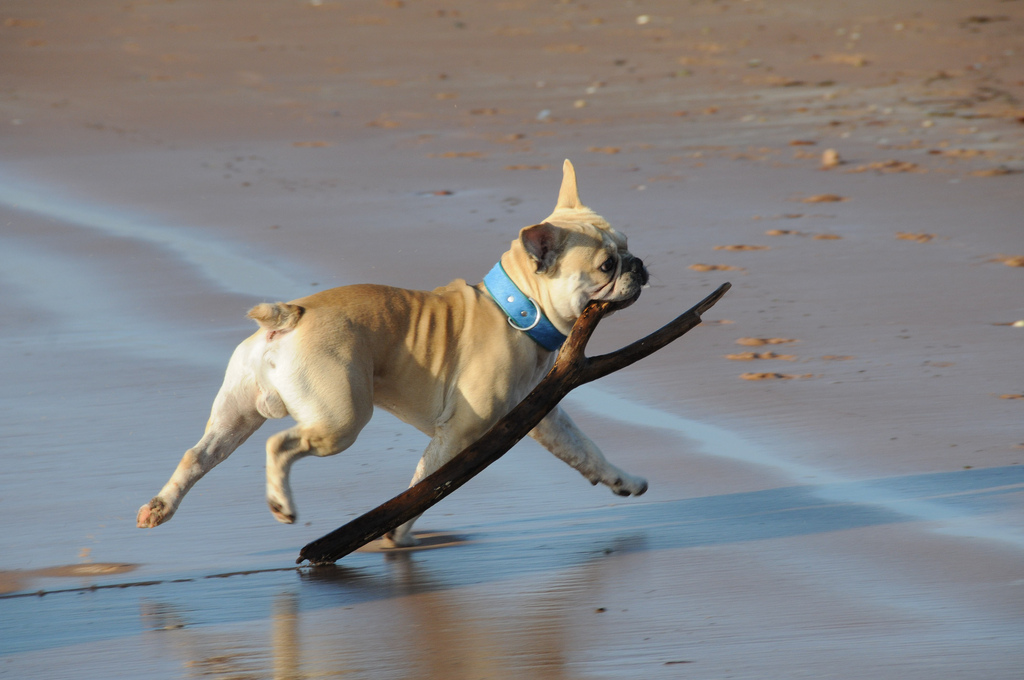
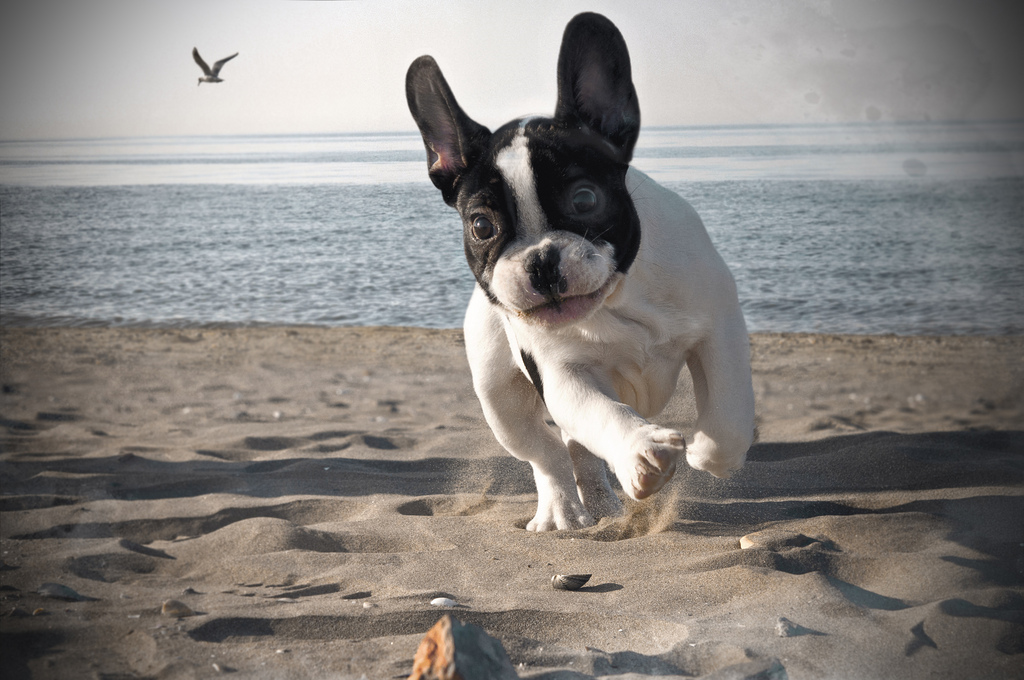
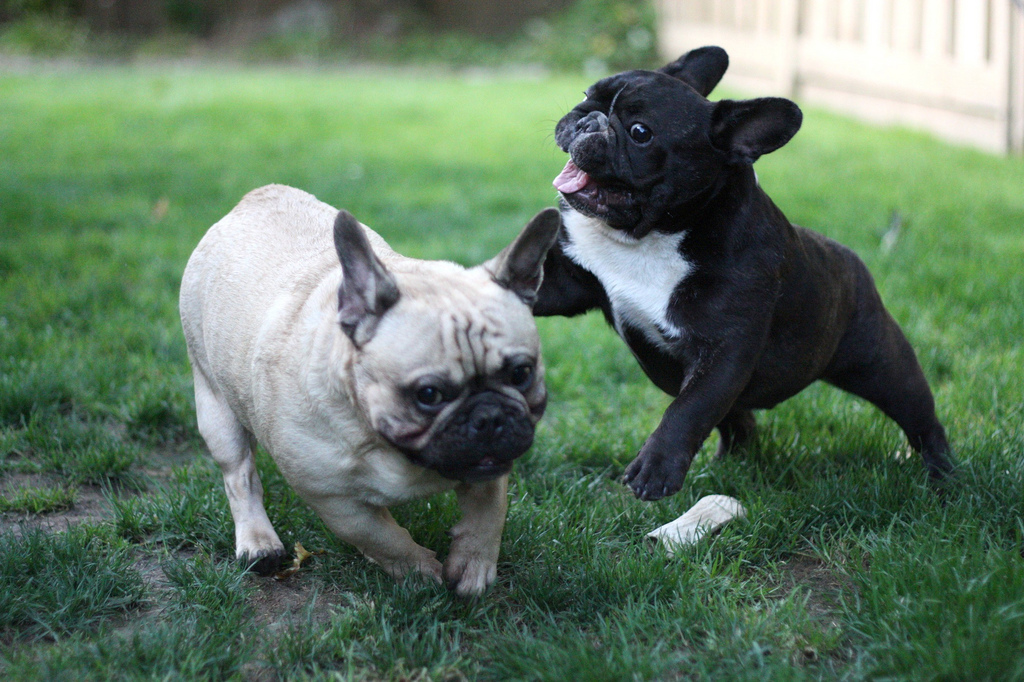
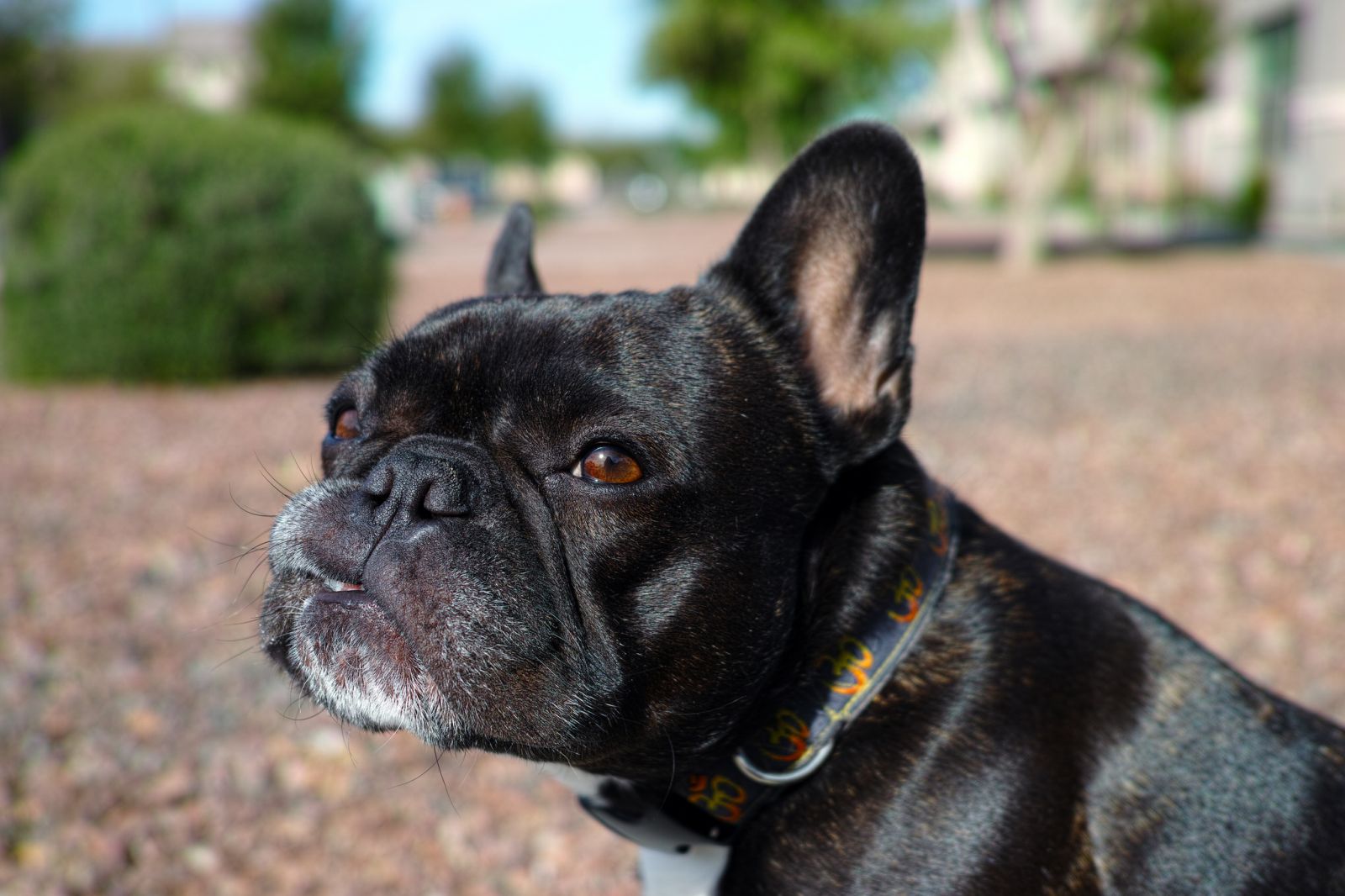
.jpg)
Read also:


Add a comment