
Flux in dogs: symptoms and treatment at home
Dental diseases in dogs are caused by the difficulty of maintaining oral hygiene. One possible complication is dental abscess. This is a very painful condition, so any owner wants to help their pet as quickly and effectively as possible. To provide assistance in the early stages, it's important to understand the symptoms and treatment options for a dog with dental abscess.
Content
Reasons
The factors that provoke the appearance of gumboil (periostitis) are:
- acute infection of the oral mucosa;
- inflammatory process in the tooth;
- trauma with damage to a tooth or tooth root;
- inflammation of the gum tissue or periodontal pockets;
- the presence of dense tartar.
If your diet isn't adequate, tartar forms very quickly and builds up to a significant thickness. This increases the space between the gums and teeth, exposing the roots. Food debris can get trapped there, causing acute inflammation and pus formation. Read about how to remove tartar here — https://mypets-en.decorexpro.com/zubnoj-kamen-u-sobak/.
Symptoms and signs
In the initial stages, gumboil may not cause visible symptoms, but the dog will already be experiencing significant pain. Therefore, behavioral changes are the first to appear.
In the early stages, chewing is only possible with one—the healthy—side. Later, the pain spreads to both sides of the jaw. Eating is painful, and the growing hunger forces it to frequently approach the food bowl, but chewing is impossible, so the food remains uneaten. Sleep disturbances sometimes occur, and the animal frequently shifts from place to place and whines.
All these manifestations quickly intensify, and are joined by the following symptoms:
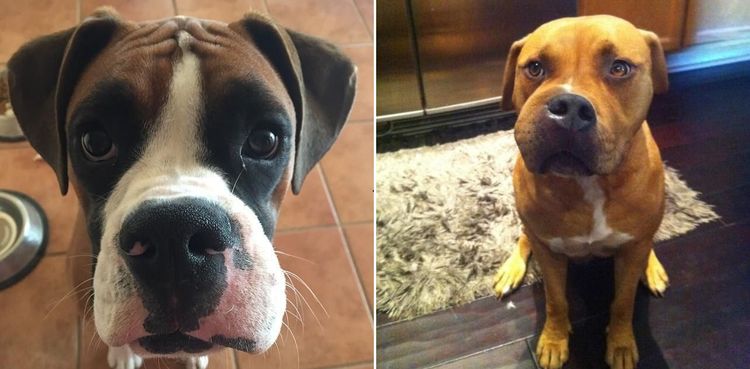
- The contours of the muzzle become asymmetrical, shifting toward the swelling. When attempting to touch the inflamed area, the pet may resist or even become aggressive.
- An unpleasant putrid odor from the mouth increases.
- The salivary glands become more active, which provokes increased salivation.
- Traces of blood or pus are sometimes visible in the saliva.
- A significant increase in temperature is possible.
- When the pathological process spreads to the nasopharynx, frequent nosebleeds occur.
- In advanced cases, loosening of teeth or their loss is observed.
Many dog owners believe that swelling and edema are a necessary symptom of gumboil. However, this isn't always the case, so the signs should be assessed holistically.
Forms of the disease
The intensity and painfulness of the process depend not only on the stage but also on its type. In some cases, not only the gums, but also the periosteum is affected, leading to residual jaw deformation and even sepsis.
Flux in dogs is divided into four stages:
- SerousCompared to others, it is considered the mildest form. It rarely causes fever, and swelling is not very pronounced.
- Acute purulentIt always causes a noticeable whitish or reddish abscess to form in the gum area. It's a complex condition, and the animal often refuses not only food but also water.
- DiffuseThis stage causes the most severe symptoms and is more often fatal. The purulent lesion is no longer localized, but spreads throughout the soft tissues and periosteum. This stage requires immediate treatment, as it can lead to sepsis.
- ChronicThis is very rare. It affects animals with weakened immune systems or other chronic conditions. The swelling subsides periodically but becomes firm. The nearby lymph nodes become enlarged.
The purulent contents can be located on the upper or lower jaw. Veterinarians believe that lower jaw localization is less dangerous. If the abscess appears on the upper jaw, the inflammatory process can involve not only the periosteum but also brain tissue. This sometimes leads to meningitis.
What to do
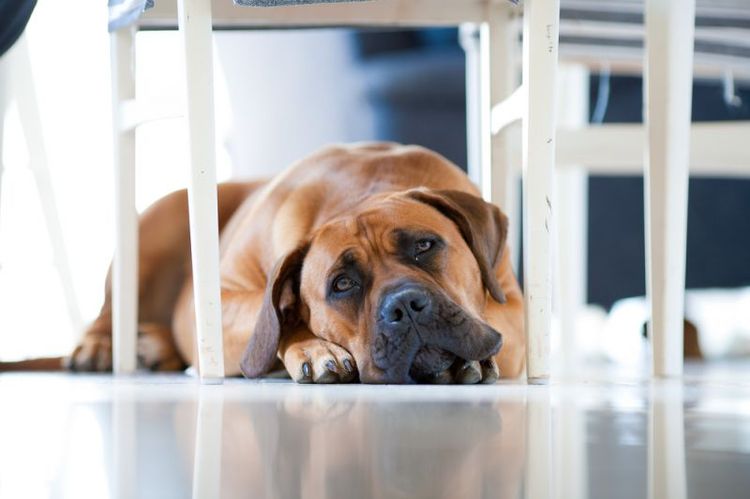
Before deciding where to treat your dog—at a veterinary clinic or at home—an examination is necessary. Sometimes, anesthesia is required to prevent unnecessary pain. If the gumboil is in its early stages, treatment can be done at home. Conservative treatments can quickly alleviate the condition. If the gumboil is in its advanced stages, inpatient treatment is necessary.
However, not everyone is capable of fully examining an animal and accurately assessing its symptoms. Since the disease can be life-threatening, it's best to consult a veterinarian for a diagnosis.
Diagnostics
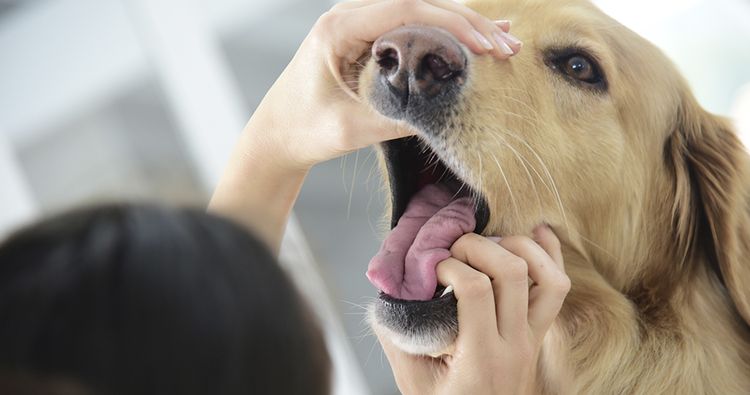
First, a thorough examination is performed, during which the veterinarian assesses the condition and symmetry of the muzzle. Then, an oral examination is performed to determine the extent and nature of the injury.
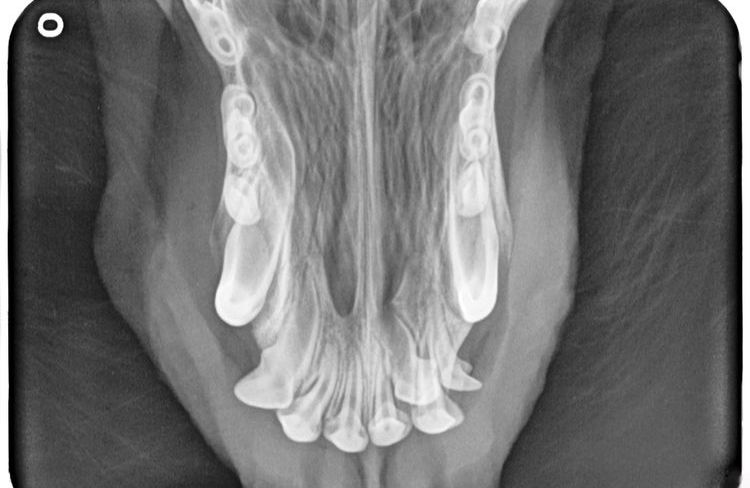
If the pathological process involves deep tissue, an X-ray of the upper or lower jaw is necessary. Sedation is often used to ensure a calm X-ray examination. The veterinarian determines the correct position for the animal's head to obtain a high-quality and informative X-ray. In most cases, the X-ray is performed with the jaw open.
Home treatment
Treatment of gumboil at home is carried out in the following directions:
- Pain relief. Even if the animal doesn't notice it, it still suffers pain.
- Reducing intense inflammation with anti-inflammatory drugs.
- Rinsing the oral cavity with antiseptic solutions.
- Taking immunostimulants to increase the body's defenses.
Pain relief is most often administered by injection, as it works more quickly. Broad-spectrum antibiotics are preferred to quickly inhibit the growth of the pyogenic bacteria that caused the gumboil and prevent the spread of the disease to adjacent tissues. Upon veterinarian recommendation, home treatment can be supplemented with detoxifiers and antihistamines.
For rinsing the mouth, use an infusion of sage, chamomile, oak bark, and calendula. Add 1 teaspoon of each to a thermos and pour in a liter of boiling water. After letting the solution sit for at least 2 hours, strain it. For rinsing, use a syringe without a needle, draw the infusion into it, and direct the flow to the affected area. This treatment is performed four times a day. It is advisable to have your pet fast for half an hour immediately afterward.
During home treatment, it's important to follow certain rules to make the recovery process easier. Food and water for a sick dog should be warm, as cold can increase pain and discomfort. Additionally, soft foods should be provided to avoid putting unnecessary pressure on the sore jaw.

Veterinarian assistance
If the abscess is considered severe, a veterinary clinic will perform surgical drainage. To do this, the animal is placed under deep anesthesia, an incision is made in the gum at the site of the abscess, and the resulting cavity is irrigated. Depending on the depth of the wound, a drain may be installed. Most often, this surgical treatment involves tooth extraction, but sometimes this can be avoided by simply performing a ultrasonic cleaning of tartar or chemical compounds. After this, home treatment continues with a course of antibiotics and rinsing the affected area with solutions.
To avoid a serious condition like gumboil, it's essential to have your pet undergo preventative dental checkups with a veterinarian. Owners of small breeds should especially strictly follow this recommendation.
Read also:


Add a comment