
Flexoprofen for cats
Flexoprofen is a nonsteroidal anti-inflammatory and antipyretic medication used in cats for chronic and acute joint diseases, as well as injuries and post-surgery. The drug effectively relieves pain and inflammation, but it should not be used without a veterinarian's prescription due to a number of contraindications and potential side effects.
Content
Composition and release form
This anti-inflammatory medication is available as an injectable solution. The clear liquid can be colorless or light yellow. It is packaged in clear or dark glass bottles. Pharmacies offer bottles of various sizes, but for cats, it's best to purchase smaller 5mL or 10mL bottles, as the dosage is calculated based on the animal's weight.
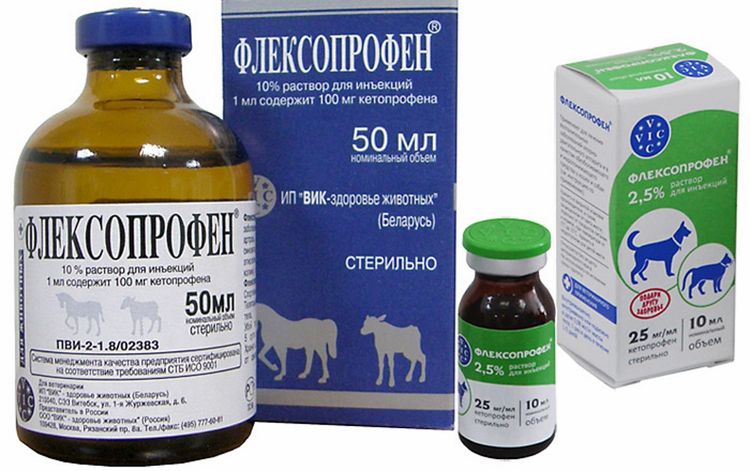
The main active ingredient is ketoprofen. Its concentration in the medicinal solution can be 2.5%, 5%, or 10%. The composition also includes the following components:
- water for injection;
- benzyl alcohol;
- citric acid.
They perform an auxiliary function; for example, citric acid improves the absorption of ketoprofen.
There are no special storage requirements for this medication, although the bottle should be kept dry and protected from ultraviolet rays. The temperature should be between 5 and 25 degrees Celsius.
Please note! When storing this medication at low temperatures (around 5 degrees Celsius), crystals may form at the bottom of the container. These crystals dissolve on their own when the liquid is heated. This does not affect the medication's properties.
How it works
Flexoprofen has the following properties:
- eliminates pain;
- relieves inflammation;
- reduces swelling;
- has an antipyretic effect.
The drug's action is due to ketoprofen. When ingested, the active ingredient blocks the production of substances involved in inflammatory processes associated with pain, swelling, and redness.
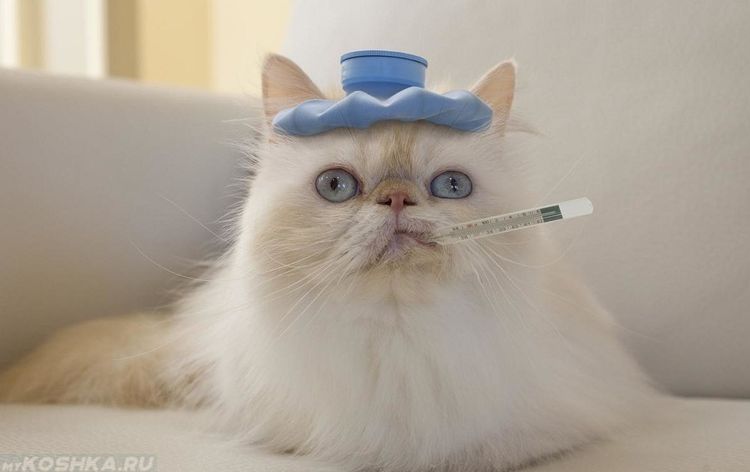
Flexoprofen's advantage is its rapid action. Ketoprofen blood concentrations reach their maximum levels within just 30 minutes after injection. Because the drug is distributed throughout the body via the bloodstream, it is effective regardless of the location of the pain. Animals absorb 85 to 100% of the drug. The drug's components are eliminated primarily through the kidneys.
Indications for use
The drug is effectively used in the treatment of chronic and acute pathologies. According to the instructions, Flexoprofen is indicated for cats for the following purposes:
- arthritis, arthrosis and other diseases of the musculoskeletal system;
- fractures, dislocations and other injuries;
- acute colic;
- pathologies that are accompanied by an increase in body temperature.
The drug is also often prescribed in the postoperative period to reduce pain and prevent swelling.
Please note! This medication is used to relieve unpleasant symptoms (pain, swelling, fever), but it cannot address the underlying cause of the condition, so it is used only as part of a comprehensive treatment plan.
Price
For cats, it makes sense to purchase only 10 ml bottles of a 2.5% solution. The price of such a bottle of Flexoprofen ranges from 270 to 300 rubles, depending on the region and pharmacy. The drug is sold in all veterinary pharmacies and many pet stores. It can also be ordered online, so purchasing it should be hassle-free.
Instructions for use in veterinary medicine
Flexoprofen is typically administered to cats intramuscularly or subcutaneously. In cases of acute pain or high fever, intravenous injections are recommended for faster onset of action.
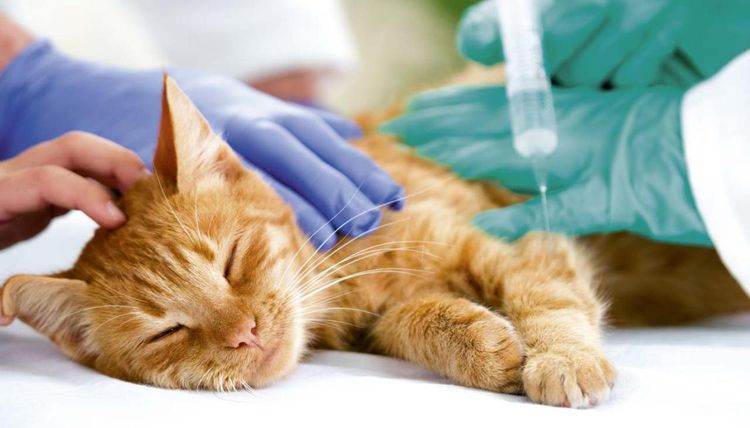
The dosage is calculated based on the pet's weight, so weigh it first. 2 mg of active ingredient is required for every kilogram of body weight. The amount of solution depends on its concentration. Typically, 2.5% Flexoprofen is used for cats. 1 ml of this solution contains 25 mg of ketoprofen, meaning it's sufficient for a weight of 12.5 kg. To avoid overdose, have your veterinarian calculate the dosage for your cat.
Injections should be administered once daily. The course of treatment can last from 1 to 5 days. It is not recommended to use the medication for more than 5 days due to the risk of side effects. Avoid skipping injections, as this may affect the effectiveness of the medication. If an injection is missed for any reason, treatment should be resumed as soon as possible. There is no need to increase the dosage.
Important points
When using Flexoprofen to treat cats, the following should be considered:
- The pain reliever should not be combined with other non-steroidal anti-inflammatory drugs to avoid overdose.
- It is not recommended to use the medicine together with anticoagulants (drugs that thin the blood), glucocorticoids and laxatives.
- Do not mix anti-inflammatory drugs with other medications in the same syringe.
- When administering medicinal solutions, observe antiseptic precautions. For injections, use disposable syringes or sterile needles (boiled for 15 minutes).
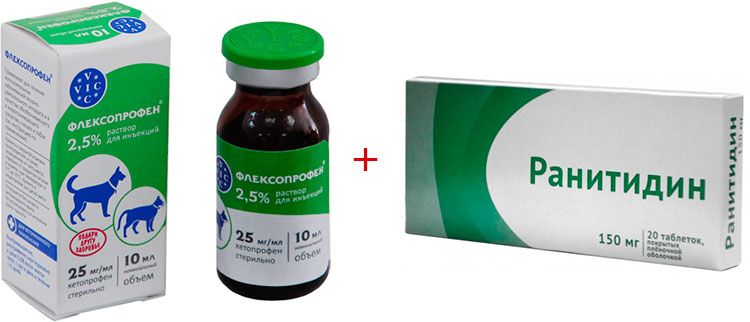
Flexoprofen can have a negative effect on the digestive system and cause bleeding, so its use is often combined with Ranitidine or other similar medications.
When handling this medication, follow simple safety precautions. After handling, wash your hands with soap and running water. Medication vials must be disposed of; using them for household purposes is strictly prohibited. If you have a hypersensitivity, wear rubber or latex gloves to avoid direct contact with the solution, which could cause a rash or other allergic reaction.
When not to use
According to the instructions, Flexoprofen for cats should not be used in the following cases:
- during pregnancy (regardless of the period);
- in case of liver failure;
- in case of renal failure;
- for problems with blood clotting;
- in case of bleeding;
- at stomach ulcer or duodenum.
Also, discontinue use if you have an intolerance to the active substance or other components. If you have chronic liver or kidney disease, consult a doctor before use. In this case, it is recommended to constantly monitor these organs' vital signs.
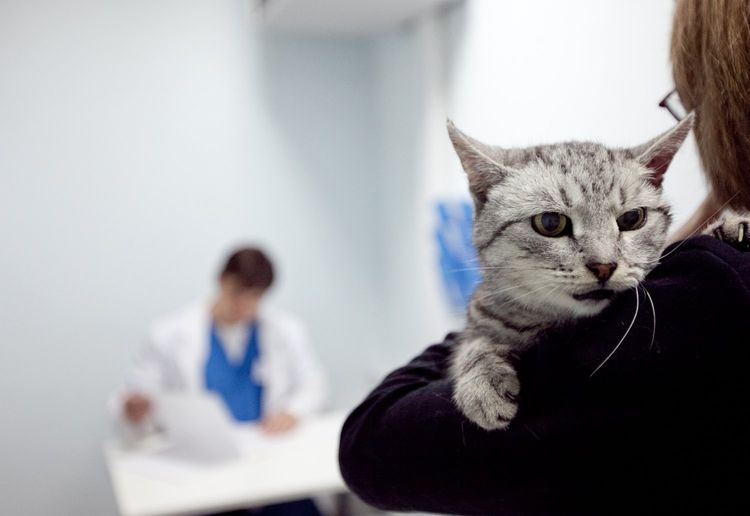
The painkiller is generally well-tolerated by animals and causes no side effects. In case of intolerance to the components, allergic reactions may occur. In this case, further treatment with the anti-inflammatory drug is discontinued and anti-allergy medications and other medications are prescribed to relieve the symptoms.
Overdose may cause the following side effects:
- nausea;
- vomit;
- indigestion;
- loss of appetite;
- refusal to eat;
- weakness.
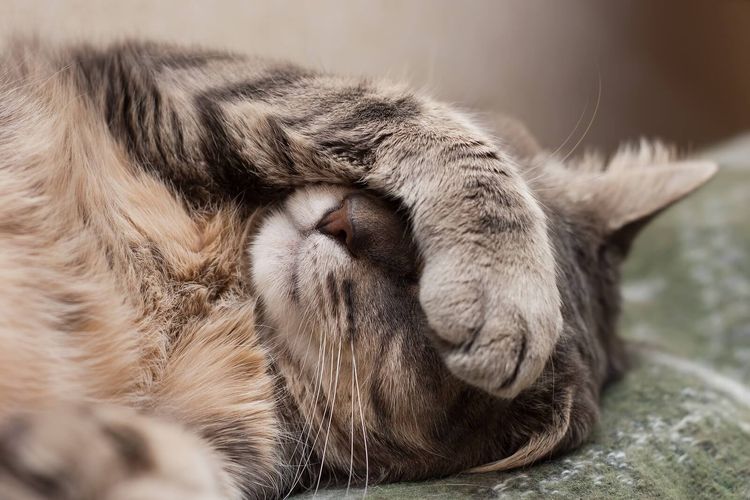
If these symptoms appear, discontinue Flexoprofen. If the animal's condition does not improve, consult a doctor.
Owner reviews
Victoria, owner of a British cat:
"When our cat contracted an infection (she had feline distemper), she developed a very high fever. The doctor prescribed Flexoprofen to reduce the fever. One injection was enough to bring her temperature back down to normal and keep it that way. There were no side effects, and Muska tolerated the medication well."
Vadim, owner of a 10-year-old cat:
"Older animals often develop joint problems. Our 10-year-old cat was no exception. The arthritis was accompanied by severe pain. His joints were swollen. He refused to even walk around the house. On the doctor's advice, we used Flexoprofen injections to relieve these symptoms. Within a week, the cat was able to run again, and the pain had subsided. It's a good medication, but the symptoms return after a while, so we repeat the course every 2-3 months."
Svetlana, owner of a Persian cat:
"When our cat was being treated for uveitis, Flexoprofen was included in the treatment plan. The medication relieved the animal's suffering. Even after stopping treatment, the pain did not return. It's a good medication, but self-medication is not recommended due to the risk of worsening health problems."
Veterinarian Reviews
Mikhail, veterinarian:
"A good anti-inflammatory and pain-relieving medication, relatively gentle compared to similar products. I've prescribed it many times for severe pain for quick relief. I sometimes use it after surgeries, too. Just one or two injections help my pet cope better with surgery and prevent complications such as inflammation and swelling."
Yana, a veterinarian with 7 years of experience:
"I've been using Flexoprofen in my practice for a long time because I think it offers a good price-quality ratio. It's one of the few domestic medications I trust. I've never had any side effects. Cats generally tolerate injections well if the dosage is calculated correctly."
Read also:


2 comments
Andrey
After two applications of Flexoprofen, our pet began vomiting. Further use caused gastrointestinal inflammation, food refusal, persistent vomiting, and dehydration.
Elena
Caution! Flexoprofen!
My cat was poisoned, developed a high fever, and lay down and wouldn't get up. The veterinarian ran all the tests and did an ultrasound. They found nothing. Even though I reported poisoning, they prescribed Flexoprofen, which causes gastrointestinal bleeding. It's prescribed with or without reason. Owners, be careful, don't give your pets this medication if you don't want to lose them!
Add a comment