
Bouvier des Flandres (cowhound)
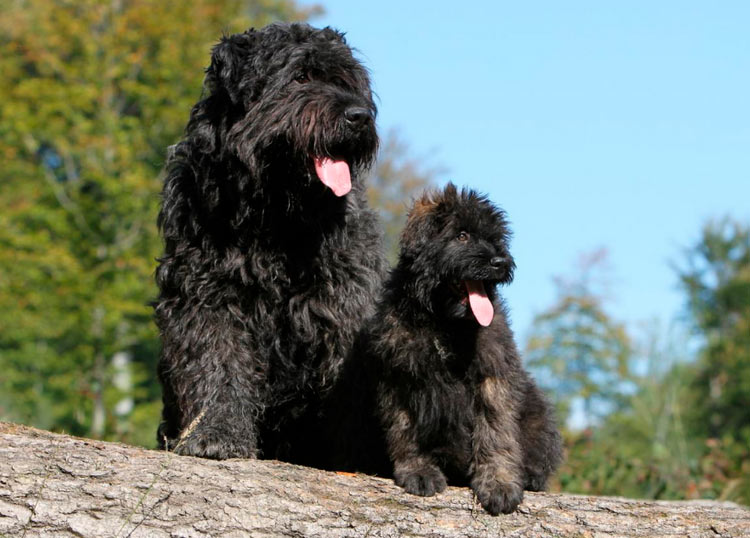
The Bouvier des Flandres is a large and strong dog. shepherd dog With an excellent exterior and working qualities. The French name of the breed, Bouvier Des Flandres, translates as "cowherd from Flanders." In the Netherlands, the breed is also known as the vuilbaard, or "dirty beard." The Bouvier des Flandres is an intelligent, hardy, loyal companion and a reliable guard dog for both adults and children.
Content
History of origin
The origins of the Bouvier des Flandres, like those of many other working breeds, can only be guessed at. It is believed that dogs of this type developed naturally in Flanders but were "polished" by farmers who selected puppies for their character and working qualities.
In the past, the Bouvier des Flandres had many names: cow dog, cow herder, dirty beard. The modern name "Bouvier des Flandres" only appeared in the 20th century.
Apparently, the Bouvier's ancestors were large European shepherd dogs: Belgian Laekenois, briard, Picardy Shepherd, and also Dutch WirehairThe Bouvier's appearance was likely also influenced by the Flemish climate, characterized by high humidity and windiness. Until the early 20th century, the dogs' appearance was not given much importance. In 1894, A. Reul, a professor at the Belgian veterinary school who studied local shepherds, identified five types, one of which was the so-called cowdog—the prototype of the modern Bouvier. Flemish shepherds were first shown at an exhibition in Brussels in 1910. In 1912, a standard was developed. An updated version was adopted in Belgium in 1923. In 1995, the Bouvier des Flandres breed (French: Bouvier des Flandres) was officially recognized by the FCI, and standard No. 191 was published.
Purpose
The Bouvier des Flandres is a virtually universal dog. Originally, it was used as a farm dog, a guard dog, a livestock herder, a porter, and a draft dog. During World War I, it was used to evacuate the wounded from the battlefield and deliver various supplies. Today, the Bouvier is primarily a companion and family dog, a watchful watchdog, a guardian of territory, property, or a bodyguard. Its keen sense of smell, balanced character, and trainability make it suitable for use as a bloodhound for police work at customs. It is suitable for herding, not as a cattle dog, but as a guard and follower, capable of locating lost livestock. The Bouvier can also be found among guide dogs. It is also suitable for sports, the most suitable disciplines being: agility, obedience, canicross.
Video about the Bouvier des Flandres (cowhound) dog breed:
https://youtu.be/AZIwke83wbQ
Appearance
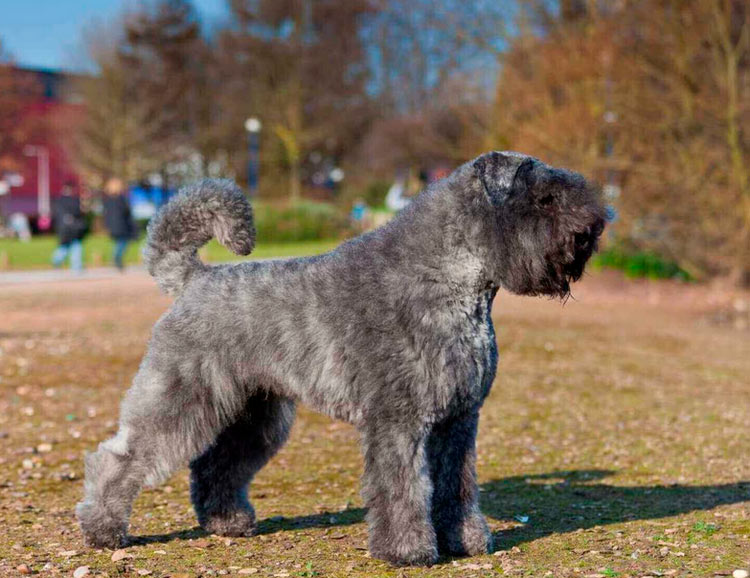
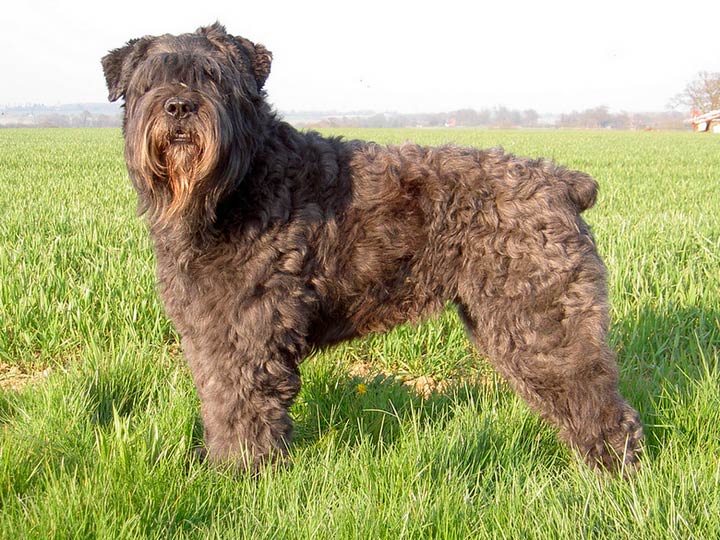
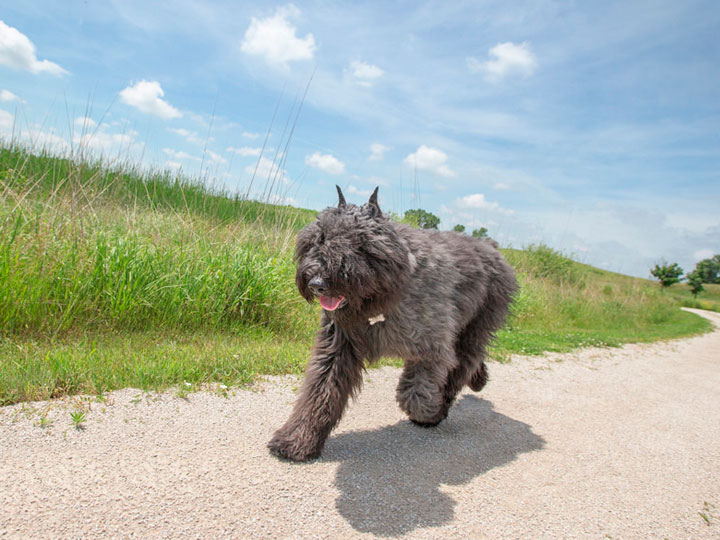
The Bouvier des Flandres is a large dog with a thick, wiry coat of medium length and a strong, compact, and proportionate build. Its appearance should convey endurance, strength, and energy. Males stand 62-68 cm at the withers and weigh 35-40 kg. Females stand 59-65 cm at the withers and weigh 27-35 kg.
The skull is well developed, broad, and flat. The axes of the skull and muzzle are parallel. The head is massive and proportionate to the body. The muzzle is large, bony, and powerful, with a deep gaze. The stop is slightly defined. The nose is rounded and black, with well-opened nostrils. The eyes are oval, as dark as possible in relation to the coat. The eyelids are black. The ears are traditionally cropped into a triangle. In the natural state, the ears are set straight and high, with the auricle falling vertically, not rising above the topline of the skull. The whiskers are stiff, thick, and formed by short, dry hair. The eyebrows accentuate the superciliary ridges.
The ears and tail of the Bouvier des Flandres can be cropped short, but today, due to the ban on docking in many countries, it is increasingly common to see dogs with ears and tail of natural length.The neck is muscular and strong, slightly shorter than the head. The body is short and strong, with a broad, short back. The ribcage reaches to the elbows. The loin is wide and short. The croup is wide and horizontal. The tail is docked short, leaving 2-3 vertebrae, and is set in line with the back. The forelegs are straight, the hind legs are powerful, moving in the same plane as the forelegs, with wide, muscular thighs. The paws are rounded and well-knit.
A well-groomed and brushed Flemish Bouvier may appear soft and fluffy on the outside, but in reality its coat is firm, dry and harsh to the touch.
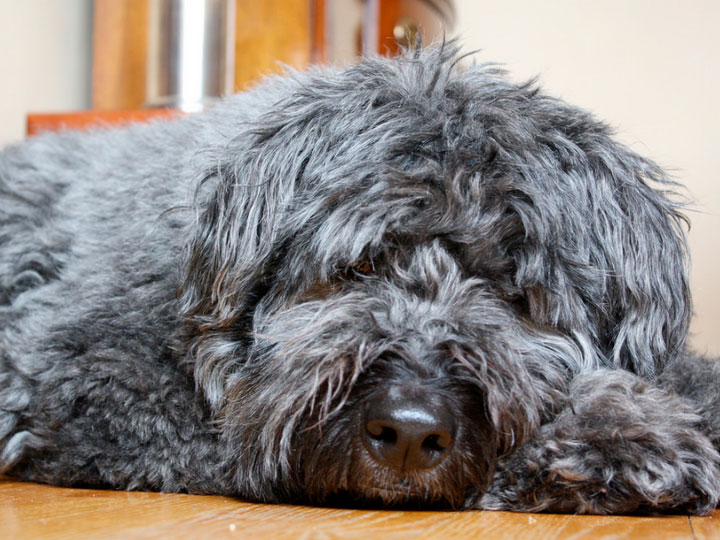
The coat is very abundant. The outer coat is coarse, dry to the touch, matte, medium length (about 6 cm), slightly tousled but not curly. The undercoat is very well developed. The hair on the head is shorter, very short on the outer edges of the ears. Color: gray, brindle, or black. A white spot on the chest is permitted.
Character and behavior
The Bouvier des Flandres is a balanced, strong, and reliable guard dog, alert and fearless, capable of defending, quick reflexes, and a tendency toward dominance. Generally calm, the Bouvier is a leader among other animals, but not aggressive. Very devoted to its owner, it strives to always be close, but will not become subservient.
He chooses his own master among all family members, but this doesn't mean he ignores the others. He loves everyone in his "pack" and is willing to give his life for each, but he only listens to the opinion of one. He shows great patience for children's pranks and happily joins in on their games. The Bouvier considers children his most valuable possessions; not only will he not harm a child, but he will also ensure they don't climb anywhere or stray beyond the designated territory.
The Bouvier des Flandres is very active and alert. Even when sleepy and relaxed, it can instantly awaken and begin guarding. Without special training, the Bouvier will select its target and keep a close eye on it. It always tries to take a strategically advantageous position, usually on high ground. When its owner notices it, it immediately drops everything it's doing and is ready to join in. It maintains a playful and cheerful disposition throughout its life. Its docile, docile nature makes spending time with the Bouvier pleasant and hassle-free. On walks, these dogs are energetic, but will not stray far or seek adventure. They are wary of strangers and wary of allowing strangers near their owner.
The Bouvier is a godsend for those who need a reliable guard dog that is strong, fearless, and balanced, who is also easy to train, loves to play, and obeys its owner well.
The Bouvier is not aggressive in guarding duties. If someone encroaches on its territory or property while its owners are away, it will welcome the intruder but not let them out, ordering them to remain quiet until the owner returns. It barks rarely and only when necessary. It will not drool or tear anyone to shreds.
Education and training
The Bouvier des Flandres is relatively easy to train, but it's important not only to teach the puppy basic commands, but also to raise it properly, emphasizing socialization. The breed isn't the best choice for beginners or those with a gentle nature. The owner must become the dog's leader, working with moderate sternness, being consistent and demanding, but not aggressive. A Bouvier cannot be subdued by force. He's not stupid, but he does have a desire for independence and a touch of stubbornness. If the dog decides that something isn't right, it won't change.
One of the most important aspects of training a Bouvier is earning the dog's love and trust. Otherwise, its proud nature will be difficult to overcome.
The Bouvier isn't prone to unquestioning obedience. Everything he does is done solely out of love for his owner. He may ignore some commands or requests, but he almost never behaves unpredictably.
Content Features
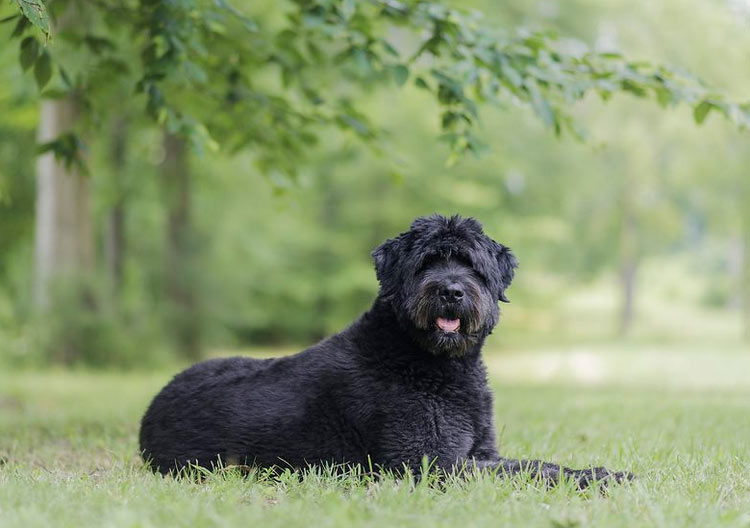
The Bouvier des Flandres is not the best choice for an apartment. A house with a yard, even a small one, would be preferable. Outdoor or kennel-based living is possible, but not recommended. Chained dogs are unacceptable. Owners should remember that this is not only a guard dog, but first and foremost a companion dog that requires good socialization, regular attention, and walks, even if it lives in a yard. A lack of attention and exercise can seriously damage a Bouvier's character.
Provided with sufficient exercise, the Bouvier will be a calm dog in the home. At a young age, boredom and curiosity can cause damage. It rarely causes allergies and doesn't have a strong odor when properly groomed. Shedding is minimal with regular trimming and brushing.
The Bouvier des Flandres is a relatively calm dog that adapts to its owner's lifestyle and prefers to do the same as its owner. However, it would be wrong to accustom a Bouvier to the life of a lap dog. By temperament and physical characteristics, it is a strong, energetic, and resilient dog that requires intense exercise. It makes an excellent running companion, but not before 7 months of age. Without work, it becomes bored and loses shape. It is excellent if you can find an activity that both owner and dog enjoy, such as sports, guard or search service, agility, or canicross. In many disciplines, the Bouvier successfully competes with other dogs. German Shepherds and Malinois.
Care
A well-groomed Bouvier always evokes admiration from passersby and pride in its owner, but maintaining a neat appearance requires regular grooming. The coat is thoroughly combed once a week. It's important to accustom the dog to this procedure from an early age to avoid encounters with a shaggy animal growling at the comb. Frequent bathing is not required. Bathing is recommended as needed, several times a year. Show dogs are more challenging. Trimming should emphasize the natural contours of the body; the coat should not be overcut, as this disrupts the natural, coarse appearance and damages the hair structure. Bouviers are traditionally trimmed with a stripping knife with the longest teeth. Regularly using it as a comb can easily maintain the hair length specified in the standard—5-7 cm. Thinning scissors are used to trim the coat on the chest and legs. The brushes between the toes and pads are trimmed, creating a rounded paw. Particular attention is paid to head trimming. The grooming should emphasize the dog's fierce appearance while maintaining its rugged appearance. The hair is trimmed short on the outside of the ears, forehead, and top of the skull. The whiskers, forelock, and beard are not trimmed, only trimmed.
Pay regular attention to the dog's eyes and ears. Clean as needed. Regular cleaning is recommended. brushing teeth and trimming nails as they grow. When feeding homemade food, you'll also need to ensure the dog's face is clean. Wash the dog after each meal.
Nutrition
Bouviers are generally not picky when it comes to food. They adapt quickly to the type of food and routine offered. The owner chooses the most convenient option: dry prepared food or homemade food. In the first case, the food is selected based on the dog's age and size. A natural diet should include meat and offal, poultry, fish, eggs, as well as grains, vegetables and fruits, with fermented milk products given as tolerated. The daily ration is usually divided into two meals: one-third is fed in the morning, the rest in the evening. Growing dogs need animal protein at a rate of 40 g/kg of body weight, adults 15-20 g, and seniors 10 g. The diet is periodically supplemented with vitamin and mineral supplements. Bouviers rarely suffer from allergies or intolerances to specific foods.
Health and life expectancy
The Bouvier des Flandres is a healthy breed, characterized by robustness and good health. Physical development is slow, and dogs reach full maturity at two to three years of age. Life expectancy is typically eight to ten years. Hereditary diseases have been identified in the breed, but they are relatively rare:
- hip dysplasia;
- epilepsy;
- eye problems (progressive retinal atrophy, cataract);
- elbow dysplasia;
- hypothyroidism;
- lymphosarcoma;
- ovarian cysts.
To maintain the good health of the Bouvier des Flandres, it is necessary to adhere to the vaccination and parasite treatment schedule, provide the dog with the necessary physical activity, proper nutrition, and good care.
Choosing a Bouvier des Flandres puppy
The recommendations for choosing a Bouvier des Flandres puppy are no different from those for choosing a puppy of any other breed. First of all, don't rush into things and rely on unverified information. It's important to learn as much as possible about the breed, research the population in your city, country, and around the world, read the standard multiple times, attend several shows, and talk to breeders and owners.
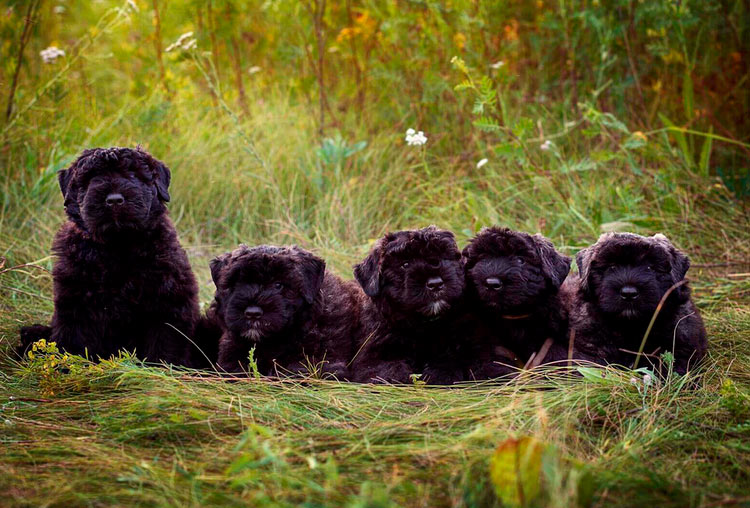
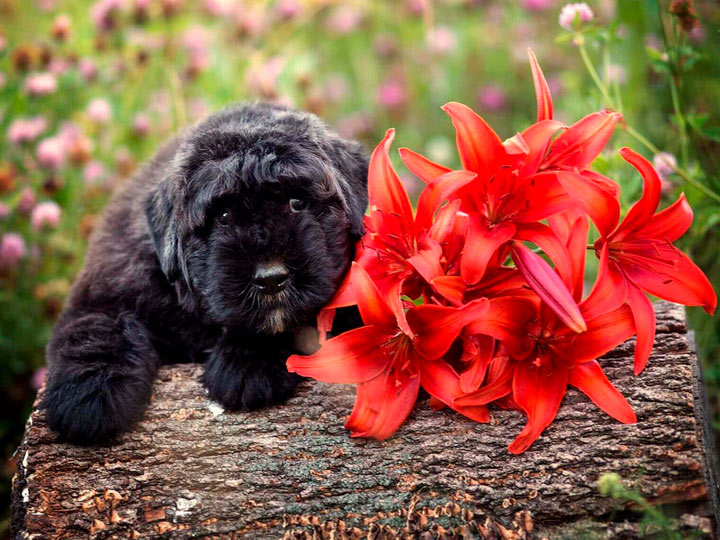
Choosing a puppy begins with choosing a kennel or breeder. It's important to ensure the breeding stock is high-quality, the dogs have earned high show scores, and the owners have excellent personalities. They pay attention to the dogs' living conditions, diet, exercise level, and the opportunity for ample free movement. Puppies are assessed for compliance with the standard, or the breeder is trusted to do so. As early as 2-3 months old, the puppies' appearance shows the makings of a fearless, strong dog with a broad, straight back, a strong chest, a large head, and a thick coat. The puppy should walk confidently with its tail held high, and be curious and friendly. Puppies are usually adopted at 2.5-3 months of age.
The only proof of a Bouvier des Flandres puppy's pedigree is the tattoo and puppy card, which is later exchanged for a pedigree. Each puppy must also have a personal veterinary passport with a record of veterinary and preventive treatments.
Price
The price of a Bouvier des Flandres puppy depends on many factors. In Russia, a puppy from a kennel costs an average of 50,000 rubles. The parents' achievements, gender, and prospects for the puppy are all important factors. Since the breed is not commercially available, it's rare to find ads for puppies without papers. They are usually immediately noticeable by their low price—10,000-15,000 rubles. Mixed breeds, as well as dogs of unknown origin that resemble Bouvier puppies and are sold under that name, cost no more than 5,000 rubles.
Photos
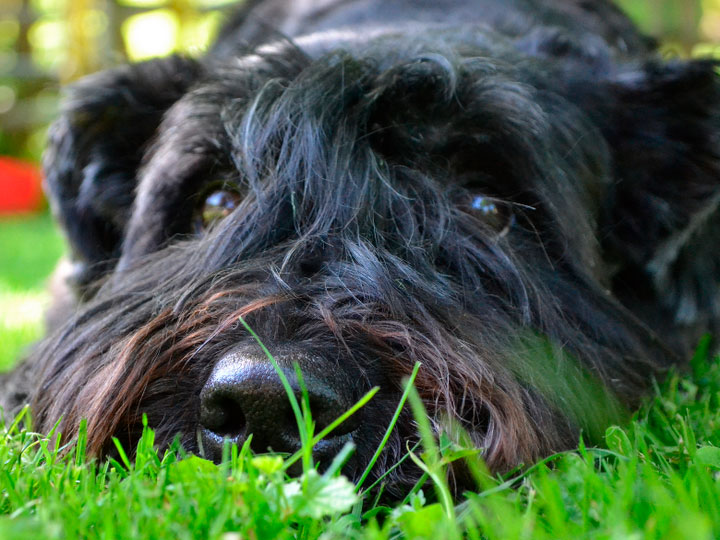
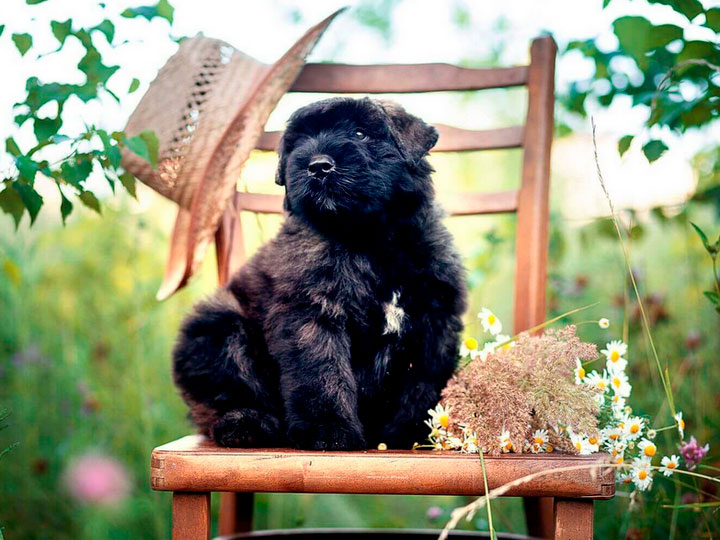
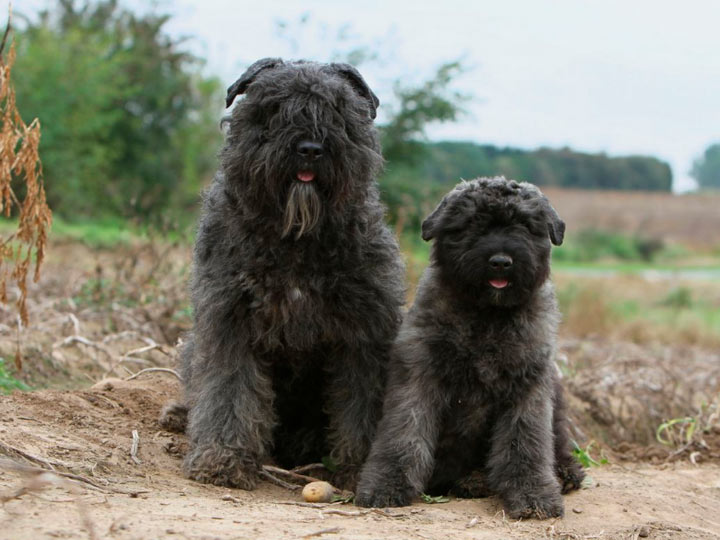
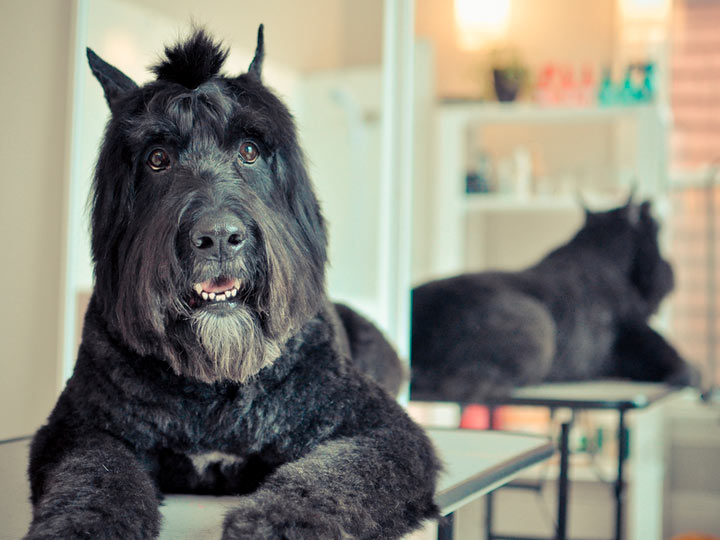
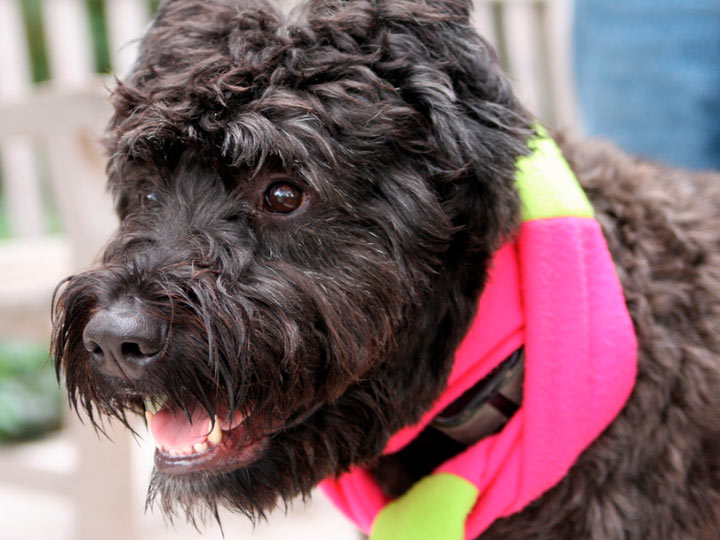
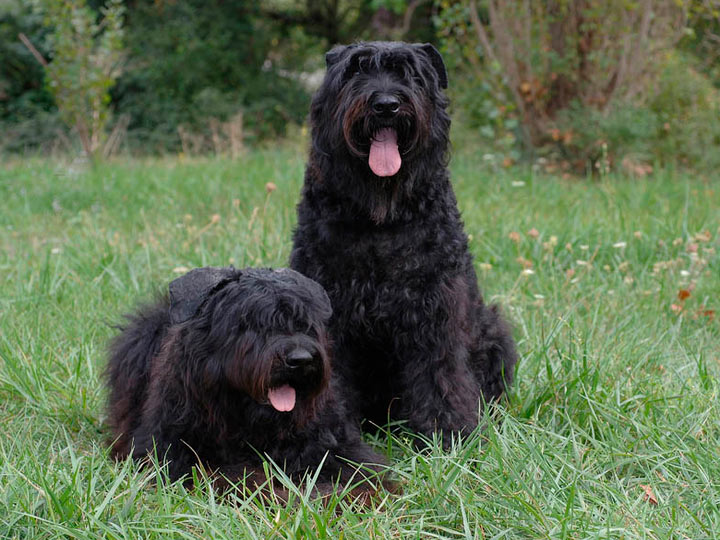
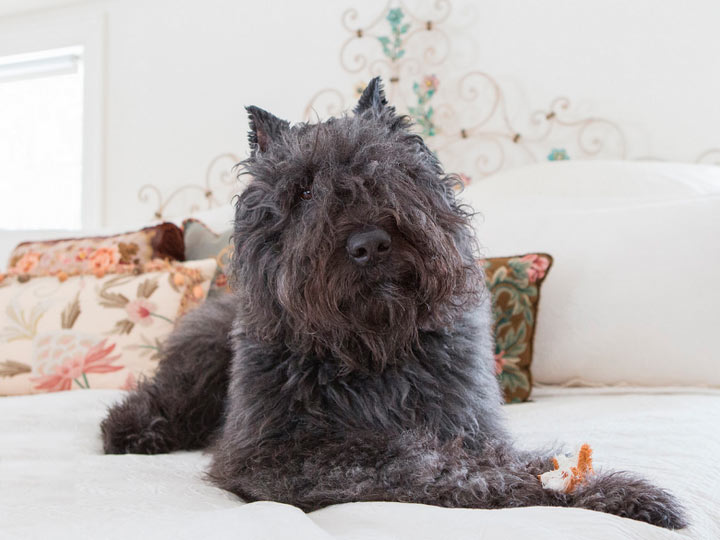
The gallery contains photos of puppies and adult dogs of the Bouvier des Flandres (cowhound) breed.


Add a comment