
European Shorthair (Celtic cat)
European Shorthair (Celtic cat) The Cat may look a bit plain compared to other "designer" breeds, but it's precisely its naturalness and organic forms that make it so appealing. They also have a typical feline personality and are completely low-maintenance. We've prepared a breed description, photos, an overview of all the character traits and care guidelines for this cat, and much more.
Content
History of origin
European Shorthairs have lived in Europe for centuries. They were unremarkable stray cats, independent and self-sufficient, prized for their hunting abilities and lived primarily on farms. Like most modern breeds, European Shorthairs are considered direct descendants of the African wildcat. By the time of the Roman Empire, already domesticated, they had spread throughout northern Europe.
With the development of felinology, many breeders and enthusiasts began searching for suitable material to create a new breed. In the 19th century, breeders in England, Denmark, France, Germany, Sweden, and other countries noticed that many shorthaired farm cats (as they were then called) had a similar type and temperament.
It's hard to say who came first today; work to create a new breed began actively, and in several directions at once. In Sweden, European shorthaired cats were called domestic, in France and Germany, they were called Celtic, and the British completely abandoned the original type. By infusing Persian, Chartreux, and several other breeds, they created the British Shorthair. American breeders decided to follow a similar path and also created an aboriginal breed—the American Shorthair.
Enthusiasts in European countries fought for a long time for the breed's recognition, and it wasn't until 1982 that a standard was developed. The European Shorthair was officially recognized by FIFE and awarded championship status. The WCF commission also paid attention to these cats, although they registered the breed under a different name: the Celtic Cat.
Video review of the European Shorthair cat breed (Celtic cat):
Description of the breed
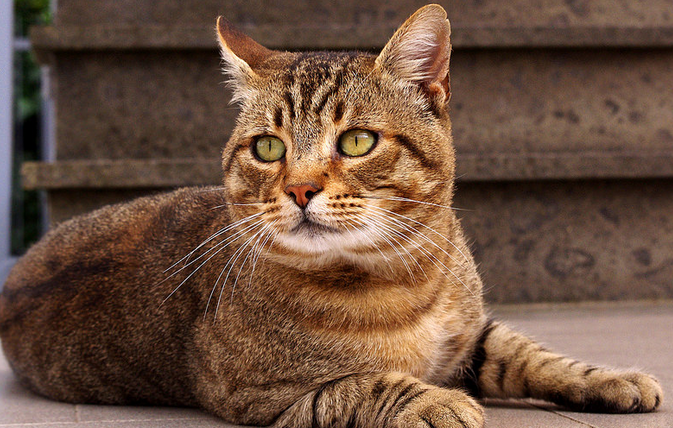
Let's move on to a description of the European Shorthair cat breed (Celtic cat). These cats are quite massive, with a strong build and well-developed muscles, medium to large in size, weighing from 4 to 8 kg. Sexual dimorphism is pronounced: female cats are slightly smaller than male cats.
Head and muzzle
The head is rounded and broad, slightly longer than wide. The nose is medium in length and straight. Viewed from the side, there is a moderate stop from the forehead to the nose. The ears are medium in size, set fairly wide apart; they are wide at the base and slightly rounded at the tips, and may have tufts. The ears are set almost vertically, and their height should be approximately equal to the widest part of the shell.
The eyes are round, wide open, and set well apart at a slight angle. The iris can be any color, but it should complement the coat color. The limbs are strong and powerful, medium in length, tapering evenly to dense, round paws. The tail is not too long, wide at the base, and tapers to a rounded tip.
Body, paws, tail
The body is medium-sized, flexible, and muscular. The chest is well-developed and rounded. The limbs are medium in length, strong and proportionate to the body, tapering to firm, rounded paws. The tail is wide at the base and of normal length.
Coat and colors
The coat is short, very thick and dense, shiny, not too soft to the touch, with a well-developed undercoat. A wide variety of colors are acceptable; natural colors are preferred. Chocolate, cinnamon, lilac, and fawn (even when part of a combination of tabby, tricolor, or bicolor) as well as acromelanic colors are not permitted.
Any signs of crossbreeding with other breeds are considered faults in the European cat. It should retain the typical domestic cat type that developed naturally and be free of any crossbreeding.
Character
The European Shorthair is a fairly independent cat and values its personal space. It's unlikely to be forced into interaction. While attached to its owner, it won't overtly display its affection, offering constant cuddles or following its owner around the apartment wagging its tail. It accepts affection only when it wants and only from trusted family members. It's receptive to visits from guests and dislikes strangers, but it won't be aggressive either, preferring to retreat to a secluded, quiet place.
Celtic kittens are very active and require a lot of attention. They become bored when left alone and often find distractions that their owner may not appreciate. As they mature, they become calmer and more sober, requiring less attention and happily left alone for extended periods. However, they retain their curiosity and are occasionally playful, like kittens. These cats get along well with children, but this doesn't manifest itself in shared play; they prefer to maintain a safe distance.
Celtic cats have a strong nervous system and a high level of intelligence. They get along well with other cats and dogs, and are sociable and non-confrontational. However, living with small animals is dangerous; rodents, birds, and fish are always potential prey.
Maintenance and care
European Shorthairs can be kept in an apartment, but given their personality and needs, a private home with easy access to the outdoors is ideal. They rarely cause problems indoors; they are neat, clean, and adapt quickly to a family's routine. The Celtic cat makes an excellent pet for people who are willing to be on equal terms with their cat, as well as for those who work long hours but want a furry, loving companion at home. A European Shorthair will not suffer unnecessarily when alone, much less misbehave out of boredom or sadness.
The European cat doesn't require much attention. Its short fur doesn't tangle easily, so owners only need to brush it occasionally to remove loose hair and make house cleaning easier. Cats are quite capable of grooming themselves.
A full bath is only necessary in extreme cases or before a show. The cat's eyes and ears are cleaned as needed. The condition of its teeth is monitored. Whether to trim its claws is a personal decision for each owner. This is convenient for an apartment-dwelling cat, but if the pet goes outside, it's best not to trim its claws for its own safety.
Diet
European Shorthairs are not picky eaters, and there are no specific dietary recommendations. It should be healthy and balanced, high in protein and low in fat and carbohydrates. If a natural diet is preferred, the majority (60-70%) should be raw, frozen, or scalded meat. The remainder should consist of equal amounts of cereals, vegetables, and fruit. Cats should be fed sea fish fillets and fermented milk products once a week.
You can also choose dry food or canned food, which will make life much easier for the owner. It's best to choose ready-made premium or super-premium diets. These maintain the correct balance of proteins, fats, and carbohydrates, and contain all the necessary vitamins and minerals.
The following foods are ideal for European Shorthairs:
- Hills Feline Adult Chicken/Tuna/Rabbit/Lamb is a complete food for healthy adult cats.
- Pronature Holistic Turkey & Cranberries Complete, balanced food with turkey and cranberries for cats aged 1 to 10 years.
- RC Fit is food for adult active cats without special needs.
- 1st Choice FINICKY – for adult cats with normal activity, the most attractive tasting formula.
- Bosch Sanabelle Adult Ostrich is food for adult cats with ostrich meat.
- Arden Grange Adult Fresh Chicken & Rice – food for adult cats with fresh chicken and rice.
Health
European Shorthair cats enjoy exceptional health, thanks to centuries of natural selection. No genetic diseases or predispositions have been identified. However, this doesn't mean their health should be neglected. Cats require preventative vaccinations and ectoparasite treatments, as well as deworming two to three times a year, especially if they roam freely outdoors and enjoy the occasional mouse.
Average life expectancy is 14 years.
Choosing a kitten and price
Choosing a European Shorthair kitten requires great care. Up to six months old, they are virtually indistinguishable from ordinary kittens, a fact often exploited by unscrupulous individuals. All reputable catteries belong to breed clubs. They must register their kittens with such organizations and sell them with a birth certificate, a document that the new owner can exchange for a pedigree. If you have any doubts about the pedigree or the authenticity of the documents, you can contact the club for information on the registration of the parents and kittens.
Today, European Shorthair cats are not uncommon, but not in all countries. They are especially popular in Finland, Norway, Sweden, and Denmark. There is a cattery in Slovenia and several breeders in Minsk and Vitebsk (Belarus). In Russia and other CIS countries, cats of this breed are not found. Apparently, they were not popular due to their resemblance to ordinary cats.
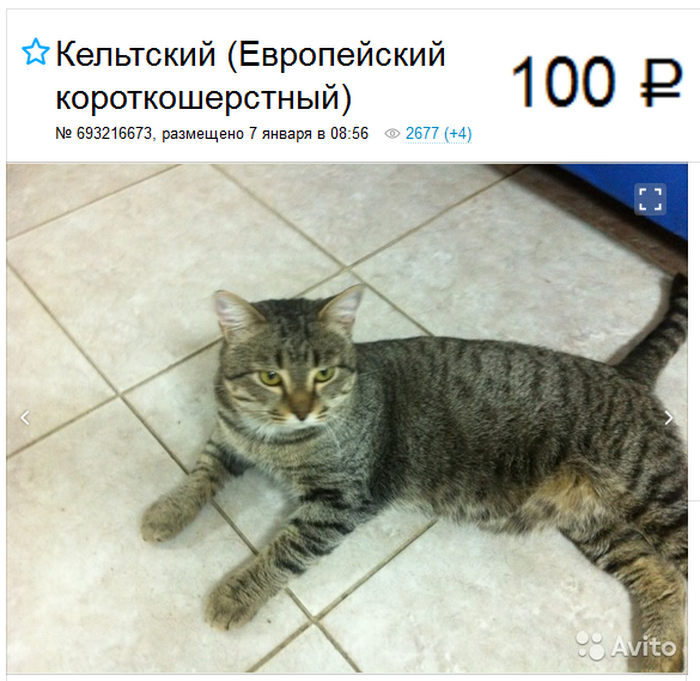
Despite this, you can find numerous ads online for the sale of Celtic cats, but with rare exceptions, these are ordinary stray kittens priced at 50-100 rubles, which are considered part of the breed out of respect or for advertising purposes.
Photos
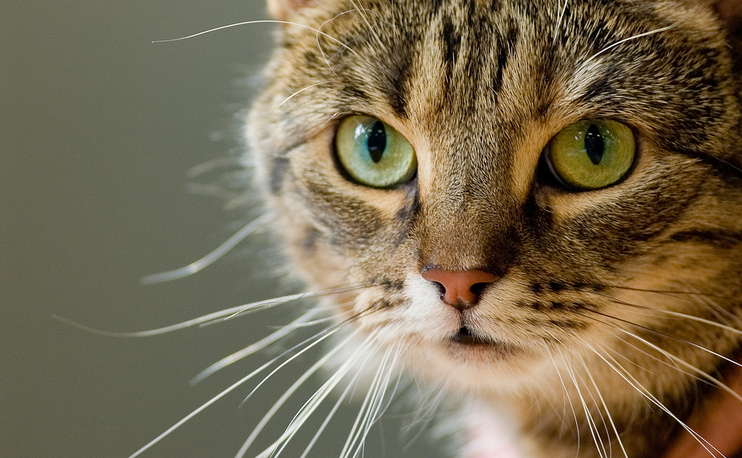
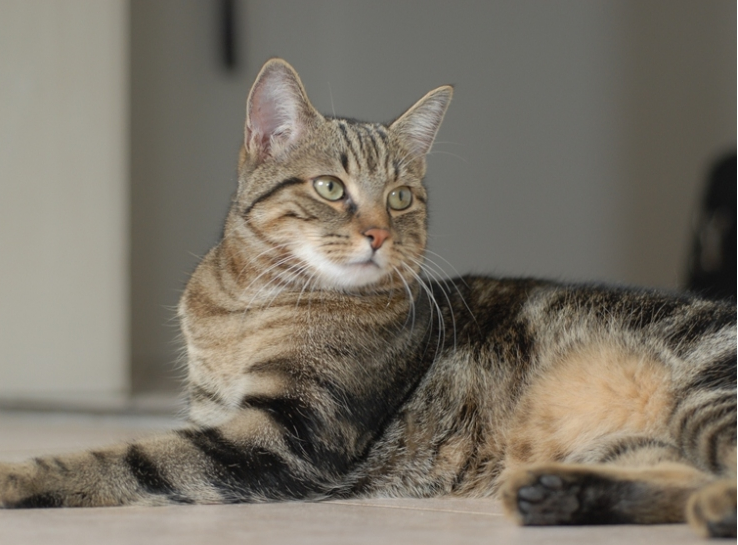
Photos of European Shorthair (Celtic) cats:
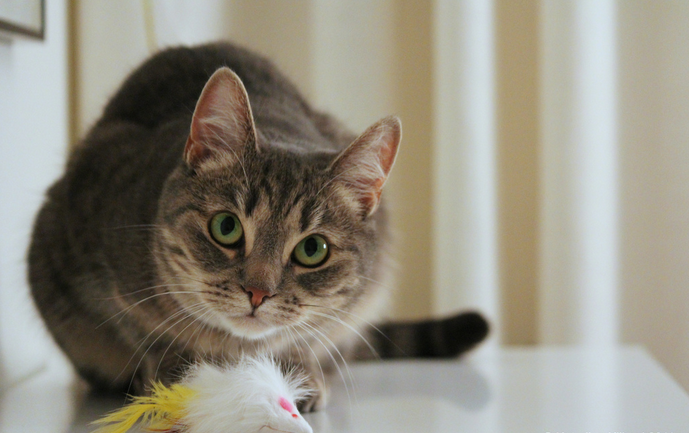
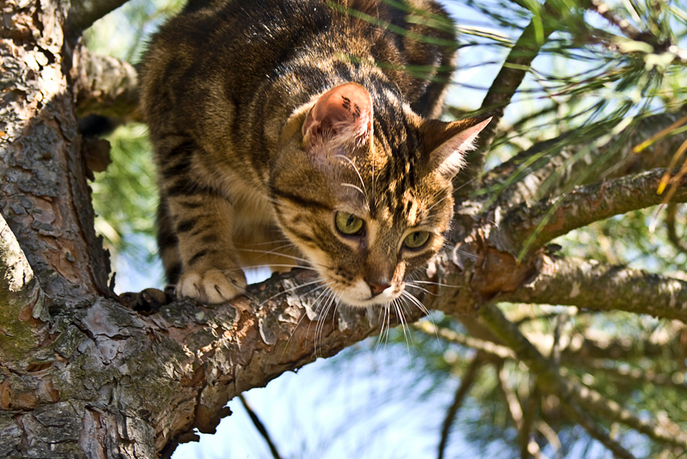
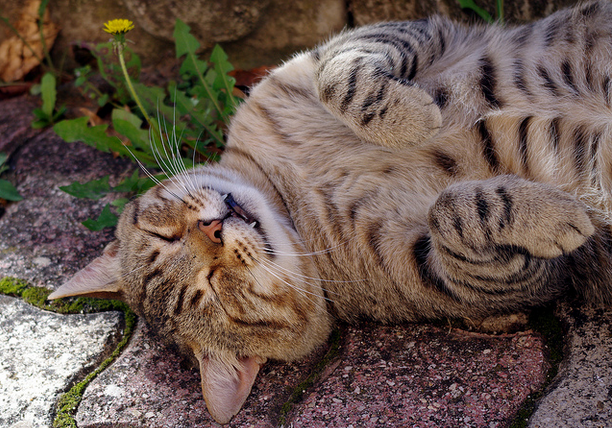
.png)
Read also:


Add a comment