
Eurasier (Eurasian dog, Eurasier)
The Eurasier is a young dog breed with an attractive appearance and all the qualities of a companion: cheerful, hardy, sociable, active, loyal, unobtrusive, and protective. Other names for the breed include the Eurasian Dog and the Eurasier.
Content
History of origin
The history of the Eurasier not only tells the story of the breed's origins, but also provides a better understanding of the character and temperament of these dogs.
The Eurasier dog breed was bred in Germany in the 60-70s of the 20th century.
In 1949, Austrian scientist Konrad Lorenz wrote in his book "King Solomon's Ring" that all domestic dogs can be divided into two types. The first are distrustful of strangers, form strong bonds with only one person, and are difficult to train. The second are easy to train and good-natured to everyone around them. Lawrence further explains that as a result of mating chow-chow And German Shepherd He produced puppies that combined the best qualities of both types. He described their temperament and behavior in his book "Man Finds a Friend" (1954).
The main population of Eurasians is concentrated in Germany, but the dogs are rapidly spreading throughout Europe and gaining popularity in the United States.
Nobel Prize winner Laurenz's theory of ideal dogs attracted the attention of Julius Wipfil, who, in the post-war years, acquired a four-legged companion possessing exceptional loyalty and intelligence. After the dog's death, Wipfil was unable to find a replacement. Soon, on the advice of his wife, he began developing his own breed in collaboration with Charlotte Baldamus, owner of the Jägershof kennel. The basis for this breed was Wolfspitz and red and black chow chows. The mixed breeds were given blood SamoyedsIn the early 1970s, biologist Werner Schmidt joined the breed's founders. In the 1980s, the breed received its official name, Eurasier, and with it, international recognition.
Video about the Eurasier dog breed:
Appearance
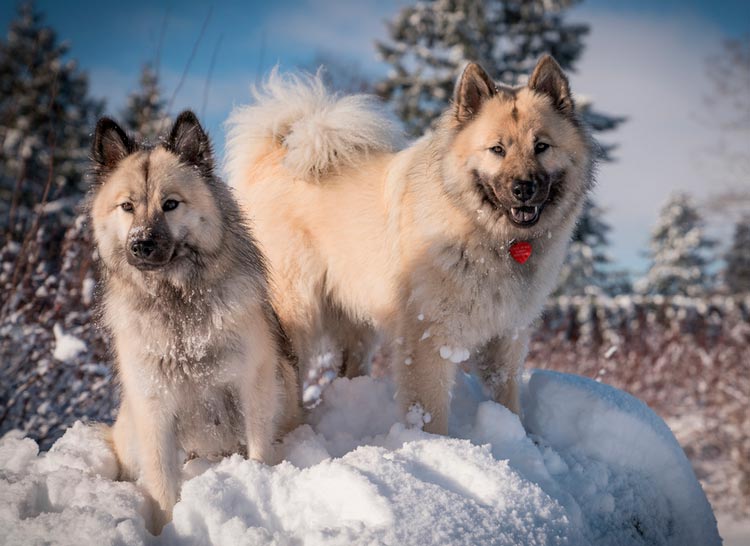
The Eurasier is a well-balanced, stocky, medium-sized dog of the Spitz type with a very dense coat. Males stand 52-60 cm at the withers and weigh 23-32 kg. Females stand 48-56 cm at the withers and weigh 18-26 kg.
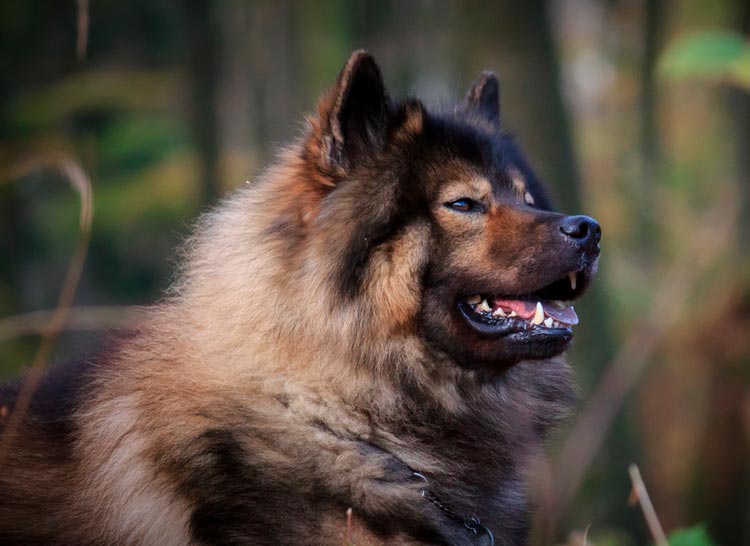
The head is wedge-shaped. The skull is broad, the occiput is clearly defined, and the toplines of the skull and muzzle are parallel. The forehead is flat with a well-defined furrow. The muzzle tapers slightly toward the nose, but is not pointed. The cheeks are weakly defined. The ears are medium-sized, triangular in shape, erect, with rounded tips. The eyes are medium-sized, dark, and slightly slanted. The eyelids are well pigmented. The nose is black and medium in size. The lips are black and hard. The jaws are wide and strong. The teeth are complete, with a scissor bite.
Due to its close relationship with the Chow Chow, the Eurasier's tongue may also be solid dark blue or have dark spots.
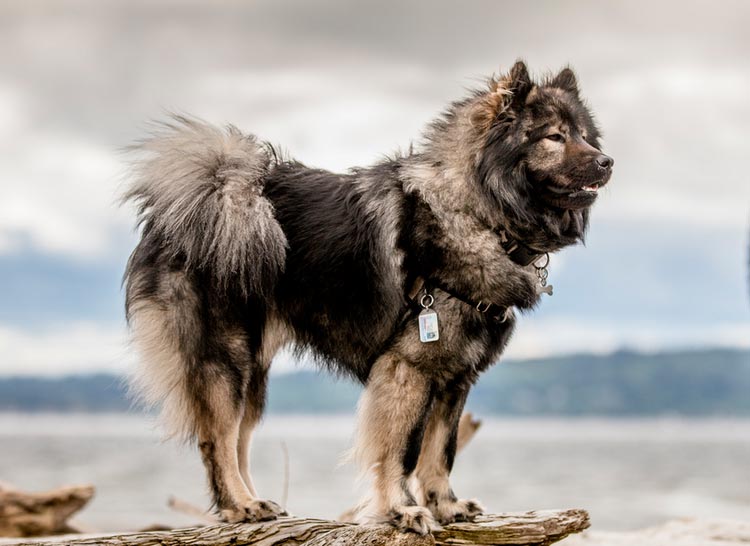
The neck is muscular and medium in length. The topline is straight with a well-defined withers. The chest is deep. The body is slightly longer than tall. The loin is long, wide, straight, and strong. The tail is thick, straight, and bushy, tapering to a tip and may be slightly curved or carried over the back. The limbs are straight, parallel, and long. The paws are oval, with slightly arched toes set close together. The pads are dark, and the nails are hard and dark.
The Eurasier's coat is medium-length, very dense, with a well-developed undercoat. It is short on the ears, muzzle, and front of the legs. It forms feathering on the back of the legs and tail, and a small mane forms on the neck. The coat can be almost any color except pure white or with a large amount of white and brindle. Pale yellow and sable are most common.
Character and behavior
The Eurasier has a balanced temperament, is moderately calm and energetic, and is easily trained. It forms strong bonds with its owner and other family members, is wary of strangers, and is alert and attentive. Watchdog qualities and the territorial instinct is expressed moderately, but aggression is not typical for the Eurasier, so it should not be regarded as a bodyguard.
The breed is young, so there are significant variations in behavior. Some dogs lose interest after sniffing a stranger, while others are more spirited and friendly. Very rarely, Eurasiers are capable of becoming defensive. Another important characteristic that varies from dog to dog is the presence of a hunting instinct. Some Eurasiers enjoy chasing squirrels, rabbits, and other small animals, becoming highly excited upon sniffing a scent. Others, however, show little interest in such pursuits. Generally, Eurasiers get along well with other animals, from small hamsters to large dogs.
He's sensitive to his owner's mood and doesn't tolerate separation or prolonged loneliness. He forms a close bond with all family members and enjoys the company of loved ones day and night. He always knows where everyone is and what they're doing. He's suitable for families with children of all ages. He treats young children with affection and care and will tolerate many pranks. Although he's resilient to any provocation, his interactions with very young children should be supervised. He's calm and quiet indoors, doesn't bark excessively, and is rarely intrusive.
Education and training
High trainability and a people-oriented approach allow for good results in short periods of time. Training a puppy is very easy. They quickly understand what is expected of them and strive to comply. For this reason, the breed is suitable. even for beginners.
Eurasians are involved in various sports, the most suitable of which are: agility, obedience and the like.
Like many other Spitz-type dogs, the Eurasier has a certain independence in its character, which can manifest as temporary deafness or bouts of laziness. Eurasiers quickly become bored with monotonous repetitions of the same commands. It's best if training takes the form of play.
Content Features
The Eurasier is suitable for apartment living if the owner doesn't mind the need for regular brushing and long walks. Free-range outdoor living is also suitable. Living in a closed enclosure or on a chain is strictly contraindicated for this good-natured, sociable creature.
The Eurasier is a very active, agile dog that requires plenty of physical and mental stimulation. It can be a great companion for morning jogs, long hikes, and active sports. Walking should not be limited to laps around the park. It should also include opportunities for free running, games, intelligence exercises, and search tasks.
Care
The difficulty of grooming a Eurasier varies slightly depending on the environment in which the dog is kept. If it lives in an apartment, regular brushing and bathing will be necessary. These procedures will help minimize shedding and keep the coat and home clean. Outdoor dogs are brushed intensively during the shedding season, twice a year. During the off-season, occasionally, as desired, or before shows. Bathing is only necessary. The Eurasier's coat is self-cleaning. This means that after drying, after walks in the marsh, it looks clean again. It protects the dog well from moisture and inclement weather, but not from heat. Dirty and wet coats develop a distinctive odor. This does not apply to indoor dogs, which are washed with shampoo and conditioner once a month. It's important to note that giving a Eurasier a thorough bath is difficult. It takes time to completely soak the coat, and even more difficult to dry it thoroughly.
The claws are trimmed as needed. Eyes and ears are cleaned as they become dirty. To prevent dental problems, it is recommended to accustom the puppy to brushing teeth and perform the procedure at least once a week.
Nutrition
The Eurasier is rarely picky about food; unless spoiled, it quickly adapts to the diet offered. This can include natural foods or prepared dry food. In any case, the diet should be balanced and appropriate for the dog's age, size, and activity level. Eurasiers eat moderately and are not prone to overeating or obesity.
It is important to remember that the Eurasier is prone to gastric torsion and to take all possible preventive measures to prevent the development of this dangerous pathological condition.
Health and life expectancy
Thanks to the collaborative work of breeders from the German Eurasier Club and breed clubs in other countries, the breed has been preserved as healthy as possible. Currently, all dogs used for breeding must be tested for the following diseases:
- Hip dysplasia;
- Patellar dislocation;
- Ophthalmological diseases (volvulus and eversion of the eyelids, distichiasis)
- Thyroid problems (hypo and hyperthyroidism).
All obtained data is entered into a common database and allows for the competent selection of couples based on health. Life expectancy is usually 12-14 years.
In accordance with the parent breed club's requirements, dogs undergo rigorous testing to minimize potential health problems. Offspring testing is encouraged to obtain maximum information about the breed's health.
The Eurasier's robust health and strong immune system don't eliminate the need for care. It's important to keep dogs up-to-date on vaccinations and treatments for external and internal parasites. Annual health checkups are recommended.
Choosing a Eurasier Puppy
Buying a puppy of a young breed is definitely worth it from a kennel. Experienced breeders, being members of the parent or other breed club, subject all their dogs to health testing and can guarantee that the breeders and their offspring possess the character traits expected of them.
A responsible breeder is always interested in placing their puppies in good homes. They are transparent about their temperament, health, and care requirements. They will always explain why they sell some puppies for less and others for more. They will help you choose the right puppy and provide ongoing support.
It's impossible to predict which puppies in a litter will become champions. Those interested in a show or breeding career in the future should consider purchasing a young or adult dog.
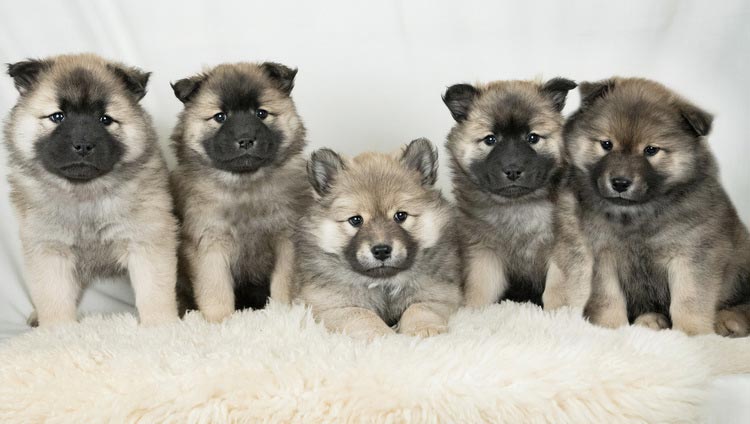
It's best to choose a puppy in person. Be sure to evaluate the dogs' living conditions and meticulously inspect the litter. All puppies should be well-balanced, healthy in appearance, curious, and friendly. Ensure they meet the breed standard. Even at 2-3 months, a Eurasier puppy should largely match the description given for an adult dog. Puppies should be dewormed and vaccinated according to age, and have a tattoo and documentation of their origin.
Price
The price of a Eurasier puppy in Russia typically ranges from 60,000 to 85,000 rubles. In Europe, dogs of this rare breed cost from 1,000 euros.
Photos
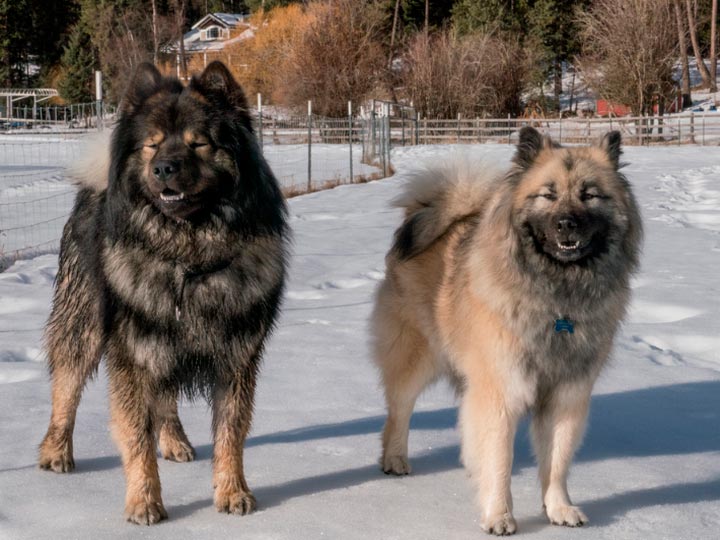
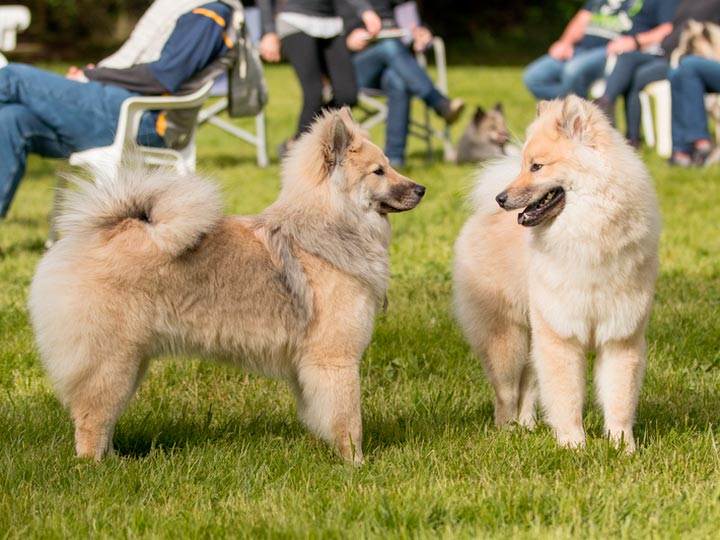
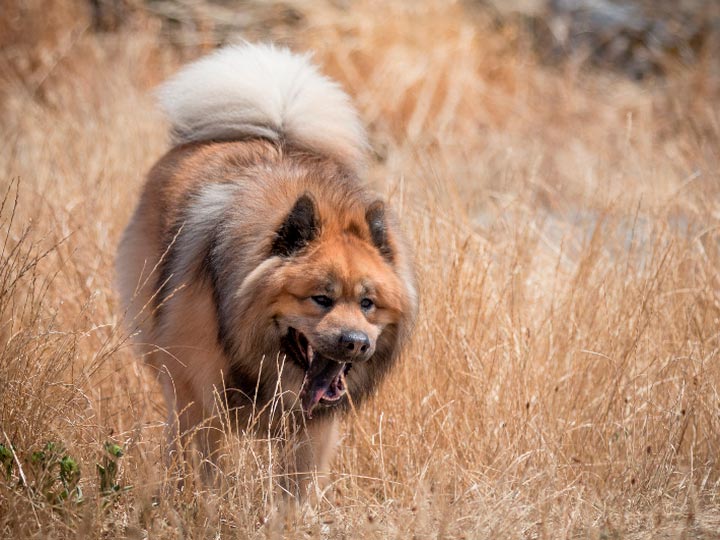
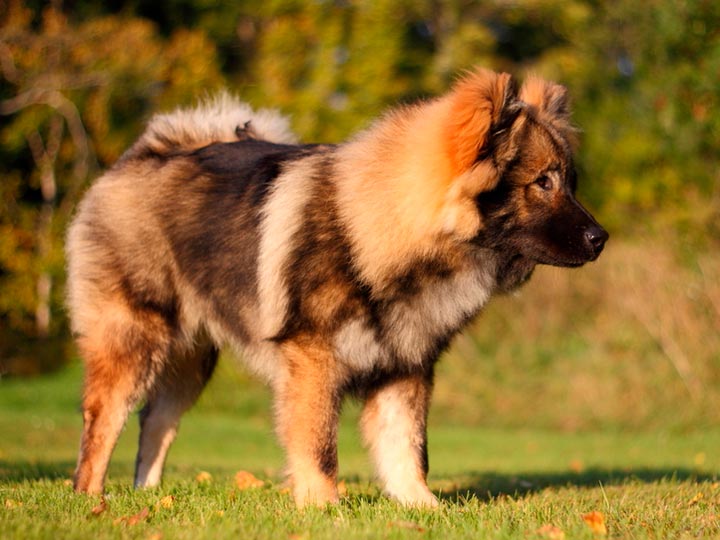
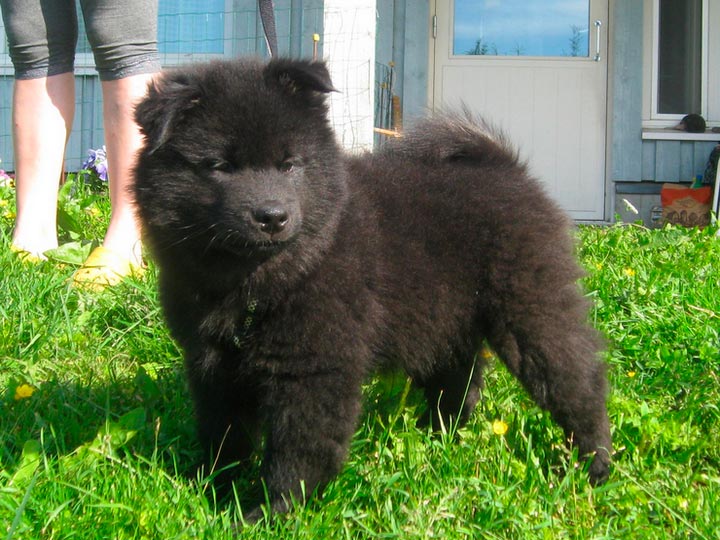
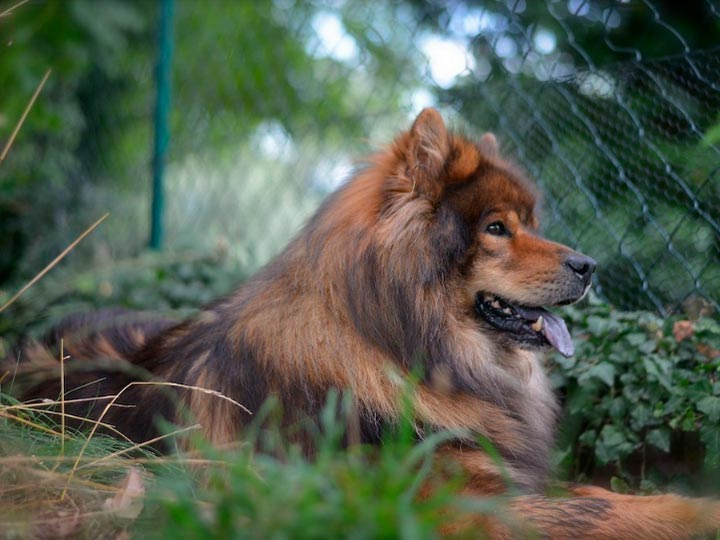
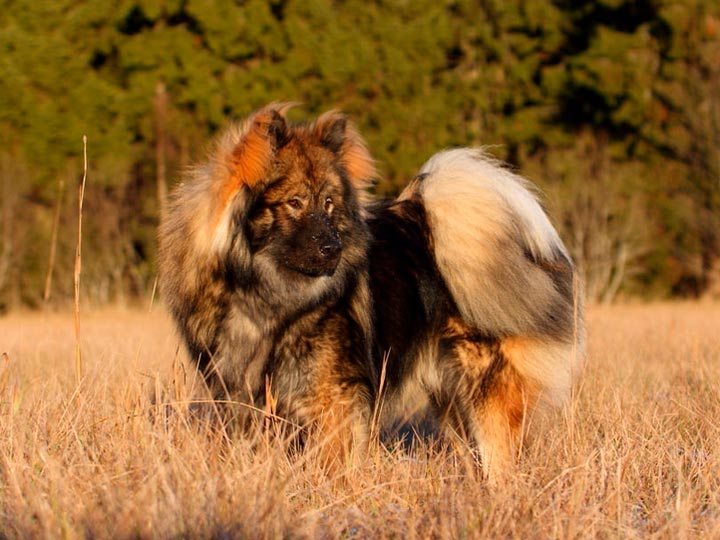
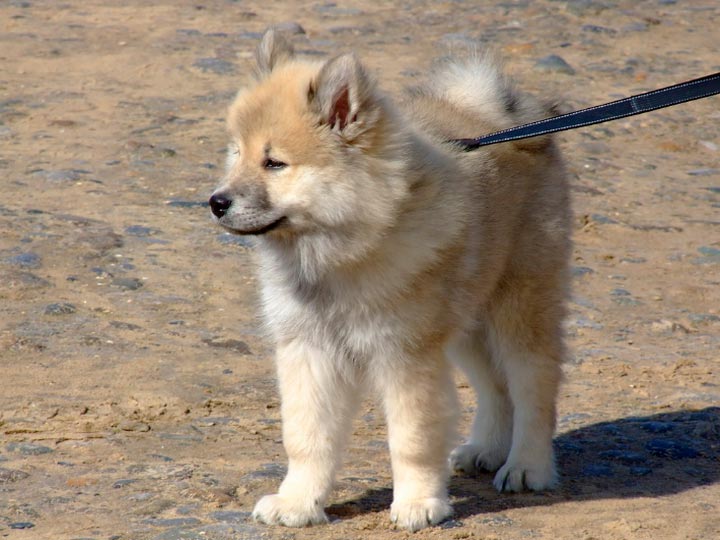
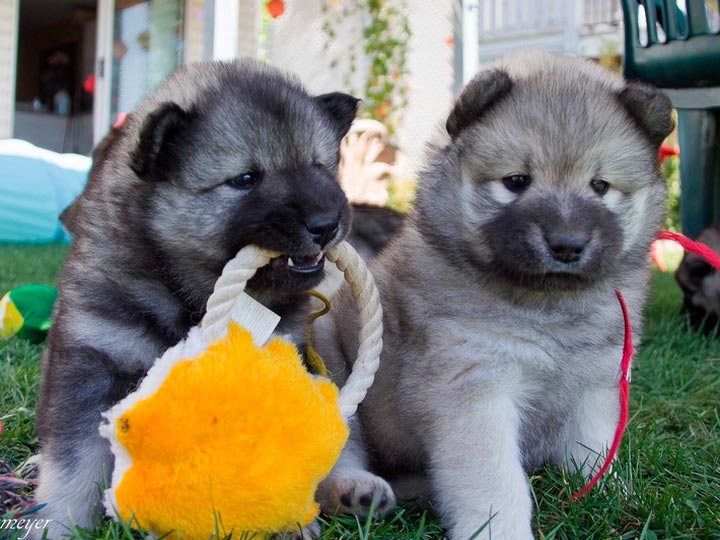
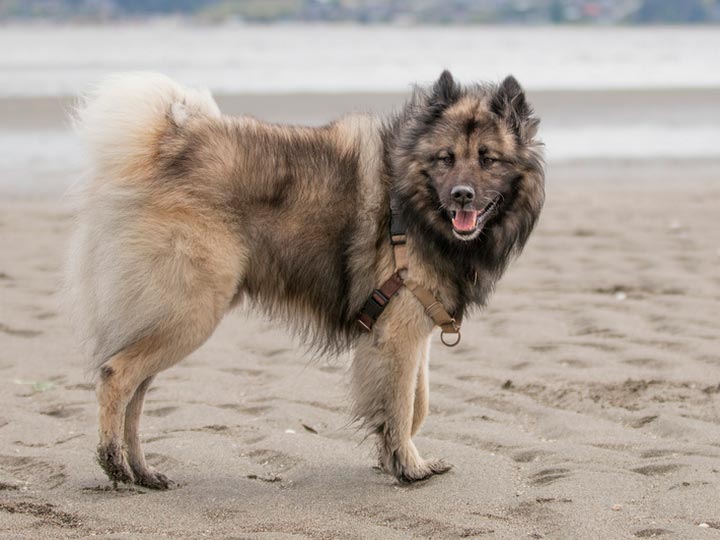
The gallery contains photos of puppies and adult dogs of the Eurasier breed (Eurasian dog, Eurasier).
Read also:


1 comment
Tatiana
Now you can buy a Eurasier in Russia – Nursery "From the Lunezh Mountains"
Add a comment