
Estonian Hound - dog breed
The Estonian Hound is a breed of hunting dog that was developed in the Baltic region last century. Today, this breed is considered very popular not only in the Baltic region and Russia, but throughout the world.
Content
History of the breed's origin
The Estonian Hound is believed to be the result of a complex cross between the Beagle, Swiss Hound, and Foxhound. This is undoubtedly supported by the similarity of the Estonian Hound to these dog breeds. The Estonian Hound standards were approved in 1959.
Interestingly, the artificial development of this breed is directly linked to hunting. For example, in the early 20th century, a law came into force in Estonia prohibiting the use of dogs taller than 45 cm in hunting, as such dogs were dangerous to roe deer.
After the Estonian Hound was developed, it was recognized as an excellent hunting companion not only by Estonian hunters but also by Soviet ones. Consequently, the breed became quite popular. Today, these hounds are actively used for hunting hares and foxes.
Breed standards
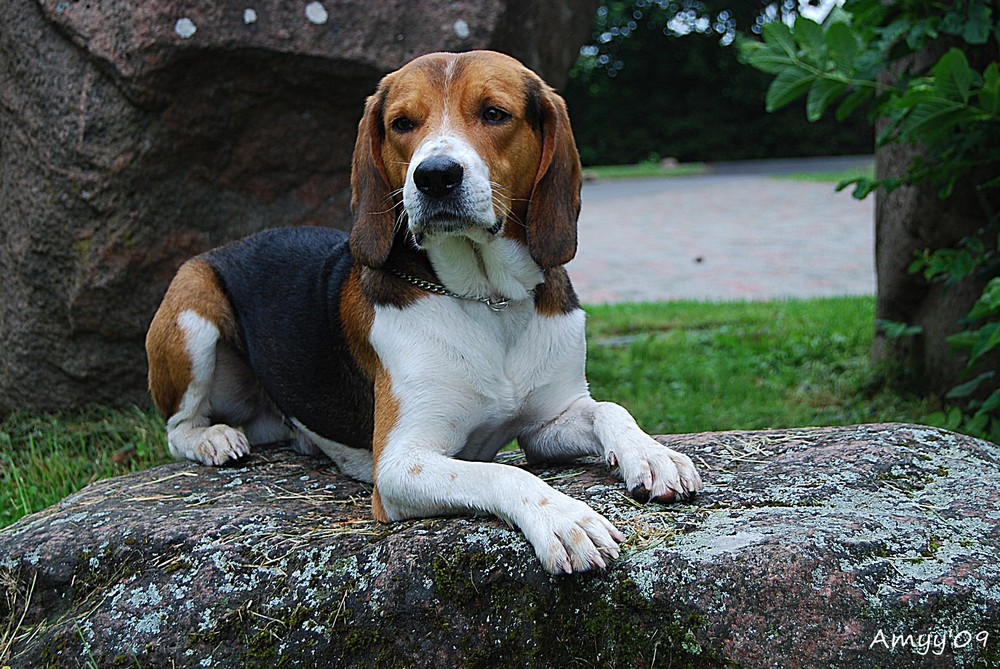
The average height at the withers of this breed is 42-49 cm. Males are slightly larger than females. This dog combines a short stature with a fairly robust build. The typical coat color of the Estonian Hound is black and piebald with "ruddy" spots. Brown and piebald, black and piebald with spots, and unlimited tan markings are also acceptable. The coat of this breed is characterized by its luster. It is dense and has no undercoat. The tail is also covered with a thick "fur coat," which can make it appear larger than it actually is.
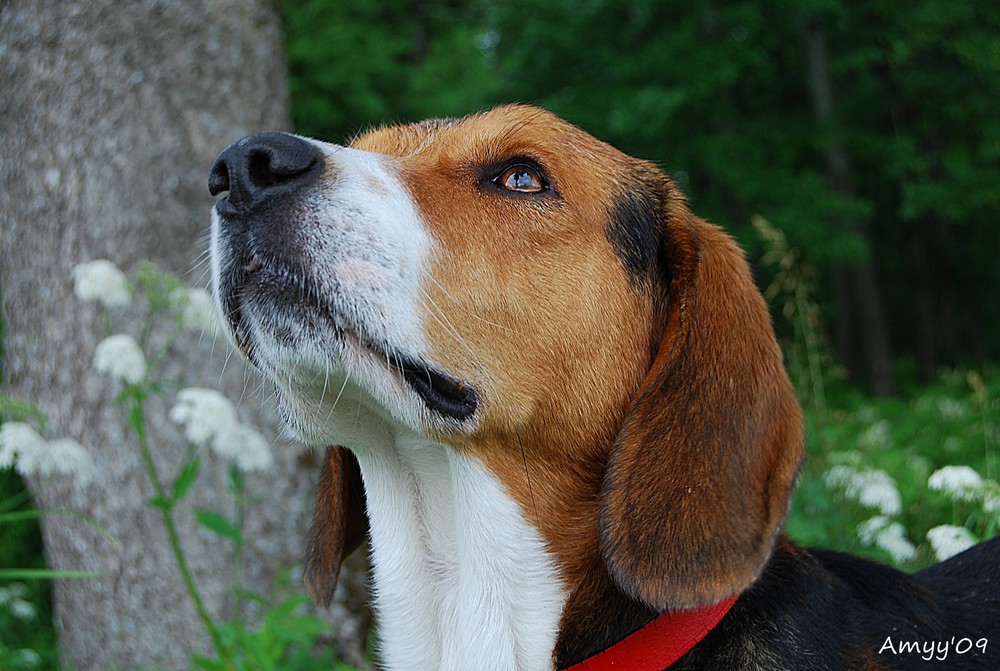
The Estonian Hound is characterized by strong muscles and sturdy bones. The skull is rounded. The muzzle is slightly elongated, with a black or dark brown nose at its tip. The eyes are dark brown. The ears hang close to the head and have rounded tips.
Character
These charming dogs have a calm and even disposition. Their docile nature makes Estonian Hounds highly trainable. They will easily learn the rules of good dog manners. These dogs are highly responsive, thanks to their excellent sense of smell. Their clear voice will brighten up any home, and their agility and passion for hunting will captivate anyone. Estonian Hounds are completely non-aggressive toward humans.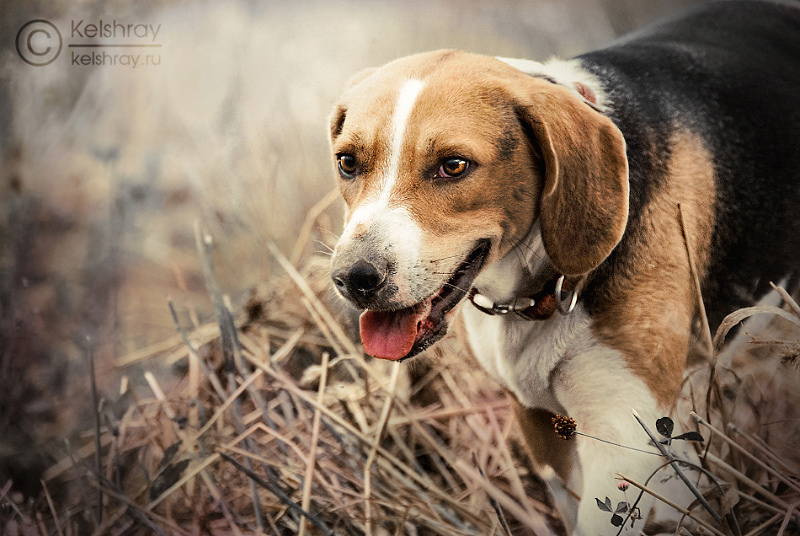
This breed of hound is considered an excellent companion, especially for those who lead an active and highly mobile lifestyle. The Estonian Hound will happily maintain this active lifestyle, and will enjoy intense exercise. This active nature should be taken into account by people who are sedentary, as the dog will not be able to remain in an apartment for long periods. To ensure your pet thrives in an apartment, it needs regular walks in a park or forest for a sufficiently long period. Of course, the Estonian Hound thrives in the countryside, where it can run freely. This friendly and playful dog makes a wonderful companion. Hounds of this breed also get along well with other pets and are very fond of children.
It's worth noting that these dogs' excellent hunting senses allow them to detect any scent. Therefore, it's best to keep them on a leash when walking in urban areas, as they may break loose and suddenly "hunt."
Proper training will make the Estonian Hound not only a loyal friend, but also a valuable assistant who will certainly share his owner's active hobby.
Care
This pet's short coat requires regular brushing (at least once a week). This pet is considered very easy to care for. Because of this dog's short coat, bathing it no more than once a month or when it's very dirty is sufficient. Before bathing, the dog should be thoroughly brushed. It's best to brush the coat with a stiff-bristled brush. Despite their active nature, Estonian Hounds are very clean and almost never have an odor.
Don't forget to take your dog for regular walks, as they need exercise. With proper care, the average lifespan of an Estonian is 11-12 years. Generally, this breed is characterized by fairly robust health.
Nutrition
These dogs don't eat much. Therefore, it's important to maintain a feeding schedule and avoid overfeeding your pet. For Estonian hounds, feeding is part of their training. They need to be trained to hear a horn when you want to feed them. You need to make the sound, and feed the dog only after it comes running.
The diet of such a pet must be balanced. It's best to feed your dog twice a day, morning and evening. Warm the food slightly when feeding. It's also recommended to feed your Estonian with raw meat. Raw sea fish, such as flounder, is also beneficial. Potatoes, carrots, and greens are acceptable vegetables. Avoid chicken bones and large bones, as they can be very upsetting to the dog's stomach. Avoid sausages, fatty meats, and spicy foods. Giving too much milk is also not recommended, as it can upset the stomach.
When it comes to grains, oatmeal, pearl barley, and barley are the best choices. You can give your pet a piece of refined sugar every few days as a treat. If you choose dry food, make sure there's plenty of fresh, clean water in their bowl.
Puppies
Purebred puppies with all the necessary paperwork for show typically cost around $250. You can buy one of these cuties for $100-$200. Of course, it's best to buy a puppy with a pedigree and health and vaccination records.
Photos
Photos of Estonian Hounds:
.jpg)
.jpg)
Read also:


Add a comment