
Ehrlichiosis in dogs: symptoms and treatment
Ehrlichiosis Ehrlichiosis is a dangerous multisystem disease that occurs in dogs after a tick bite. In this article, we'll explain in detail how to recognize the first symptoms of the disease, as well as how ehrlichiosis is diagnosed and treated today.
Content
Etiology of the disease
Canine monocytic ehrlichiosis (CME) is the official name of the disease. It is also known as rickettsiosis, canine hemorrhagic fever, canine typhus, or simply "bloodhound disease."

The causative agent of the disease is Ehrlichia (Ehrlichia) - an intracellular microorganism that parasitizes the plasma of monocytes and forms morulae (bacterial clusters).
There are several types of Ehrlichia:
- The species Ehrlichia ewingii infects granulocytes and causes granulocytic ehrlichiosis;
- Ehrlichia canis species infects monocytes and macrophages, causing a multisystem form of the disease and affecting various organs.
The main type of infection for dogs is the transmissible type, in which ehrlichia enters the blood from the carrier (tick), but ehrlichiosis in dogs occurs extremely rarely after a transfusion of infected blood.
Is the disease dangerous for humans?
Owners of dogs diagnosed with Ehrlichia often worry about whether a person can become infected with Ehrlichia from their pet, and whether a sick dog poses a danger to children living in the house.

Important! Although the disease is anthropozoonotic (can occur in both animals and humans), infection does not occur through contact with an infected animal. To infect a new victim, whether animal or human, the pathogen requires an intermediate host (most often ticks).
In simple terms, caring for a dog with ehrlichiosis will not cause you to become infected with the disease. However, the very fact that your pet has the disease indicates that ticks in your area carry ehrlichia, meaning that if a tick bites you, the risk of contracting the disease is very high.
Symptoms of MES in dogs
The symptoms of the disease depend on many factors:
- Ehrlichia species;
- infectious dose;
- the presence of other infections in the tick's saliva (often, a bite results in a complex infection with ehrlichiosis, piroplasmosis, babesiosis and other infections carried by ticks);
- dog immunity;
- the presence of concomitant pathologies in the animal.
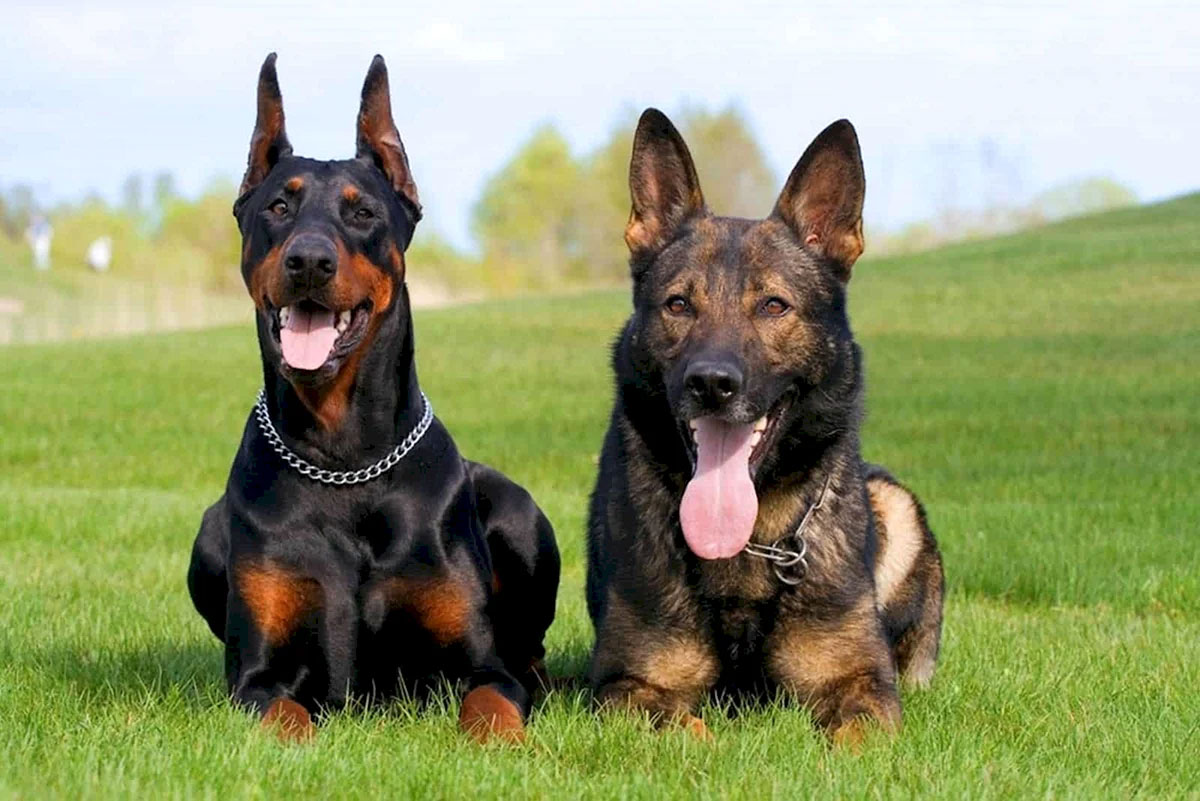
Scientists have found that Doberman and German Shepherd breeds are most susceptible to ehrlichiosis.
Subclinical (latent) form
|
Pathogen |
Ehrlichia canis |
|
Incubation period |
1-3 weeks |
|
Duration of illness |
from 40 days to several years |
|
Forecast |
full recovery |
|
Danger (if left untreated) |
transition to a chronic form |
The latent form occurs when the animal has good immunity and the infectious dose is small enough. Some dogs with the subclinical form of the disease do not exhibit the signs and symptoms characteristic of the acute form.
The disease can be suspected by such minor manifestations as:
- increased fatigue;
- lightening of mucous membranes.
Animals with strong immune systems may rarely recover spontaneously, but if the body can't cope, immunity declines. Frequent infections, which progress rapidly and are much more severe than usual, can be an indirect sign of prolonged latent ehrlichiosis.
Acute form
|
Pathogen |
Ehrlichia canis |
|
Incubation period |
1-3 weeks |
|
Duration of illness |
up to 4 weeks |
|
Forecast |
full recovery with timely treatment |
|
Danger (if left untreated) |
transition to a chronic form |
Symptoms:
- depressed state;
- loss of appetite (complete refusal to eat is possible);
- vomit;
- increase in temperature to 41℃;
- enlargement of the lymph nodes and spleen;
- purulent discharge from the eyes and nose;
- hemorrhages on the mucous membranes;
- shortness of breath;
- lameness;
- convulsions, paralysis.
Symptoms largely depend on the organ affected. Most commonly, the vascular endothelium of the lungs, kidneys, and meninges is affected. The liver and spleen are also affected.
Chronic form
|
Pathogen |
Ehrlichia canis |
|
Duration of illness |
can last for years |
|
Forecast |
full recovery does not occur |
|
Danger (if left untreated) |
fatal outcome |
If MES is not treated promptly, overcoming the disease, which has become chronic, will be much more difficult, as over time the animal will develop complications such as:
- anorexia and severe weight loss;
- spontaneous hemorrhages (including internal);
- clouding of the cornea (resulting in blindness);
- reproductive dysfunction;
- swelling of the hind legs and scrotum;
- convulsions, paralysis;
- damage to the membranes of the brain (meningoencephalitis).
Most often, even with treatment, such dogs do not fully recover. The animal remains a carrier of Ehrlichia, and the disease can recur at any time, causing characteristic clinical manifestations.
Diagnosis of the disease
The main method for diagnosing MES remains laboratory blood testing.
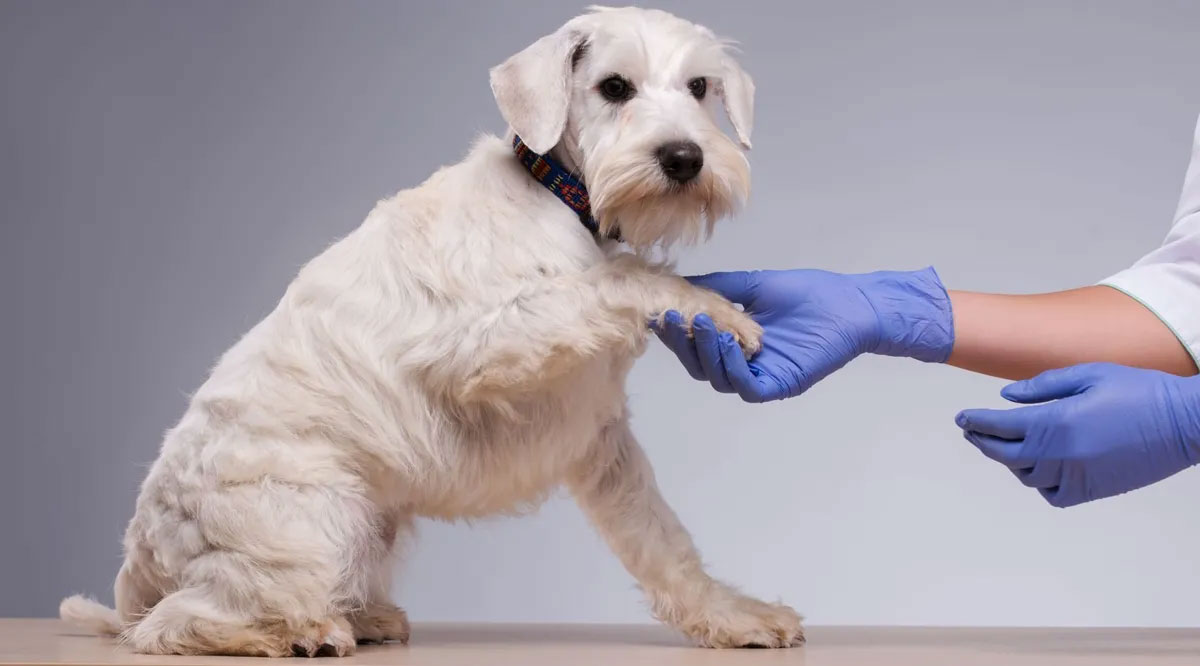
By examining the stained cells in a blood smear under a microscope, the laboratory technician clearly sees the presence of morulae (bacterial clusters), which is indisputable evidence of the presence of a dangerous Ehrlichia canis infection.
The following may also be indicated on the MES:
- thrombocytopenia;
- leukocytosis;
- leukopenia (with a combination of ehrlichiosis and babesiosis);
- increase in AST and ALT indicators;
- increased bilirubin;
- changes in renal parameters.
If a latent form of the disease is suspected, a serological test for antibody titers is performed; in acute cases, a PCR test is more informative. In some severe cases, a veterinarian may also perform a cerebrospinal fluid test.
Treatment of ehrlichiosis
Treatment of the disease is carried out in a comprehensive manner:
- Antibiotic therapy is aimed at destroying the pathogen;
- Symptomatic therapy is selected taking into account the clinical manifestations of the disease in a particular animal and may be aimed at preventing bleeding or thrombosis;
- A complex of supportive drugs is prescribed to normalize the functioning of various organs and systems.
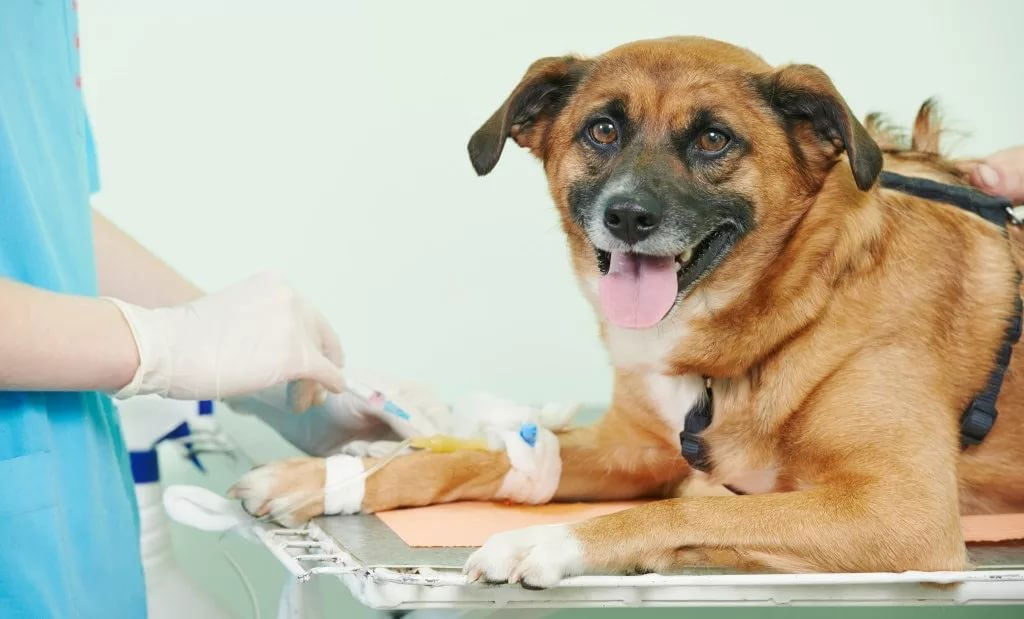
In severe cases and life-threatening cases, the dog is hospitalized. Milder cases are treated on an outpatient basis (medications are prescribed in tablet form or a course of injections).
Prevention
There is no vaccine against ehrlichiosis and other tick-borne diseases!
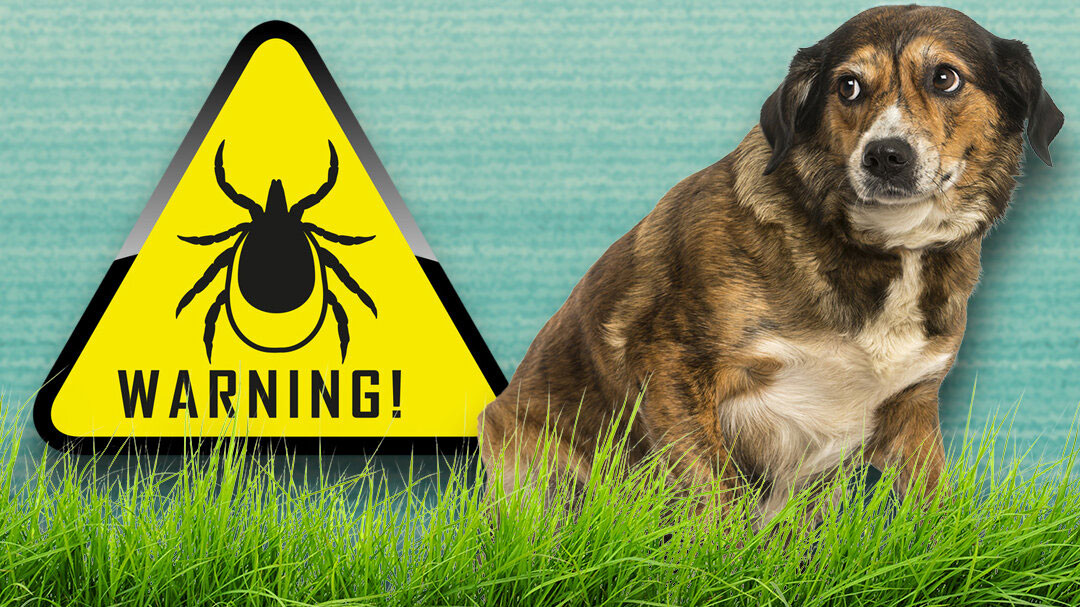
It is important to remember that taking medications (Simparica», «Nexgard", "Bravetko" and others) does not prevent the tick bite itself, and therefore cannot protect the dog from the penetration of ehrlichia contained in their saliva into the blood.
The optimal protection for animals that cannot be fenced off from potentially dangerous areas (parks, forests, fields) is complex tick treatment (external agents + tablets).
Veterinarian's advice
Read also:
- Lyme Disease in Dogs: Symptoms and Treatment
- Lyme disease in dogs: symptoms and treatment
- Distemper in dogs


Add a comment