
Eosinophilic Granuloma in Cats: Symptoms and Treatment
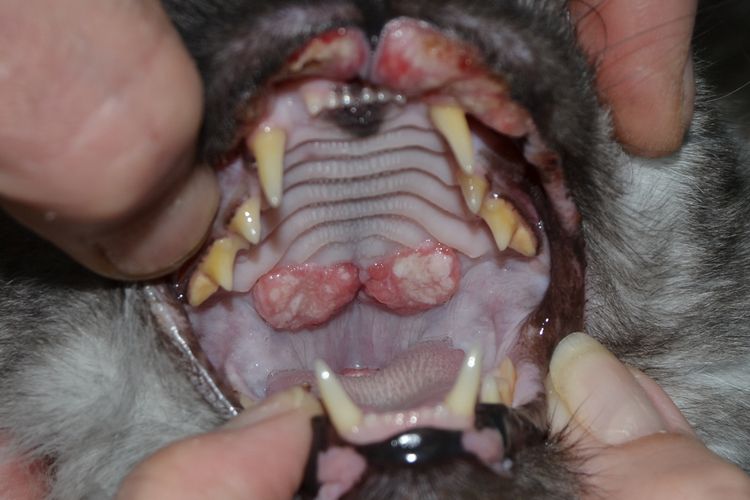
The complex name "eosinophilic granuloma" refers to an inflammatory disease affecting the skin and mucous membranes of cats. It is characterized by the formation of dense or loose nodules containing a large number of randomly distributed white blood cells called eosinophils.
This disease is not contagious, as it is not caused by viruses or microbes. However, treatment is essential, as the granulomatous nodules eventually develop into trophic (non-healing) ulcers, which are easily infected. Furthermore, granulomas can develop into malignant tumors.
Content
Reasons for development
Most cases of eosinophilic granuloma in cats are allergic in nature. An overreaction of the immune system can be triggered by:
- bites of ticks, fleas or other insects;
- the presence of intestinal helminths in the animal;
- food products;
- chemicals;
- plant pollen;
- mold.
Good to know: There is no breed predisposition to the development of eosinophilic granuloma in cats. As for the age and gender of the animal, this pathology is most often diagnosed in young animals, and female cats suffer from granuloma more often than male cats.
Types and symptoms of eosinophilic granuloma
Cats can develop three types of eosinophilic granuloma. They differ in their appearance, which is clearly visible in the photos of cats with granuloma. Each type of granulomatous formation typically has a specific location and its own symptoms. However, standard treatment is generally prescribed, as the list of causes for granuloma development is common to all types.
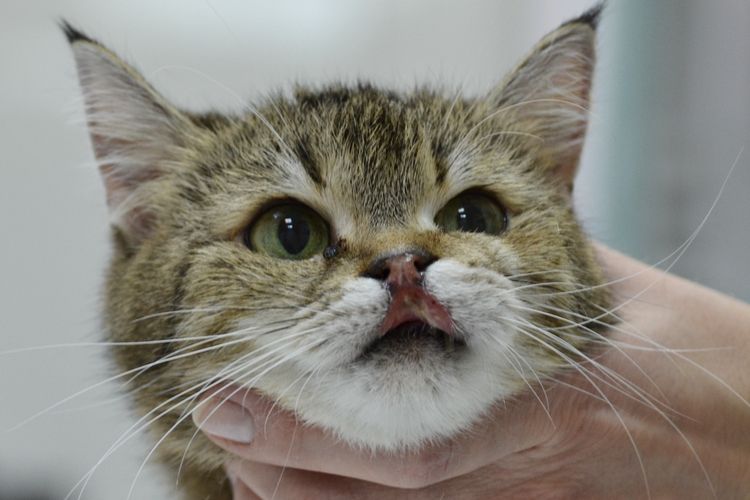
Eosinophilic ulceration
These are painless, round ulcers with raised edges that initially form on the upper lip The sores typically appear on the cat's face and face, and then quickly spread to the neck and back. The area where the sores are located typically becomes inflamed and swollen, but the animal may not experience any discomfort.
Eosinophilic plaque
Granulomatous plaques are large, slightly raised, red growths. Typically, they initially appear on the cat's abdomen; in advanced cases, they can affect the entire body. Eosinophilic plaques cause intense itching, leading to constant licking and scratching of the large area, resulting in bald spots.
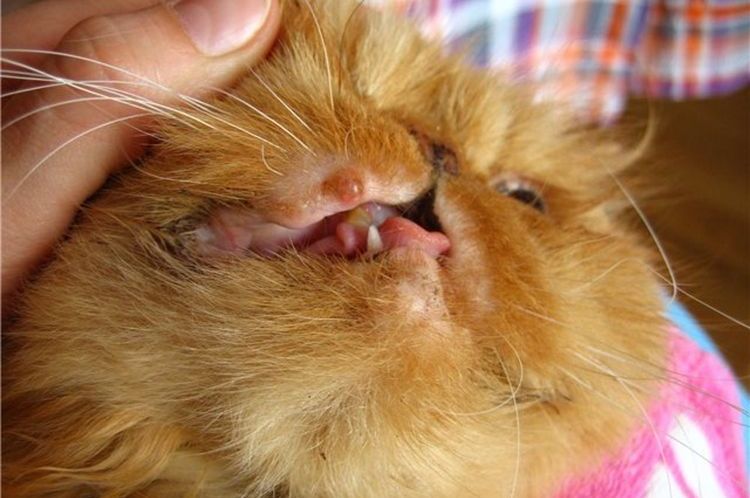
Eosinophilic granuloma
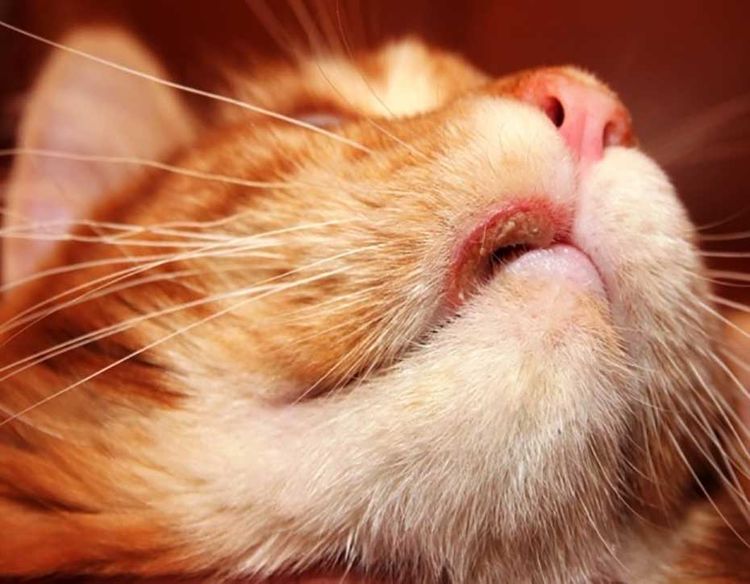
This form of the disease most often affects the lips, tongue, and palate of a cat, but sometimes the granuloma can also appear on other parts of the body: the face, head, neck, back, and inner thighs. Rough, dense, pale yellow nodules, resembling small tumors, form in the affected area. They cause intense itching and pain, and hair growth in the affected area stops.
Diagnostics
If a veterinarian suspects a cat has developed a granuloma, they will usually order a series of laboratory tests to differentiate this condition from other diseases that produce similar symptoms: bacterial, viral, fungal, and tumor.
Diagnostic tests may include:
- quantitative blood test for eosinophils (in case of granuloma their level is increased);
- cytology of affected tissues;
- skin tests for potential types of allergens;
- wet paper test or Wood's lamp test for fleas;
- skin scraping analysis demodicosis (a disease that causes subcutaneous mite).
Treatment
Treatment for eosinophilic granuloma depends on the stage of the disease and the causative agent. In some cases, once the allergen has been identified and its effects have ceased, a few applications of topical medications to the affected areas to relieve inflammation and itching may be sufficient. Glucocorticoid-based ointments, gels, or sprays are commonly used for this purpose: prednisolone, dexamethasone, and methylprednisolone.
To reduce allergic reactions, your cat may be prescribed antihistamines such as diphenhydramine, tavegil, diazolin, claritin, and cetirizine. If the cause of the disease is autoimmune, immunosuppressants such as chlorambucil or cyclosporine are prescribed. If the disease is severe and there is a risk of infection, your veterinarian may prescribe a course of antibiotics.Amoxicillin, Lincomycin, Gentamicin, Cobactan) in the form of injections or ointments for treating affected areas.
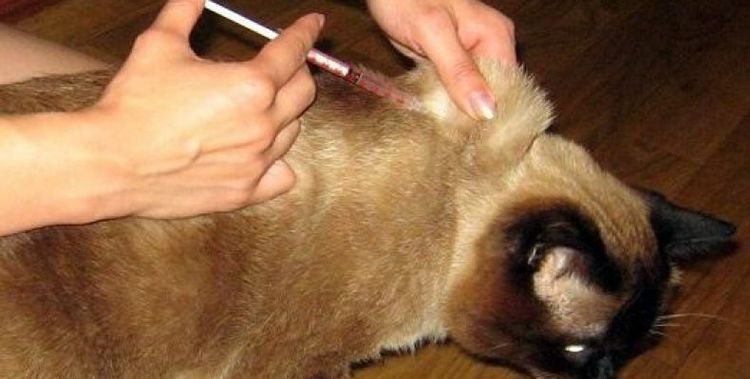
Important! Significant improvements are typically seen within 1-1.5 weeks of starting therapy, but treatment should be continued for at least 3-5 weeks, gradually reducing the dosage. Older cats often require a longer course of treatment, sometimes up to 8 weeks.
Once your pet has fully recovered, your vet may prescribe a course of maintenance therapy: For several months, your cat will need to supplement their food with vitamins and minerals. The most appropriate combination is selected individually.
A hypoallergenic diet is essential for treating granulomas in cats. If the cat's food is prepared at home, it should contain approximately 80% meat products. Cooked meat and poultry by-products are recommended. The remaining 20% should consist of grains (rice, buckwheat, oats), vegetables, and vegetable fats. Animal fats should be avoided as they can cause allergic reactions.
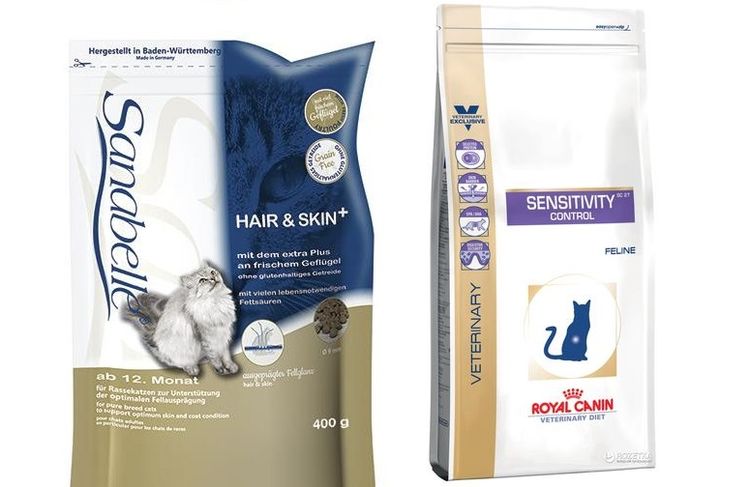
If your cat eats canned or pouched food and dry kibble, they will need a specially formulated commercial food during treatment for eosinophilic granuloma. The packaging of such food should be labeled "allergy diet for cats." Hypoallergenic food Many pet food manufacturers produce these products. Veterinarians consider Bosch Sanabel "HAIR & SKIN" and Royal Canin "Sensitivity Control Feline" to be among the best therapeutic and dietary canned food and kibble for cats.
Prevention
To reduce the risk of a cat developing granuloma, veterinarians recommend:
- limit the amount of foods in your cat's menu that can cause allergies;
- For cats with a sensitive immune system, buy ready-made hypoallergenic food;
- strengthen your pet's immunity by including vitamin and mineral supplements in its diet;
- To protect against ticks and fleas, use insecticidal collars or products applied to the coat.
It's important to understand that treating eosinophilic granuloma in its early stages is much easier than treating it in its advanced stages. Therefore, it's important to regularly schedule preventative veterinary examinations, and promptly treat any skin conditions that are discovered.
Read also:
- Sarcoptic mange in cats: symptoms and treatment
- Can a person become infected with ringworm from a cat?
- Papillomas in cats


2 comments
Svetlana
Hello, my kitten has bald ears and a bald spot on his head, and the fur is falling out with a white crust, leaving completely bare skin (on the head). I can’t go to the vet, I feel sorry for the kitten, tell me if this is ringworm or a subcutaneous mite.
Daria is a veterinarian
Hello! Who could give you such a diagnosis in absentia? A diagnosis is made comprehensively: based on clinical signs, anamnesis, and laboratory tests. To confirm or rule out ringworm (a fungal disease) or mites (a parasitic disease), it's essential to see the animal in person. And either shine a Wood's lamp on it or take a scraping and examine it under a microscope. Could it be a vitamin deficiency? Or an allergy? There are many dermatological conditions, and even more causes.
Add a comment