
Enteritis in cats: symptoms and treatment
In medical terminology, enteritis is an inflammatory disease of the small intestine that affects the inner layer of its mucosa and is accompanied by impaired secretory and motor function. If the inflammatory process extends to the stomach, gastroenteritis develops.
This pathology also occurs in animals—cats and dogs. Cats most often suffer from enteritis before the age of 3 months, when their immune system is not yet fully developed. In adult cats, a weakened immune system can be a trigger. This disease is often mistaken for a short-term intestinal upset, but feline enteritis is dangerous and can have serious consequences, including death.
Types and causes of enteritis
According to the nature of its manifestations, enteritis is divided into:
- catarrhal (inflammatory) - characterized by swelling of the intestinal mucosa;
- hemorrhagic - with pinpoint hemorrhages in the mucous tissue;
- fibrinous - with the formation of a curdled protein coating on the intestinal walls;
- necrotic - accompanied by destruction (decay) of mucosal tissue;
- ulcerative - with the formation of erosions and ulcers on the inner surface of the intestine.
Depending on the underlying cause, enteritis is classified as non-contagious or contagious (infectious). Non-contagious enteritis is most often caused by dysbiosis, abruptly switching to a new food, injury to the gastrointestinal mucosa from eating tubular bones, or ingestion of toxic substances. Contagious enteritis can be caused by:
- salmonella;
- E. coli;
- microscopic fungi (Candida, mold, Fusarium);
- intestinal helminths;
- non-cellular infectious agents - RNA-containing viruses.
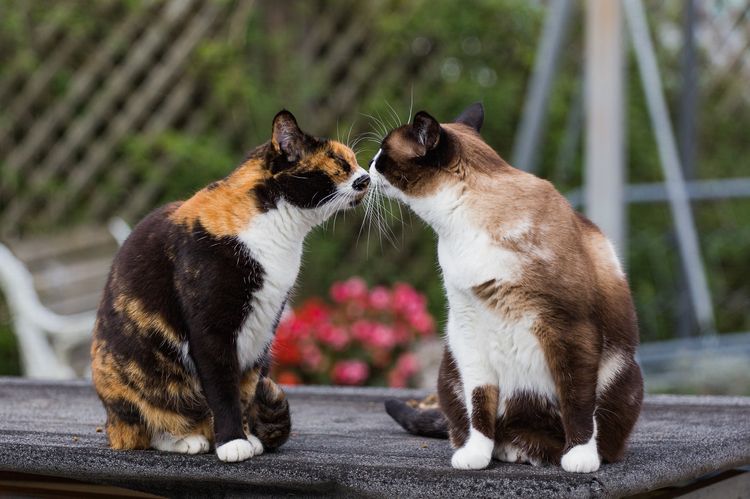
The viruses that cause enteritis are quite resistant to environmental influences and can remain dormant in a cat's body for extended periods (up to a year), causing no symptoms. Infection most often occurs through ingestion of feces from infected animals. The infection can also be transmitted through direct contact between a healthy cat and an infected one.
Important to know: Feline enteritis caused by Rotavirus, Parvovirus, and Coronavirus is not dangerous to humans or dogs. However, the canine pathogens causing rotavirus, parvovirus, and Coronavirus enteritis can be transmitted to cats.
Symptoms
The first symptom of enteritis or gastroenteritis that cat owners usually notice is diarrhea. The feces contain undigested food particles, mucus, and sometimes blood.
Clinical signs of intestinal inflammation also include:
- loss of appetite;
- weight loss;
- bloating with gas;
- painful colic, which is why the cat avoids contact;
- paleness of the oral mucosa, indicating anemia;
- elevated temperature (this symptom does not always appear);
- depressed state, loss of interest in games;
- loss of desire to keep oneself clean (the cat stops licking itself, its fur has an unkempt appearance).
Infectious enteritis is characterized by uncontrollable vomiting and loose, reddish stools. Coronavirus infection is characterized by severe pain: the cat literally refuses to let its belly be touched. Parvovirus enteritis (feline distemper) is considered the most dangerous and often fatal. It is characterized by a sharp rise in temperature, swelling of the mucous membranes, and nervous tics. Rotavirus enteritis is characterized by rapid dehydration, fever, and blood-streaked stools.
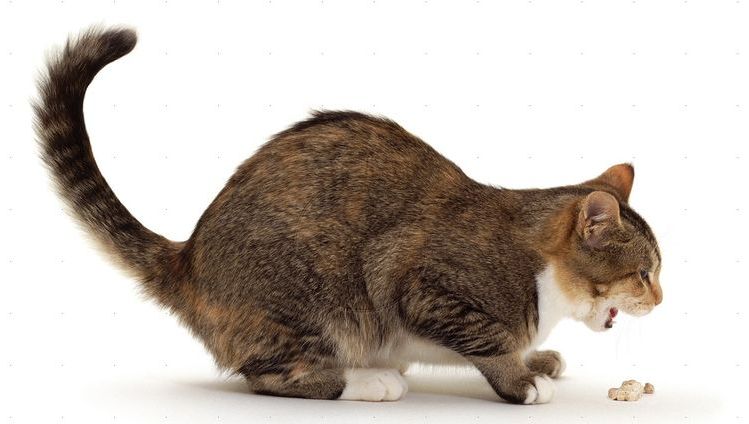
Important! The main symptoms of different types of enteritis are very similar. The cause of the disease, including the type of virus, can only be determined through laboratory testing. Therefore, you should never attempt to relieve symptoms of stomach upset in your cat on your own—this could only worsen the condition and complicate its treatment.
Diagnostics
When making a diagnosis, it's crucial to take a thorough medical history. The cat's owner should answer the doctor's questions in detail:
- when an animal gets sick, how does it manifest itself;
- when the cat was vaccinated and how long ago it was treated for worms;
- What is the appearance and consistency of the stool?
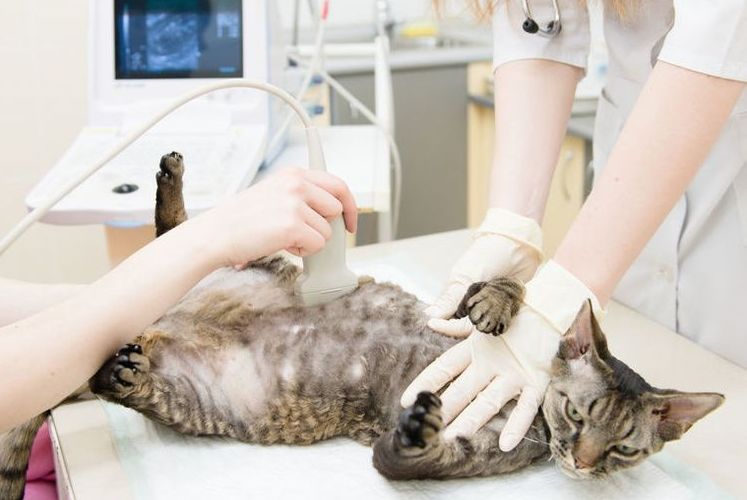
Next, the veterinarian performs a physical examination of the animal, assessing its general condition and the degree of dehydration. To identify potential pathogens, blood, stool, and a swab or swab of the rectal mucosa are taken. The swab is tested for the presence of viral DNA or antibodies produced by the body. Blood tests assess white and red blood cell levels and identify protein deficiencies. If necessary (to determine the quality of intestinal motility), an abdominal ultrasound may be performed.
Treatment
Treatment for enteritis and enterocolitis in cats is determined on a case-by-case basis. The specific therapeutic approach depends on the type and cause of the disease, as well as the organ systems affected and to what extent.
Veterinarians first recommend cleaning out the cat's intestines. Glauber's salt or castor oil can be used for this (the doctor will select the appropriate medication based on the type of catarrh—acidic or alkaline). If a small kitten develops enteritis, it's important to act quickly: this condition in kittens often develops rapidly and can be fatal within just a few days.
For severe pain, cats are prescribed analgesics. If blood is present in vomit or feces, hemostatic agents are used. To relieve diarrhea, cats are given astringents (such as oak bark decoction) two to three times a day. If diarrhea and vomiting persist and the cat has a high fever, the vet prescribes antipyretics, antispasmodics, and antiemetics, as well as antibiotics to prevent the development of pathogenic microflora. For viral enteritis or enterocolitis, antibiotic therapy is started from the first day of illness. All medications are prescribed by a vet; treatment can be carried out at home.
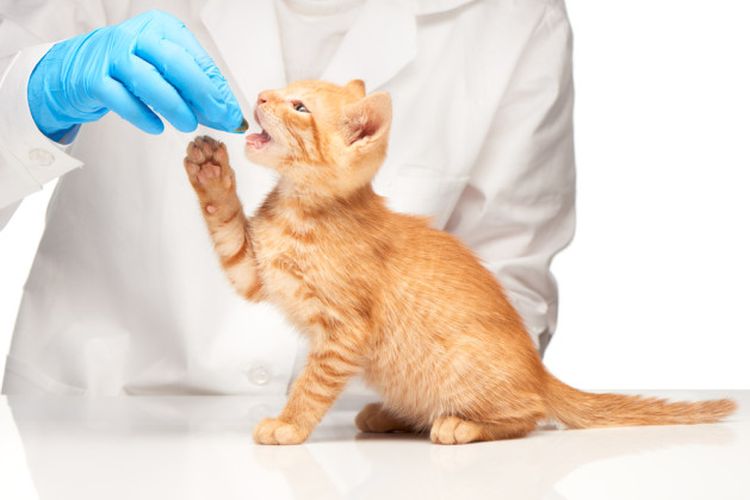
Important! Due to constant fluid loss through vomiting and diarrhea, enteritis often leads to dehydration. Therefore, it is essential that a sick cat receive at least 50 ml of fluid per 1 kg of body weight per day. If the animal refuses waterIt can be administered in small amounts into the cheek using a pipette or a syringe without a needle. To restore the cat's fluid and electrolyte balance, the vet may also prescribe intravenous infusions of a saline solution containing sodium chloride and glucose.
Proper care and feeding are essential for your pet's recovery. The cat's environment should be warm, clean, and regularly ventilated. For at least a week, the animal should be placed on a strict diet:
- The first day is liquid only. Oralite or rehydron solutions can be given instead of water.
- On the second and third days, drink an oatmeal decoction in meat broth. It coats the walls of the stomach and intestines, promoting mucosal healing.
- Days four and five: thin oatmeal with meat broth. Besides being highly nutritious, it's also good for restoring gastrointestinal motility.
- From the sixth day, you can gradually introduce minced meat, simmered in a small amount of water or broth, into the cat’s diet.
Life forecast
Treatment for enteritis in cats, if started promptly, is effective in most cases. In animals with non-contagious enteritis or gastroenteritis, or in cases caused by the FECV coronavirus, improvement occurs within 2-3 days, but the full course of medication must be completed.
However, if an animal is infected with a mutated coronavirus enteritis virus (FIPV strain), rapid death is possible, with the cat's life expectancy in this case being only a few months. Veterinary care for such animals is symptomatic and primarily aimed at alleviating the overall condition.
Prevention
Measures to protect cats from developing enteritis are quite simple:
- Timely preventive deworming and vaccination against viral and bacterial infections.
- Regular treatment of animals against ticks and fleas.
- Use of high-quality feed, and in case of natural feeding - only fresh products.
- Periodically disinfect the cat litter box with chlorine-containing products. One litter box should be used by no more than two cats.
When transporting your pet, try to avoid contact with other animals, and if your cat is planning to mate, ensure that the potential partner is healthy. If you've acquired a new cat, it's necessary to temporarily isolate it from other cats already in the house; the recommended quarantine period is one month.
Veterinarian o coronavirus gastroenteritis in cats: video
Read also:
- Intestinal volvulus in cats: symptoms and treatment
- Blood in a cat's stool: causes and treatment
- Feline immunodeficiency virus


Add a comment