
Raccoon dog: keeping at home
Raccoon dogs resemble foxes in their habits. They resemble raccoons in appearance, but are members of the canine family. In captivity, these animals can be walked like dogs and litter-trained like cats. Tame raccoon dogs are nothing but charming and enchanting, an excellent choice for those who love exotic pets. Let's get to know them better. This article includes lots of photos and a detailed description of the raccoon dog, including its personality, care requirements, choosing a puppy, and prices.
Content
Habitat
The raccoon dog is a carnivorous omnivorous mammal of the canine family, known by many other names: Ussuri raccoon dog, raccoon dog, and Ussuri fox. Its natural habitat includes Indochina, China, Japan, and the Korean Peninsula. In Russia, it was found only in the southern part of the Far East.
In the first half of the 20th century, approximately 100,000 raccoon dogs were released into the Soviet Union to enrich hunting grounds. They did not thrive in Asia, but in Europe, they quickly began to spread and increase their population, reaching Finland, Sweden, Estonia, Poland, and other Western European countries.
In our area, the raccoon dog is a novelty; you won't find it in fairy tales like many other forest dwellers, such as the hare, fox, or bear. However, in Japan, people have long lived alongside raccoon dogs, known as tanuki. These animals are an integral part of folklore, and even children know that tanuki can sing.
The raccoon dog "sings":
Raccoon dog in the wild
Raccoon dogs primarily inhabit swampy lowlands, along river basins, and in riverine forests. They are unpretentious in their choice of habitat, often finding open dens or crevices in rocks, tree niches, or even occupying badger and fox dens, though they rarely dig their own. They are active at night and at dusk. They are typical omnivorous foragers. They can travel up to 10 km in search of food. They are excellent swimmers, but their short legs make them prone to getting stuck in the snow.
The raccoon dog is the only canine that hibernates for 1-3 months in winter. During mild winters, it may remain awake, simply staying indoors during severe frosts. While they don't experience true hibernation like bears, their metabolic rate drops to 25%.
In the wild, raccoon dogs live in pairs, which they form in late autumn. Therefore, in the spring, when the mating season begins, fights are very rare. Gestation lasts two months. A litter typically contains 6-7 puppies, but can have up to 14. Both parents raise their offspring, and they are very tender with their puppies.
Raccoon dogs' natural enemies are larger predators. When threatened, these animals rarely flee; they feign death and "come back to life" when the danger has passed.
What does a raccoon dog look like?
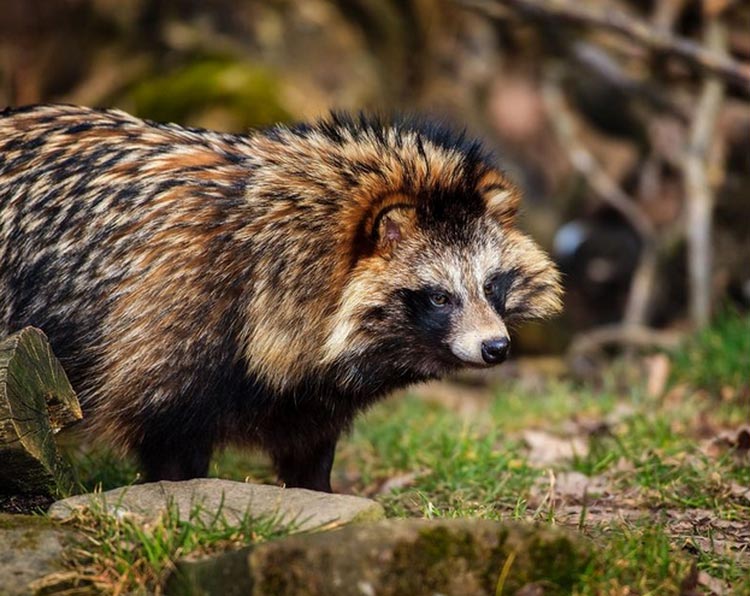
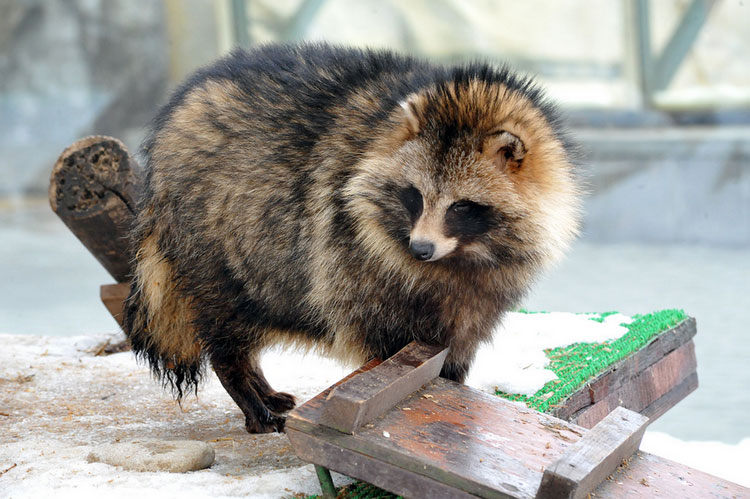
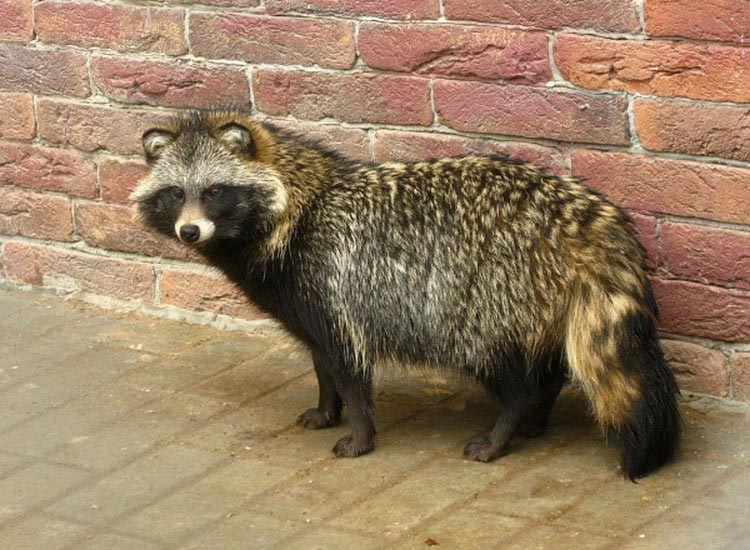
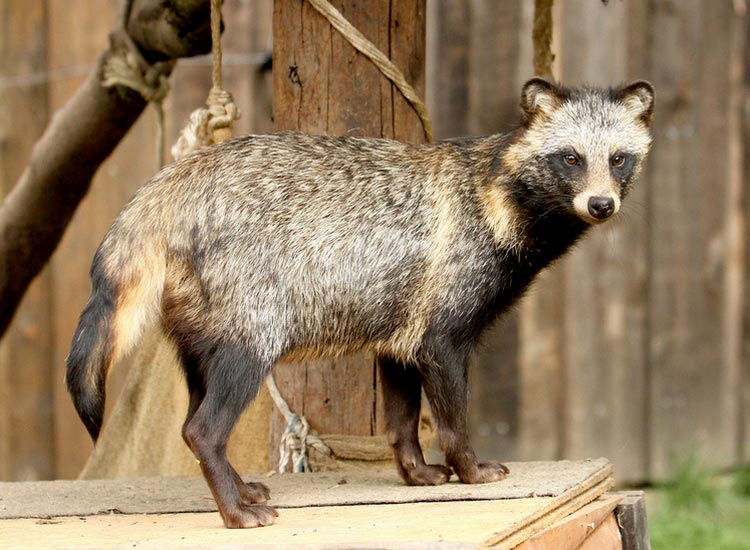
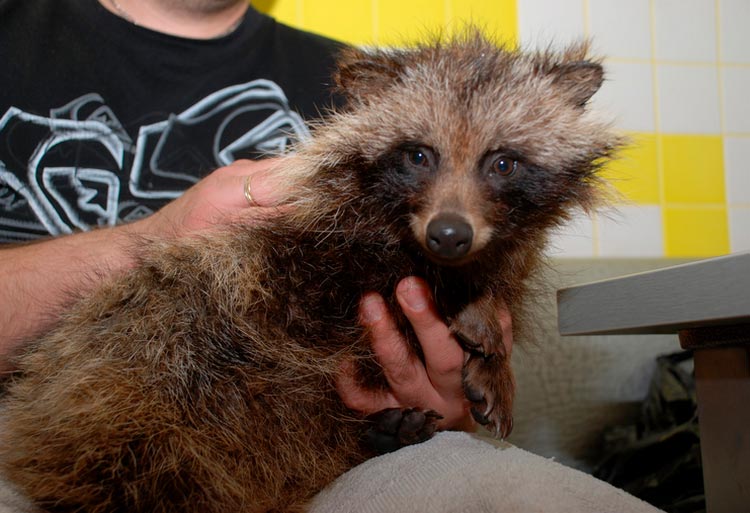
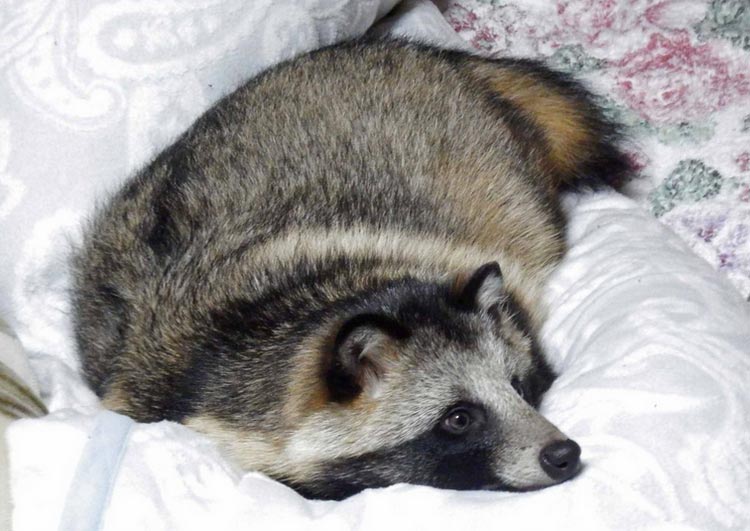
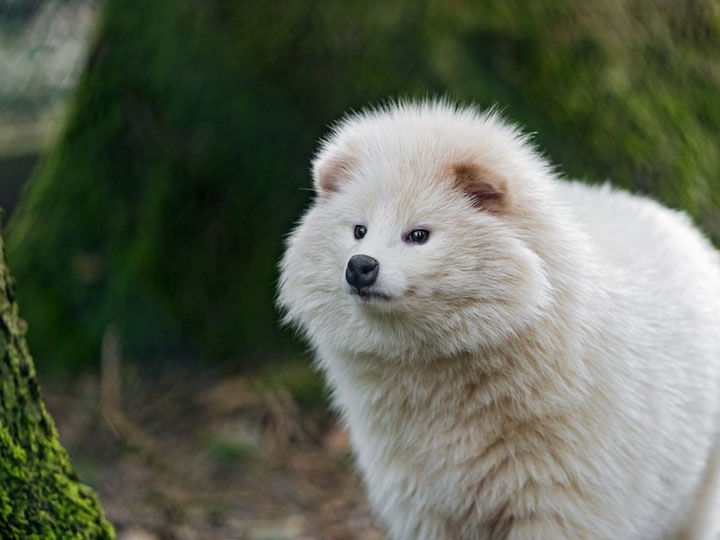
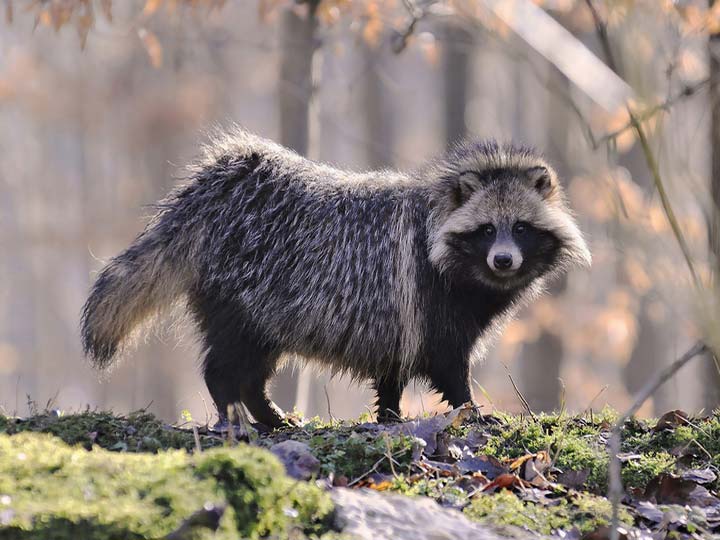
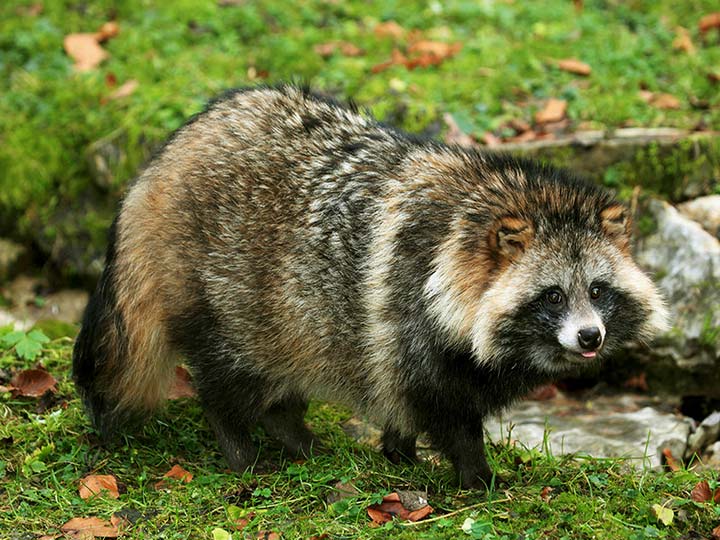
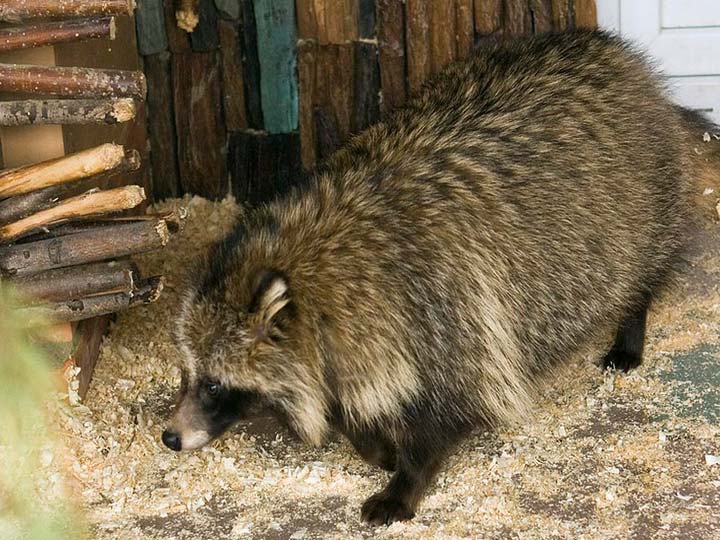
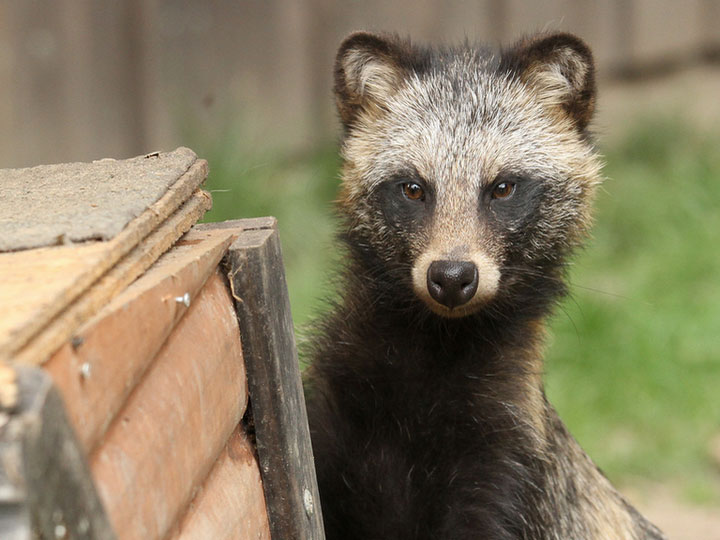
The raccoon dog is distinguished by its small size: 65-80 cm in length, and weighs between 4-10 kg. In winter, the animal always weighs 2-3 kg more than in summer. Its body is stocky and elongated, and its legs are short. A dark mask adorns its face. The fur is long, thick, and coarse to the touch, dark brown in color, lighter on the underside. A dark stripe runs along the spine, and the sideburns on the cheeks are ash-gray. The tail is fluffy and short, up to 25 cm. Albinos are sometimes born.
What is the difference between a raccoon dog and a raccoon?
Raccoon dog and raccoon They are not related in any way, and therefore have clear differences; they even belong to different species: the raccoon belongs to the raccoon family, and the dog belongs to the canine family. They are similar in appearance in color and size. Both animals are omnivorous, and both hibernate in winter.
You can distinguish animals by several points:
- Raccoons have paws with developed toes, especially the front ones, similar to human ones, and the raccoon dog has paws that are collected like those of canines;
- The raccoon's fur is shorter and not as thick;
- A raccoon's long tail can have up to 10 stripes, while a dog's tail is shorter, fluffier, and not decorated with stripes.
How raccoon dogs became domesticated
Domestication of raccoon dogs began in Europe in the 1980s and 1990s. Exotic lovers were drawn to the animals' habits and intelligence, and they proved themselves to be excellent guard dogs and entertaining pets. However, their domestication rate is low. Most animals are difficult to tame and remain aggressive. Furthermore, it is recommended to keep raccoon-like dogs outdoors.
A raccoon dog cannot simply be caught in the wild and trained.
To be kept at home, these animals are bred in captivity, weaned early, and hand-reared. Of course, this doesn't guarantee that the puppies will be completely tame; temperament, upbringing, and living conditions also play a role.
Character
Raccoon dogs are loyal, affectionate, moderately playful, intelligent, and not mischievous, but very cautious, even timid in their behavior. They are quite willful and have their own opinions on everything. Raccoon dogs are trainable and can learn a few commands. Their character and level of tameness depend on both the owner and the puppy, but even a puppy that has been well-nourished and raised from scratch will not become a fully domesticated pet.
In February and March, during the mating season, even very cute and tame creatures can be nervous and aggressive.
Maintenance and care
Optimal conditions of maintenance – aviary In a private home. Some people bring pets into their apartment and set up an enclosure on the balcony, but in this case, they'll need to provide adequate exercise and consider several downsides.
The raccoon dog itself has no odor, or rather, it has a specific sweetish aroma, but its excrement has a rather pungent and unpleasant smell.
Even if a dog uses a litter box, its presence in the house is felt. Both males and females mark their territory, and their scent marks have an even stronger odor. Early spaying/neutering is the only solution. Accessories and kennels are the same as for small breed dogs. Raccoon dogs are relatively inexpensive, and their upkeep costs are about the same as for a medium-sized dog. They don't hibernate indoors, but they may remain in their kennel during severe frosts.
It's difficult to predict how they will cohabit with other animals. They often get along well with dogs and play together. Relationships with cats are less favorable, and small rodents and birds are likely to be viewed as potential prey.
Raccoon dogs are easy to care for. Brushing their coat during shedding season is recommended to speed up shedding and maintain a neat appearance. In the wild, dogs rub against branches and roots to shed excess hair. Bathing is infrequent, as needed.
Video about keeping raccoon dogs:
What to feed a raccoon dog
Raccoon dogs are omnivores. In the wild, their diet consists of insects, small reptiles, and rodents, with a smaller portion of plant matter. If they happen upon a nest, they will happily feast on eggs or chicks. They readily forage in garbage dumps and destroy vegetable gardens. Raccoon dogs thrive in captivity, eating premium or dry food. super premium Class A dog food. Some owners prefer natural foods: they feed meat and cook porridge with ground meat, adding various vegetables. Vitamin and mineral supplements are essential, especially during the period of active growth, when rickets is at risk.
Health and life expectancy
In the wild, these animals typically live no more than five years. In addition to natural enemies, epidemics of piroplasmosis can cause mass mortality. Raccoon dogs can live up to 10 years or more in captivity. Upon reaching one year of age, the animal must be vaccinated against rabies and leptospirosis, with a corresponding note in the veterinary passport. Some owners use standard dog vaccinations. Whether this vaccination is justified is currently unknown.
With proper care and maintenance, raccoons are virtually disease-free. But before getting a female raccoon, make sure you have access to a qualified veterinarian who can provide care for this exotic pet.
Choosing a puppy and price
If you're dreaming of a cute, playful, and easy-to-care-for pet, you should immediately speak with the owners of these creatures. They'll be happy to talk about the pros and cons of owning a poached puppy, without any desire to embellish or sell it. If you've weighed the pros and cons and are determined to spend the next 10 years with this animal, then you can confidently start looking for puppies from domesticated parents.
It's best to buy a puppy from so-called "home parents," whom you can see and assess their character and domesticity. Puppies from a breeder's nursery and puppies from home parents aren't always the same. Breeders are often farmed animals, and the animals may have health issues. Furthermore, human interaction is essential for puppies from the first days of life. Attempts to buy puppies online often end in disaster.
If you come across an ad for a raccoon dog for sale very cheaply, it is likely that it is an adult animal from the wild, which hunters sell for baiting dogs.
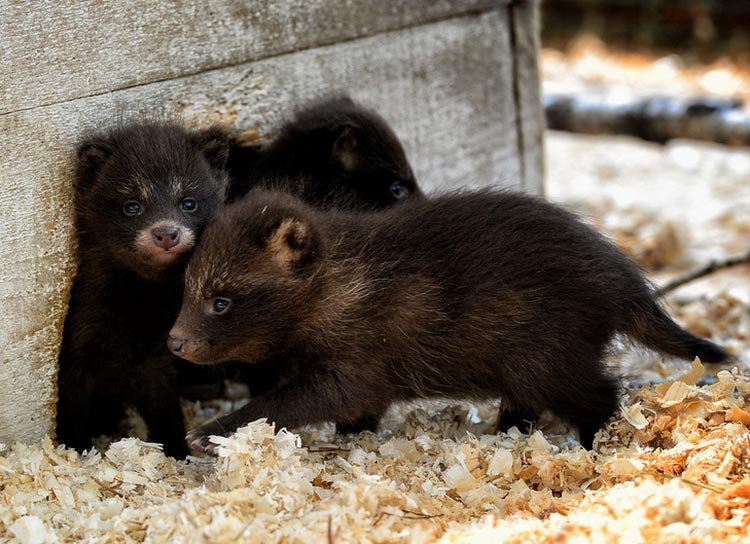
Puppies at 2 months of age are usually affectionate and tame, but after a few weeks they will begin to show character, and it will take a lot of knowledge and patience to raise and train them. Raccoon dogs are not born tame. And of course, you need to make sure that the babies grew up in good conditions, look healthy and well-groomed, have a good appetite, are affectionate and friendly, and are not shy or aggressive.
The price of a raccoon dog puppy from domestic parents is 7,000-10,000 rubles. Wild foundlings can cost up to 5,000 rubles.
Photos
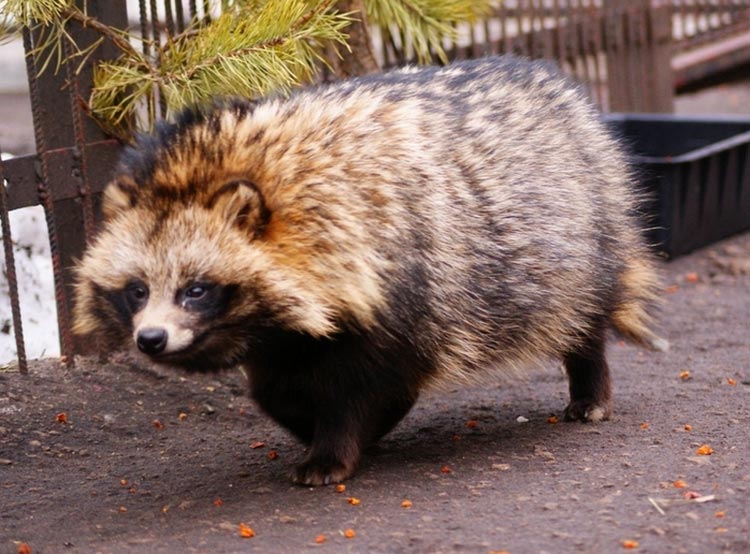
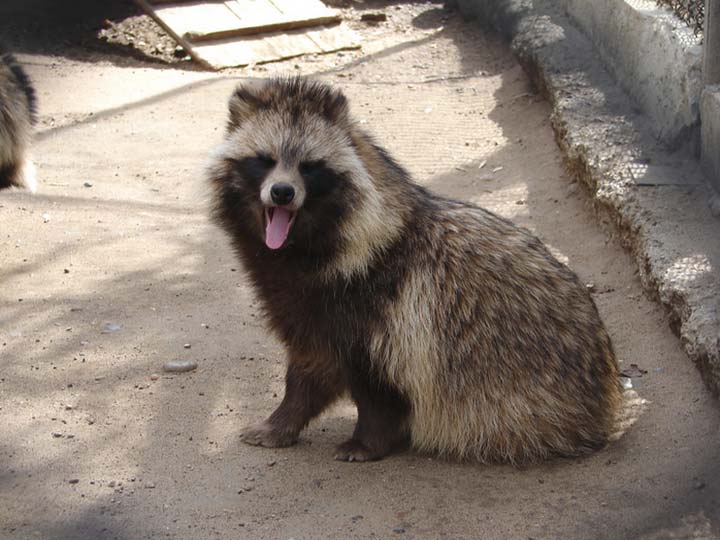
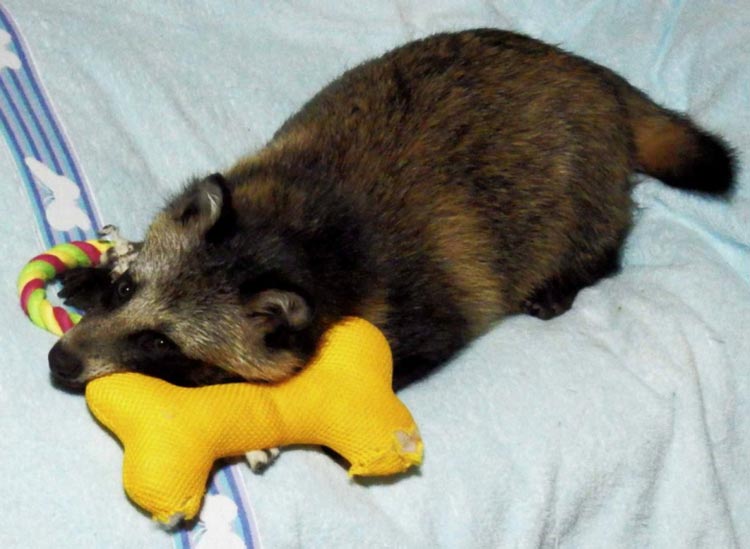
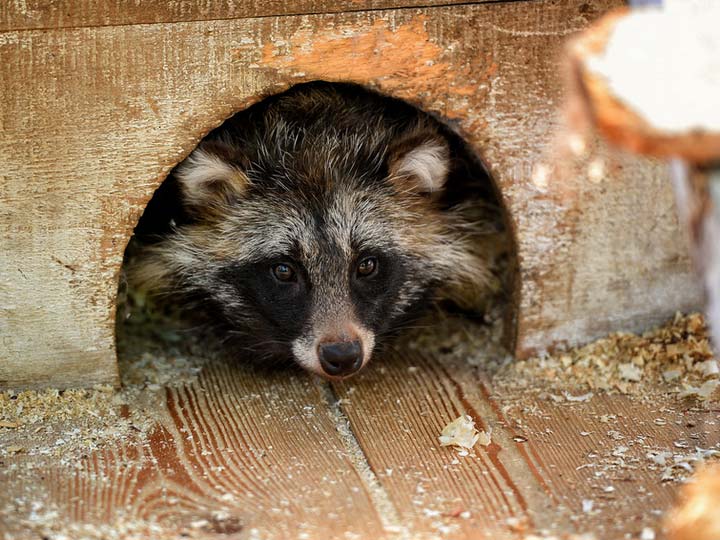
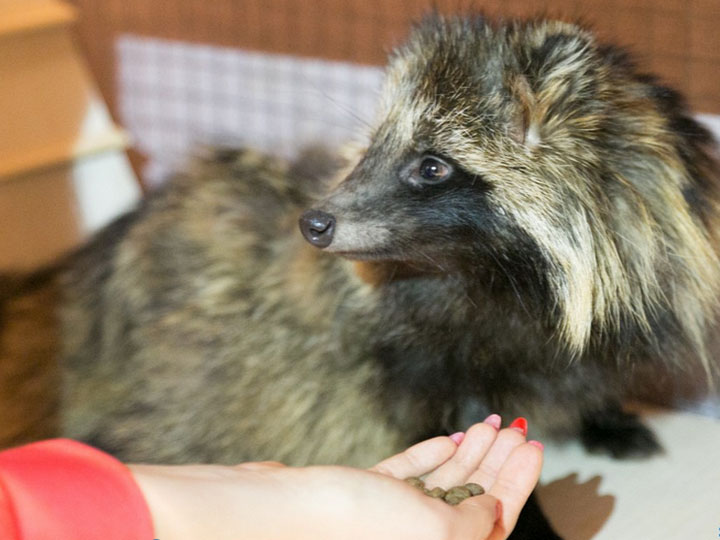
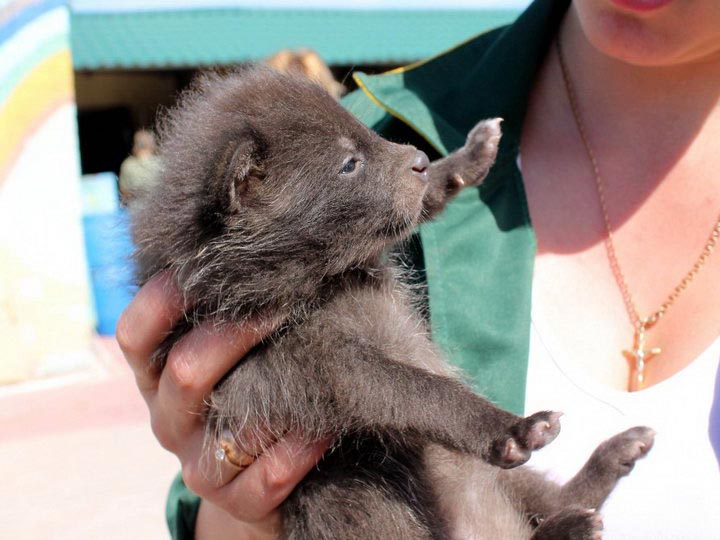
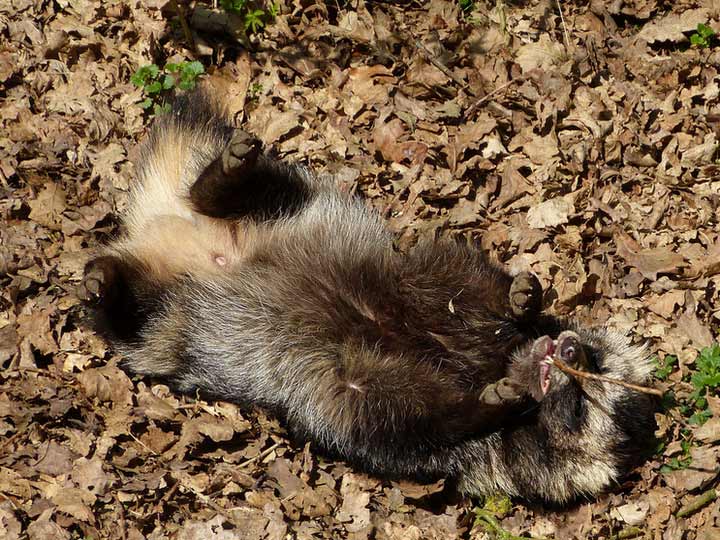
Raccoon dog in the photo:


Add a comment