
Endometritis in dogs: symptoms and treatment
Treatment of endometritis in dogs involves a combination of therapeutic procedures aimed at eliminating the inflammatory process and promoting recovery. Endometritis (pyometra) is an inflammation of the uterine lining. This condition is most often accompanied by pus accumulation in the uterus and is associated with severe illness in the dog. If left untreated, it can be fatal.

Reasons
The most common cause of this condition is hormonal imbalance. This condition causes thickening of the uterine walls and accumulation of large amounts of secretory mucus. As a result, the mucus is released from the body as serous fluid, leading to acute inflammation. Pyometra begins after bacteria penetrate the uterine cavity. Therefore, vaginitis, genitourinary diseases, and certain genital diseases can cause this condition.
If a puppy is about to give birth, the animal also becomes ill (the fetus decomposes in the womb, introducing bacteria that trigger inflammation). In these cases, endometritis is particularly severe. If, during the birth, the owner decides not to wait for the midwife and removes the fetus manually, without antiseptics or sterile gloves, infection can also occur.
Symptoms
The main signs of this disease in its acute form (symptoms appear several days after infection) include the following:
- change in the general condition of the dog, deterioration of mood, appearance of a feeling of weakness and apathy;
- discharge of grayish mucus mixed with pus from the genitals;
- elevated body temperature;
- frequently being in a position in which urination usually occurs (even if the dog does not want to urinate);
- vomit;
- rapid loss of fluid from the body (the animal constantly wants to drink);
- frequent urination (in some cases the dog starts to urinate in the house);
- change in heartbeat (this can be monitored independently, just put your ear to the animal’s chest);
- difficulty breathing, it becomes more difficult and intermittent (as a result of disruption of the heart muscle);
- If treatment is not prescribed in time, the dog loses its coat and increased skin pigmentation is observed due to hormonal imbalance.
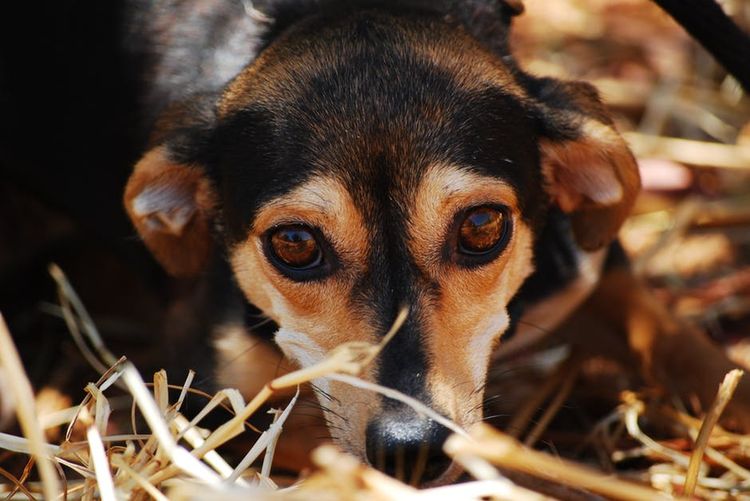
If an animal's acute illness is not treated, it may develop into a chronic condition. In this case, the following symptoms are observed:
- Violation of the duration or periodicity of estrus.
- Severe weight loss.
- The appearance of weak puppies, which may die during or immediately after birth.
- Difficulties with conception, which may later lead to complete infertility.
Please note: all of these signs may indicate not only the development of endometritis but also the onset of other gynecological conditions. Therefore, at the first sign of symptoms, it is important to consult a qualified veterinarian who will conduct a diagnosis, accurately identify the underlying pathology, and prescribe timely treatment.
Diagnostic features
After you visit the veterinary clinic, the vet will take a medical history and review your pet's medical history. Be prepared to answer questions regarding your pet's heat cycle. pregnancy and birth, as well as the color and consistency of discharge from the animal's genitals.
Once these questions have been clarified, the dog undergoes an examination. The specialist measures body temperature, determines the condition and color of the mucous membranes, and palpates the peritoneum. If the diagnosis cannot be confirmed, additional tests are ordered.
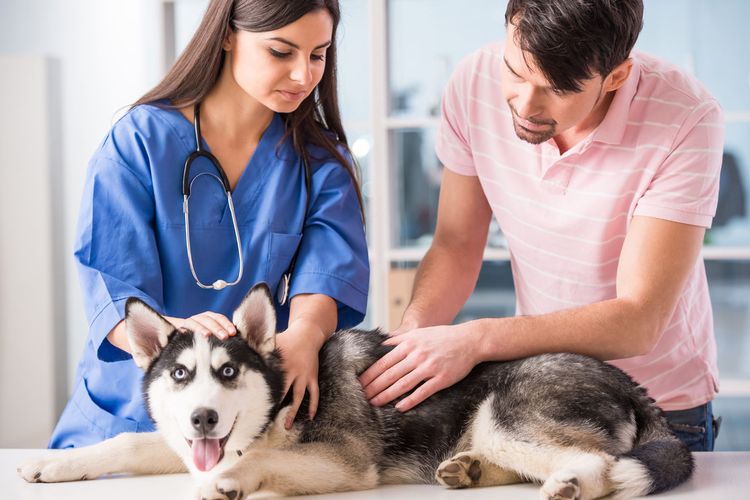
To determine the symptoms and prescribe treatment for endometritis in dogs, a veterinarian performs an ultrasound to determine the condition of the uterine cavity. Laboratory diagnostics (general urine and blood tests to determine inflammation) are also performed.
If cardiac dysfunction is detected during diagnostics, the dog is sent for an ECG, which helps rule out heart disease. Based on this information, a precise treatment plan is prescribed.
Treatment
First of all, the doctor prescribes medications that restore the balance of water and salts in the body if the animal has been vomiting for a long time and dehydration has set in. If the dog's body temperature is elevated, antipyretic medications are prescribed.
To eliminate the inflammation, a course of antibiotics is prescribed. The minimum treatment duration is ten days; the veterinarian can extend the course if necessary. If the medication has no effect on the pathogens, a bacterial culture is ordered. This analysis allows us to accurately determine which antibiotic is effective against which bacteria.
Please note: Antibiotic therapy should only be prescribed by a veterinarian; self-prescribing is not permitted. Medication should be administered under the supervision of a specialist to avoid side effects.
If you seek medical attention too late, surgery is performed. During the procedure, the surgeon removes the uterus and, in some cases, the appendages. Surgery is prescribed if there is a high risk of organ rupture due to accumulated purulent discharge (if a rupture occurs, the dog will inevitably die). After surgery, the animal will be hospitalized for observation, while specialists monitor the functioning of the organs, including the heart muscle. Antibiotics are prescribed to prevent postoperative infection.
Prevention
To prevent inflammation of the uterine tissue in dogs, owners must ensure proper preventative measures. Since the primary cause of this condition is hormonal imbalance, it is important to consult a veterinarian at the first sign of symptoms, as well as undergo regular preventative examinations and, if necessary, blood tests.

Monitor your animal's pregnancy and conduct early ultrasound scans. This will help rule out false pregnancy, which requires prompt treatment, as otherwise the risk of inflammation increases severalfold.
Conduct regular self-examinations of your pet. If you notice a change in the nature of genital discharge, schedule an appointment with your veterinarian immediately (this will allow for early detection of vaginitis and other gynecological conditions).
Many owners neglect dog hygiene. This shouldn't be the case. Remember to bathe your dog regularly and monitor its behavior: don't allow it to walk near trash containers, carefully groom its coat, and avoid contact with other animals that are unkempt or show signs of illness.
Pay special attention during the birth. The best option is to call a veterinarian to monitor and supervise the process. If you have to provide emergency assistance yourself, use sterile medical gloves and antiseptic solutions (such as miramistin or chlorhexidine).
Proceed with caution, otherwise genital ruptures may occur. After administering first aid, take your dog to the vet as soon as possible to ensure the birth is proceeding normally. With careful monitoring of your dog, the risk of developing acute or chronic endometritis is reduced to zero, so caring for your dog is the key to prevention.
Thus, endometritis is a condition that is dangerous to your pet's reproductive function and, in some cases, life-threatening. If your female cat shows any suspicious symptoms, schedule an appointment with a specialist who will prescribe comprehensive treatment.
You can also ask our website's staff veterinarian a question, who will answer them as quickly as possible in the comments box below.
Read also:


Add a comment