
Dog exterior: what is it?
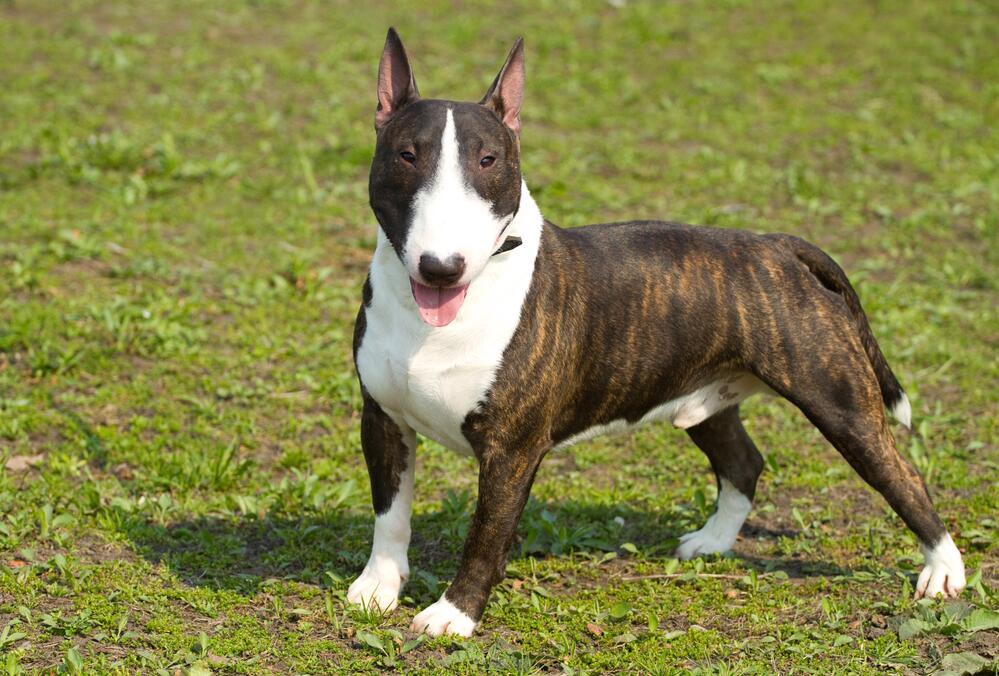
A dog's conformation is a combination of physical characteristics and other aspects necessary to perform specific functions. Each subspecies has its own specific requirements, developed by international cynological federations and associations. The standard is based on the breeding history, observations of the breed, and the purpose of its development. Existing standards are so strict that an expert opinion is sometimes required to confirm all criteria.
Content
Exterior as a goal
An animal's appearance is determined by the tasks for which its body is best adapted. For dogs, this primarily applies to service—guarding and hunting—which require strong muscles and powerful jaws. Modern toy dog breeds were bred as human companions, so the primary focus was on the beauty of their coat, compact size, and reduced aggression.
The selection of today's breeds often took centuries. In addition to external characteristics, much attention was paid to health and the absence of mutations. The combination of appearance and working qualities, along with a reduced predisposition to specific diseases, is called a dog's overall conformation.
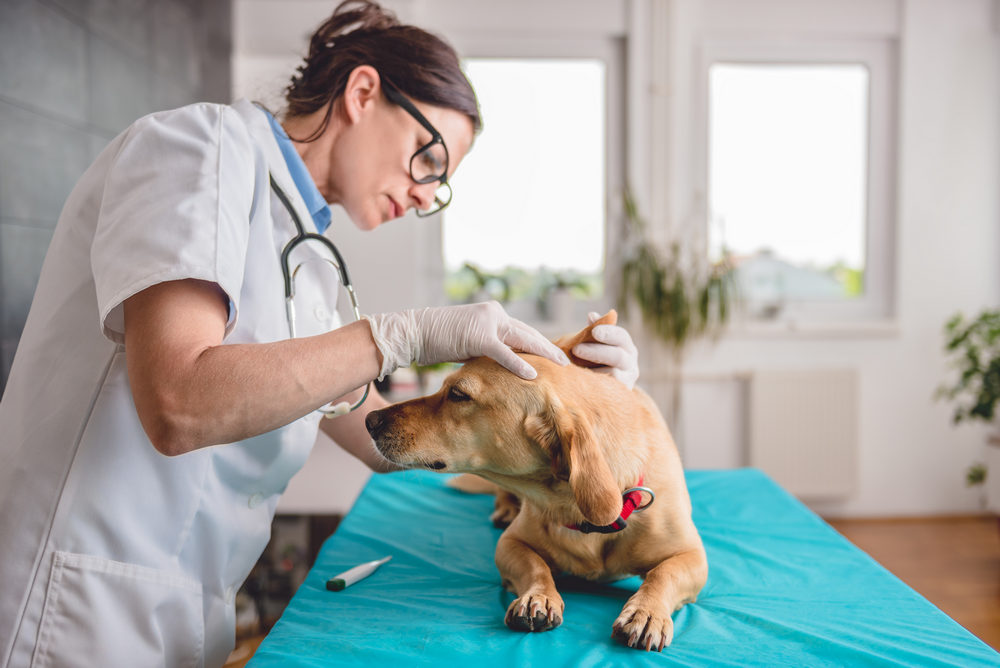
What is included in the concept of "private exterior characteristics"
The exterior characteristics of a specific dog include two criteria:
- Evaluation of the standard.
- Deviations from the norm acceptable for this type.
All members of a given canine family share a number of common characteristics, collectively known as a biomechanical model. This includes the ratio of body size to leg length and angles, as well as the parameters of the head and other body parts. Using this biomechanical model allows for:
- to assess the belonging of a dog show participant to the elite;
- to obtain the most positive result during selection.
Private assessment includes:
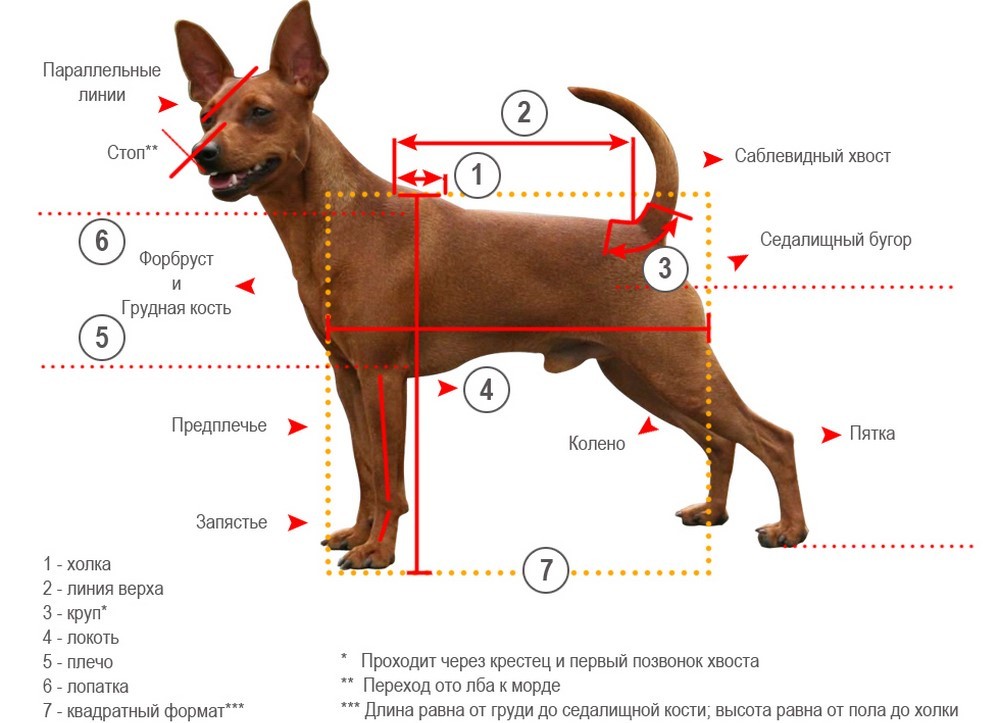
- The ratio of back length to loin and croup is the 2:1:1 rule, or topline. This ratio determines the coordination of the body's movements with the limbs and the overall contours of the figure.
- Head parameters help determine the animal's sex visually. A lack of difference in skull size between males and females over several generations or within a single litter indicates a pathology that leads to decreased reproduction. The shape and size of the skull, bony protrusions, and proportionality to body length are important indicators of a delicate or coarse body type.
- Correct joint angles of the limbs guarantee precise coordination and good mobility.
- The density and uniformity of the color of the gum tissue with healthy teeth and a normal bite prove that the animal has no problems with the functioning of the gastrointestinal system.
- A dense overall color is an indirect sign of a healthy body.
- The tail is responsible for maneuverability and expression of emotions.
- Distinguishing features – characteristic stripes and spots allow one to distinguish individuals of the same species.
When evaluating individual parameters, there should be no significant deviations from the norm. The exception is some breeds in which a trait that is abnormal for others has been specifically honed through selective breeding.
Examples of specially fixed exterior features
Among the exceptions are two common types – Russian greyhound and the German Shepherd. The general and specific exteriors of these canines gradually changed under the influence of selective breeding.
Russian Borzoi
A distinctive feature of the breed is its "quarry" gait, in which the animal takes long leaps with its hind legs outstripping its forelimbs. This results in disproportionately large hind legs, which affects the alignment of the spine.
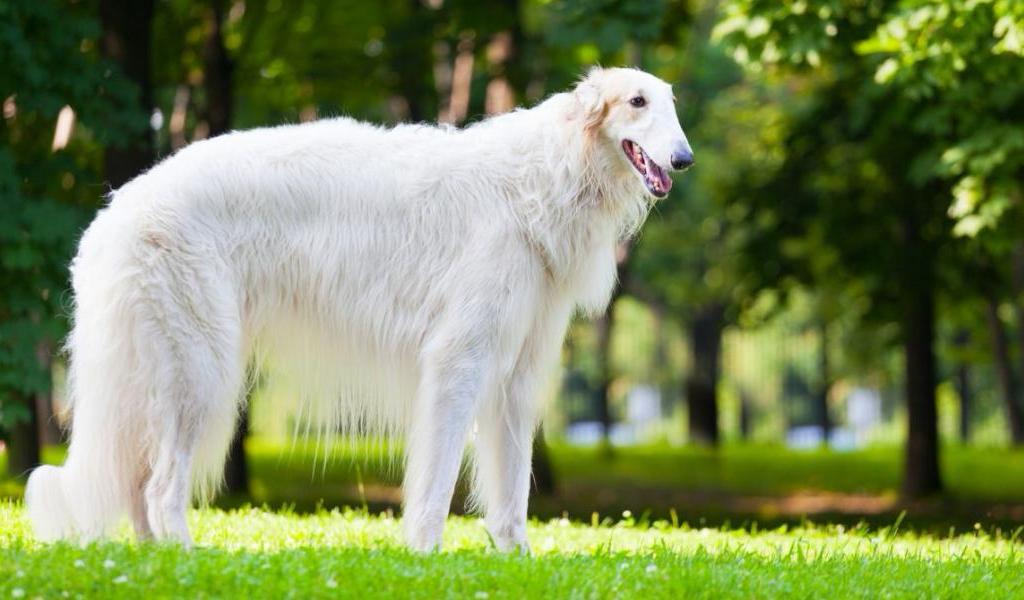
While the 2:1:1 principle applies to most breeds, a different ratio applies to the elite greyhound—1.7:1.3:1. The difference in the angles of the shoulder blade and hip joints of approximately 15° influenced the body structure:
- the back is shaped like an arch;
- the lower back looks excessively long;
- the pelvis is located quite high.
The dog's specification is high-speed, long-term running, which led to such changes in the exterior.
German shepherd
The qualities necessary for a working dog were inherent in the breed from the very beginning. However, the perfection of its exterior characteristics was achieved through extensive selective breeding. Cynologists around the world worked with animals that are naturally drawn out.
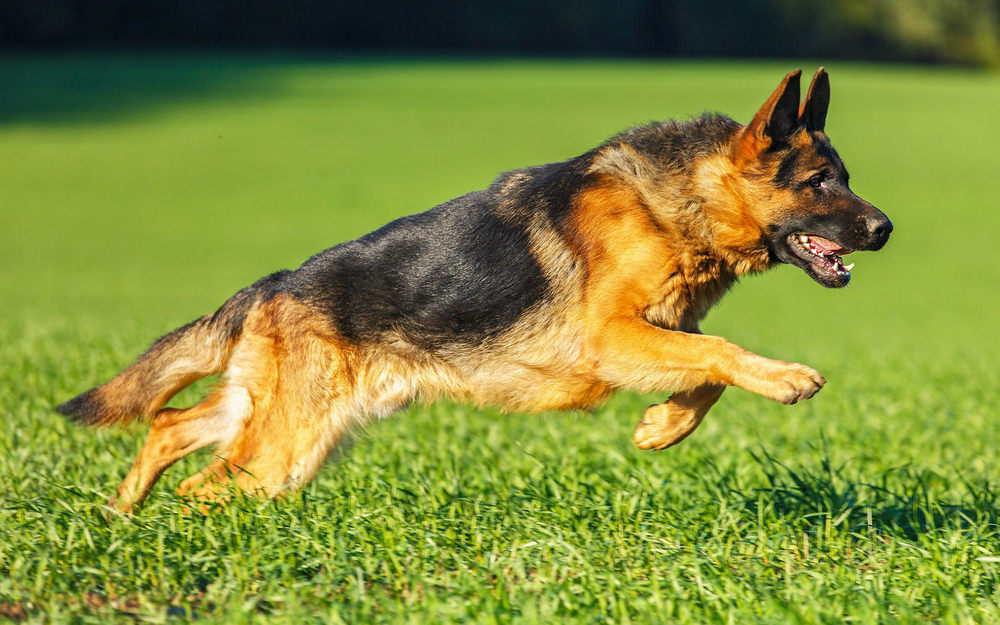
As a result of crossing pets with individual standard traits, a modern breed with characteristic features was obtained:
- convex chest;
- raised front part;
- significantly sloping croup;
- pronounced sharp angles of the hind elongated legs.
Professional dog breeders have cured the animal of a number of natural defects:
- back weakness, which was diagnosed with age or due to increased physical activity;
- poorly defined angle in the shoulder area, caused by an insufficiently steep position of the iliac bone;
- vertical hip placement resulting in a narrow swing width.
Cynologists were tasked with increasing the convexity and curvature of the ribcage to improve chest cushioning and sharpen the rib angles. This improvement reduced the strain on the back during jumping and landing. The result of selective breeding with altered conformation traits is improved endurance, a faster trot, and a reduced risk of back injury.
Expert assessment
Conformation assessments are typically performed for participants in shows or fights. These assessments are performed using visual methods, such as the animal's movement and stance. Experienced dog handlers with extensive knowledge of specific dog breeds serve as experts. However, to eliminate any inaccuracies, visual assessments are supplemented by video recordings, photographs, weighing, and measurements. The biometric data of elite specimens is recorded in their passport, allowing them to be used for planned breeding in future breeding programs.
The visual examination is performed by an expert and two assistants at a distance of 4 meters from the front, sides, and rear. During the assessment, the animal stands on a level surface, with all paws resting on the floor. The overall characteristics are assessed first, then each aspect is assessed step by step, following a specific sequence.
Anatomically, an animal's body is divided into four main regions called sections: head, neck, body, and legs. Each section is examined, examining the smallest details of its structure. For example, in the "head" section, the height of the forehead, the length of the bridge of the nose and the entire muzzle, the size of the nasal lobe, and the configuration of the ears are described in detail.
Based on the inspection, a questionnaire is completed. The description adheres to the stated format:
- General information is presented, starting with the composition of the teeth and the quality of the bite.
- Next, enter brief information about the pet's type and its place in the exterior ladder - elite, purebred, fairly purebred, or typical.
- They clarify data on constitution, height, weight, body format, coat quality and color.
- They note how well the muscles are developed.
Having finished with the general information, we move on to a description of the specific ones:
- They begin with the head—the primary indicator of pedigree. While typical features of a given breed are present, only information about exterior flaws is included.
- After describing the head, the topline is analyzed, including the back, withers, croup and loin.
- They also examine the chest area, abdomen, and structure of the paws one by one - first the front limbs, then the hind limbs, noting the position, structure, and joint mobility.
- At the final stage, sexual dimorphism—the differences between the male and female—is assessed. A male with insufficiently defined sexual characteristics cannot be considered elite—he may be good looking, but is unlikely to be suitable for breeding.
Expertise requires judges to have several qualities: professional education, the ability to evaluate visually, and to be impartial.
Exterior characteristics are important for show and fighting dogs, and for breeders who maintain kennels for breeding purposes. But for pets, possessing the qualities of elite representatives of the breed is not essential. An owner is unlikely to love their pet any less if its height at the withers or coat color does not meet the international standard.
Read also:


Add a comment