
Eclampsia in dogs after birth: symptoms and treatment
Eclampsia (from the Greek "lightning flash") is a severe pregnancy complication, a life-threatening comatose state. It can occur late in pregnancy, during labor, or in the postpartum period, and occurs in both humans and animals. Among domesticated animals, cats tend to tolerate eclampsia more easily than dogs.
In veterinary medicine, this condition is known as postpartum hypocalcemia, milk fever, or lactation tetany. Because eclampsia is a very acute and rapid condition, it's crucial for owners of expecting dogs to be familiar with its symptoms and master first aid techniques.

Content
Mechanism and causes of development
The etiology of the disease is associated with a severe calcium deficiency in the blood. As a regulator of metabolic processes in mammals, this macronutrient acts as an antagonist ("brake") for the macronutrients sodium, potassium, and phosphorus. Therefore, a calcium deficiency increases the relative amount of potassium, which mediates muscle contraction, leading to the development of a convulsive syndrome (tetany). Furthermore, magnesium, essential for the central and peripheral nervous systems, can only be absorbed by the body in the presence of calcium.
Good to know! Whether this condition is hereditary has not been established, but statistics indicate that if a female dog has experienced eclampsia once, she will be susceptible to it in subsequent pregnancies. Such dogs require special care and constant monitoring throughout the lactation period.
According to clinical studies, eclampsia can develop when a dog's blood calcium level falls below 1.7 mmol/L. This deficiency can occur in some cases:
- in pregnant dogs shortly before giving birth with multiple fetuses pregnancy;
- due to the loss of calcium 2-4 weeks after birth, when the puppies have grown and require a lot of milk;
- at the end of feeding due to a deficiency of this macronutrient gradually accumulated during the lactation period.

Possible factors that can trigger hypocalcemia in dogs include:
- insufficient intake of macronutrients with food due to an improperly organized diet;
- a deficiency of vitamin D in the dog’s body, which means that calcium is poorly absorbed;
- diseases of the liver or bile ducts, accompanied by disturbances in the breakdown of fat (fat cells have the ability to bind certain macronutrients, thereby making it difficult for them to be absorbed);
- thyroid pathologies, when calcium is not absorbed due to a lack of the hormones necessary for this;
- Breed characteristics (dogs of miniature breeds are more susceptible to eclampsia than others, as their bodies do not have time to compensate for the loss of bioactive elements during pregnancy and feeding of puppies).
Symptoms
The most common symptoms of postpartum eclampsia in dogs include:
- general weakness, apathy;
- anxiety, restless behavior;
- rapid pulse, heavy, “ragged” breathing;
- trembling, tremor of the limbs, involuntary convulsive contraction of muscles;
- impaired coordination, loss of balance;
- photophobia (the dog constantly tries to hide in a dark place);
- refusal to eat;
- ignoring puppies.

Important! When eclampsia develops, every hour and minute counts: if help is not provided within the first 24 hours, the dog's risk of death is almost 100%. If eclampsia is suspected, call a veterinarian immediately, and until the veterinarian arrives, administer first aid yourself.
Urgent Care
A situation where a female dog shows signs of milk fever is considered critical, so it's important to know exactly what to do and act quickly. The first step is to keep the animal calm and warm. To do this, place the animal in a darkened area, wrap it in a blanket or quilt, and place heating pads or hot water bottles on top. Next, administer a sedative (valerian, valocordin, or corvalol). The dosage depends on the animal's weight and ranges from 5 to 20 drops. The medication is diluted in 50 ml of water and administered into the dog's cheek.
Next, we need to move on to the main task—increasing calcium levels in the body. A solution of calcium chloride or calcium gluconate is used for this purpose. If you are not comfortable giving injections, administer the medication orally by gently pouring it into the mouth. 10% calcium gluconate should be diluted 1:1 with saline, and calcium chloride should be diluted 1:1 with milk. The dosage is 0.5 ml of the 10% solution per 1 kg of the animal's body weight. Injecting the same medications will produce a more rapid effect. The dosage for injections is calculated the same as for oral administration.

Calcium gluconate can be administered subcutaneously (in the withers), intramuscularly (in the paws), or intravenously. For intramuscular administration, it is recommended to dilute the drug with novocaine or saline solution 1:1, divide the dose into 4 parts, and administer one in each paw. Intravenous 10% calcium gluconate is administered undiluted.
Calcium chloride is administered intravenously only. If hardening, redness, or localized warmth occurs at the injection site, a novocaine block or 1% sodium chloride injection is administered to the area. This prevents swelling and tissue necrosis.
Follow-up treatment
After the acute condition has been relieved, treatment for postpartum hypocalcemia continues for another 1-3 weeks. Depending on the animal's condition, the veterinarian may prescribe a 5-day course of calcium gluconate injections or a 20-day course of oral calcium chloride (tablets or solution). If the owner is unable to administer the injection and the dog categorically refuses to swallow the medication, the medication is administered via enema.
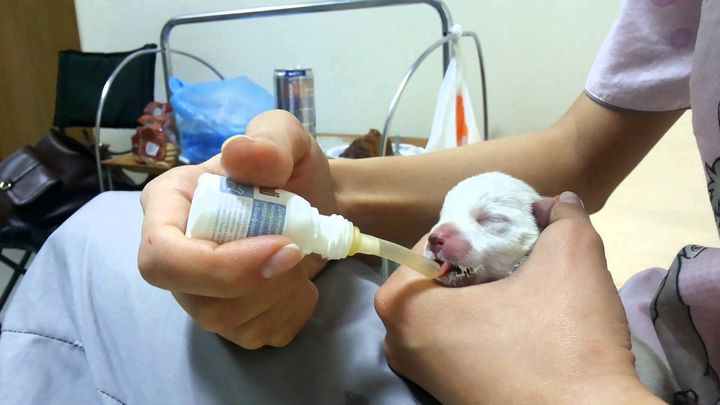
The standard treatment regimen also includes sedatives—2-5 drops on the tongue, three times a day, for five days. This is necessary to relieve the nervous system of stress. Until the bitch fully recovers from eclampsia, it is recommended to transfer the puppies to artificial feeding (partially or completely).
Prevention
Even if your dog is not at risk for postpartum eclampsia and has already delivered puppies without problems, to prevent the possibility of developing this dangerous complication, follow these guidelines:
- Try to identify and treat all chronic diseases before mating, as this will be more difficult during pregnancy. This is especially true for conditions that affect mineral metabolism.
- Feed your dog appropriately during pregnancy and lactation. Your dog's diet should contain all the nutrients she needs, including adequate amounts of macro- and micronutrients.
- Half a month before the expected birth and the same amount exclude from your diet after childbirth The bitch should be fed meat and fish. During this period, she should be switched to a milk diet—feeding cottage cheese, milk, and fermented milk products.
During pregnancy, it's a good idea to check your dog's blood calcium levels. This will help detect any potential drop and correct it promptly.
You can also ask our website's staff veterinarian a question, who will answer them as quickly as possible in the comments box below.
Read also:
- Dog pregnancy in detail, day by day
- Mating dogs: when and how to mate
- How to tell if a dog is pregnant


2 comments
Xenia
Hello! My dog (a toy terrier) is showing signs of eclampsia. She gave birth two weeks ago. I can't get her to the vet. On the vet's advice, I gave her a calcium gluconate injection, 1.5 ml intramuscularly. Will she need more injections or medications in the near future? And how should I proceed with the treatment?
Daria is a veterinarian
Hello! Postpartum eclampsia primarily affects small-breed female dogs. Multiple pregnancies are considered a predisposing factor. Treatment involves intravenous fluids and a 10% calcium gluconate solution (3-10 ml), or, in extreme cases, subcutaneously (in which case the 10% gluconate solution is mixed with the same volume of any saline solution – 1:1, i.e., 3 ml of gluconate and 3 ml of saline solution, for example). Inject no more than 5 ml at a time into several injection sites. The puppies should be fed with a milk replacer (weaned from the mother, as they leech calcium from her milk, causing eclampsia). Keep the puppies on this milk replacer for a day or two. This will allow the mother time to recover. Calcium supplements should be added to the diet of both the mother and the puppies. Monitor your heart rate, as large amounts of calcium can cause bradycardia or arrhythmia.
Add a comment