
Aegean cat: breed description
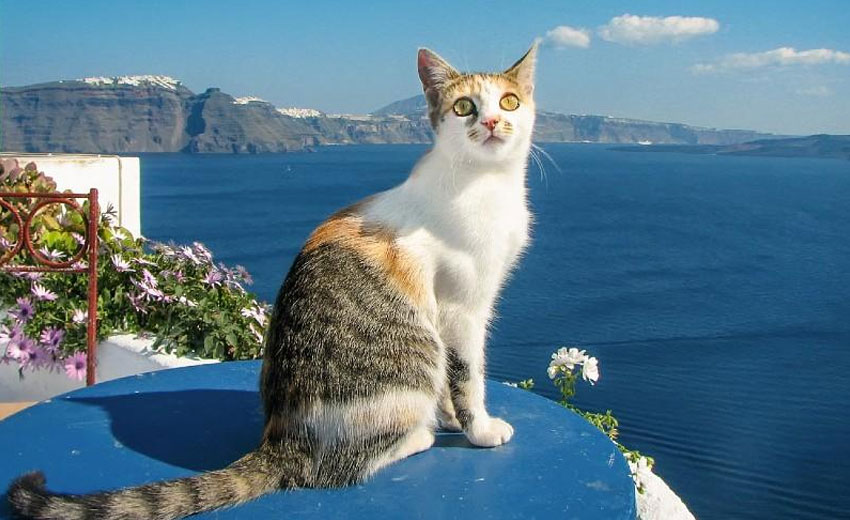
It wasn't breeders who created these graceful animals, but nature itself. The Aegean cat is a representative of the natural fauna of Greece. Finding purebred cats outside of Greece is difficult – the breed lacks distinctive external characteristics, so the main breeding catteries are concentrated within the country. International recognition is hampered by the lack of standards in the lists of feline associations. But although purebred "Greeks" are not in demand at shows, breeders are not despairing and are striving to popularize the domestic feline species.
Content
Breed characteristics
Although true Aegean cats lack distinctive external features and may seem to some to be very similar to their mongrel relatives, they possess a special charm, are capable of giving their owners a sea of love and affection, and are also excellent hunters.
|
Original title |
Aegean cat |
|
Country of origin |
Greece (Cyclades Islands) |
|
Year of breed appearance |
1990s |
|
Weight |
3-5 kg |
|
Life expectancy |
12-15 years old |
|
Kitten price (depending on generation) |
4,000 – 10,000 rubles |
We suggest you learn more about how Aegean cats behave in the family by reviewing the table of key characteristics, compiled based on breeder reviews:
|
Parameter |
Level |
Points |
|
Size |
|
3 out of 5 |
|
Intelligence |
|
3 out of 5 |
|
Playfulness |
|
4 out of 5 |
|
Health |
|
3 out of 5 |
|
Picky eating habits |
|
2 out of 5 |
|
Activity |
|
4 out of 5 |
|
Friendliness |
|
4 out of 5 |
|
The need for communication |
|
4 out of 5 |
|
Molting |
|
3 out of 5 |
|
Attitude towards children |
|
4 out of 5 |
|
Attitude towards strangers |
|
3 out of 5 |
|
Cost of maintenance |
|
2 out of 5 |



Origin of the Aegean cat
Initially, representatives of the breed lived in isolation only on the Cyclades Islands. They were brought to Greece by sailors who used them to hunt rats on schooners.
It is recognized that Aegean cats are natural-born hunters of small rodents. It is possible that this well-developed hunting instinct influenced the cat's physiology, ensuring its high endurance and robust health.
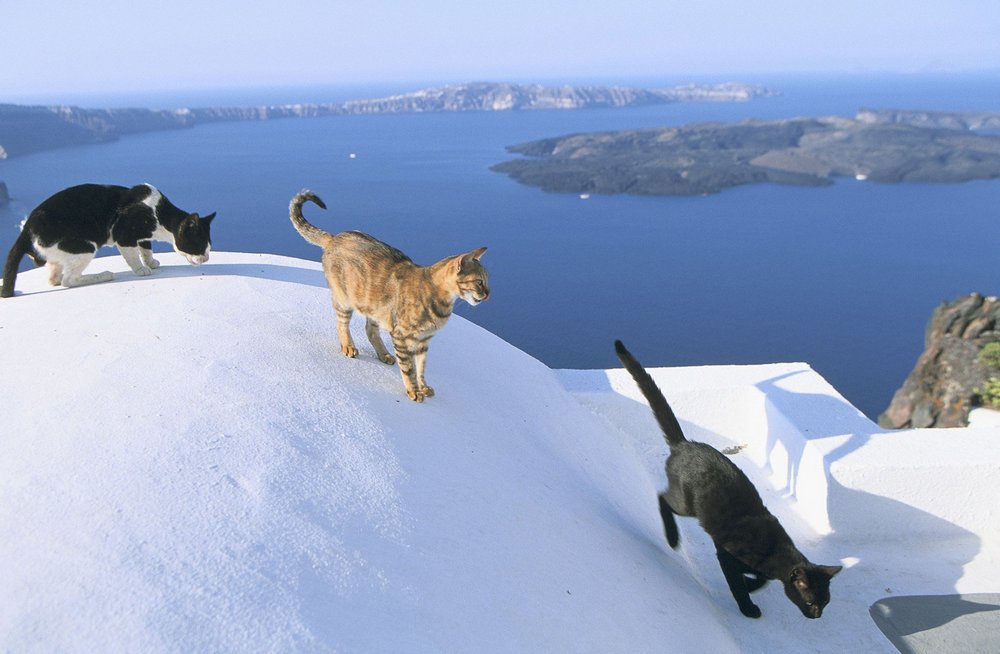
The first specimens were brought to the mainland about 100 years ago. However, breeding only began in the 1990s.
Today, Greeks consider the breed a national treasure. This "deification" is not surprising—genetic studies have confirmed the uniqueness of the population, revealing a unique set of genes. Archaeologists claim that the breed was one of the first domesticated by humans, approximately 10,000 years ago. The ancient Greeks believed that the presence of a cat of this species in the home ensured success in love affairs and enhanced a woman's attractiveness to suitors.
Description of the breed – external characteristics
It's virtually impossible for a non-expert to distinguish a common stray cat from an Aegean cat from a photograph – the resemblance is so striking. The average cat weighs 2-4 kg, with some specimens reaching 5 kg.
What does an Aegean cat look like?
- Physique dense, with a well-defined muscular corset.
- Height reaches 25-28 cm.
- Torso slightly elongated, limbs quite strong, strong chest.
- Paws They have a rounded shape, sharp, large claws, and a long tail evenly covered with short hair.
- Head wedge-shaped, slightly angular outlines, strong neck.
- Cheeks plump, pronounced chin, straight and short nose.
- Ears Most Aegeans have rounded tips and are covered with fur on the inside. Their hearing organs are widely spaced.
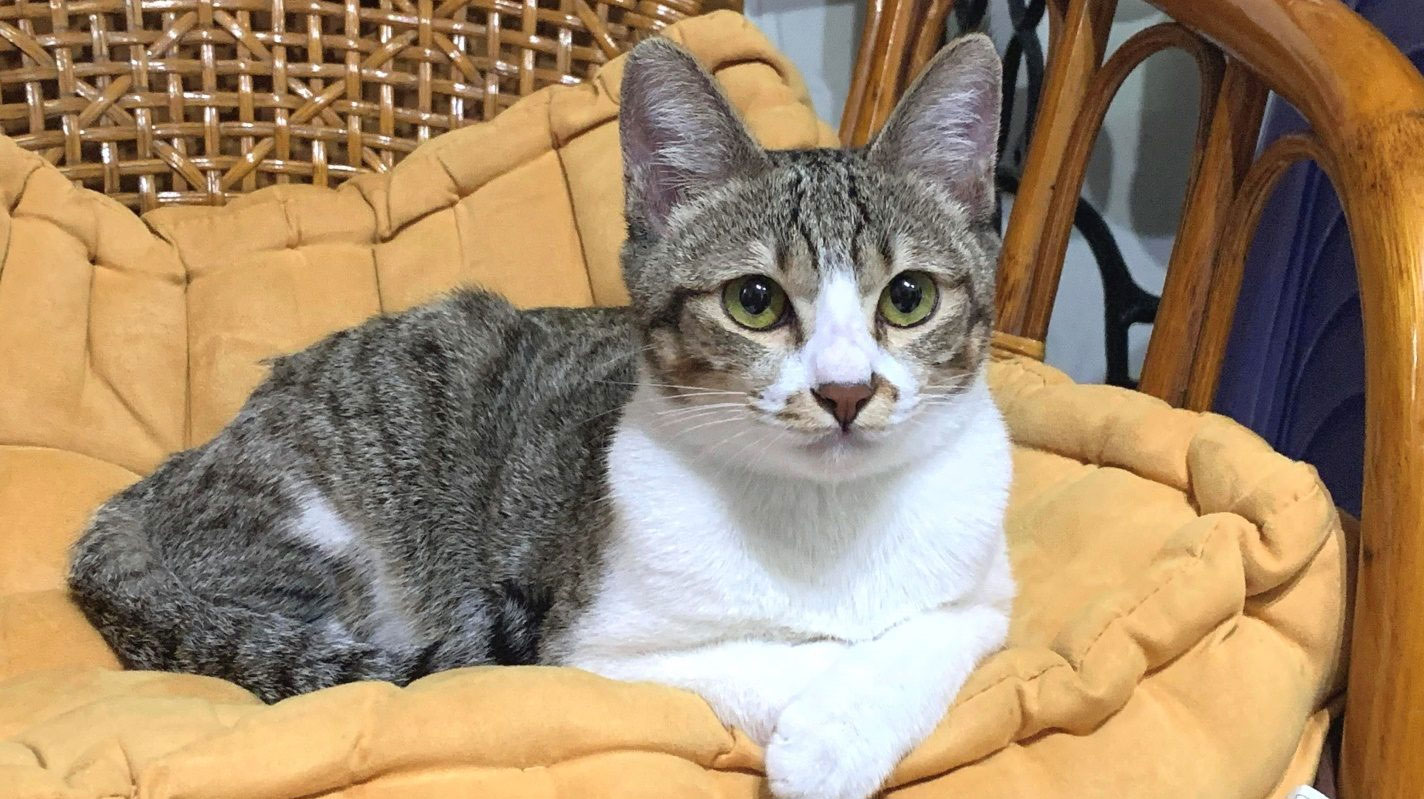
- Eyes Almond-shaped, often squinting. Color ranges from yellow to various shades of green.
- Wool Coat texture can vary. Some individuals have short hair and some have quite long hair, extending toward the chest. Coat texture can change depending on the season.
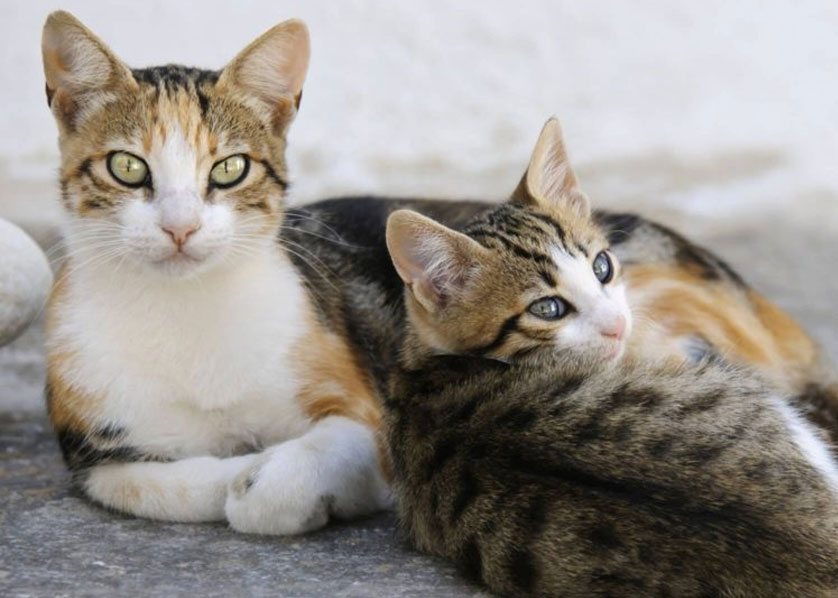
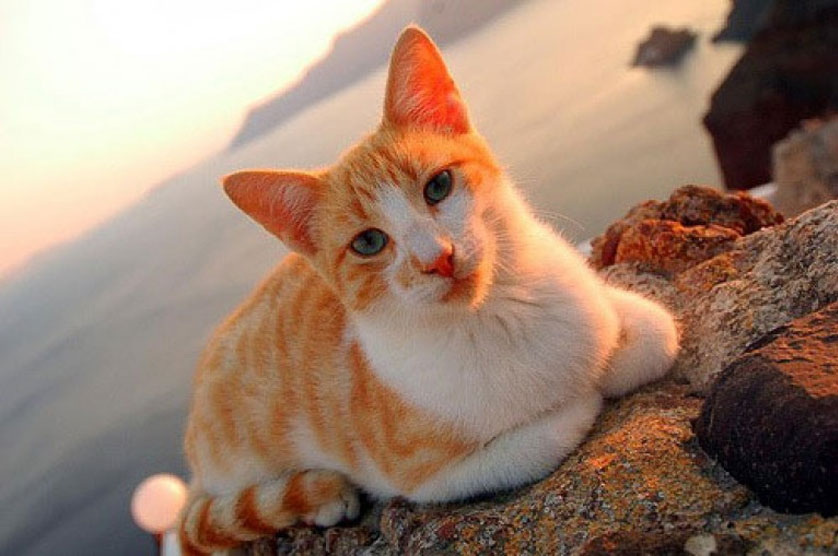
Catteries prefer crossbreeding to produce a white coat, with hints of gray or red on the top of the head, tail, and back. However, in the wild, various colors do occur—bicolor or tricolor Aegean cats are not uncommon.
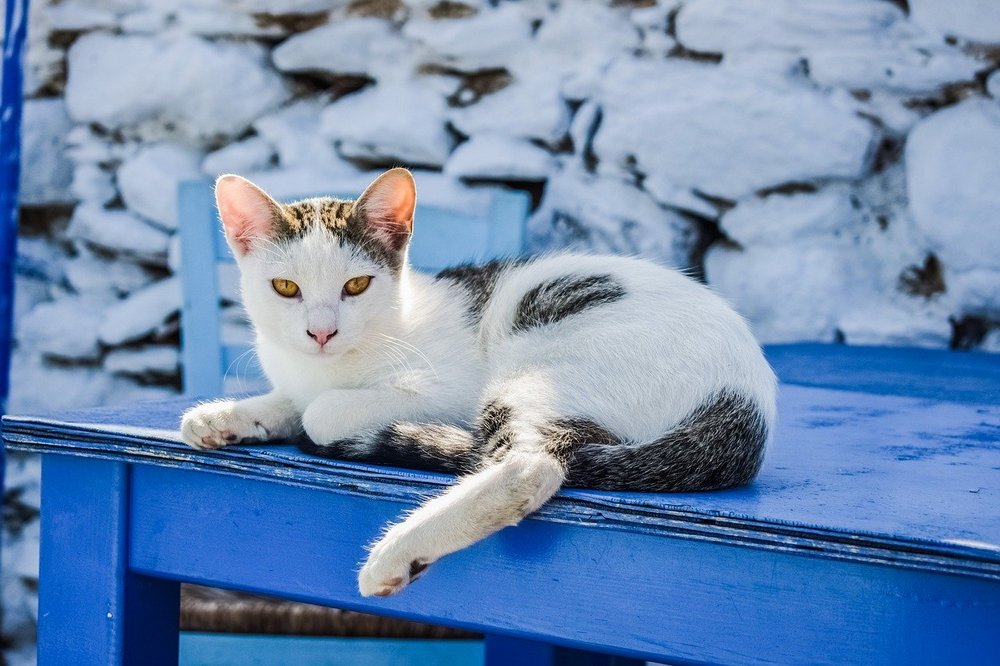
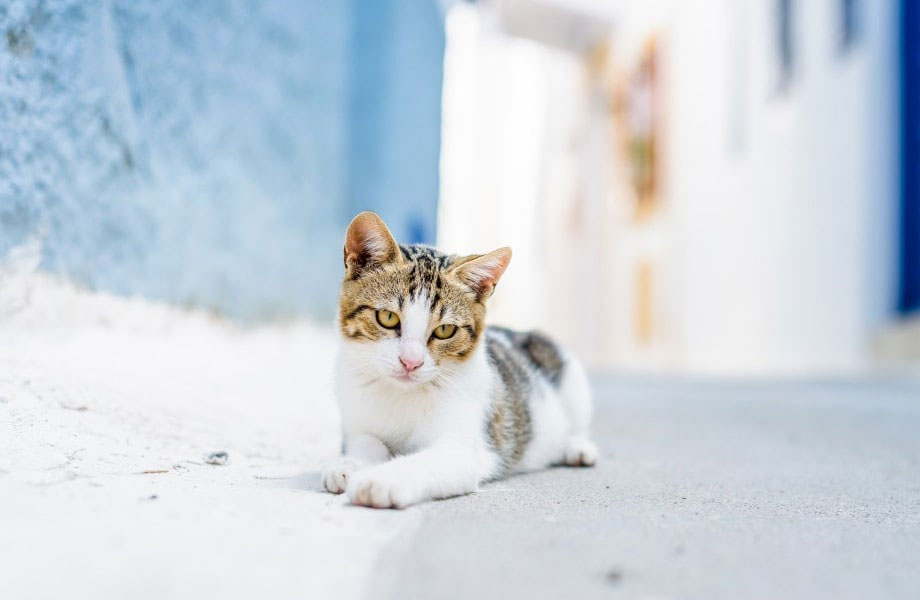
The classic snow-white coloring with small colored spots or stripes is more typical of Aegean cats. The white background should not exceed two-thirds of the cat's surface.
Stain palette options:
- cream;
- red;
- blue;
- silver.
A popular tabby pattern among breeders is possible, with fine lines on the face creating the effect of eyeliner and an "M" on the forehead. This pattern, typical of wild animals, can be considered evidence of natural origin. In the classic Aegean cat coloring tricolor White, red and black tones are combined.
Character
From the description and photos of Aegean cats, it's clear that these animals prefer active play and aren't inclined to lounge on the couch for long periods. Their slender and graceful bodies are full of energy, which they need to expend during long runs and hunting small rodents. It's almost impossible to find a photo of an obese cat of this breed online.
Curiosity is one of their characteristic traits. However, a young kitten can be wary of strangers and take a long time to warm up to their owners. However, once they settle into the home, they open up completely to family members. Kittens enjoy playing with children and become companions for adults in all activities. Despite their highly developed intelligence, they are almost impossible to train and will destroy everything they come across during play.
Cats are not afraid of water, they enjoy swimming in natural springs, and they catch fish, having a special passion for it.
These pets are often kept in homes with rodents—natural hunters, they quickly clear the area of mice and rats. But instinct can backfire. Aegean cats don't differentiate between a rat and a pet hamster, an aquarium, or the sea. Therefore, it's best not to bring a cat into a home with birds, lizards, small rodents, or a large aquarium. A cat will never give up its attempts to get to its potential prey.
Aegean cats are naturally affectionate, but they are reserved and not overly clingy. They get along well with the entire family, but they choose a single owner. They are incredibly loyal and follow their owners everywhere. They value human interaction—they enjoy "conversing" with people, responding with a soft meow or purr.
Content
Breeders warn those considering a cat about the challenges of keeping them in a city apartment. Aegean cats require free access to the outdoors; they feel uncomfortable in confined spaces. Short walks on a leash with their owner aren't enough. The best option is a private home with a spacious outdoor area where they can roam for hours.
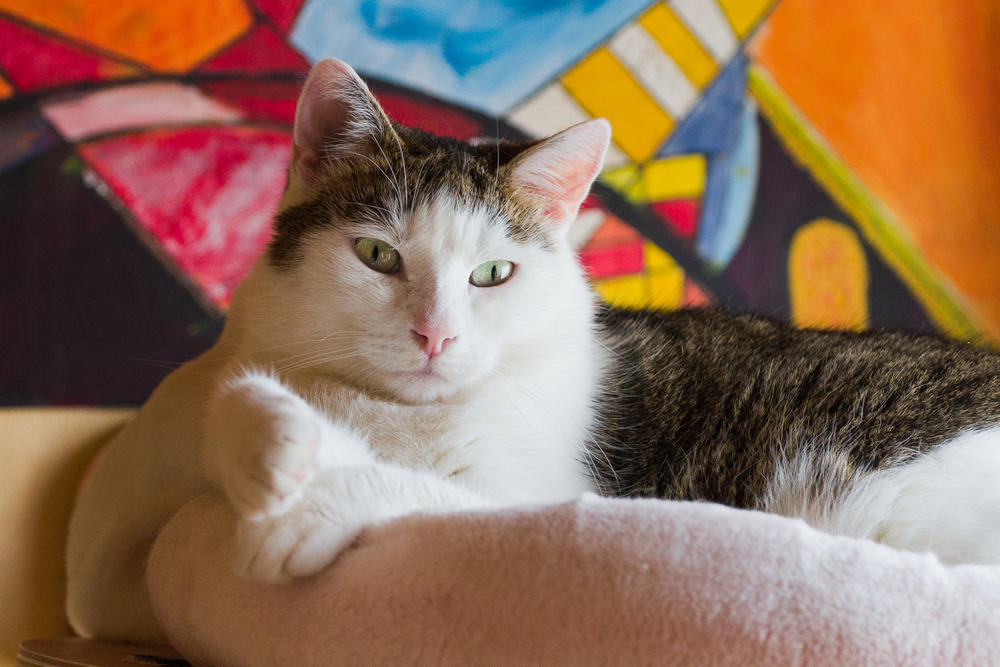
Lack of long walks in the fresh air provokes a depressive state and negatively affects the pet's health.
Feeding Features
An animal whose ancestors lived on the seashore for centuries is genetically adapted to consume seafood and fish, but feeding the Aegean exclusively fish or seafood is not recommended, as such a diet can lead to the development of urolithiasis.
If you decide to eat a natural diet, fish can become a key component of your menu, alternating with lean meats:
- rabbit;
- turkey;
- chicken;
- veal;
- beef.
Natural food is supplemented with finely chopped vegetables, boiled grains, chicken eggs, and organ meats. Vegetables and grains should not exceed 10% of the total volume. These components are essential for regulating bowel movements. Low-fat dairy products can be given occasionally, but introducing milk and cream into the diet is discouraged.
For young cats, dry food is preferable, offering a balanced formula containing minerals, organic ingredients, and vitamins essential for maintaining health. Dry food has the undeniable advantage of helping remove plaque from chewing teeth and strengthening gums. Additionally, a couple of times a week, you can treat your cat to sea fish, pre-cooked and deboned.
Lots of useful tips on how to What to feed a cat, you will find in the corresponding section of our website.
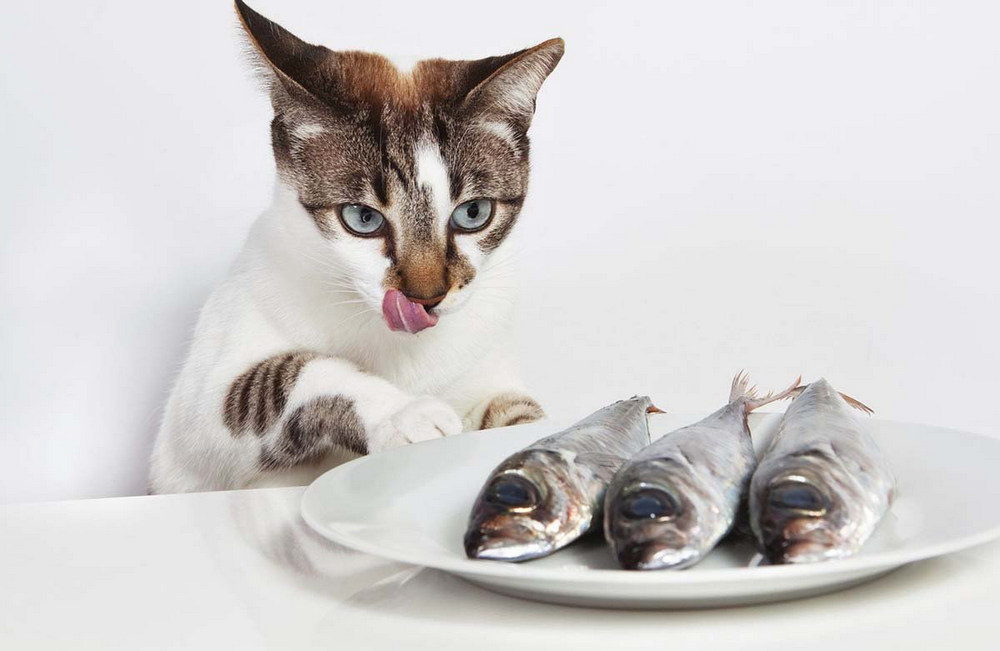
Representatives of this breed almost never have problems with appetite – Aegean cats happily consume both natural food and prepared food.
Care
Representatives of this breed raised in the wild shed their fur once a year. This shedding occurs before summer, which is very hot in Greece. Indoors, they are not subject to seasonal temperature fluctuations, as central heating maintains a relatively constant temperature throughout the year. Therefore, brushing once or twice a week is essential. Long-haired individuals shed more heavily.
Bathing is recommended as needed, at least once every six months. However, if the animal spends a lot of time outdoors, bathing is mandatory. After bathing, it's advisable to dry the coat with a warm stream of air or wrap the body in a towel. Aegeans are heat-loving and don't tolerate hypothermia well.
Mandatory procedures include teeth cleaning, ear cleaning, and eye rinsing. Kittens should be introduced to a toothbrush from an early age to develop a strong habit—brushing is performed daily.
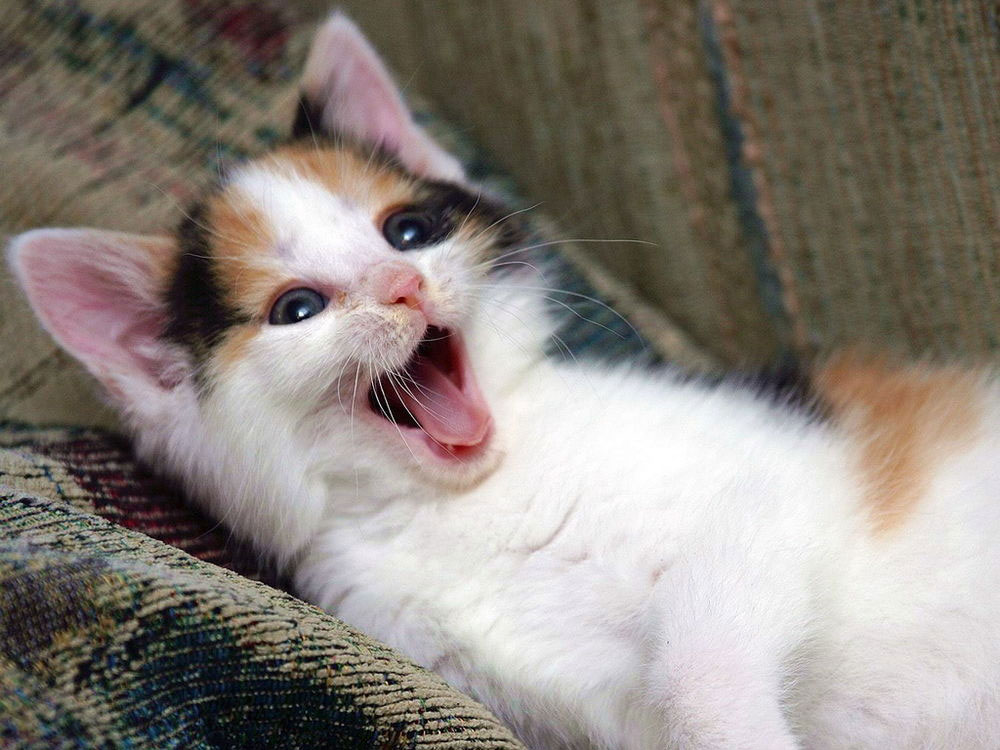
It is recommended to clean the ears and eyes at least once a week using wet wipes for the eyes and cotton swabs for the ear canals.
Pets that roam outdoors typically don't need their claws trimmed. Installing a scratching post indoors is sufficient.
Medical problems
Due to the fact that the breed developed naturally, Aegean cats rarely suffer from genetic diseases, and kittens have a fairly strong immune system.
Throughout their lives, Aegeans suffer from the same health problems as other breeds. The most common are:
- Infectious diseases, caused by viruses and bacteria.
- UrolithiasisWhen seafood is fed indiscriminately, salt deposits accumulate in the kidneys and bladder, causing severe pain. Therefore, it's best to feed freshwater fish, which contains much less salt.
- Fractures and other injuries. The risk of fractures is especially high in a cramped apartment filled with furniture.
- Helminthic infestationsOutdoor activities and eating raw fish can trigger the development of parasites. For prevention, deworming medications should be administered every six months.
- Cardiovascular diseases.
If your cat appears depressed, refuses to eat, or prefers to lie down rather than play, you should consult a veterinarian. A visit to a veterinary clinic is also recommended for routine checkups and vaccinations.
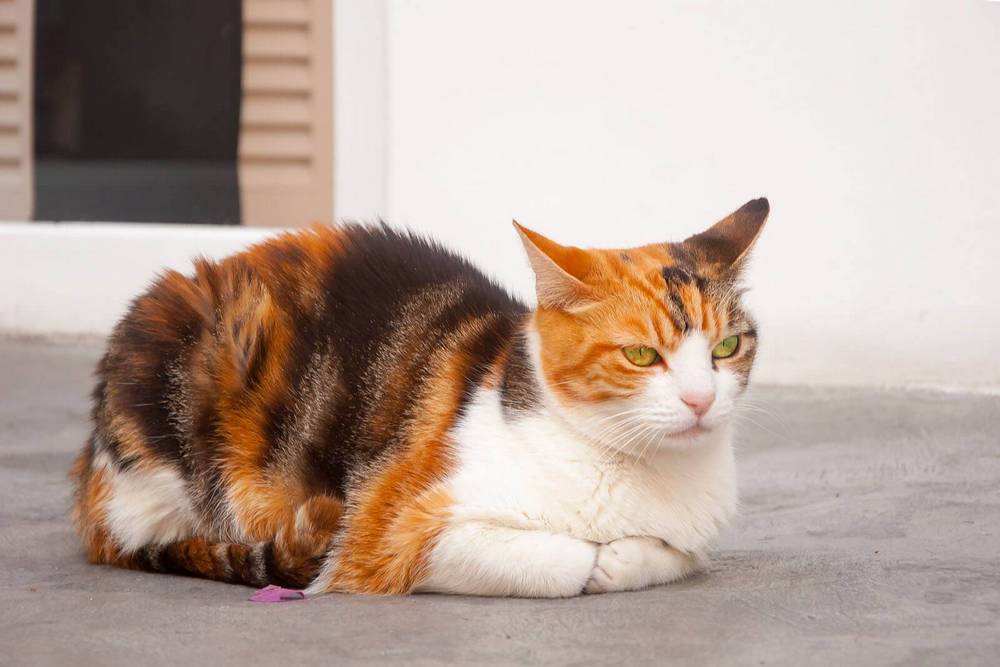
Thanks to good immunity and good health, life expectancy reaches 15 years, but only with proper care.
Reproduction
Animals older than 1.5-2 years, properly formed and in good health are eligible for mating.
During pregnancy, the expectant mother needs enhanced nutritionWe previously detailed the requirements for animals approved for breeding. These requirements are also relevant for representatives of the Aegean breed.
A litter usually contains up to 7 kittens, the color of which can be quite varied.
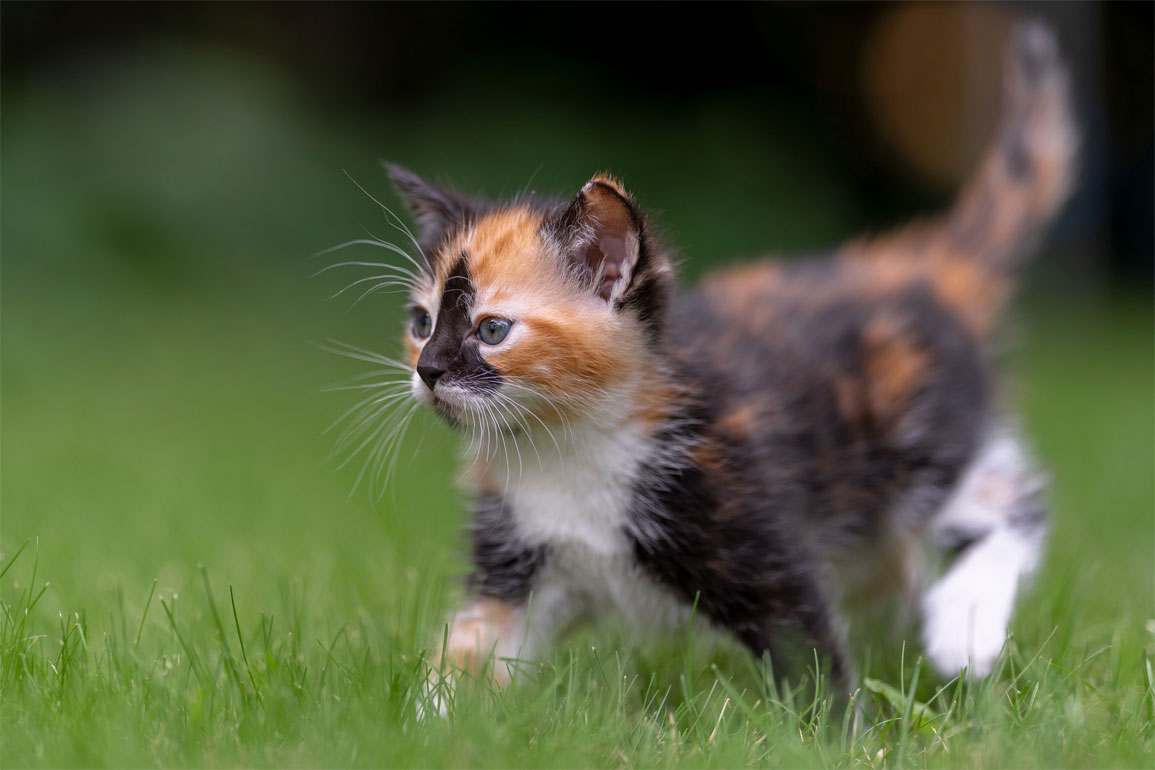
However, you shouldn't plan to breed this breed for profit. Firstly, the Aegean cat isn't recognized, and secondly, not everyone recognizes the unique gene in these adorable animals, believing them to be closely related to common stray cats. This means selling such a kitten for a high price is practically impossible. However, you can buy a unique Aegean cat relatively inexpensively. Breed enthusiasts offer healthy, strong kittens with unique colors for up to 10,000 rubles.
Cost of a kitten
The lack of international standards keeps the price of the Aegean cat low—buyers know their pet won't become a champion, even with proven purity. Therefore, the price of a kitten is quite reasonable—from 5,000 to 25,000 rubles.
Several factors influence price determination:
- floor;
- presence of pedigree;
- appearance.
When choosing, you can use the photos, descriptions, and videos sent to you by the cattery owner. It's worth noting that neutered males and spayed females are cheaper. If the pet is purchased for breeding purposes, the price is significantly higher.
There are currently no catteries of this breed in Russia. However, you can purchase a purebred cat from breeders in Greece or the Cyclades Islands.
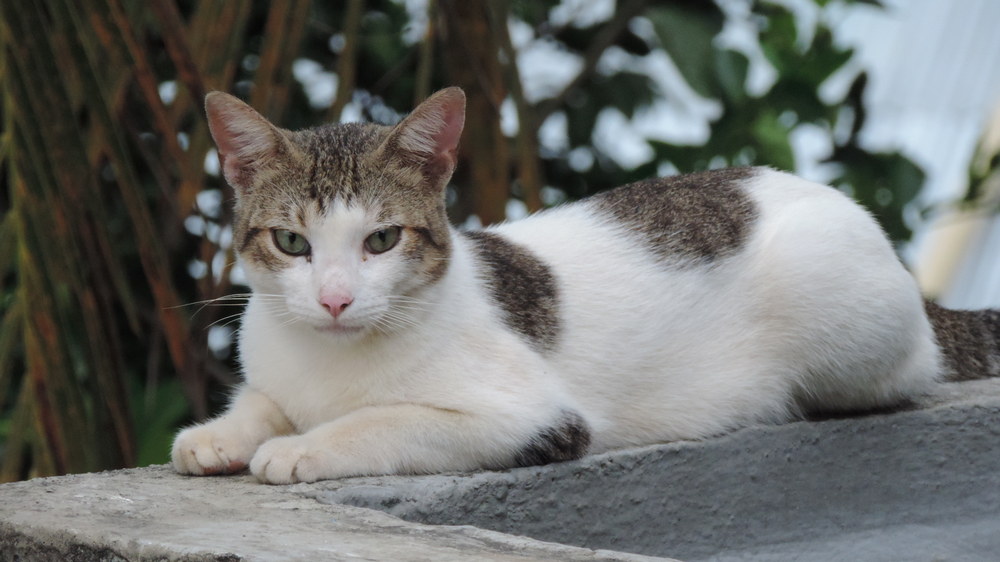
If you're looking for a kitten that will be more than just a pet, but a true companion who will happily accompany its owner on outdoor walks, consider a cat native to Greece. This easy-to-eat feline with a strong immune system will become a true friend and will spend many years with the family, delighting everyone with its playful nature.
Photos of Aegean cats
Video about the breed
Read also:
- Highland Straight (Scottish Straight Longhaired Cat)
- Golden Chinchilla: What Breed Is It?
- Bohemian Rex


Add a comment