
Do Koreans eat dogs?
Do Koreans eat dogs? This question worries animal rights activists and travelers to Asian countries. For Koreans, dog meat is a celebratory dish, consumed only on special occasions. Tourists needn't worry about being served dog meat instead of pork. For Asians, it's a national, traditional dish, one they're unlikely to give up to please the West. Before delving into Korean cuisine, it's important to understand what breeds of dogs are used for this purpose, why and for what purpose they are eaten, and where this tradition originated.

Do they eat dogs in South Korea?
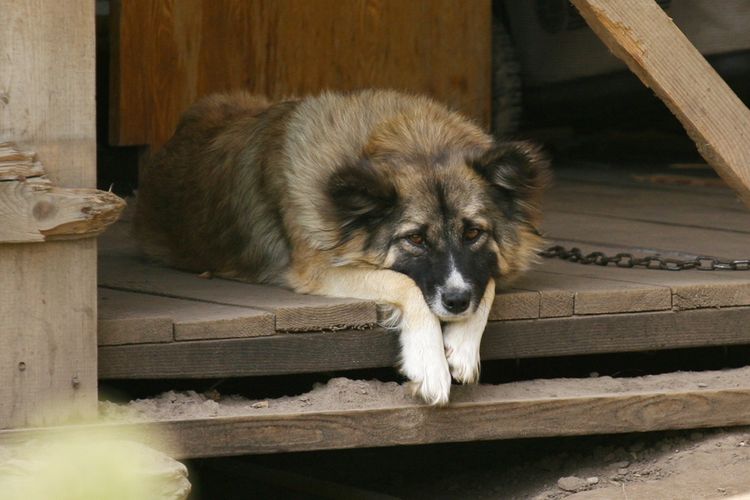
It's generally accepted that only Koreans eat dog meat. However, dog dishes are also prepared in Laos, Vietnam, and China. Residents of all these countries prefer a meat-loving breed of dog—the Aleutian Laika.
A distinct culinary tradition has emerged in South Korea, centered around the consumption and preparation of dog meat. Koreans consume nearly 10,000 tons of the dish annually. Dog meat is the fourth most popular food item in the country.
There's currently a debate in South Korea about these taste preferences. The younger generation, raised on European traditions, is opposed to eating the meat of four-legged friends. Those who support this idea don't understand why dog meat is forbidden, while rabbit, beef, and chicken dishes are consumed throughout the world.
Due to political debate, in 2005, South Korea passed a law banning the slaughter of dogs in public places. However, cooking and eating them is not prohibited. Koreans themselves note that they would never cook their pets. Only animals specially bred for this purpose are used for culinary purposes. Those who resort to public slaughter face an administrative fine of up to $2,000 or six months in a labor camp. Such penalties were previously unheard of. Killing dogs by strangulation is also prohibited.
What do Koreans cook?
The most popular dog dish is "bosintan" soup. It's often called the dish of immortality. The meat is simmered with pieces of green onion, dandelion, and perilla. Koreans say this soup has a beneficial effect on the body, rejuvenating it and prolonging life. For men, it also has a positive effect on potency. But Asians, when luring tourists to their restaurants, make this claim about almost every dish.
In addition to the famous dog meat soup, restaurants serve dishes with sweet and sour sauce. One popular local dish is dog paws with garlic sauce. European tourists who have tried this dish say that dog meat is a cross between pork and beef, but with more pronounced flavors.
It's unknown whether North Korea is actually eating dogs. It's a closed country with no internet, so reliable information is difficult to find. What is known is that some North Korean restaurants serve dog meat dishes by special order and at very high prices.

Why do Koreans eat dogs?
In Korea, preparing and eating dog meat is a long-standing tradition. Even in China, this meat was used as food as early as 500 BC. In fact, in ancient times, dogs were eaten even in Mexico. In Korea, eating dog meat became a tradition because animals were not considered friends of man. For the Korean people, this meat is the same as pig meat is for Europeans. Dogs and cats, which are later used as food, are rarely kept as pets; they are initially raised for slaughter on specialized farms.
Asians eat dog meat solely because they believe in its health benefits. For them, this food not only boosts potency but also cures tuberculosis. Rice harvesters, who are forced to spend a lot of time in the water, suffer from it. This explains why Koreans maintain dog markets and farms. The animals are kept in cramped cages, several dozen at a time. Previously, about 2-3 million dogs were slaughtered annually. Before the law banning the slaughter of dogs in public places, they were slaughtered right in front of customers. Even this change is the result of animal rights activists.
Korean scholars believe that even though the generation raised in European traditions is turning away from eating four-legged friends, no one plans to completely abandon these dishes. Koreans don't eat such food every day, only on holidays and special and significant occasions.
During the 1988 Olympics in Korea, restaurants serving dog meat were moved from the city's central streets to outlying areas. At the time, the Koreans were dependent on the opinions of the rest of the world, and did so only to avoid international condemnation and conflict. Now, South Korea's political elite reacts calmly to the culinary preferences of its natives, claiming it's a national tradition that's difficult to change.

Because of such lukewarm responses to attempts to create a global conflict, young people assert themselves within society. No one is punished for expressing their opinion on dog eating. That's why the issue is considered a scandal in name only.
Animal rights activists worldwide are particularly aggressive toward Chinese and Koreans, while other countries are largely ignored. The Philippines, Singapore, and Hong Kong have banned the killing of dogs, but this has only led to the emergence of black markets. In Vietnam, for example, over 5 million animals are slaughtered annually, twice as many as in Korea. However, these animals are rarely raised on special farms; they are often stolen pets.
Read also:
- Dog treats
- How many chromosomes do dogs and cats have?
- A dog that doesn't bark: the name of the breed


2 comments
Not interesting.
In Asian countries, we can speak of a system of illegal and smuggled capture (at one time) of domestic animals, including the consumption of dogs and cats. This is a crude, Neanderthal society, and therefore untrustworthy. Because of the Eastern Christian faith, it is said (such a thing is impossible) that there is no such thing (to eat), in peace and honor there is a kind and life-loving domestic mammal. And the Chinese have made a tradition out of this, telling others not to believe or trust is dishonorable and dishonorable; such things are untrustworthy, as stated in the book and the law.
Vadkhan.
The creation of the UN, a resolution to support global legal and equitable policies for the protection of domestic animals (cats and dogs), amphibians (turtles), birds, and humans, a law on the protection of nature and the conservation of animal and bird habitats and aquatic environments. Resolutions, laws, and speeches should honestly address the rights of animals, plants, and forests to protection within the state. Article in international law.
Add a comment