
Jomon-shiba
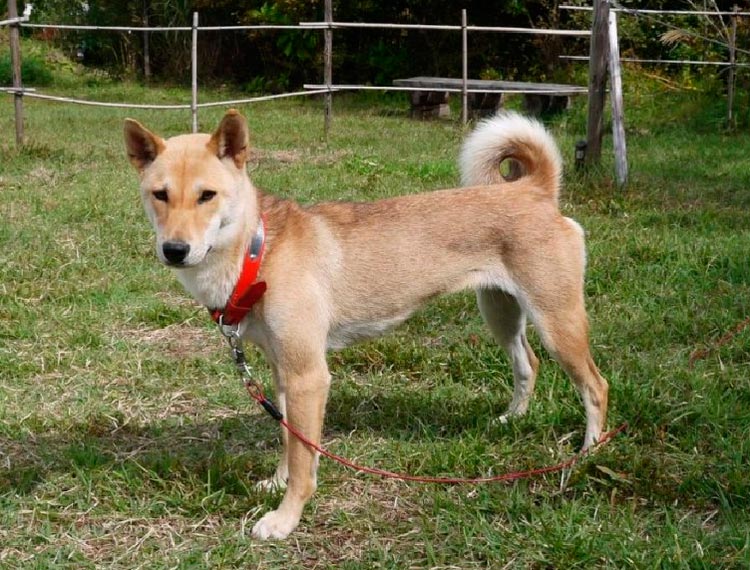
The Jomon Shiba is the brainchild of Japanese cynologists who attempted to recreate a Paleolithic dog. It resembles other Japanese breeds in appearance and has a similar temperament. It is essentially a variety. Shiba InuIt is not recognized by the Japan Kennel Association and is rarely seen outside the country.
Content
History of origin
Mr. Nishimoto was an early member of Nippo, a Japanese organization founded in 1928 to preserve aboriginal breedsIn 1959, he left the breeding company and founded his own, Shibano (Shibainu Hozonkai). The cynologist began breeding Jomon Shibas, aiming to recreate a dog from the late Stone Age, whose remains had been found during archaeological excavations throughout the archipelago. Their age dates back to 10,000–300 BC. This period in Japanese history is called the Jomon Period, or the Rope Age, hence the name.
The Jomon Shiba is a recreated dog from the Old Stone Age.
Based on the remains found by archaeologists, scientists were able to reconstruct the appearance of a dog from the Jomon period. It was small, about 40 cm tall, with erect ears, smoothed from the forehead to the muzzle, like bull terrier, and a sickle-shaped tail. This appearance became the standard for Jomon Shiba breeders.
Cynologists believe that this is what the ancestors of all native Japanese breeds looked like.
The appearance of the Jomon Shiba
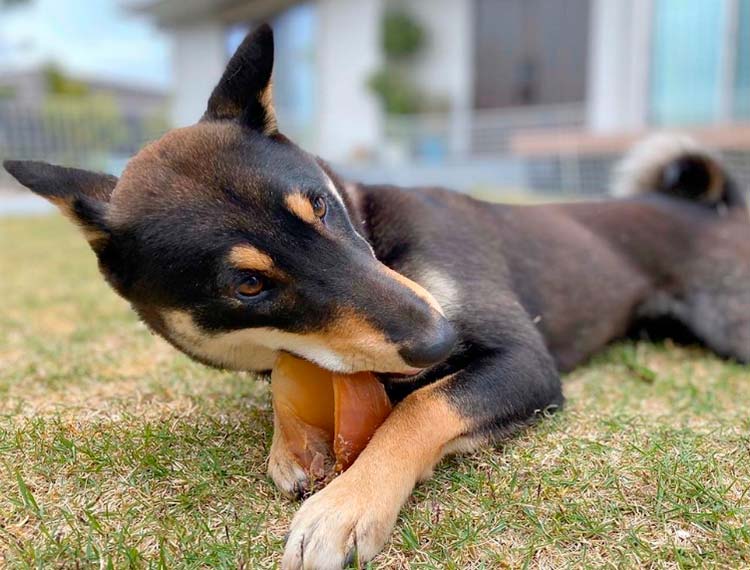
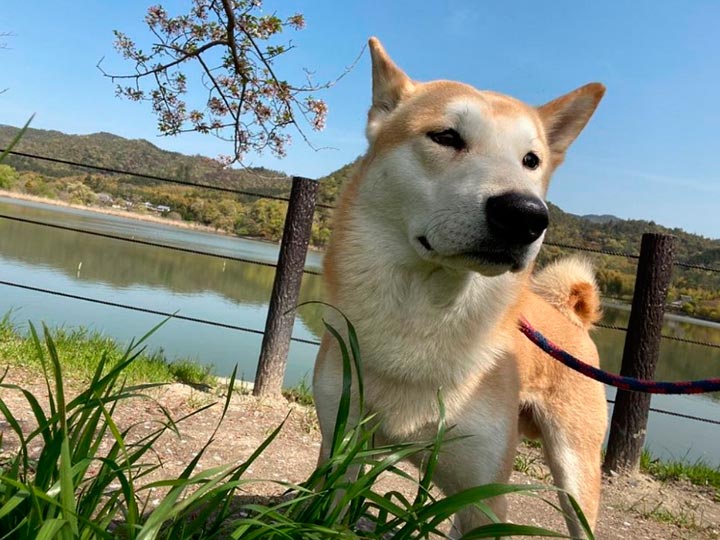
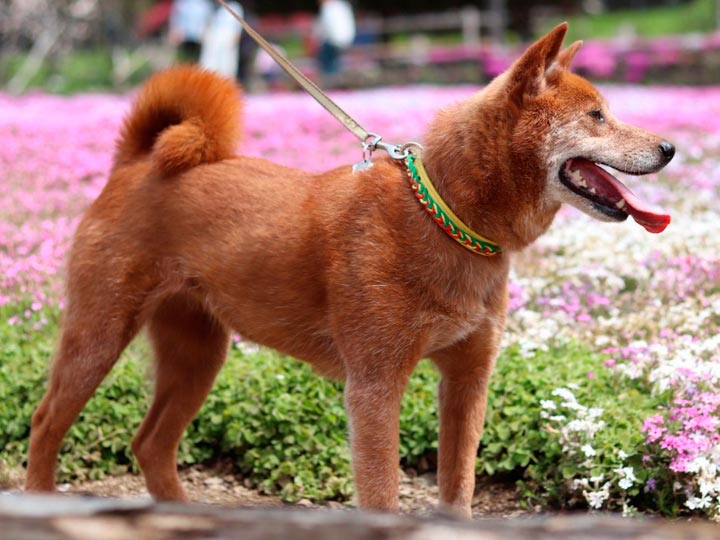
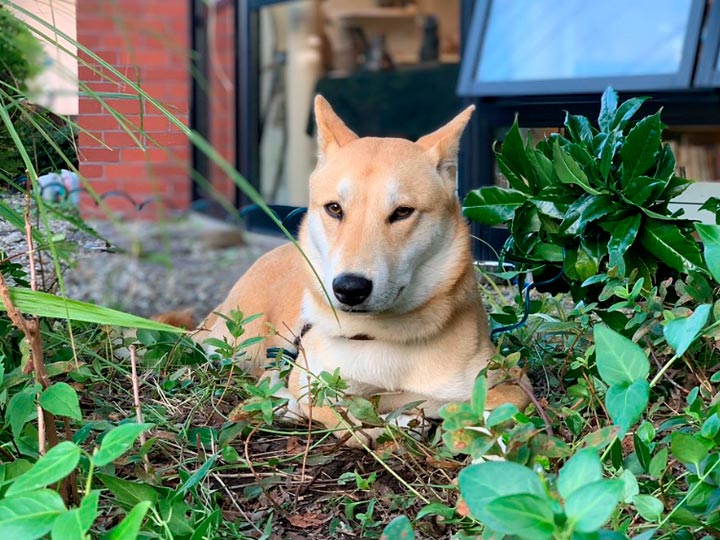
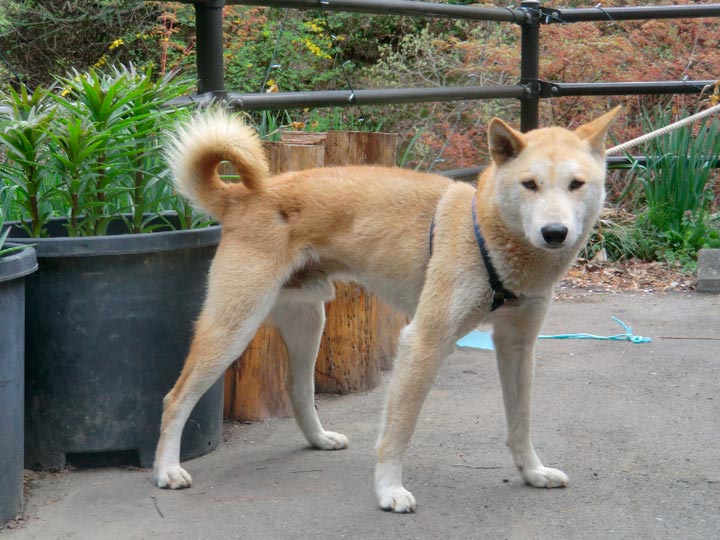
The Jomon Shiba is a small, well-balanced dog with an elongated muzzle and a slightly defined stop. Its constitution is dry and strong. Its bone structure and muscles are well developed. Sexual dimorphism is pronounced.
- Height at withers: 32-40 cm;
- Weight: about 10 kg.
The head is broad. The forehead is flat. The muzzle is fairly long, tapering toward the tip. The stop is smooth. The teeth are large and complete. The bridge of the nose is slightly slanted. The eyes are almond-shaped, small, and brown. The ears are erect, with pointed tips, and point slightly forward. The neck is relatively short.
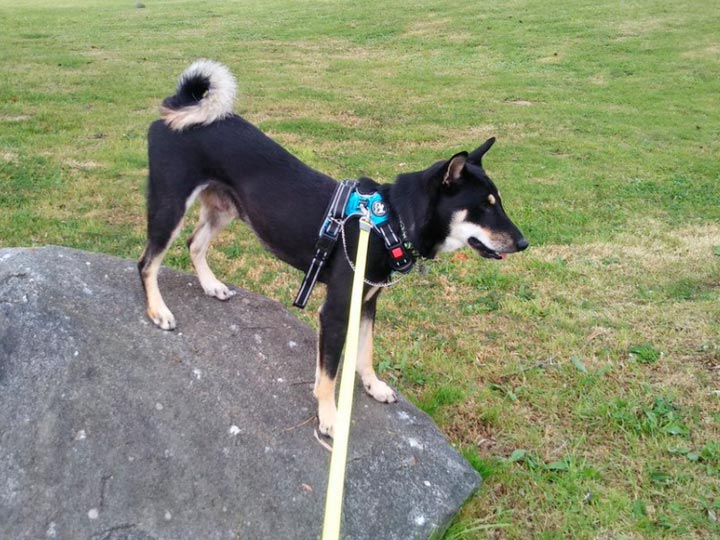
The body is flexible, taut, and muscular. The build is lean. The limbs are medium-length, straight, and firmly planted on the paws. The belly is tucked up. The tail is sickle-shaped or curled over the back.
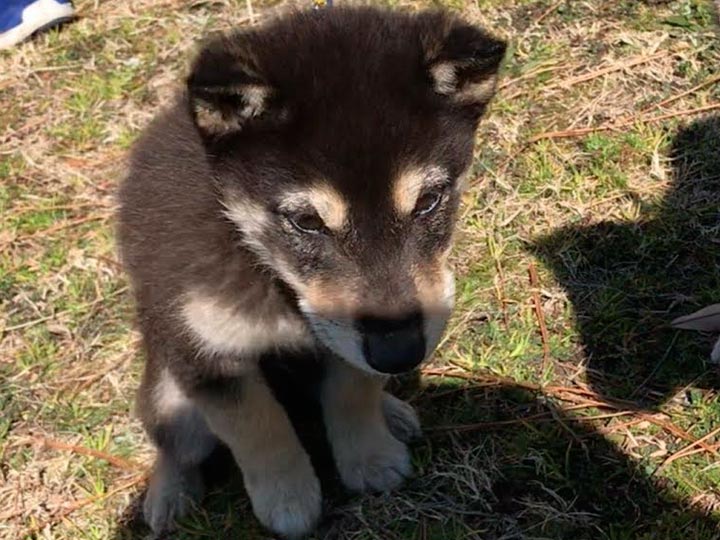
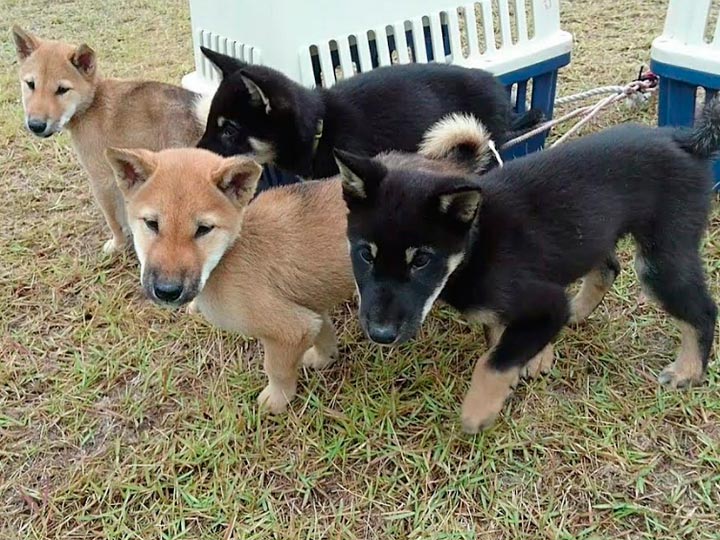
The coat is short and dense. The outer coat is coarse and lies close to the body. The undercoat is soft and more developed in cold weather. Color: red, black and tan, sesame.
The main difference between the Jomon Inu and the Shiba Inu is the structure of the skull, the size of the teeth and the build.
Character and behavior
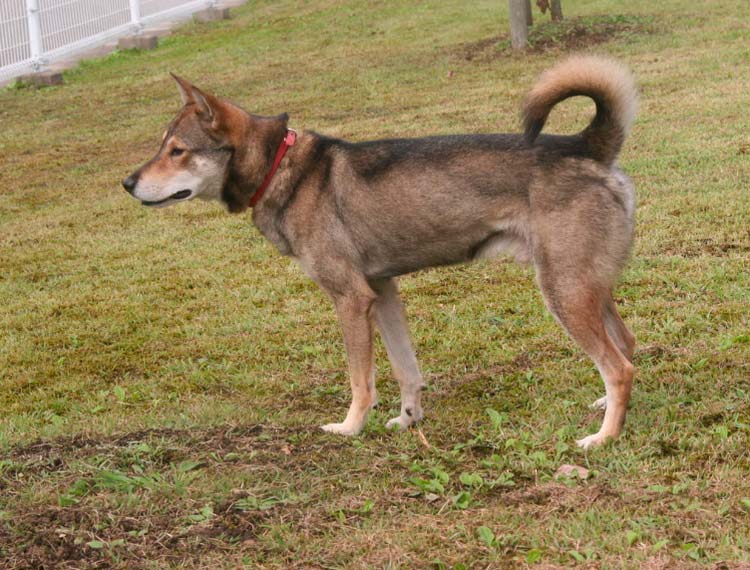
Like other Japanese dogs, the Jomon Shiba is mysterious and captivating. It possesses exceptional intelligence and endless loyalty to its owners. It is self-confident, independent, and cunning. It requires constant attention. Its activity level varies greatly. Some dogs are homebodies, while others are boundless energies. They are almost always very independent and self-sufficient individuals who build partnerships with their owners. Many Jomon dogs have a strong hunting instinct and are renowned for their stubbornness, persistence, and fearlessness.
Jomon Shibas are highly trainable. They require early socialization and good training. In everyday life and on the training ground, they require an individualized approach. They are not very sociable with other people and animals. They can be aggressive toward unfamiliar dogs. Their relationships with children are unpredictable. Some become true nannies, while others, no matter what their owner does, avoid children at all costs.
Health and life expectancy
All Japanese breeds are robust and relatively healthy. However, they are prone to a number of common health issues, including hip dysplasia, eye problems, and a tendency to gastric torsion. In old age, they are at risk of developing endocrine disorders. Life expectancy is 12-15 years.
Buying a Jomon Shiba puppy
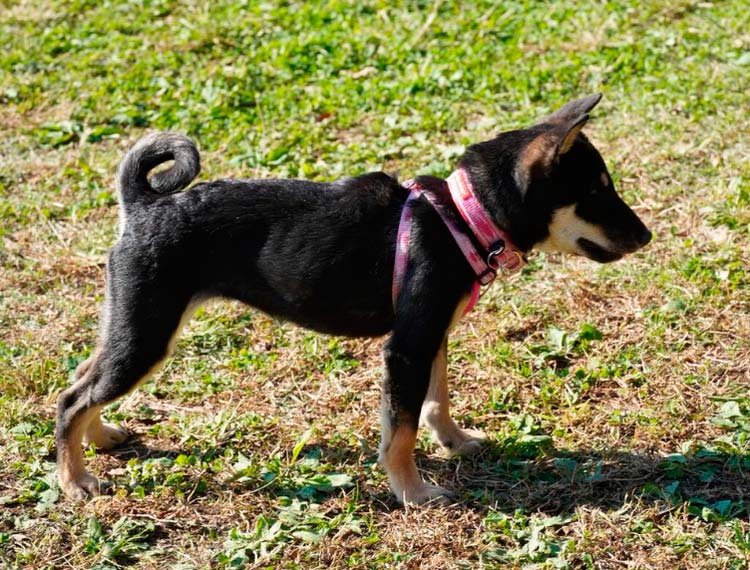
In Japan, there are several organizations dedicated to the restoration, study, promotion, and breeding of the Jomon Shiba (Shibano, JSRC, and others). They unite breed enthusiasts throughout Japan and abroad. A potential overseas owner will need to add airfare, export and quarantine certificate fees, a veterinarian's certificate, and possibly other unforeseen expenses to the puppy's price. When the puppy leaves Japan, it undergoes inspection at the animal quarantine service. Afterward, it is issued a certificate in English.
Price
There is no price data.
Photos and videos
You can see more photos of Jomon Shiba dogs in the gallery.
Read also:


Add a comment