
Duphalac for cats
Duphalac is a laxative used to treat constipation in cats. It has a gentle action. It was developed for humans, but is also successfully used in pets. It is a safe and effective remedy for intestinal problems. Its safety is demonstrated by the fact that it is approved for use even in newborns.
Content
General description
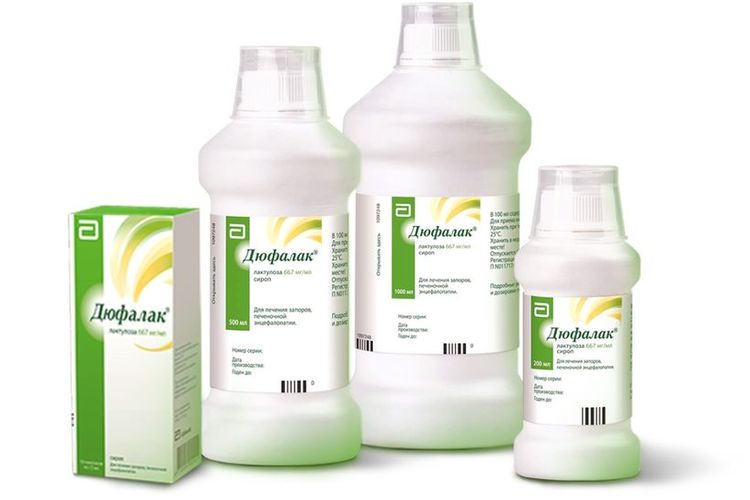
Duphalac is available as a syrup. The formula is based on lactulose, a synthetic fructose polysaccharide. In addition to lactulose, the composition also contains purified water. The product does not contain:
- preservatives;
- dyes;
- flavorings;
- other chemicals.
Therefore, Dufalac is considered safe for both small children and cats, whose bodies are also vulnerable to various factors.
The syrup is packaged in 200, 500, and 1000 ml polymer bottles with screw-on lids. The medication is also packaged in 15 ml foil sachets. Ten foil sachets fit into a cardboard box. The latter packaging option is preferable for cats, although the medication can be used on other animals and household members.
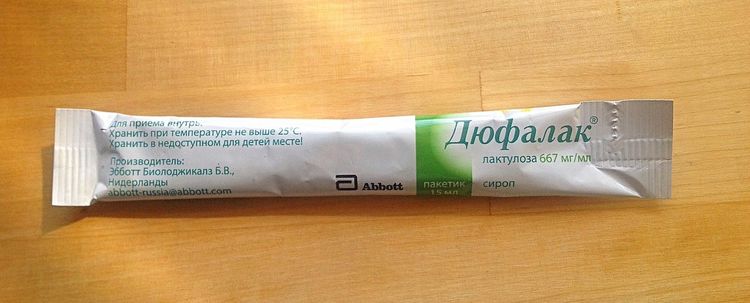
The medication does not require any special storage. Simply place it in a dark, dry place, away from sunlight. The temperature should be between 10 and 25 degrees Celsius. A home or veterinary first aid kit is suitable for storage.
Properties and action
The syrup has a pronounced laxative effect. It works by using lactulose as a nutrient medium for lactobacilli, which increases their numbers. Beneficial bacteria improve intestinal function. Furthermore, lactulose breaks down into low-molecular acids in the digestive system, reducing the acidity in the intestinal lumen. This action changes the consistency and volume of intestinal contents, which, in turn, stimulates intestinal peristalsis.
The drug also positively affects the absorption of phosphate and calcium salts. Among Duphalac's key benefits is its role in nitrogen metabolism. The medication improves the migration of ammonia from the blood to the intestines and prevents its spread throughout the body. Harmful compounds are eliminated with feces, thus preventing poisoning due to impaired nitrogen metabolism. Furthermore, the drug has an enveloping effect, reducing irritation of the intestinal mucosa.
The medication's high effectiveness is due to the fact that it is virtually not absorbed in the gastrointestinal tract and reaches the large intestine unchanged. Only in the large intestine does it interact with the microflora and begin to act.
What is the price
The price for 10 15 ml sachets of Duphalac syrup (optimal packaging for cats) ranges from 300-350 rubles. A 200 ml bottle costs 320-340 rubles. To purchase the medication, visit your nearest pharmacy. A doctor's prescription is not required.
When is it applied?
The instructions for use are written for humans, but Duphalac is used in cats for similar problems. The drug is typically used in the following cases:
- in the absence of stool for a long period;
- at frequent constipation;
- in case of difficulty in emptying the bowels due to solid masses;
- for bloating and flatulence.
The medication can also be used after deworming. The syrup accelerates the elimination of worms from the body, thereby preventing possible intoxication. The medication is effective in cases of large hairballs in the intestines, if the cat is unable to eliminate them on its own.
Please note! If your pet is experiencing bowel problems, a physical examination is required before using the syrup to ensure intestinal patency and determine the cause of the problem. Furthermore, the dosage should be determined by a doctor.
How to apply
Laxative It must be administered orally. The syrup has a sickly sweet taste, so most cats refuse to eat it voluntarily. There are several ways to solve this problem:
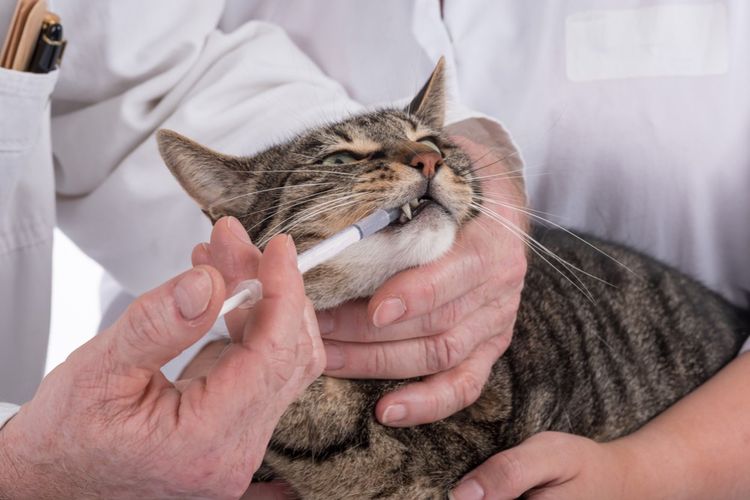
- Use a syringe without a needle to measure the required amount of medication. Force the syrup into the mouth. Be careful not to spit it back out. To prevent this, keep the pet's head elevated until it swallows.
- Dilute the medication in drinking water. If the animal refuses to drink water with a sweet taste, then it's best to force it to drink. Typically, the medication is diluted in water and then given to young kittens.
- The syrup can be mixed with food. Wet food and canned food are good choices for this purpose. Your pet won't even notice the laxative in their food.
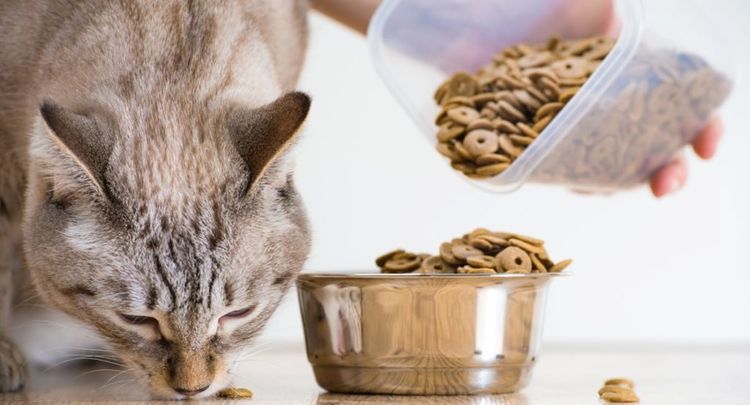
Please note! It is not recommended to administer this medication together with fermented milk products.
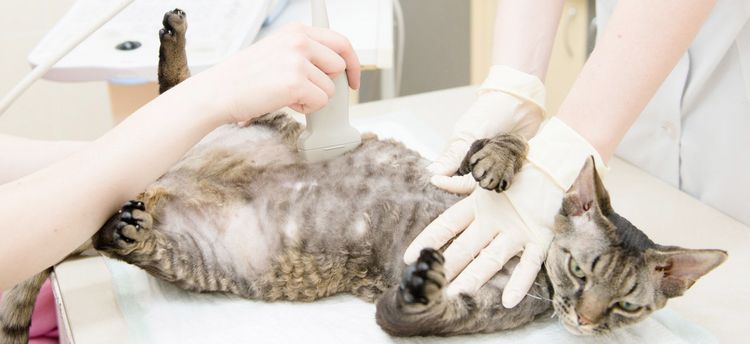
The instructions for use of Duphalac for cats do not provide dosage information, as it is designed for humans. The most common dosage is 0.5-1 ml per 1 kg of the animal, but a precise calculation should be made by a veterinarian. They consider not only the pet's weight but also its condition, the potential adverse effects of the medication, and other factors. Small kittens are given no more than 0.5 ml of syrup. If necessary, repeat the dose after 8 hours. If after 2-3 doses the animal still hasn't emptied its bowels, consult a veterinarian for a repeat examination, including an ultrasound.
Sometimes the drug is used to enhance the effects of other laxatives. In this case, the dosage must be calculated especially carefully to avoid the opposite effect.
Contraindications and possible side effects
The drug has no serious contraindications. It should not be used in case of intolerance to any of the components, which may manifest as gastrointestinal problems or allergic reactions. Duphalac is also contraindicated in cases of intestinal obstruction. If the animal has diabetes mellitus, use is possible only under the supervision of a veterinarian, and in some cases it is wiser to choose another remedy.
If the doctor's recommended dosage and administration schedule are followed, cats tolerate the medication well. Overdosage may cause unpleasant symptoms:
- severe diarrhea (possibly with foam);
- nausea and vomiting;
- bloating and constant rumbling in the stomach;
- increased muscle tone in the abdomen.
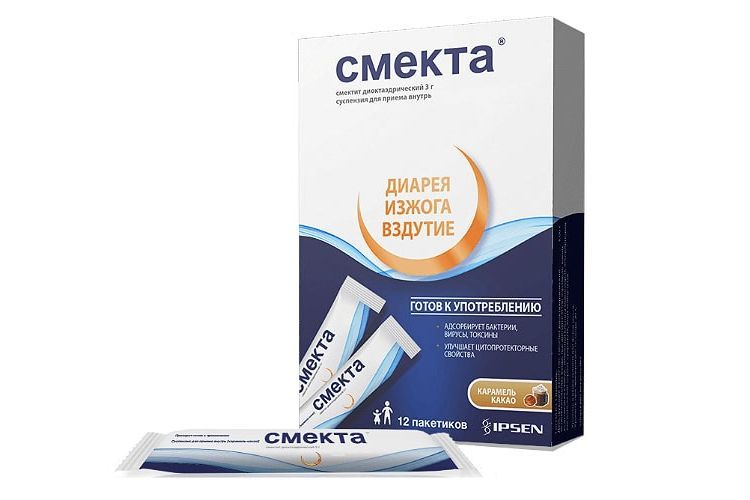
If problems with the digestive system appear, give your pet Smecta or another medication with a similar effect. If symptoms do not resolve within 1-2 days, seek veterinary attention.
Advantages and disadvantages
The main advantages of Duphalac include the following:
- It's highly effective and helps quickly relieve constipation in animals. In most cases, one dose is sufficient.
- Sold in all regular pharmacies. If there's no veterinary pharmacy nearby, purchasing a laxative won't be a problem.
- It has virtually no contraindications and can be used for kittens and adult pets.
- There is no need to observe special storage conditions.
- Sold in small, convenient packages.
You can't calculate the dosage yourself—and this is the main drawback. An overdose can cause serious digestive problems. Some cats flatly refuse to take the medication because they dislike the cloyingly sweet taste. Mixing the medication into food or water isn't always possible, and forcing it on can turn into real torture due to the pet's resistance.
Owner reviews
Julia, owner of a British cat:
"After her spay, Marta had difficulty defecating. When she couldn't go to the bathroom for three days after the surgery, I became alarmed and called the vet. He recommended using Vaseline oil or Duphalac. The oil didn't work, so I had to rush to the pharmacy the next day. After using the syrup, the cat went to the bathroom within four hours. The result was excellent. However, the experience was hardly pleasant; everything around her was sticky. Marta simply spat out the medication."
Lyudmila, owner of a one-year-old cat:
"We used Duphalac on our kitten when he was a couple of weeks old. The transition from mother's milk to food caused digestive issues, particularly increased gas production. The medication helped resolve the problem. We now have a strong and healthy cat."
Veterinarian Reviews
Oleg, a veterinarian with 10 years of experience:
"I'm not a fan of using human medications on animals, but Duphalac is an exception. This medication is safe for cats, gentle, and effectively solves the problem when other treatments fail. I sometimes prescribe this medication to my clients."
Tatyana, a veterinarian with 6 years of experience:
"Duphalac is one of the few human medications that can be used in cats. I usually recommend using Vaseline for constipation, but if you don't have it or can't use it for some reason, a mild laxative is a great alternative. However, you shouldn't use the medication without a doctor's prescription."
Read also:


4 comments
Elena
I gave my cat 3 ml of Duphalac today, and he vomited within 10 minutes, even though he's not a picky eater. What did I do wrong?
Daria is a veterinarian
Hello! How many days has it been since my cat went without a bowel movement? Is the constipation accompanied by vomiting or restlessness? Is there any crying, restlessness, or lethargy? Is he drinking water on his own? Is he eating? It's important to rule out a foreign body in the intestine causing an obstruction, a volvulus, or an intussusception before administering laxatives, even osmotic laxatives such as Duphalac, lactulose, and their analogs. Otherwise, the intestines may rupture or even worsen due to increased peristalsis.
Zhenya
super
Marina
My cat is 10 months old, and I've only had him for a month. He's a 5-kilogram black beauty with green eyes. The stress of moving and adjusting to a new home and diet resulted in constipation. I tried Duphalac, 0.5 ml per 1 kg of body weight. I gave it to him in his wet food at 10 p.m. and again this morning at 7 a.m. And here's the result—a huge difference in just three days. Duphalac helped.
Add a comment