
Duodenitis in dogs: symptoms and treatment
Gastrointestinal diseases not only cause discomfort to dogs but can also be life-threatening. Loss of appetite, malaise after eating, and apathy towards walks are all reasons to take your pet to the veterinarian to rule out duodenitis. The symptoms of this disease in dogs are very similar to pancreatitis, making it difficult for veterinarians to choose the right treatment.
Reasons
Duodenitis is an inflammation of the duodenum, leading to its dysfunction. The structure of the gastrointestinal tract in animals predisposes to the development of diseases in this area. Most often, dogs experience gastritis, a stomach disease. Since the duodenum immediately follows this section, symptoms of duodenitis in dogs are often attributed to gastritis, which requires specific treatment. Stomach problems can indeed cause the disease, but in this case, gastroduodenitis develops, which involves both the duodenum and the upper gastrointestinal tract.
Most often, gastrointestinal diseases in dogs are associated with poor diet. No matter how balanced the food is, and no matter how much care owners take, not everything a dog eats is good for its stomach.
- Overeating. Dogs are predators, and they have a strong instinct to eat until they're full. If an owner regularly gives their pet a full portion of food and refills the bowl every time the animal gives them a reproachful look, the dog's health will eventually suffer.
- Unbalanced diet. The animal cannot eat from the human table. At a young age, the dog easily digest the porridge, but the closer old age comes, the sooner the owner should be prepared for the fact that he will have to treat duodenitis in his pet.
- Food poisoning is one of the main causes of gastrointestinal disorders.
- An untreated ulcer is a direct path to gastroduodenitis.
- The development of the disease is often confused with dysbacteriosis, which in itself is the cause of duodenitis and, without treatment, leads to a disorder of the entire gastrointestinal tract in a dog.
- Helminthiasis. Worms slowly undermine a dog's health and eventually become a cause of duodenal inflammation.
- Helicobacter bacteria also cause the development of gastroduodenitis.
Symptoms
Depending on what form of this disease is diagnosed in a dog, a specific clinical picture appears.
- Acute duodenitis is characterized by cramping pain in the upper intestine. The animal reacts to the slightest touch in the hypochondrium and often vomits, especially after eating.
- The chronic form occurs without severe pain, and vomiting occurs only 30-40 minutes after eating. The animal experiences general weakness and often refuses to eat.
- The phlegmonous form is the rarest condition, characterized by a sharp deterioration in health. The abdominal wall becomes painful, body temperature rises, and fever develops.

If gastroduodenitis in dogs is not treated in a timely manner, the disease goes through several stages:
- Bowel dysfunction in which the duodenal mucosa becomes thinner;
- Superficial damage to the upper layers of tissue;
- Proliferation of cells in the affected area;
- The appearance of small ulcers, in advanced cases – perforation of the intestinal walls.
The disease most often develops in dogs over 6 months of age. Duodenitis is a problem in small breeds. It is diagnosed in pugs, Yorkshire terriers, toy terriers, and pinschers. Maltese.

Diagnostics
Diagnosing gastroduodenitis in a dog based solely on visual symptoms, much less prescribing appropriate treatment, is impossible. An endoscopy, performed under anesthesia, provides a definitive diagnosis. This makes it impossible to establish a definitive diagnosis in puppies and pregnant bitches. Ultrasound and abdominal X-rays are secondary diagnostic tests. Blood and stool tests are mandatory. Any form of duodenitis is characterized by an elevated ESR and abnormal neutrophil counts. In the chronic form, the stool will be normal, but in the phlegmonous form, traces of blood will be present.
Treatment methods
With prompt veterinary attention, duodenitis in dogs responds well to treatment. The acute form requires fasting in the first few days. All the animal needs at this point is unlimited water. Acute duodenitis often leads to poisoning, so the first step in treatment is administering a weak solution of potassium permanganate. Antispasmodics and pain relievers are also prescribed.
Chronic duodenitis also requires dietary adjustments. The diet should be pH-balanced to prevent increased gastric acidity. To support the animal's condition, medications that slow bile synthesis and astringents that reduce the risk of diarrhea are prescribed. A course of vitamins B6 and B12 is essential in the treatment of chronic duodenitis. If the disease is caused by Helicobacter pylori, antibacterial medications are prescribed until symptoms subside. Helicobacter pylori is most often treated with De-nol in combination with metronidazole and tetracycline antibiotics. Afterwards, beneficial bacteria supplementation is essential.
In the phlegmonous form, antibiotics are required, and in a shock dose. Once the animal's condition has returned to normal, surgery is performed to remove the affected portion of the duodenum.
Gastroduodenitis is treated at home. Hospitalization is only necessary for diagnosis and surgery. Traditional medicine is also acceptable for this condition. Chamomile and yarrow teas can help relieve intestinal spasms.
Nutrition
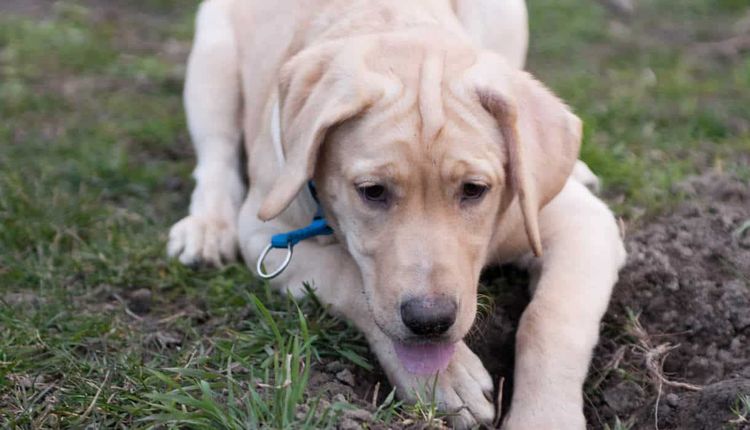
If your dog is diagnosed with duodenitis, you should seriously consider its diet. All fatty foods are prohibited, as are meat broths, bones, pork, salty foods, and sweets.
Dry food is also not the best option for duodenitis. Veterinarians recommend using dietary foods or regular dry food pre-soaked in water. Viscous cereals, which coat the stomach and intestinal walls, can help alleviate the pet's condition. Broth can be replaced with a grain broth. Meat should also be included in the diet, but steamed chicken or fish is recommended. In acute cases, rice broth is given in the first few days after fasting.
When treating gastroduodenitis, it is important to follow dietary rules:
- The overall diet is reduced by 20-30%;
- Food is chopped or pureed as much as possible, especially when feeding small dogs;
- The number of feedings is increased to 5-6 times a day in small portions.
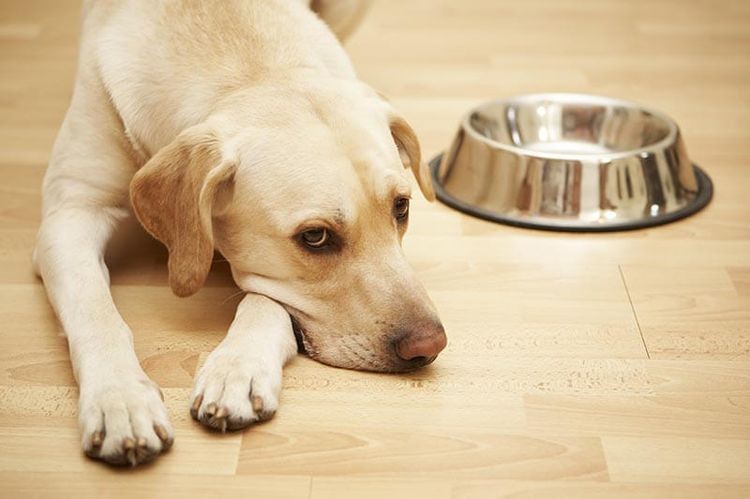
To prevent the development of disease in your pet, it's important to ensure proper nutrition from the first few months of life. High-quality food is the key to a healthy pet. Regular deworming is a preventative measure. The main mistake owners make is treating their pets like predators, forgetting that in the wild, animals forage for their own food and don't have a regular diet. This results in overeating and digestive problems.
Read also:
- Quamatel for dogs
- Giardia in dogs: symptoms and treatment
- Cholecystitis in dogs: symptoms and treatment


1 comment
Marina
So, it turns out that fasting is beneficial, but no more than two days over two weeks. In short, twice a month.
Add a comment