
Drever (Swedish Dachsbracke)
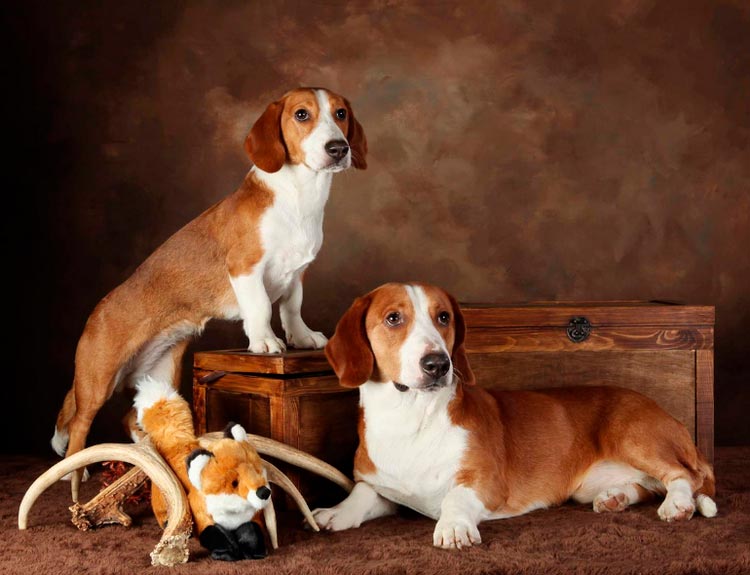
The Drever is a Swedish breed of short-legged hound that closely resembles the dachshund in appearance. They are used to hunt roe deer, hare, fox, and other game. They have an excellent sense of smell, are tenacious and aggressive, and are hardy and eager to hunt. They are not well-suited to being a quiet family dog. Another name for this breed is the Swedish Dachshund-Brak.
Content
History of origin
The Drever was developed in Sweden from German Bracco and other European scenthounds brought to the country at the turn of the 20th century. The breed was originally called the Dachsbracke (Swedish Dachsbracke). In 1944, the Swedish Dachsbracke Club was founded. In 1947, the name was changed to Drever. It was chosen through a vote in the Stockholmstidningen newspaper.
Technically, the Drever is a smaller version of the Westphalian Bracke, adapted to the Swedish terrain and hunting.
Purpose
In Sweden, the Drever is considered the best hound for hunting deer. It also hunts hare, roe deer, fox, wild boar, and several other animals. The Drever has a moderately wide search range and an excellent sense of smell. Furthermore, this small dog possesses extraordinary endurance, tenacity, passion, and ferocity toward game. Steadfast, courageous, and energetic, it can stalk prey for hours in the forest, then skillfully drive it toward the hunter, or more rarely, hold it in place. Unlike many other hunting dogs, the Drever specializes in many species. He, like RPG, is practically universal.
With its short legs, the Drever moves more slowly than other hounds, making it easier for a hunter to follow. It works with its voice. The Brakka's bark is loud and resonant. The breed is bred for working trials.
Appearance
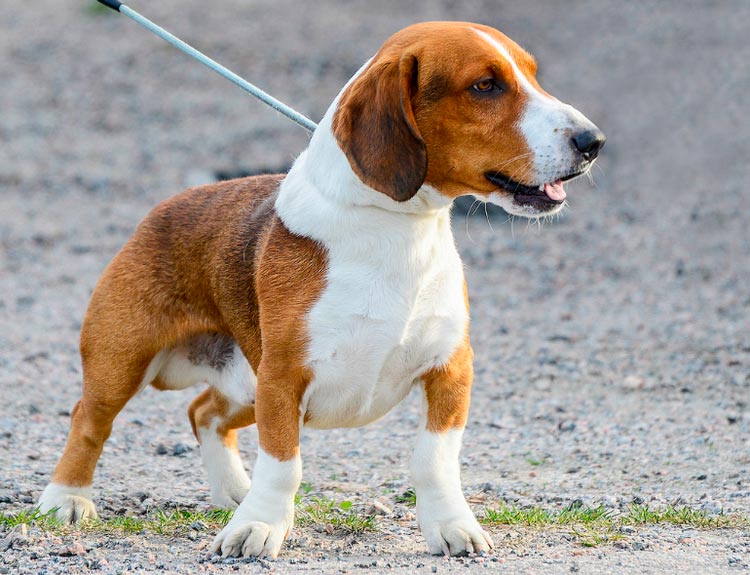
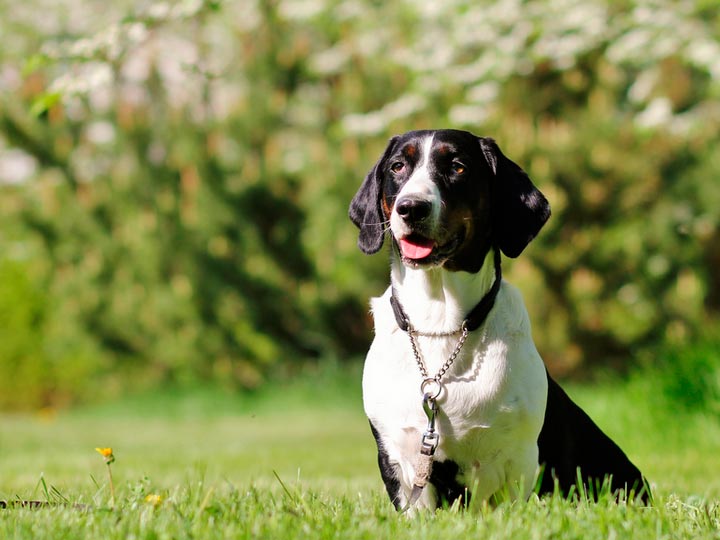
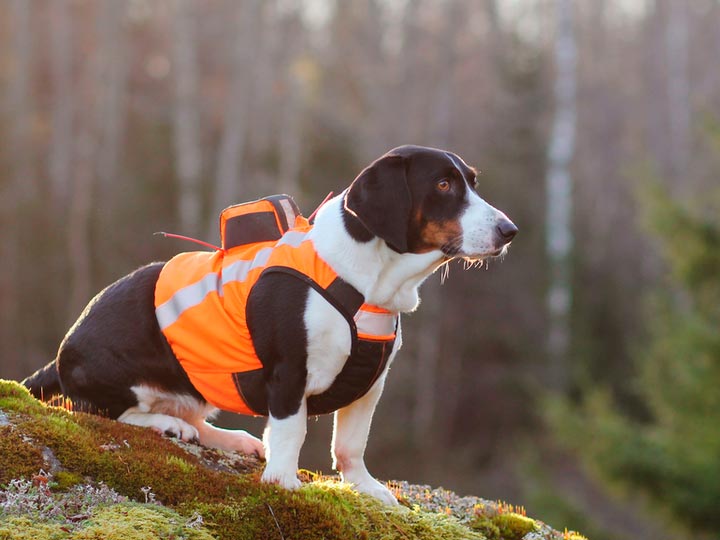
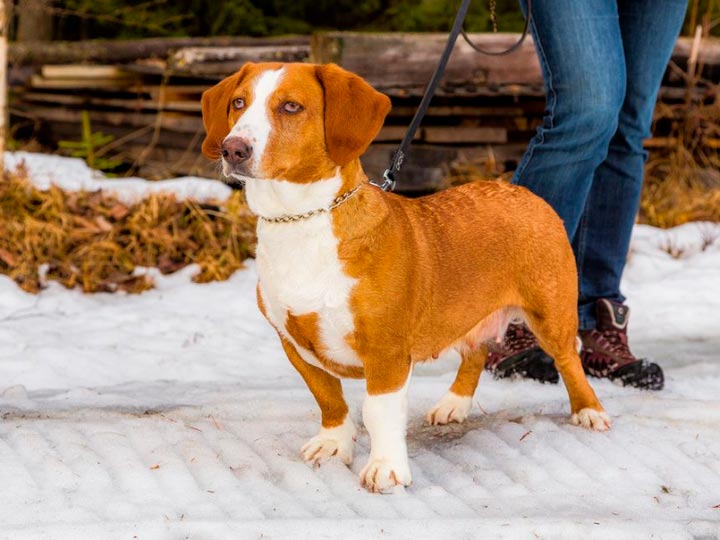
The Drever is a short-legged dog with a fairly long body, strong and robust, with well-developed muscles. Gender is clearly visible. Males stand 32-38 cm tall, and females 30-36 cm.
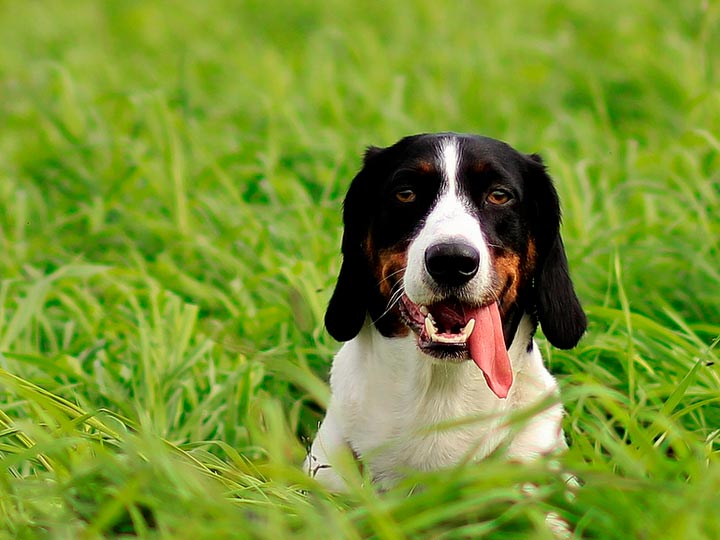
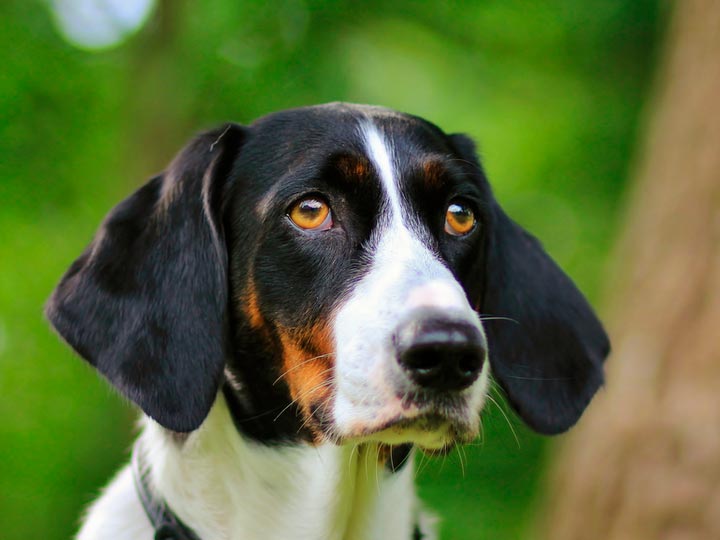
The head is large in proportion to the body, tapering slightly toward the black nose. The muzzle is approximately the same length as the skull. The stop is slightly pronounced. The skull is slightly convex. The bridge of the nose is straight or slightly humped. The lips are dry and close-fitting. The jaws are strong. A scissor bite is acceptable, although a level bite is acceptable. The eyes are expressive, well-open, and dark brown. The eyelids fit tightly. The ears are of medium length and width with rounded tips, set fairly low, and lie close to the cheekbones.
The neck is fairly long. The topline is horizontal. The loin is short and slightly arched. The croup is long, sloping, and broad. The chest is very well developed, oval, and reaches below the elbows. The belly is slightly tucked up. The tail is long, thick at the base, and usually carried low. The limbs are straight, short, and have strong bone structure. The toes are tightly closed, and the pads are strong. When moving, the topline remains straight.
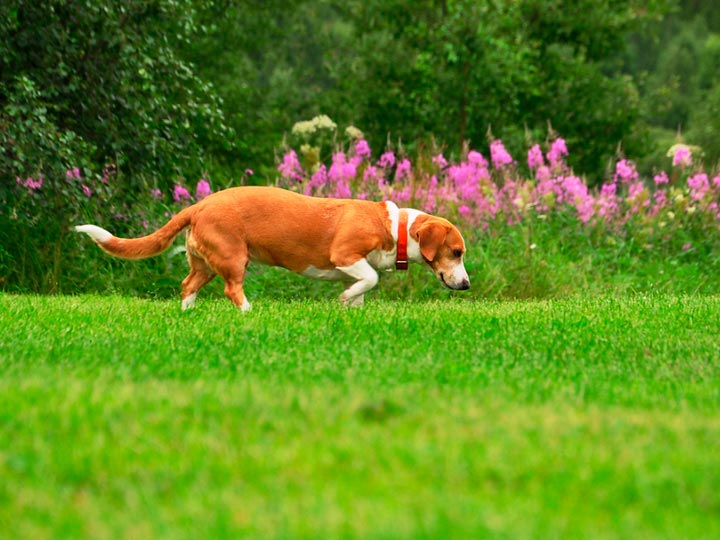
The coat is straight, coarse, and lies close to the body. It is very short on the ears, head, and legs. It is slightly longer on the back, neck, and back of the thighs than on the body. The underside of the tail forms a brush. All colors are acceptable in the breed, except solid white and liver. Markings should be clearly defined; symmetrical ones are preferred.
Character and behavior
The Drever combines the best qualities of a hound and a companion. He is self-confident, even-tempered, strongly attached to his family, bold, and energetic. He is never shy or aggressive toward people, but can respond to attacks from his fellow dogs. In public, he is sociable, playful, obedient, and loving. All these qualities are inherent in the breed, but they are fully realized only with proper training and good socialization.
In Sweden, the Drever is usually kept by hunters and is not well suited to the role of a family dog or simply a companion.
Drevers were bred for hard tracking work, so they possess qualities such as tenacity, willpower, and intelligence. Their territorial instinct is usually well-developed. Drevers are vigilant guards. They are unlikely to frighten off an intruder, but they will not allow strange cats or dogs near the boundaries of their property. They get along well with other animals in the same household if they were raised with them. They are reluctant to accept newcomers. They may perceive small animals and birds as prey.
Education and training
The Swedish Dachsbracke is quite trainable. With early professional training, it grows into an obedient and easy-to-manage dog. However, it can still retain some independence in its work. It requires very good socialization, especially if it lives in the city.
The Drever requires a serious and decisive owner who can demonstrate leadership, but not stern authority. Passive and gentle people will find the Brakk stubborn and unintelligent.
Content Features
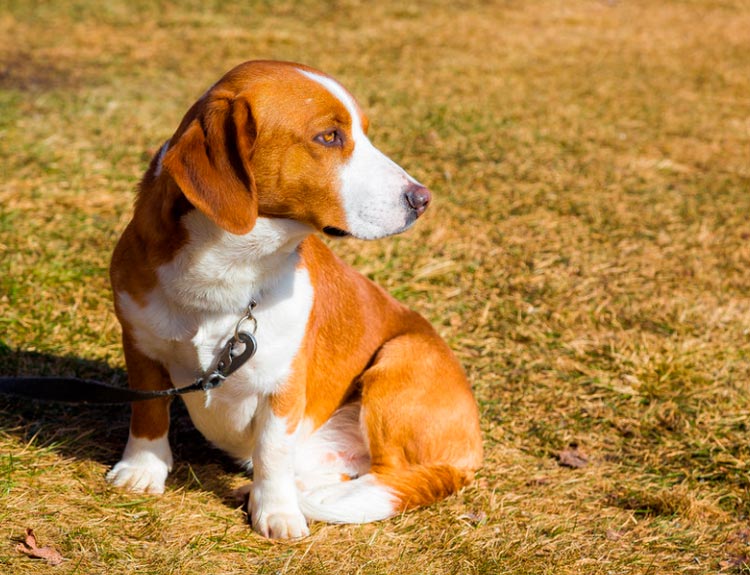
The Drever is best suited to living in a private home with the opportunity to spend a lot of time outdoors. They adapt relatively easily to life in a city apartment, provided the owner provides adequate exercise.
Drevers have fairly high exercise requirements. Although short-legged and clumsy, these dogs are actually very resilient, energetic, hardworking, and agile. They require long walks, agility and intelligence training, regular exercise, and hunting opportunities to fully realize their natural talents and maintain their physical and mental health.
Care
The Drever doesn't require extensive grooming. If the dog lives indoors, it should be brushed periodically to reduce hair loss. Outdoor dogs are brushed very rarely or only during the shedding season. Their ears are inspected and cleaned periodically, their eyes are wiped, and their nails are trimmed. Bathing is as needed. Indoor dogs should be bathed no more than once a month using a suitable shampoo.
Health and life expectancy
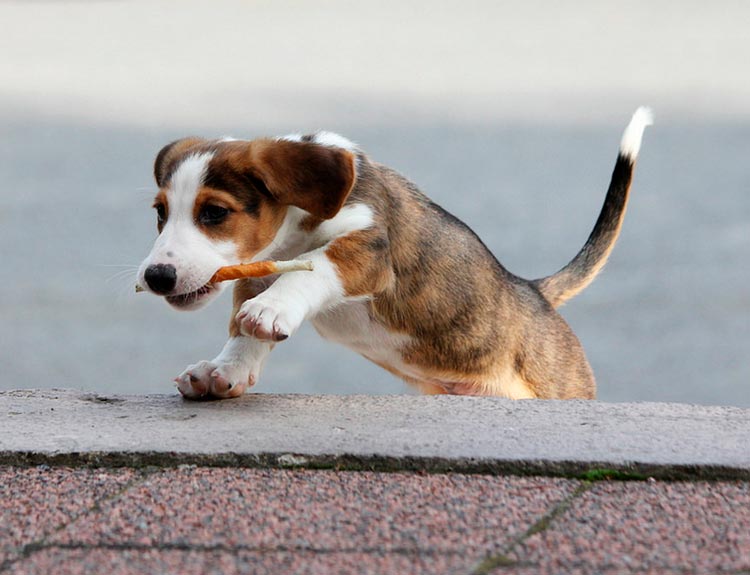
There are no particular problems observed in the breed. Drevers are generally strong, hardy dogs with good immunity and robust health. The average lifespan is 13-14 years. Owners note a predisposition to excess weight gain, especially in old age, and ear infections. Joint problems in the limbs are also common.arthritis, arthrosis) in adulthood.
Where to buy a Drever puppy
The popularity of Swedish Bracco has declined significantly over the past 20 years, including in their home country. However, finding a breeder in Scandinavia isn't difficult, nor is finding puppies available for sale. Most breeders are hunters and members of hunting clubs, so it's best to start your puppy search there.
The majority of Drever populations are concentrated in Finland, Norway, Denmark, Estonia, and, of course, Sweden. In other countries, the breed is either nonexistent or only a handful.
Price
The average price for a Drever puppy is $700. Adolescents and adult dogs that have proven themselves in working trials cost significantly more.
Photos and videos
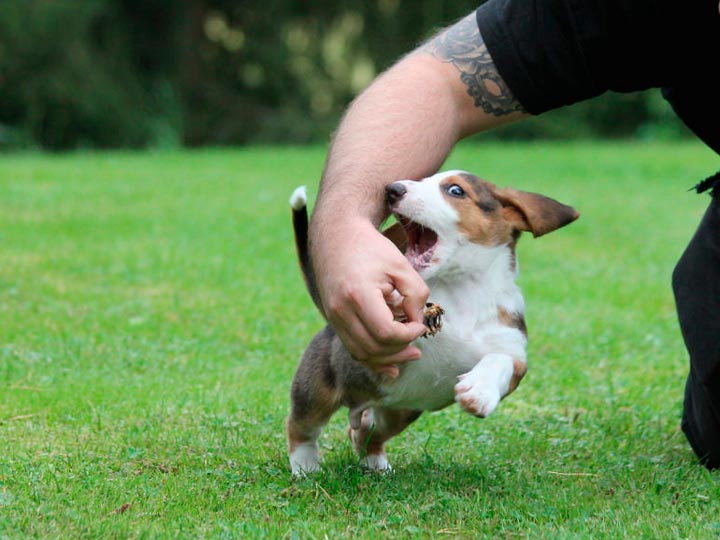
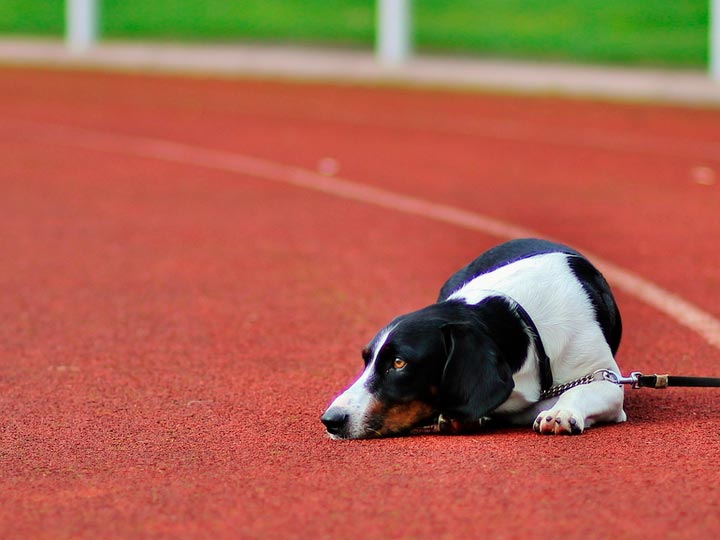
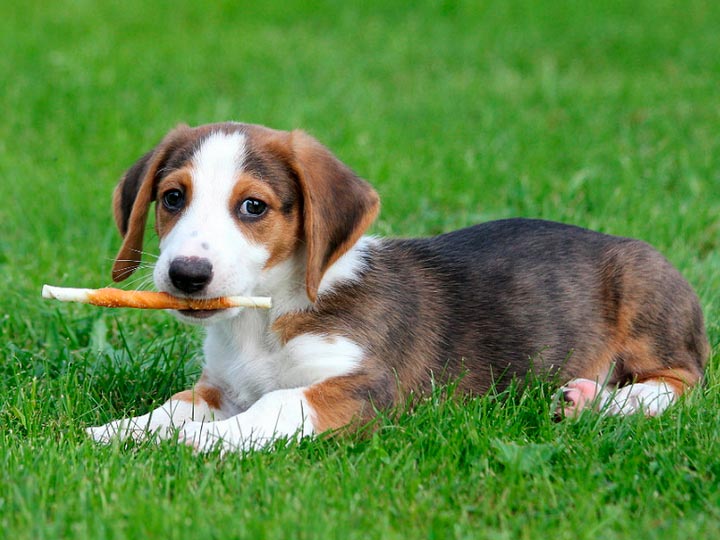
The gallery features photographs of Drever dogs (Swedish Dachshundsbracke). Some of the photos feature Drever dogs with their trophies.
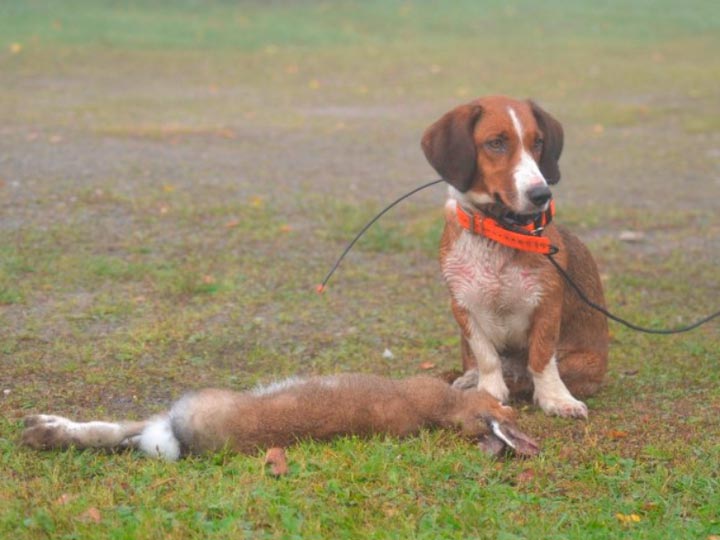
A video about the Drever (Swedish Dachshund) dog breed hunting.
Read also:


Add a comment