
Basic concepts of training domestic dogs
People create comfortable living conditions around themselves. All life strives to improve their living conditions, health, and the acquisition of moral and material benefits. To ensure that a dog doesn't cause problems or become a burden, but rather becomes a family favorite, it's important to choose the right breed. However, dog training shouldn't be overlooked.
Content
Basic rules of dog training
Usually, the owner trains the dog himself so that the animal responds to the owner's voice and obeys his commands. teams, it is necessary to establish a trusting relationship with him, to establish close contact.
To do this, the owner needs to take into account a number of points and try to:
- identify behavioral characteristics and study the pet’s character;
- clearly, taking into account the dog’s characteristics, set feasible tasks and ensure their completion in each lesson;
- maintain the animal’s interest and prepare a variety of activities that are engaging but not tiring;
- create conditions that are optimal for developing reflexes in the dog and work on them with concentration;
- During the training process, do not change the commands, gestures and signals previously developed for controlling the dog;
- reward the animal every time for correctly executing a command;
- let the dog understand that during training you are its strict "boss", whose orders it must strictly follow, and after and during breaks - a loving friend who can pet the pet and play with it;
- Establish a trusting relationship in advance and properly build a "working" relationship – creating a serious and warm atmosphere will indicate that you have already laid the foundations of dog training, and your pet will successfully complete the full course of training.
Home training
Training any dog isn't just about making sure they follow every command. Daily interactions and behavior at home play a major role. If you allow your puppy to sleep next to you from a young age, it will be very difficult to break this habit. The same goes for everything else. They need a designated area, a bowl, and a set of clear house rules.
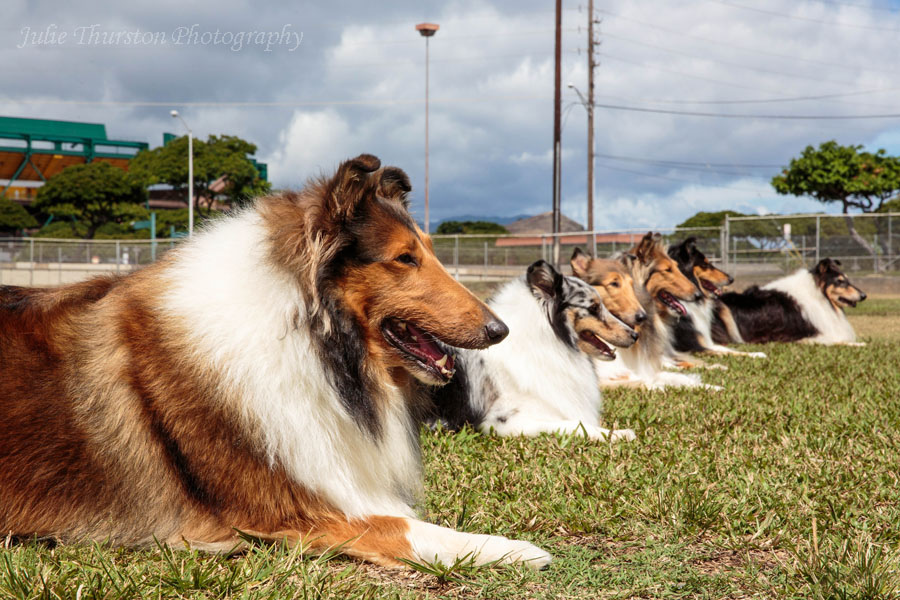
At what age do people begin training domestic dogs?
For the most positive result, training or agility dogs You need to start from the very first day at home. Explain to your pet right away that they have a right to relieve themselves in a strictly designated area. Every time the rules are not followed, raise your voice and point out the proper place. Don't yell—dogs understand speech and intonation very well, and yelling only frightens them. Never physically punish them—the dog will become embittered over time, avoiding interaction with you, and off-leash walks together will turn into a game of tag.
Apply the same method to the rest of your demands on your puppy. Often, when separated from their mother, puppies will whine in their new home and try to arouse their new owner's sympathy. Don't give in to their tantrums! Showing care and affection is certainly necessary, but within reasonable limits.
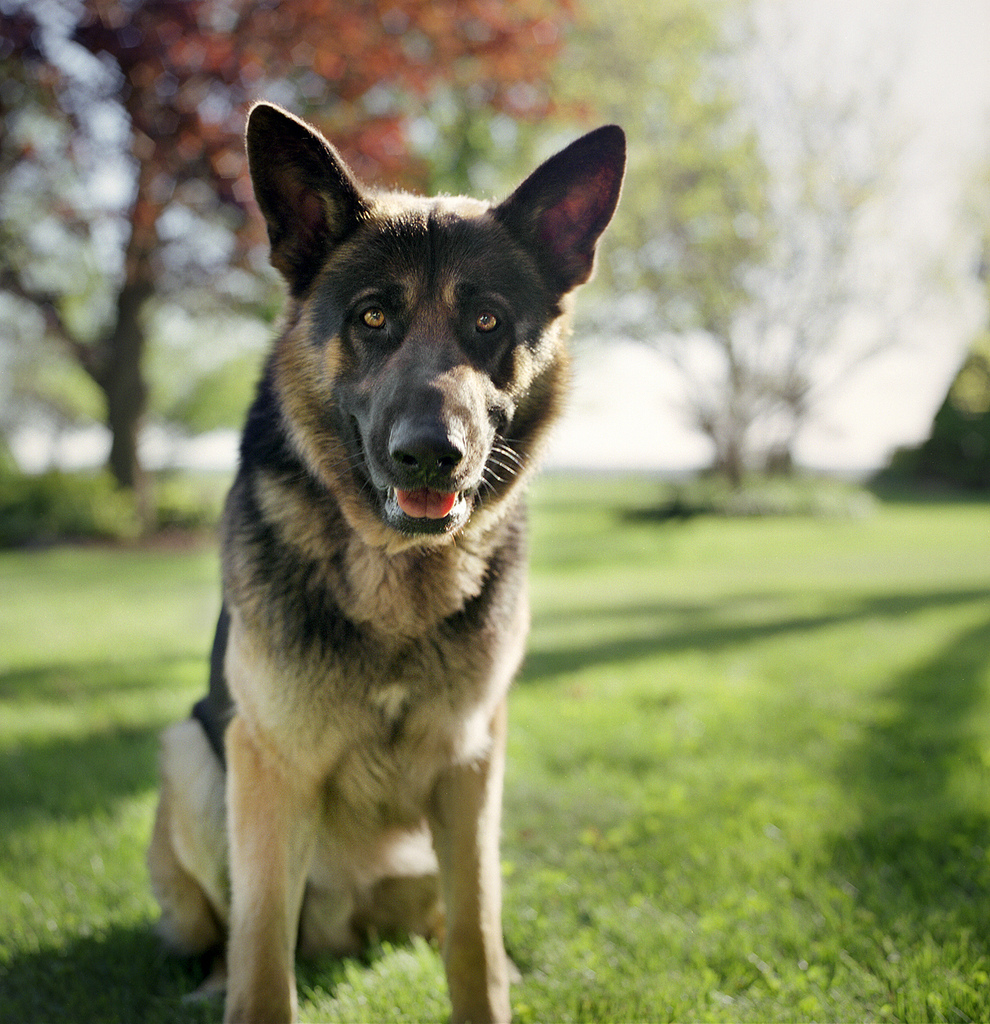
If you decide to punish your puppy for disobedience or some other misbehavior, it's best to take action immediately. A pet who receives a reprimand later and has already forgotten the incident simply won't understand why it's being punished and, therefore, won't learn its lesson.
If your little pet is overly affectionate when meeting you after a long absence, don't scold or push them away. By snuggling close to you, they're showing their love, even though they're afraid you'll disappear again.
Don't spoil or overprotect your puppy. As an adult, he'll expect the same privileges from you, but at a respectable age, you'll have to forbid him from being spoiled, and you won't be so charmed by a healthy dog.
House training for a dog begins with learning indoor behavior. Furthermore, the puppy should have toys. A variety of interesting toys will discourage its interest in shoes, pillows, and other household items.
Try to leave your puppy alone indoors more often. If he gets used to having someone around all the time, stopping him from barking will be a problem. It's much easier to prevent problems than to try to break a bad habit later with a dog training collar, which, by the way, is quite expensive.
The owner's "personality cult"
An equally important task is to orient the dog toward its owner. Many thousands of years ago, the ancestors of our pets lived in packs, each with a leader. The pack instinct hasn't disappeared, and modern dogs still tend to follow a strong individual, typically choosing a single owner and deferring to other family members to a lesser extent. To prevent a puppy from becoming the boss of the entire household, take the initiative. The key to house training is to become an unwavering authority figure, one whose word is law.
Demand unconditional compliance with all commands, don't give in to any slack, and strive for results no matter what. Your puppy must understand once and for all that you, not him, are the leader of the house.
Training dogs of different breeds
It's no secret that every dog breed has its own characteristics. Some are affectionate and timid, others aggressive, others lively, and so on. Training is also individual.
Fighting breeds
There's a common misconception that any fighting breed is inherently dangerous and aggressive. This is a grave misconception for those who haven't personally encountered them. The fact is, several decades ago, breeders of such breeds selected aggressive individuals for breeding so that their offspring could participate in fights. This was a lucrative business. Less vicious dogs were not selected and were excluded from the breeding program.
Artificially fostering a powerful aggression gene certainly has its effects, but that doesn't mean, for example, that a Boxer or Pit Bull will bite everyone who passes by. Such a dog requires an owner with an iron will and willpower. A weak person who hopes to raise a normal, socially safe dog with affection is strictly advised against adopting a fighting breed puppy.
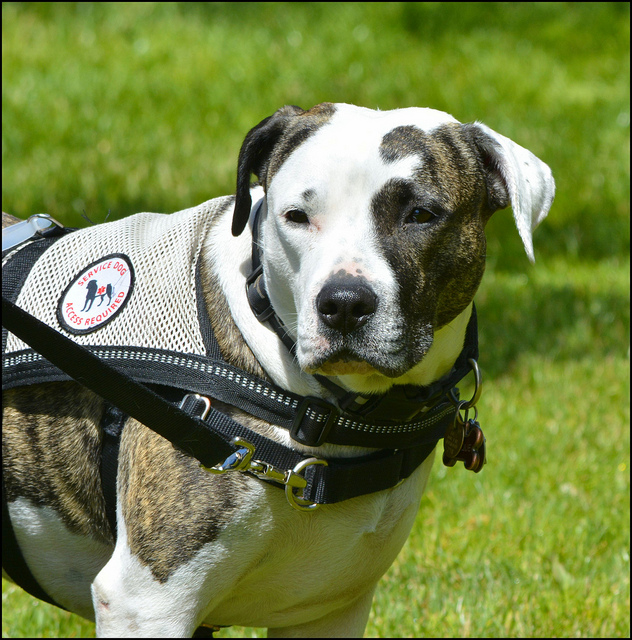
Fighting breed puppies require maximum attention from day one. If you feel you're struggling to cope on your own, contact an instructor and take dog training lessons. There are no dangerous pets, only owners who fail to gain control of their pets in time.
Hunting dogs
Video review of hunting dog training:
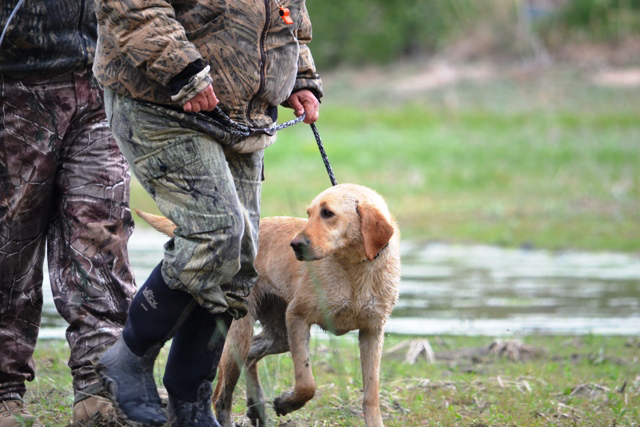
Let's look at the breeds of gundogs that are excellent companions, children's favorites, and simply wonderful, playful friends. Their temperament is like a perpetual motion machine, and their owner must match its rhythm.
For example, if you take a setter - Irish, Scottish or EnglishBe prepared for daily, multi-hour walks over rough terrain. Their hunting instinct is so strong that in urban areas, they'll lock onto cats, pigeons, and anything that moves. Without hunting and exercise, such a dog can cause a lot of damage in the home.
Training a hunting dog on your own is challenging, as you need to understand all its actions and intuitively recognize its intentions. There are dog training schools specifically for hunting breeds, where experienced trainers will help you understand your pet.
Of course, dog training lessons aren't cheap. Furthermore, to ensure the best possible understanding, hunting dogs are trained to understand commands through gestures rather than words, which is practically impossible for a novice owner to do on their own.
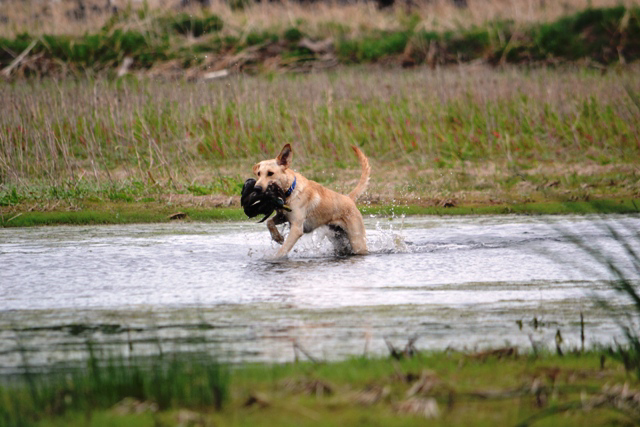
If your living conditions don't allow for daily runs with your dog, be prepared for the possibility of it running away when walked off-leash. Naturally, train it to obey your commands and return when called, but with hunting breeds, this isn't always possible.
Service dogs
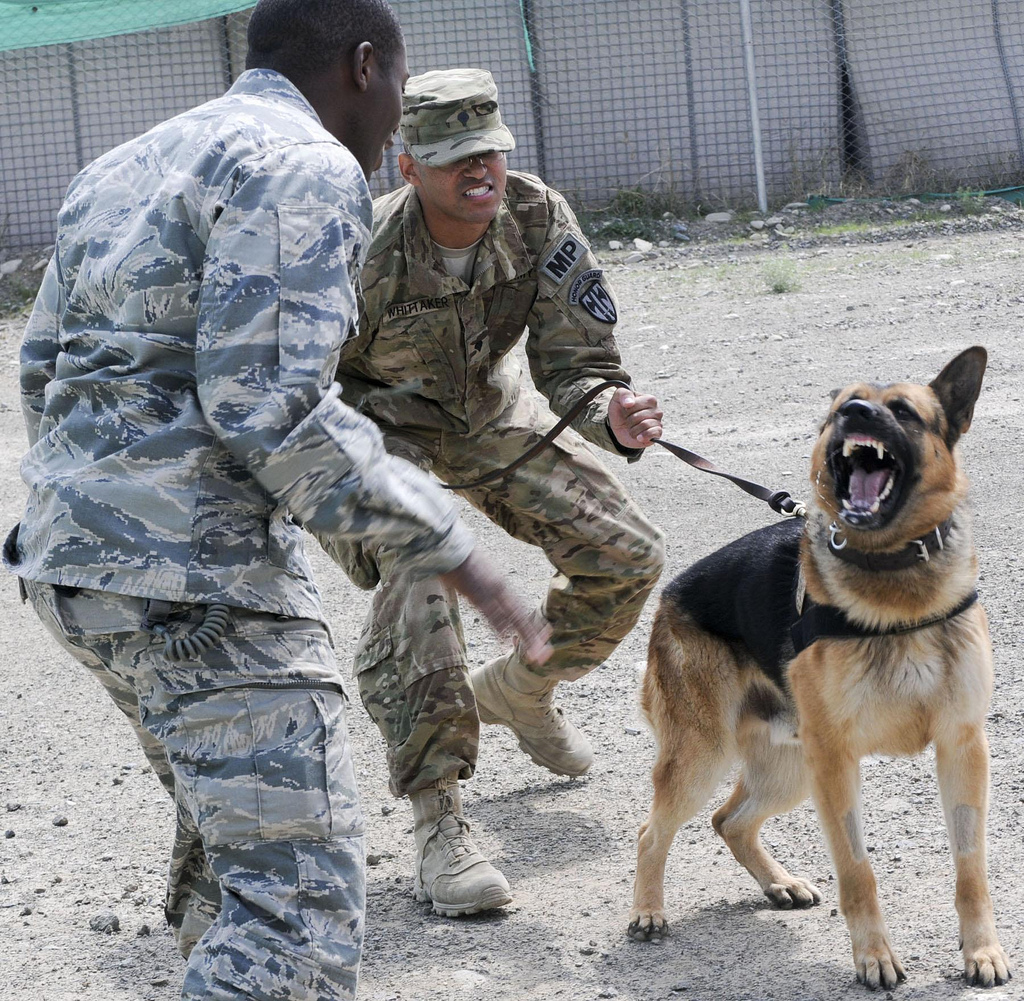
Service dog breeding is quite common, and there is a wide variety of breeds. The primary function of this group of animals is to assist humans. Guarding, escorting the blind, serving in the police and drug enforcement agencies allows these highly intelligent animals to bring many benefits to individuals and society as a whole.
A characteristic shared by all service breeds is a strong dependence on humans. With proper training, these dogs will follow their owner anywhere, sensitively and reverently obeying all commands. They also exhibit strong perseverance and patience. They can wait for their owner in one place for hours. Training service dogs is challenging and requires a wealth of relevant knowledge. It's best to attend dog training courses at a service dog club. The approach to training these breeds is very different from all others. Dog training at a reputable club isn't cheap, but a pet that will serve you faithfully is worth more than any amount of money.
Training adult dogs
Many owners believe that an adult dog is impossible to train. To dispel this stereotype and help owners manage their pets, dog breeders offer proven tips for training an adult dog at home.
Don't worry about training lessons being exhausting; in fact, you'll have a lot of fun with your pet, and the time spent on training will be mutually beneficial.
Untrained adult dogs are often euthanized in shelters because their owners are unable to manage them. This approach is unjustified, as dogs of all breeds and ages can be trained with proper handling and regular training. We recommend considering these tips for training an adult dog yourself, which can lead to significant progress:
- If your dog has performed a command correctly and behaved well during training, it deserves praise. Encourage it with kind words and gentle petting. Your dog will be touched by this warmth and will try even harder.
- Don't hit your dog, even for serious missteps. A downtrodden dog will never engage in direct contact.
- Use simple commands. It's best to start training lessons with simple commands like "Stand," "Sit," "Down," and the popular "Come."
- Be methodical. Devote time to training every day (at least 15-20 minutes) and, to avoid confusing your pet, don't change commands in the training program too often.
- Always remain confident and calm. Unwavering firmness in both verbalizing and expecting commands will discipline and encourage your dog.
- Enlist the help of family members, having instructed them in advance.
- Take your pet for walks regularly. This will help keep them active.
- If your dog is distracted and overly active, play and run with it to calm it down a bit.
In conclusion, I would like to advise against trying to teach dogs anything that is not prescribed for them by breed.
A setter will never compete in the fighting ring, and a Pit Bull won't hunt quail. Choose a dog that's comfortable for you and fits into your lifestyle. Consider the breed's behavior with children, social adaptation, grooming requirements, and temperament.
Read also:
- How to teach a dog the command "Attack"?
- How to teach a dog the "lie down" command
- How to teach a dog the "Heel" command
- How to train cats at home


.jpg)


Add a comment