
Blood transfusion for cats and dogs: how does it work?
Blood transfusions aren't just used in human medicine. Animals sometimes also need the blood of their fellow animals. The Vienna Veterinary University has had a feline blood bank for over ten years.
Cats can also donate blood in emergency situations. Horses require donated blood, primarily during surgeries with high blood loss. Sheep, goats, and other ruminants may require blood transfusions if they are heavily infested with blood-sucking parasites.
Three veterinarians from various specialties explain how blood transfusions are used in different animal species and save lives. Blood is unlikely to be produced artificially, but it can be transfused within a single animal species.
Content
Reasons for blood transfusion in dogs and cats:
- Serious accidents;
- Heavy operations.
- Some oncological diseases.
- Rat poison poisoning.
- Severe infectious diseases: for example, babesiosis, transmitted by certain species of pasture ticks (in Russia - mainly in the northwest and south of the European part, as well as in the steppe regions of southern Siberia).
- Blood disorders: such as clotting disorders or a genetic blood disorder (hemophilia).
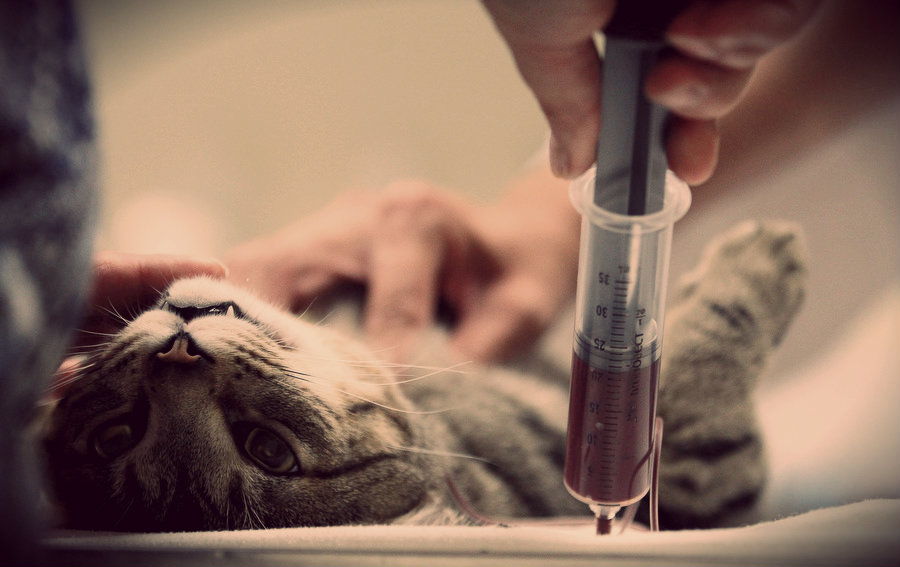
Blood comes in different forms
Animals, like humans, have different blood types (read about it on our website) How many blood types do dogs have? And in cats). Blood is classified into different groups based on surface proteins. Cats have three blood types. Transfusing the wrong blood type can be fatal, for example, if a cat with type B receives a transfusion of type A. With each subsequent transfusion, attention should be paid to the blood type, as in these cases, the animal's body has already developed antibodies against the foreign blood.
Examination of animals before donating blood
At the Clinical Department of Small Animal Internal Medicine at the Veterinary University of Vienna, dogs and cats can be registered as donor animals. Animals receive blood donor certificates and undergo a thorough examination. This includes a complete blood count, blood parasite testing, and viral (infectious) disease screening.
"Donating blood doesn't harm the animals. The donated blood volume is quickly restored to the body," says Nicole Lukshander-Zeller, a small animal internal medicine specialist and blood bank coordinator. "We especially emphasize that the donor animals feel well. They are given a small snack immediately after each donation."
Canine and feline blood is stored at the Vienna Veterinary University not only for use as whole blood. Individual blood components, such as plasma and red blood cells, are also stored and used as needed.
Animals donating blood saves the lives of their fellow animals.
Translation by O. V. Ryndina
Any questions? You can ask our website's staff veterinarian in the comments below, who will answer them as quickly as possible.
Read also:


Add a comment