
Up to what age is a dog considered a puppy?
There are no clear age limits for when a dog is considered a puppy. It all depends on the breed, as well as a number of other factors: genetics, living conditions, training, nutrition, etc. On average, the main physical growth and psychological development of an animal occurs in the first year of life.
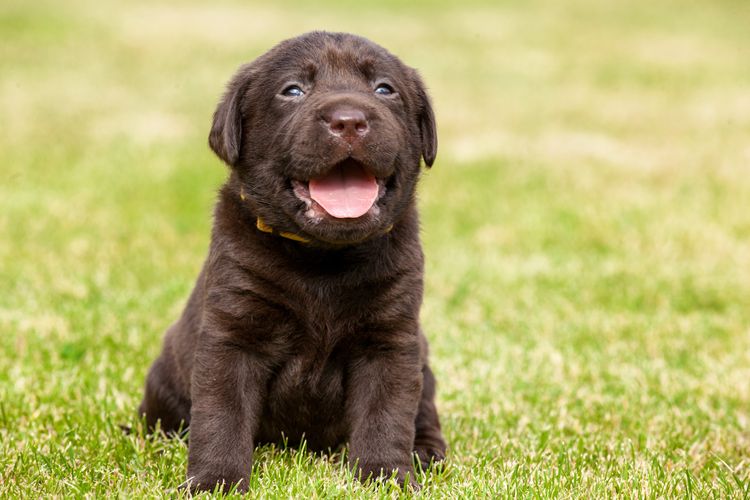
Content
Stages of puppy development
It is customary to distinguish several main stages of dog development.
Sucking
This period begins from birth until the mother weans her puppies. Around day 14, the puppies' senses develop—they learn to move around on all fours, explore their environment, try to play with their littermates, and gain other experiences of "communication" with reality.
After the first two weeks of acclimating to life outside the womb, puppies begin socializing. The more they become like dogs, the more their natural instincts become evident. During play, their teeth begin to actively engage, and an understanding of bite force and, consequently, the limits of what is allowed and what is not is developed. Leadership skills emerge in the fight for the most delicious nipple, located in the groin area of the nursing mother.
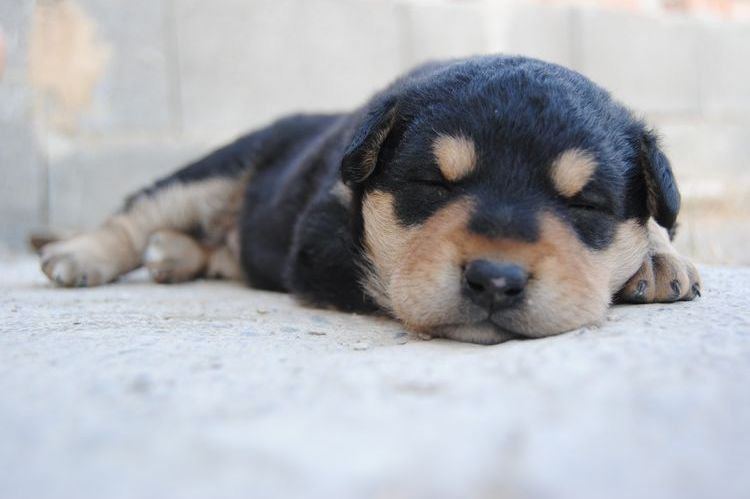
Puppies
From one and a half months to six months. During this period, active growth of tubular bones, teeth, muscles, and the sternum is observed. With proper care and nutrition, the animal grows at the withers and approximately doubles its body weight.
The dog's personality also changes. The emotional bond with its mother is completely severed, and it develops greater independence and self-confidence. It's important to begin training the dog early, otherwise it may feel overly entitled and try to set its own rules in the house.
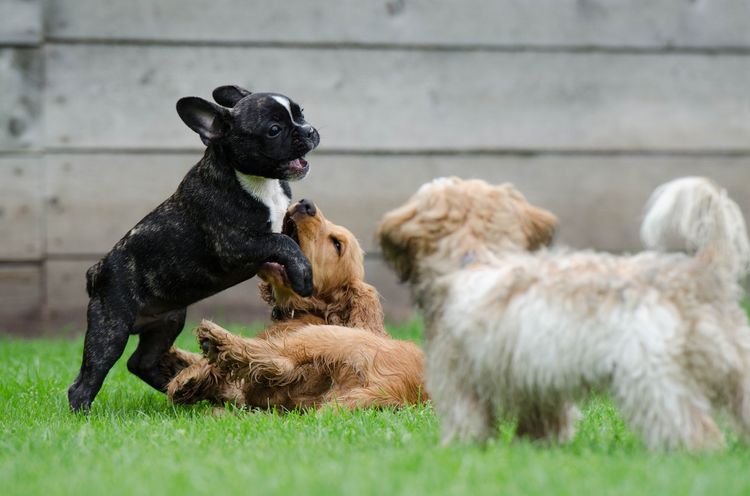
Young animals
From 6 to 12 months. Hormonal changes begin as growth and weight gain noticeably slow. Testosterone levels rise in males, and females experience their first heat cycle. Their attitude toward other dogs changes, and the so-called flight instinct develops.
On the one hand, there's the call of nature and the natural search for a mating partner, on the other, the obligation to obey and be obedient to their owner. This period is similar to adolescence in humans—approximately 13-15 years. Therefore, behavior may become inappropriate: the dog may be nervous, unresponsive to commands, anxious, and display other previously uncharacteristic reactions.
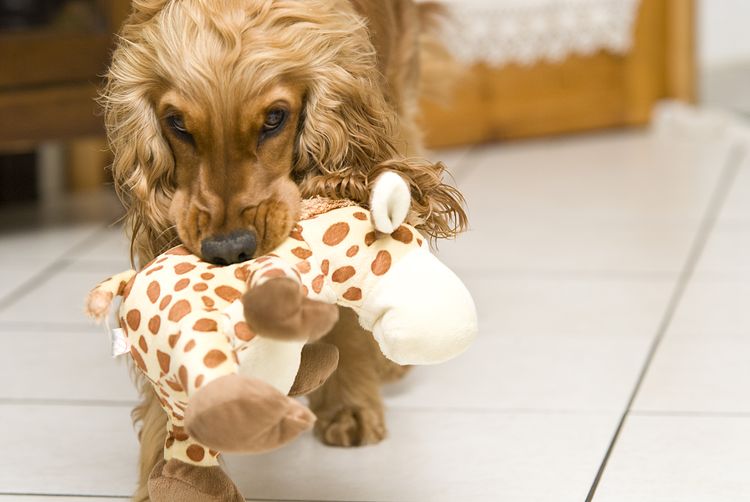
Ripening
From one to three years. The dog's appearance and character are fully formed. The dog ceases to be a puppy and establishes a clear behavioral position in the pack (among other dogs) and at home. Challenging leadership or, conversely, trying to "change" the animal's temperament is practically impossible.
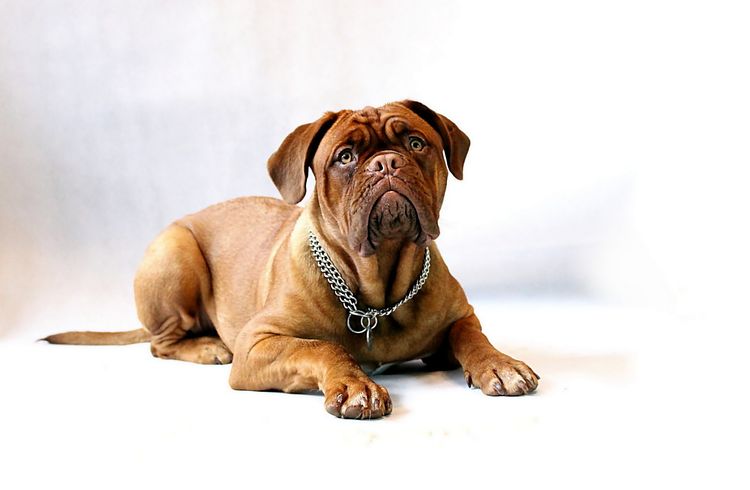
Differences in development between breeds
Depending on the dog's breed, one can estimate its approximate maturity period. Large-breed puppies grow and mature much more slowly than smaller dogs. For example, Yorkshire Terriers, Pekingese, Chihuahuas, and Dachshunds reach sexual maturity between 7 and 9 months. Pugs can stop growing as early as 6 months, then actively gain weight and widen. Rottweilers take about two years to reach adulthood, and German Shepherds, although they finish their active growth around the end of their first year, are not fully mature until they are two years old.
If we correlate human and canine age, then the proportion will be approximately 1:7. Cynologists have derived the following pattern:
- A 6 month old puppy is a 10 year old child;
- Dog 1 year old – teenager 14-15 years old;
- 3 years - young man 28-30 years old;
- 10 years old – “beginning” pensioner;
- 21 years old is a deep 100-year-old man.
Read also:


Add a comment