
Hip Dysplasia in Dogs: Symptoms and Treatment
Musculoskeletal disorders often occur in large breed dogs. Large, overweight animals, coupled with intense physical activity, often develop joint problems. One of the most common pathologies of this type is hip dysplasia. Unlike in humans, hip dysplasia in dogs is not a congenital condition, but develops in puppyhood and is caused by a hereditary predisposition. Serious complications of this condition, including complete immobilization, can only be prevented through timely treatment and proper preventative measures.
Content
Features of the disease
Hip dysplasia is an incurable condition that can lead to partial or complete destruction of a dog's joints. The problem is a significant increase in the gap between the ball and socket of the joint, resulting in a weakened bone connection. Constant friction and excessive pressure lead to bone loss, delamination, or flattening of the joints.
Since the hip joints bear the greatest stress during dog movement, dysplasia most often affects them. Elbow joint damage is much less common, and in rare cases, the knee joint.
There are 5 degrees of dysplasia development in dogs:
- A – is the norm;
- B and C – some disturbances are observed, in which cases may occur dislocations;
- D and E – severe joint damage occurs.
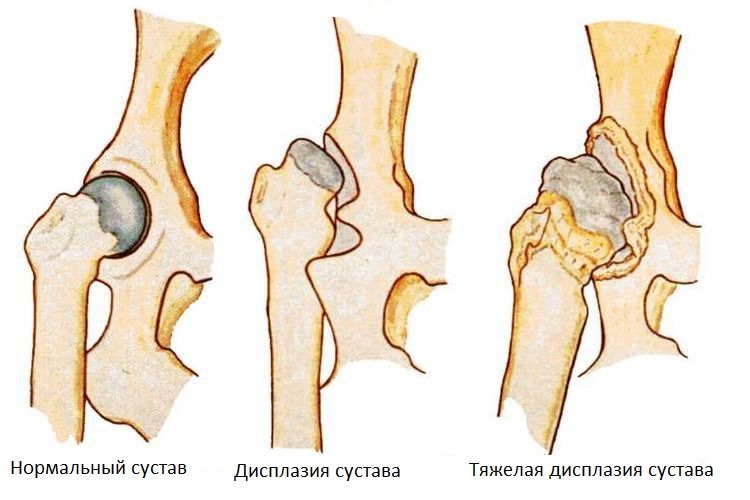
The disease can develop if a puppy has a genetic predisposition. In Russia, all large breeds are at risk, as dogs with dysplasia have only recently been eliminated from breeding. The most concerning aspect is that if a predisposition exists, dysplasia can develop even if the puppy is properly fed and undergoes normal exercise.
Reasons for occurrence
The onset of the disease in the presence of a genetic predisposition can be triggered by many different factors, the most common of which are:
- Improper nutrition: unbalanced diet (predominance of meat or its complete absence, poor-quality dry food); introduction of large quantities of phosphorus-calcium supplements; constant overeating and resulting obesity.
- Movement disorders: excessive training; sedentary lifestyle; injuries, bruises, and other damage to the limbs.
The risk of developing dysplasia is highest in dogs with a large body weight, significantly exceeding the norm, which are also subject to intensive training.
Signs of dysplasia in dogs
Pathological processes in the joints can be detected by X-rays as early as six months of age in puppies. However, it is virtually impossible to notice any external abnormalities during this period. Only with close attention can the initial symptoms of dysplasia in dogs become apparent:
- insignificant lameness, which appears at the beginning of a run or after exercise;
- stiffness upon waking, a desire to “stretch” or “walk around” after lying down for a long time;
- refusal to move up or down stairs in either direction;
- a periodic desire to rest during a walk.
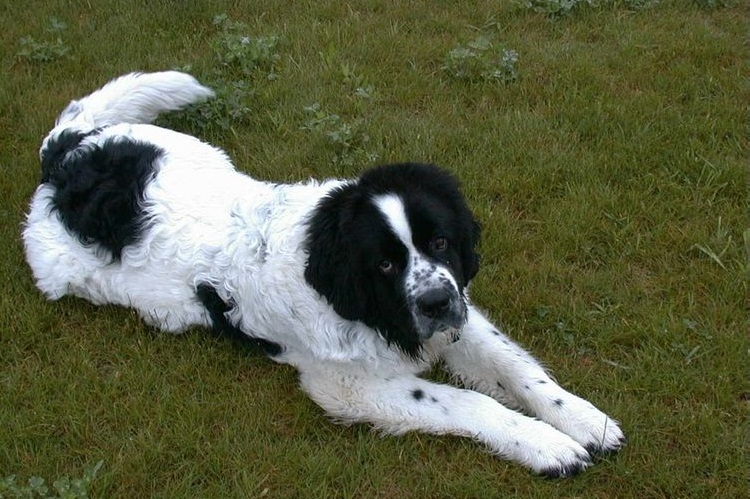
It's crucial to detect the disease promptly and begin treatment as early as possible. If you notice even one of these signs, consult a veterinarian immediately, as the condition becomes much more difficult to treat with age. Moreover, visible symptoms of dysplasia in dogs usually only appear at 1–1.5 years of age, when the musculoskeletal system is fully developed. Damage to different joints has several distinctive characteristics.
Hip dysplasia
Negative processes in the hip joint cause a disruption in the physiological position of the femoral head relative to the acetabulum. Characteristic behavioral traits in dogs with such injuries include constant leaning on the forelimbs, reluctance to climb stairs, a drooping croup, and a swaying hindquarters when walking.
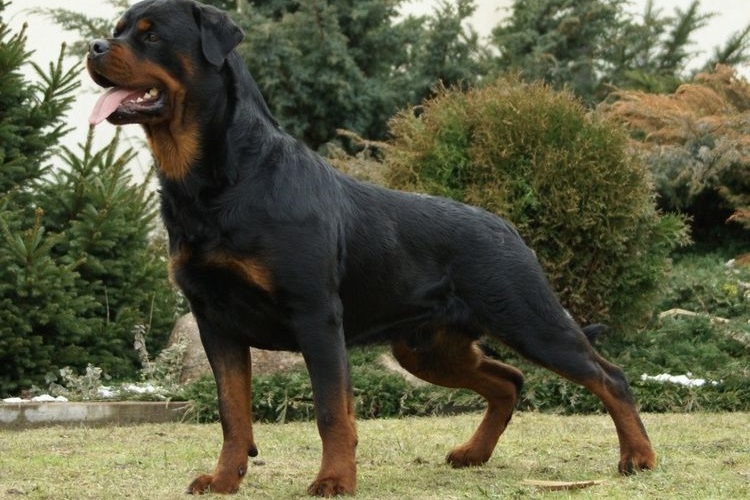
The appearance of signs of the disease is determined by the severity of such disorders:
- with a minor mismatch, symptoms of hip dysplasia in dogs usually do not appear at all or only in old age;
- If there is a significant misalignment of the specified parts of the joint, signs of the disease will quickly become noticeable even if the puppy is kept in the correct conditions.
Elbow dysplasia
If the disease affects the elbow joints, other symptoms are observed:
- limping in the forelimbs;
- refusal to give a paw on command;
- the appearance of thickenings or additional fragments on the elbow joints;
- twitching of the paw when palpating the neoplasm;
- reluctance to go down the stairs.
Some signs of this type of dysplasia depend on the specific pathology, since the bones of the joint can flatten, creating increased friction, or, conversely, decrease, forming an excessive gap.
Knee dysplasia
Changes in the stifle joint in dogs are uncommon and are usually caused by injury or excessive load on the hind limbs. In such cases, the position of the articular bones changes, resulting in a subluxation. This can be determined by the following signs:
- the appearance of visible deformation of the knee joints;
- painful sensations when palpating these areas;
- noticeable lameness in the hind legs.
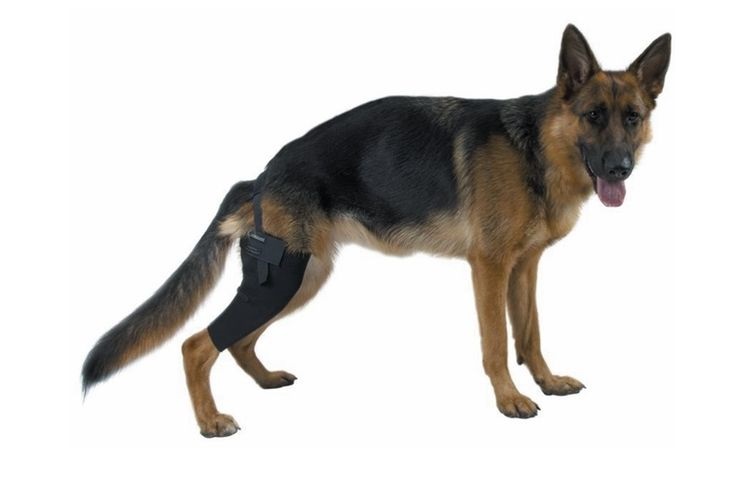
To prevent this from happening, a large breed puppy must be provided with the correct living conditions that eliminate the possibility of injury.
Diagnostic methods
During the initial examination of a dog for dysplasia, the veterinarian performs several procedures:
- evaluates the correctness of general movements;
- palpates the joint to detect deformity;
- performs flexion and extension of the limbs to determine how the joint moves and to see the animal’s reaction.
An X-ray is then ordered. The dog must be under general anesthesia, which allows the alignment of the joint bones to be determined without muscle support. If the X-ray does not provide a complete picture of the injury, an arthroscopy is performed—inserting a microscopic camera through a tissue puncture. This examination is the most informative, but it is expensive and not available in all clinics.
Treatment of dysplasia in dogs
Dysplasia in dogs is treated medically or surgically. The choice of treatment depends on the specific course of the disease, the individual characteristics of the animal, and its overall health. In most cases, elbow dysplasia in dogs can be treated with both conservative methods and surgery. Hip joint pathologies are usually treated only surgically.
Conservative therapy
For dysplasia in dogs, drug treatment involves the prescription of drugs from several groups with different effects:
- chondroprotective – for joint regeneration;
- antispasmodic – to reduce pain;
- anti-inflammatory – to relieve inflammation of surrounding tissues.
Dietary supplements containing glucosamine and chondroitin are also used to accelerate joint recovery. Along with medications and dietary supplements, the animal is prescribed a special weight-loss diet while simultaneously consuming vitamin and mineral complexes.
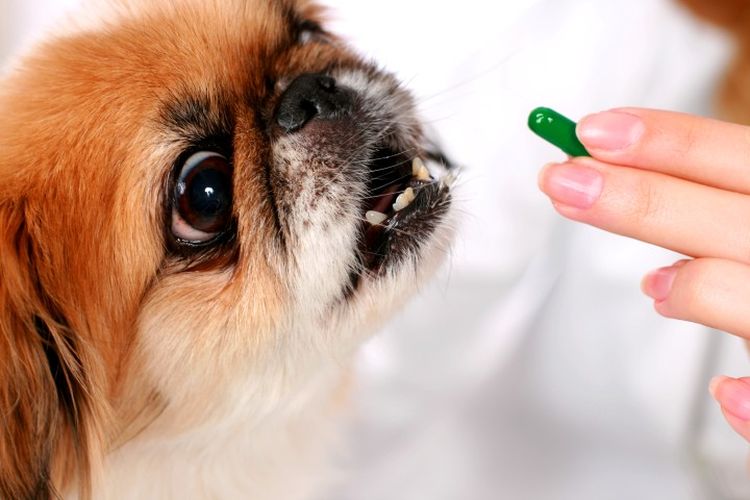
Additional physiotherapy treatments provide good results. The most popular are:
- paraffin therapy or ozokerite;
- Magnetic and laser therapy;
- massage of the damaged joint.
During the treatment period, physical activity is not excluded for the dog, but it should be moderate – swimming, light jogging, walks.
It's important to note that conservative treatment of hip dysplasia in dogs only provides temporary relief—pain and lameness—but does not restore the damaged joints. Therefore, specialists recommend immediate surgical correction.
Surgical operations
Surgical treatment for hip dysplasia in dogs aims to reshape the femoral head so it fits within the acetabulum. The complexity of the surgery depends on the severity of the condition. For minor issues, the procedure may only involve removing a small fragment of cartilage. In more severe cases, the following surgeries are performed:
- Hip replacement surgery is a total hip replacement with a titanium prosthesis. After the rehabilitation period, the dog will be able to move normally without any discomfort.
- Osteotomy is a procedure that repositions the articular cavity and restores the joint to its proper physiological shape. This procedure is only performed if the dysplasia is not complicated by arthritis.
- Femoral head and neck removal – this procedure does not require any implants, but it does require a very lengthy recovery period. However, after recovery, the dog will be free of any signs of the disease and will be able to run and jump without restrictions.
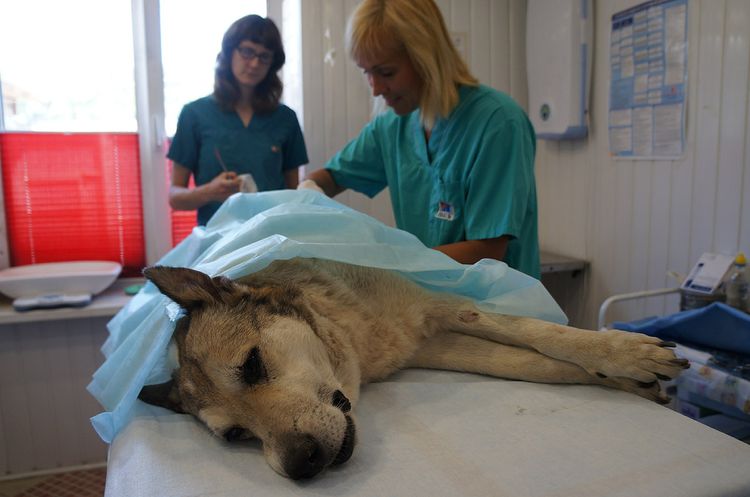
The decision on surgical treatment is made by the doctor based on the diagnosis and the animal's condition. Any surgery for dysplasia is a very delicate procedure that can only be performed efficiently by a surgeon with extensive experience and a deep understanding of anatomy. Therefore, it is crucial to find such a specialist.
Disease prevention
The nature of preventive measures for hip dysplasia in dogs depends on the stage at which they are needed. It's important to consider the absence of the disease in a puppy even before acquiring it. When choosing a large breed dog, it's important to ensure that its parents have been tested for hip dysplasia and have shown negative results (grade A). The breeder will provide a certificate of this along with other documentation. However, even this doesn't guarantee that the disease will not recur.
It's simply impossible to detect hip dysplasia in a puppy under 6 months of age (and sometimes even older). However, if a dog is predisposed to it, the disease will inevitably manifest itself later. Therefore, further prevention focuses on minimizing the risk of its occurrence or the development of its consequences. Preventative measures include a balanced diet and adequate exercise. With this approach, it's entirely possible to halt the progression of the disease, even if pathological changes have already begun in the puppy's joints.
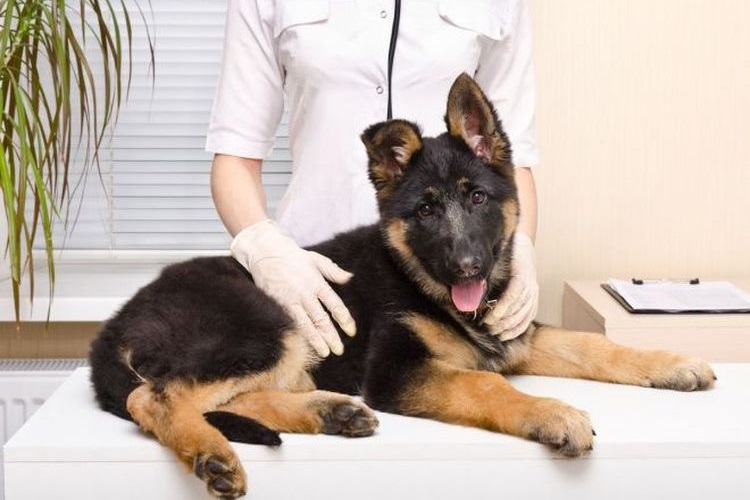
If a large-breed dog is overfed from puppyhood, leading to rapid weight gain, and is subjected to excessive exercise, this significantly increases the stress on diseased joints and can cause irreparable harm. Any dog requires attention and care, especially a large breed at risk for joint problems. However, it's important to know that hip dysplasia is not a death sentence. Your pet can be saved if the problem is detected early and treated properly.
You can also ask our website's staff veterinarian a question, who will answer them as quickly as possible in the comments box below.
Read also:


9 comments
Ella
Please tell me how to help my dog. His back legs suddenly started to buckle and he can't move. He can move while lying down, but he won't get up and whines when touched.
Daria is a veterinarian
Hello! You should at least get an x-ray; if veterinary clinics in your city offer CT or MRI, that's ideal. Visit a veterinary neurologist. Get your blood tested for biochemistry to rule out any nutrient deficiencies. Were there any injuries? Avoid self-medication, as this could worsen the situation. Sometimes this happens: after anesthesia, the animal feels the force and starts running, which can lead to a more serious injury.
Olga Evgenievna
Good afternoon! Could you please tell me what this could be? My Rottweiler, a female, 2.6 years old, has a problem with her hind legs. She became acutely ill. At first, she whined when she moved, and then stopped eating and even drinking. I consulted with the vet and gave her an injection of Flexoprofen per 1 kg of body weight to relieve the pain.
After the injection, the dog recovered within 30 minutes: she ate, drank, and became active. The next day, I repeated the injection, but she didn't eat, was inactive, and her hind legs were unsteady (especially the left one). On the third day, in the early morning, she started eating and drinking little by little, and she's feeling better. I won't give her the injection today, of course; she needs to see a vet. I'm a medical professional myself, and I think this is neurological, even though she's an animal, not a human. What could it be? Please advise. It's fashionable to treat everyone online these days, but nothing can replace a physical examination or other diagnostics. Thank you in advance.
Daria is a veterinarian
Hello! If you're a healthcare professional, you should understand the importance of an in-person examination and additional testing to confirm or rule out any underlying medical conditions. Despite the popularity of online consultations, they can never replace an in-person visit with an examination. I recommend at least an X-ray, and if possible, a visit to a veterinary neurologist or traumatologist. They will consult with you, examine your pet, and prescribe additional tests. Rule out hip dysplasia (especially if your pet is overweight), pinched nerves, or sprained ligaments.
Valeria
Hello, what food is suitable for an adult dog with hip dysplasia?
Tatiana
Hello! My Rottweiler has been limping on his back leg since he was 4 months old, and the lameness has gotten worse with each passing day. He's 7 months old now, and we've had x-rays taken. The doctor diagnosed him with hip dysplasia, and recommended a bilateral triple pelvic osteotomy. Our breeder claims that a definitive diagnosis of hip dysplasia can only be made at 1.5 years of age and that she doesn't trust specialists who prescribe surgery at that age! I don't understand this position, as the puppy clearly has difficulty moving, and as described above, the earlier the condition is detected, the better. Could you please advise me on the best course of action? Should I agree to the surgery or wait until he's 1.5 years old? Thank you so much!
Daria is a veterinarian
Hello! If you doubt the diagnosis, visit another veterinary clinic and get an x-ray, but don't tell them you've already had it done elsewhere. Let them make their own diagnosis. If the diagnosis and recommendations agree, that's cause for concern. Recently, puppies as young as 5 months can be operated on. Double pelvic osteotomy at such a young age is performed if there are pronounced signs of dysplasia and a high risk. If neglected and signs of obvious CHD develop, total hip replacement/resection arthroplasty may be required.
Sometimes urgent surgery is required, regardless of age. Your puppy has been limping since he was four months old, when he was still a baby. Is it really worth waiting until he's eighteen months old and watching him suffer from painful walking and increasing wear and tear on the joint and femoral head due to friction? I'd recommend visiting several clinics, maybe even in another city, to get multiple opinions. This will make the decision easier.
Svetlana
Good afternoon. My four-month-old Boxer-Alabai mix puppy started limping on his back leg. The vet took an x-ray and diagnosed subluxation and dysplasia. He took three days to tell me what kind of surgery would be needed. Why? Should I consult with more experienced veterinarians? He prescribed pain-relieving injections of Hexaprofen. Shouldn't the joint be reset? It feels like the dog is getting worse.
Thank you
Dasha is a veterinarian
Hello! Why can't the veterinarian consult with more experienced specialists? When in doubt, I also consult with specialists I know or simply with experienced veterinarians, because they can see things from a different perspective, recognize specific issues, and offer advice (doctors attend conferences and seminars to share their experience and knowledge). There's no shame in that! It's better to let them consult, listen to several opinions, and decide which procedure is most appropriate in this case. I didn't attempt any adjustments because I'm not sure it won't worsen the animal's condition. Perhaps surgery is the only option. Limit the animal's movement: reduce running/jumping, walk slowly (the dog is large, especially a crossbreed), and reduce the stress on the joint to avoid aggravating the situation. Repeat x-rays will likely be necessary. If the veterinarian decides after the consultation that they can't perform the surgery themselves, they will recommend a specialist who performs similar procedures.
Add a comment