
Hip dysplasia in cats
The term "dysplasia" typically refers to an anatomical abnormality of tissue structure. In cats, hip dysplasia is a fairly common condition that leads to pain, movement disorders, and, ultimately, malformation of the joint. This condition can cause significant discomfort and a decline in your cat's quality of life, so it's important to understand its symptoms and causes.
Content
What is DTS?
Hip dysplasia occurs when bones misalign. Normally, the glenoid fossa tightly encloses the head of the joint, and the muscles of the hip and pelvis hold the joint in place and ensure its proper function. With hip dysplasia, the head of the femur misaligns with the acetabulum, rendering the joint inadequately supported during movement, which over time leads to wear and tear and degeneration.
Causes of Dysplastic Syndrome in Cats
One of the main factors that can cause joint dysplasia (knee, elbow, or hip) in cats is genetic predisposition, with the gene responsible for the disease being passed down through 10 generations. Dysplasia is more common in purebred cats, such as Maine Coons, Munchkins, Ragdolls, Scottish Folds, British Shorthairs, Abyssinians, Persians, Siamese, and Burmese.
Young cats are more susceptible to the disease. Hip dysplasia in kittens typically appears within the first few months after birth, and is more common in females than males. Spayed cats are also at risk, as they are less physically active.
It's highly likely that the pathology's development is caused by the composition of the synovial fluid, specifically, an insufficient concentration of hyaluronic acid, which leads to loss of glide between the joint components. Excess weight, which increases stress on the joint, or an injury that causes damage can also contribute to the development of osteoarthritis.
One of the major causes of hip dysplasia in cats is poor nutrition. Excess phosphorus in the diet causes the body to produce phytates, which interfere with calcium absorption. Dysplasia can also be caused by vitamin D deficiency, which often results in muscle weakness and osteomalacia (decreased bone density).
Clinical signs of DTs
Symptoms of dysplasia in cats may include:
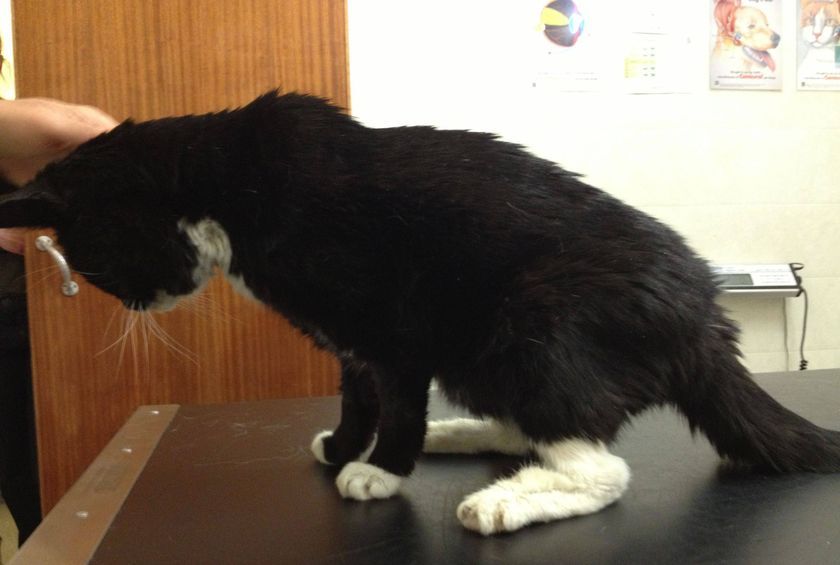
- unsteady or limping gait;
- a creaking or clicking sound when bending a joint;
- difficulty climbing and descending stairs, jumping or running;
- Due to pain and hypermobility of the joint, the cat may rise slowly and awkwardly from a sitting or lying position;
- to limit the movement of the affected joint, the cat wiggles its butt while walking;
- when sitting, the animal stretches its hind legs forward;
- A sick animal avoids unnecessary movements, which leads to weakening of the muscles (this is the so-called vicious circle, which contributes to the further development of the pathology).
Diagnostics
If you suspect your cat has hip dysplasia, it's important to consult a veterinarian promptly. The vet will conduct an examination and may order additional tests to establish an accurate diagnosis. In some cases, a consultation with an orthopedic specialist may be necessary.
When making a diagnosis, it is important to differentiate dysplasia from other pathologies with similar symptoms: degenerative myelopathy (a neurological disease leading to paralysis of the limbs), sacroiliac joint syndrome (instability of the spine), osteomyelitis or polyarthropathy (inflammatory bone diseases).
The primary diagnostic method for hip dysplasia in animals is X-ray examination. This is usually performed under sedation to allow for proper joint alignment. In hip dysplasia, X-rays will reveal a misalignment of the hip joint head and acetabulum. In the degenerative stage, deformation of the bone surfaces and abnormal growth (fibrosis) of the surrounding tissues will be detected.
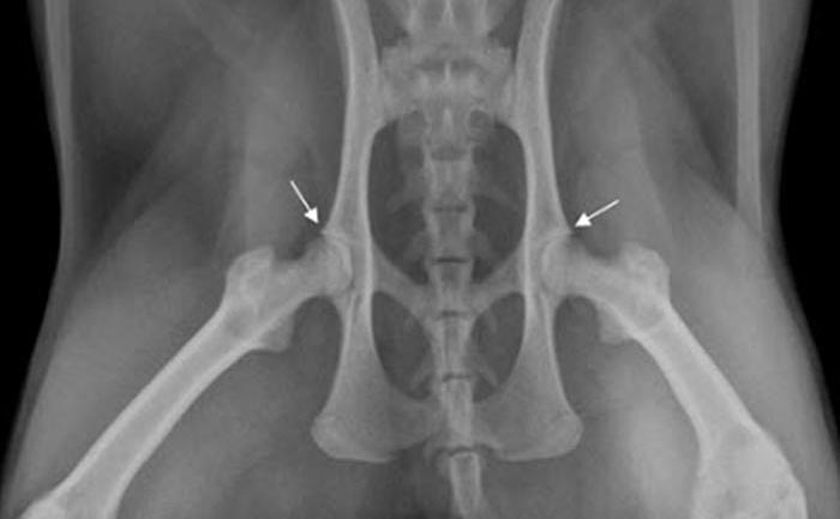
Computed tomography is considered even more informative than X-ray examination, since it allows one to see all the details and the extent of joint damage, as well as associated pathologies that are not obvious on X-ray.
Treatment
Treatment for osteoarthritis may include medication, physical therapy, and regular exercises to support the muscles around the joints. If joint function is significantly impaired, surgery may be required.
Therapeutic treatment
Conservative treatment of DTS is aimed at reducing pain and improving the cat's quality of life.
Here are some of the main treatment methods:
- Drug therapy. For dysplasia, doctors may prescribe anti-inflammatory and painkillers, such as nonsteroidal anti-inflammatory drugs (NSAIDs) Meloxicam, OnsiorPrevicox, Metacam. Sedatives with analgesic effects, such as amitriptyline, Petvital Arthro, and gabapentin, are also used. These can be taken at home.
- Physiotherapy. It helps improve joint movement, strengthen surrounding muscles, and reduce pain, and is especially effective for hip dysplasia in kittens.
Physiotherapeutic methods:
- kinesiotherapy (muscle strengthening exercises),
- massage, manual therapy,
- hydrotherapy (water treatment),
- laser therapy,
- thermotherapy,
- electrical stimulation,
- shock wave therapy.
Diet and weight management are also crucial. Excess weight puts additional stress on the hip joints and worsens the animal's condition.
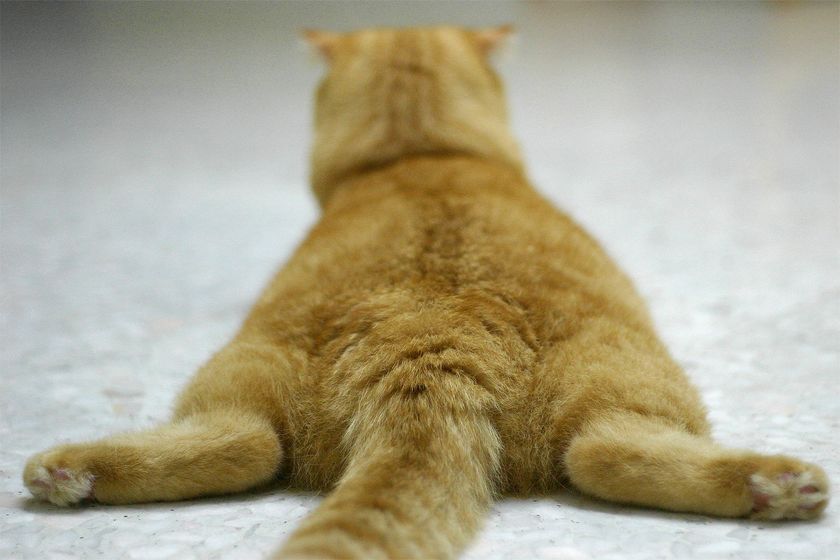
Therefore, it's important for cats with dysplasia to maintain a proper diet: their diets should be higher in protein and lower in carbohydrates. This will ensure your pet gets the necessary nutrients without gaining weight. Veterinarians recommend low-calorie ROYAL CANIN Neutered Young Male or Neutered Young foods.
Surgical treatment
In some cases, especially with severe dysplasia or complications, surgery may be necessary. Surgical treatment of dysplasia in cats is a complex procedure that requires specialized equipment and the experience and expertise of a veterinary surgeon. Before deciding on surgery, it is important to consult with a veterinarian to assess all the risks and potential benefits for your cat.
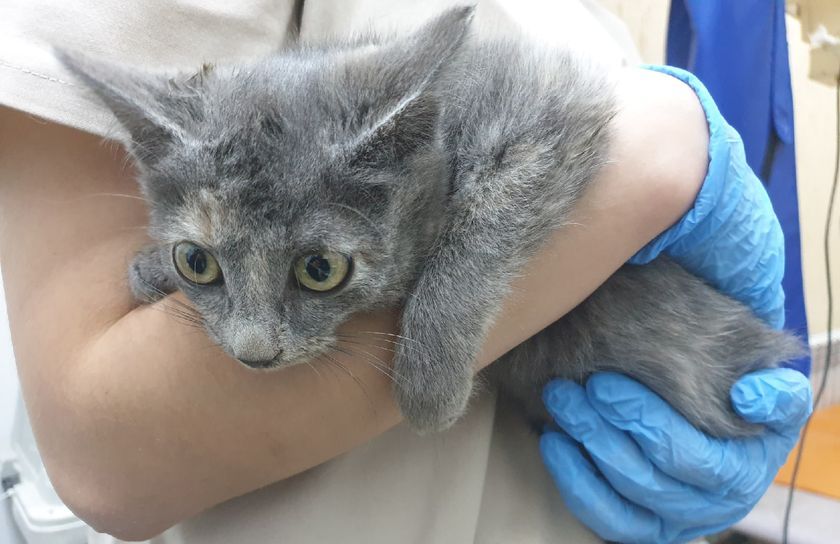
Surgical options vary depending on the severity and characteristics of hip dysplasia and may include joint reconstruction or replacement. The main surgical treatments for hip dysplasia in cats include:
- Reconstructive surgery. For mild to moderate cases of hip dysplasia, doctors may recommend a fibula implantation procedure to improve joint function. This procedure involves using the tibia bone to strengthen the hip joint.
- Orthopedic surgery. This intervention may be recommended in cases of severe hip dysplasia, where joint damage is severe and poses a threat to the cat's quality of life. One popular orthopedic method is axial correction. During surgery, specialized equipment is inserted into the surgical area to help reposition the joint, improving its functionality.
- Total hip replacement. In cases of congenital dysplasia, when a kitten's hip dysplasia is severe or unresponsive to other treatments, it may be necessary to replace the affected hip joint with an artificial one. This improves musculoskeletal function and completely eliminates pain.
Cats that have undergone surgical treatment for dysplasia undergo periodic radiographic monitoring of joint stability to prevent recurrence or complications.
Read also:


Add a comment