
Heartworm in Dogs: Symptoms and Treatment
Among canine helminthic diseases, dirofilariasis is considered particularly dangerous, with symptoms often appearing after treatment no longer provides a favorable prognosis. Unlike other helminths that infect the gastrointestinal tract, dirofilariasis infects the subcutaneous tissue, eyes, blood vessels, heart, and brain. By causing irreversible organ dysfunction, these worms can lead to the death of the animal. Therefore, dog owners should be aware of how infection occurs and take preventative measures.

Content
Pathogen and routes of infection
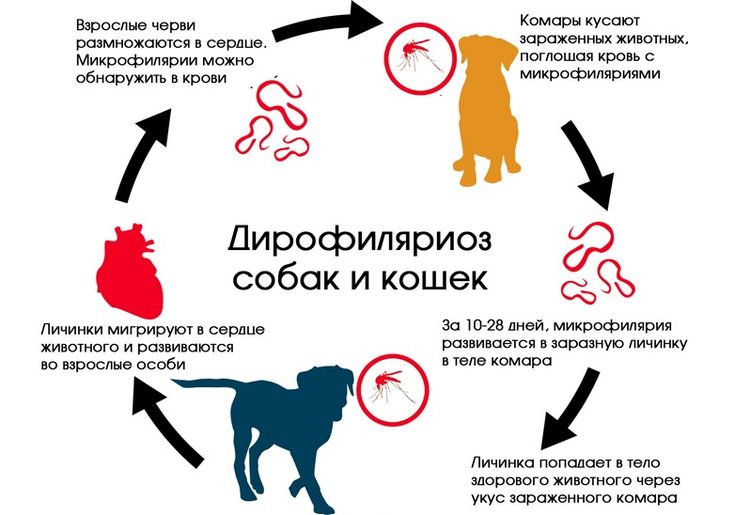
Dirofilariasis is caused by two species of Dirofilaria nematodes: Immitis and Repens. The former infects blood vessels and the heart, while the latter live under the skin. The worm resembles a thin thread, can reach 15 cm in length, and has a lifespan of 5-10 years. A dog can harbor over 200 worms at a time. The worms mate, after which the female produces larvae (microfilariae), which then develop into adults.
Nematodes are transmitted by Anopheles and Culex mosquitoes. The maturation of the helminth larvae within the mosquito to the infective stage takes from 8 days to a month, depending on temperature conditions. In warmer climates, the larvae mature more quickly, so infection occurs primarily in the summer.
Caution! Dirofilariasis is also dangerous to humans. However, it cannot be transmitted directly from a dog; it requires a "temporary host"—a mosquito. However, cases of an insect biting an infected dog and then immediately biting a human are very rare.
Life cycle of the pathogen and routes of infection
Dirofilariasis in dogs is caused by nematodes of the genus Dirofilaria, which are transmitted through mosquito bites. During a bite, the larvae enter the animal's body and begin migrating through the bloodstream. Within a few months, they reach the heart chambers, pulmonary arteries, or subcutaneous tissue, where they develop into adults. The parasite's lifespan can reach 5–7 years, making the disease chronic and life-threatening.
A particular feature of the infection is that pets living in urban areas and rarely leaving the apartment are also at risk. Mosquitoes can carry larvae over long distances, and the incubation period for the disease can range from several weeks to six months.
Distribution and seasonality
In Russia, dirofilariasis is most common in the southern regions (Krasnodar Krai, Rostov Oblast, and Crimea), but in recent years it has been moving north due to climate change and the growth of carrier populations. Veterinary clinics in Moscow and St. Petersburg are recording cases of infection in animals that have never traveled outside the region.
Seasonality is directly related to mosquito activity: peak infestations occur during the warmer months—from late April to September. Owners are advised to begin preventative treatments in the spring and continue them until the onset of sustained cold weather.
Symptoms
Symptoms of the disease depend on the type of helminth. Dirofilaria Repens nematodes cause itching, dermatitis, and allergic reactions. Characteristic mobile bumps may appear under the skin at the site of the worm, which the dog constantly scratches. If the parasite is lodged in the eye tissue, conjunctivitis develops. This form of the disease is not life-threatening, as the helminths do not affect the functioning of vital organs.
Infection with Dirofilaria Immitis is much more dangerous and, without proper treatment, often leads to death. When this type of helminth is localized in the heart, blood vessels, or brain, the dog experiences rapid weight loss, anemia, severe pulmonary hypertension, edema, and a debilitating cough.
Diagnostics
Laboratory and instrumental diagnostic methods are used to detect heartworm disease in dogs. Your veterinarian may prescribe the following:
- a blood test to determine the presence of microfilariae (parasite larvae);
- echocardiography, which, in this disease, reveals organic changes in the heart and/or signs of heart failure;
- Immunological blood tests, which are performed to exclude other diseases with similar symptoms.
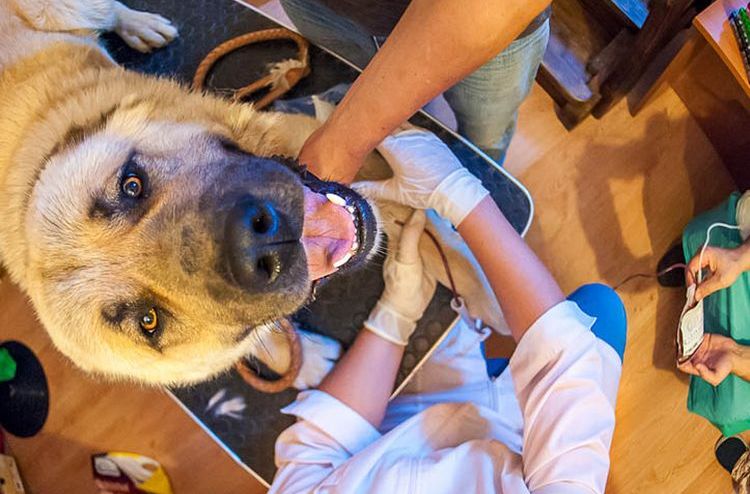
A popular method for diagnosing dirofilariasis is a blood test for the presence of the pathogen. It is based on the reaction of specific components of the test sample to a protein secreted by the female parasite. This rapid test is highly reliable, returning positive in 60-80% of cases, even if the dog is carrying only one adult female worm.
Treatment
To destroy larvae and adult forms of dirofilaria in the blood of a dog, the drugs Ivermectin and Ivomec are used. IvermectinBivermectin. If the disease is not advanced, even a single administration of the drug is sufficient to completely rid the dog's body of helminths. Dirofilariasis larvae can also be killed with the anthelmintic drug Levamisole. According to experts, Melarsomine dihydrochloride is most effective in cases of nematode infestation of the pericardium; however, this drug is contraindicated for dogs with kidney, liver, or lung disease.
For the treatment of cutaneous dirofilariasis, solutions and sprays of Imidacloprid and Moxidectin (also known as cydectin and nedectin) are applied to the areas affected by the worm infestation. These medications act as powerful nerve poisons against all forms of dirofilaria. Large nematodes located under the dog's skin sometimes require surgical removal under local anesthesia.

Caution! For Scottish Shepherds (breeds Sheltie And collie), Old English Sheepdogs (a bobtail breed), and Dobermans have a mutation in the glycoprotein gene that impairs the elimination of ivermectin's breakdown products (metabolites). Therefore, this medication is not used in these breeds. Heartworm medications should be prescribed by an experienced veterinarian, as these medications contain toxic compounds.
Symptoms of the latent form
Classic signs of the disease, such as coughing, shortness of breath, weight loss, and decreased activity, are described in the basic article, but in many dogs, heartworm disease is asymptomatic.
Additional signs include:
-
periodic fainting or short-term loss of consciousness;
-
paleness of the mucous membranes, not associated with obvious causes;
-
weakness that occurs after physical exertion;
-
impaired liver and kidney function in the later stages;
-
a tendency to allergic reactions without visible allergens.
In puppies and small breeds, the disease develops more quickly and can proceed without obvious symptoms until critical damage to the heart and lungs occurs.
Danger to humans
Although dogs are the primary host for Dirofilaria, humans can also become accidental carriers. In humans, the parasite develops in the subcutaneous tissue and can cause tumor-like nodules. Such cases are more common in warm climates and where mosquito population control measures are unavailable. Therefore, prevention is important not only for the health of the animal but also for the protection of the entire family.
Diagnostics: modern approaches
Modern diagnostic methods make it possible to detect heartworm disease in dogs even in the early stages. The main tests used are:
| Method | Description | Advantages | Flaws |
|---|---|---|---|
| Blood microscopy | Determination of microfilariae | Affordable, cheap | Does not detect early stage |
| Rapid serological test | Detects antigens of adult parasites | Fast results, high accuracy | False negative at low load |
| Ultrasound of the heart and blood vessels | Visualization of worms | Useful for cardiac conditions | Requires equipment and experience |
Comprehensive diagnostics allow us to select the correct treatment plan and assess the degree of risk to our pet.
Preventive measures
To prevent your dog from becoming infected with heartworm disease, it is recommended:
- Limit your pet's exposure to insects that carry the infection. Mosquitoes are especially active in the summer, in the morning and evening.
- Before walks, regularly treat the dog's coat with repellents and insecticides.
- During the warm season, use medications that destroy helminths that have entered the dog's body at the microfilaria stage, preventing them from developing into adults and producing offspring.
Veterinarians and canine specialists believe that heartworm prevention should include several protective measures to be truly effective and reliably protect your pet from the disease.
Read also:


Add a comment