
Scottish Deerhound
The Scottish Deerhound is a large dog belonging to the sighthound group. Another name for the breed, the Scottish Deerhound, refers to its origins and historical purpose. Today, Deerhounds are rarely used for hunting, but they have become renowned as excellent family dogs with a gentle, kind disposition.
Content
History of origin
The most common origin story suggests that the Vikings once had a huge dog they called the Ku. It was a versatile animal, guarding homes, hunting, and going on campaigns, and as a result, was highly aggressive. Later, the dogs were divided into two branches. The larger and heavier ones were used for hunting wolves and boars, and were called the Ku. Irish wolfhoundsIt's worth noting that they never herded livestock. Lighter and faster dogs were found further north and were used to hunt deer, hence the name "Deerhound." They were also used to hunt hares and foxes.
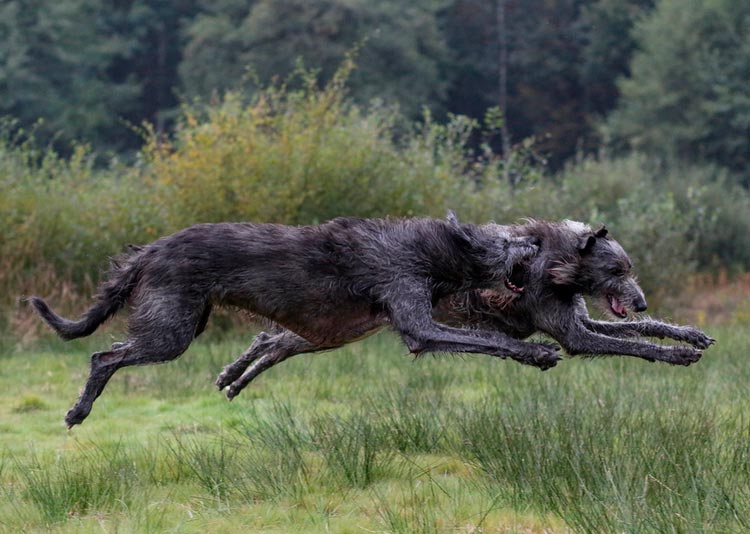
In modern society, the use of greyhounds for their intended purpose is very difficult, especially in England and Europe, where hunting is frowned upon. The difficult situation of maintaining working qualities is alleviated by the possibility of using greyhounds in mechanical hare racing competitions.
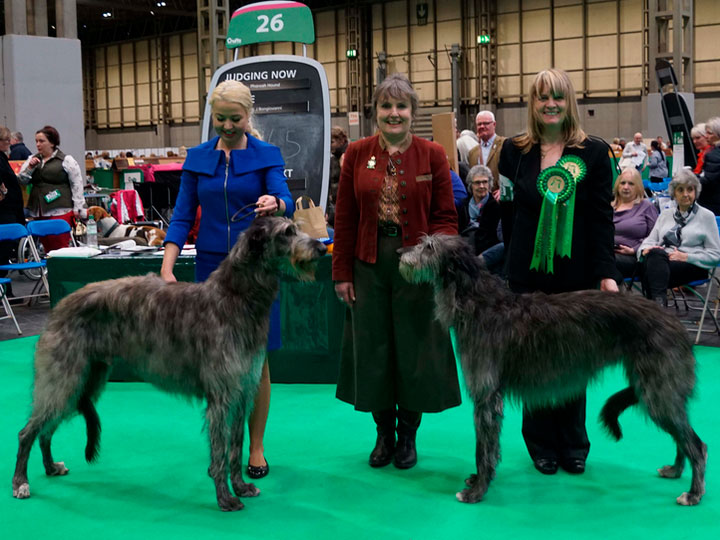
There are very few deerhounds worldwide. For example, just over a hundred dogs are exhibited annually at Craft, the world's largest dog show. In Russia, there are only a handful; breeders and enthusiasts of Scottish deerhounds know every member of the breed by name. For this reason, it's impossible to register a national breed club, making it very difficult to purchase a puppy.
Video about the Scottish Deerhound dog breed:
Appearance
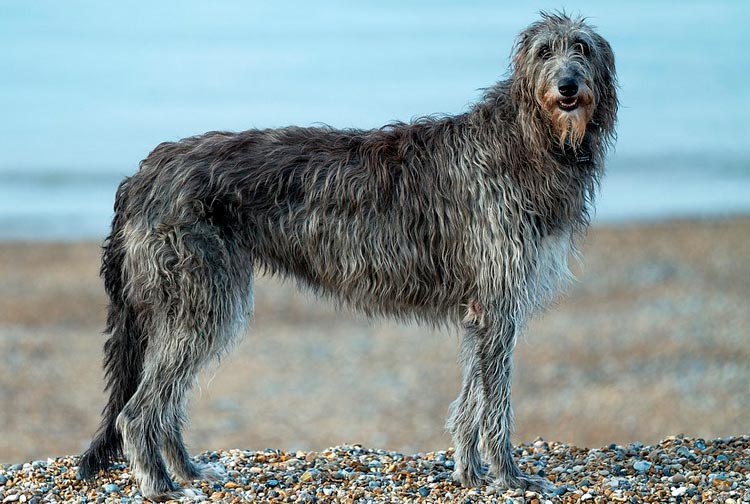
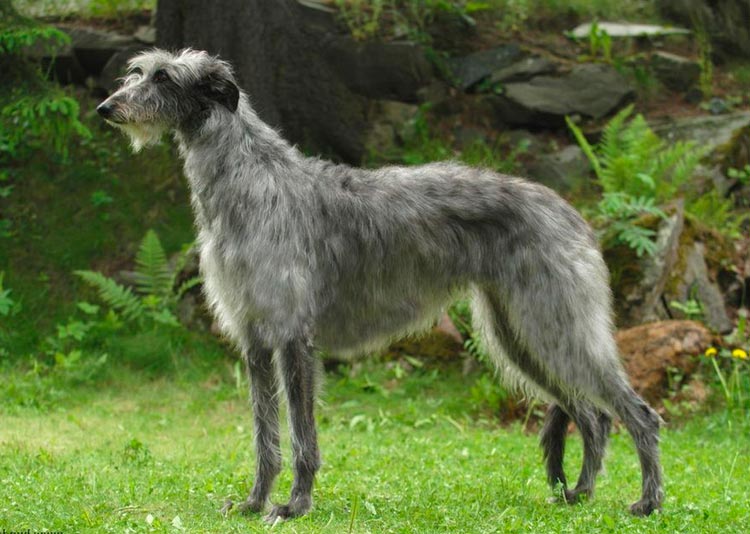
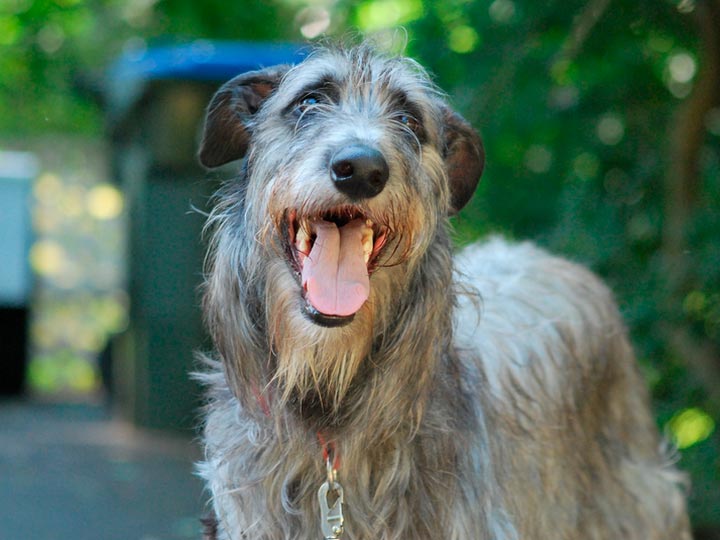
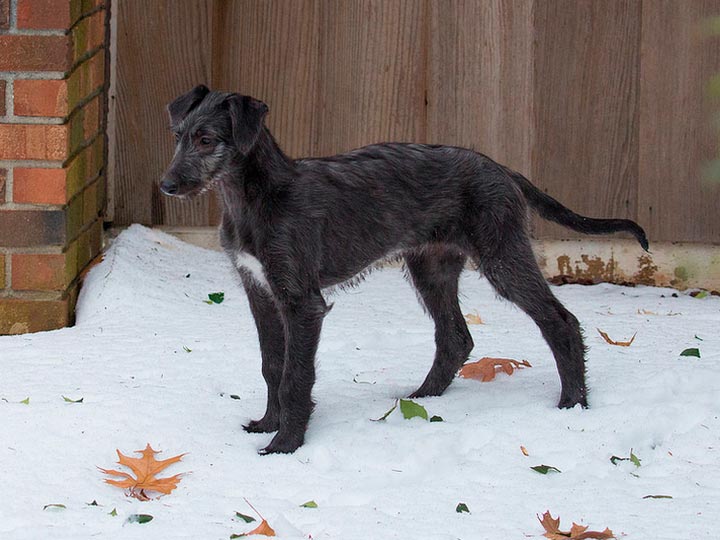
The Deerhound is a large, elegant dog with a long, coarse coat that feels harsh to the touch. Sexual dimorphism is pronounced. Males stand 76 cm tall, while females reach 71 cm, weighing 45.5 kg and 36.5 kg, respectively.
The head is dry, relatively large, long, and wide between the ears. The muzzle tapers toward the nose. The lips are tightly fitting. The stop is slightly defined. The bridge of the nose may be slightly arched, and the tip is black. The muzzle should be adorned with a thick mustache, eyebrows, and a small beard. The eyes are medium in size and dark in color. The ears are set high and usually set back. When excited, they are raised at the fold and are soft to the touch. The jaws are strong with a correct scissor bite.
The neck is very long and strong, but hidden under the coat. The nape is noticeable, without drooping. The shoulders are well laid back and not too far apart. The forelegs are straight. The hind legs have strong thighs and are well bent at the stifles. The feet are well-knit, compact, and arched. The chest is deep. The underline is noticeably tucked up. The long tail is carried low or between the legs, with a slightly curved lower quarter.
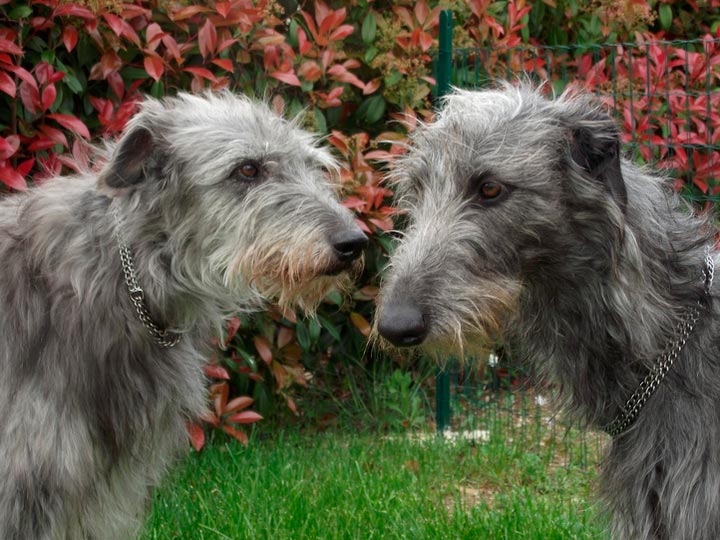
The coat is long, shaggy, and thick, appearing very uneven and harsh to the touch. It is slightly softer than the hair on the belly, chest, and head. There are small featherings on the inside of the front and hind legs. Several colors are recognized: gray, blue, brindle, yellow, fawn, and reddish-brown.
The difference between a Scottish Deerhound and an Irish Wolfhound
These two breeds are indeed very similar in appearance, but in reality they share little in common: their belonging to the wirehaired sighthound group and the presence of a beard. Unlike the wolfhound, the deerhound is a true sighthound with a fierce temperament, suitable for hunting and coursing. These dogs are affectionate, loving, and very gentle family members. At the same time, they are avid hunters and can be dangerous to small dogs and cats. In temperament, they are more similar to Russian greyhound, than a wolfhound. In an Irishman, birds, rabbits, and mice won't even wake the hunter, and they won't let the deerhound sleep.
Character
The Deerhound's unique character is baffling to many dog owners and is one of the reasons for the breed's rarity. Most people assume that a large dog must be a fierce guard dog. The Deerhound, however, is a gentle and vulnerable elephant; it's not meant to be chained, and even when free-ranging, it's a lousy guard dog. You can't send it out with a child who simply won't be able to restrain it, and you won't be able to show off your obedience achievements to guests. Flawless obedience isn't the Greyhound's strong point.
The Deerhound is a gentle and affectionate giant with a scruffy appearance, exceptional intelligence, and a passion for running.
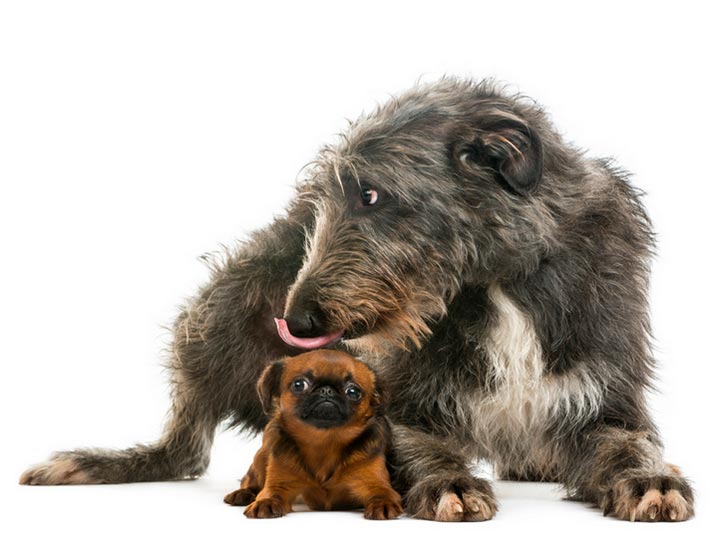
By nature, the Deerhound is a distinctive and independent creature. Like any sighthound, running is its life's work. They don't get along well with other animals. They can be pugnacious with larger dogs, viewing all smaller dogs as potential prey. With early socialization, they can live happily with a domestic cat, but their tolerance for them won't extend to stray cats.
Deerhounds form very strong bonds with their owners, require a great deal of attention and care, and do not tolerate loneliness well. They are more of a companion dog than a hunter, despite their strong hunting instincts, ferocity toward prey, speed, and agility. They are patient, love children if they have known them since childhood, and greet visitors with a wagging tail. They are friendly with strangers who are not aggressive. They are very sensitive by nature, including to loud noises and disapproval from their owner. They form strong bonds with their owner and family members. They tolerate moderate amounts of loneliness relatively well. If left alone for long periods, they suffer from separation anxiety and may howl. In everyday life, they are not prone to excessive barking.
Education and training
Training and raising a greyhound is challenging, especially for a novice who hasn't handled this type of dog before. While it's impossible to achieve perfect obedience from a greyhound, a deerhound is always willing to accommodate its owner. It's more likely to follow requests than commands.
A prerequisite is early socialization, accustoming the deerhound to various animals, people, and situations.
Training a Deerhound should be based on proper motivation. This typically involves praise and treats. Some dogs can be quite stubborn and ignore rules, but even these unruly individuals are less destructive and easier to handle than many other breeds. Physical force should never be used, even if the Deerhound clearly disobeys instructions. Developing proper behavior in a dog is a rather complex process that will require a lot of patience and consistent effort from the owner.
Content Features
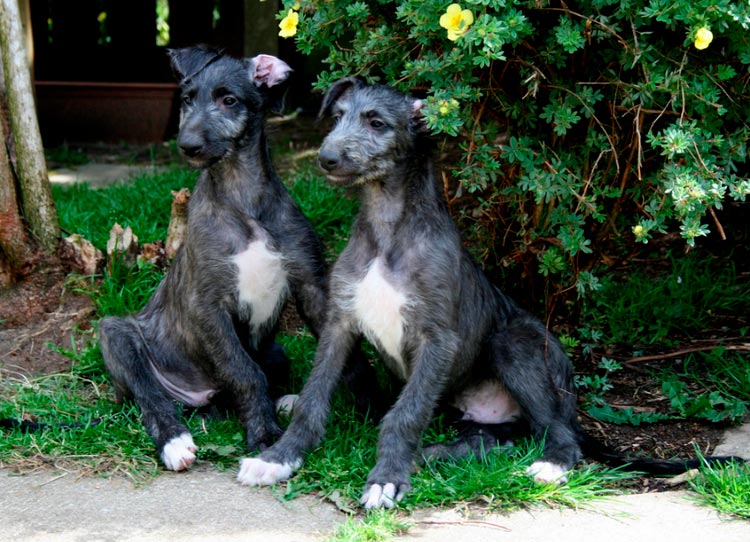
Deerhounds do well even in an apartment, provided they are regularly walked. As puppies, they are prone to destruction, but as they mature, they become noticeably more calmer, generally neat and clean. Of course, a more suitable option for a greyhound is living in a private home with the opportunity to spend a lot of time in the yard. This does not preclude the need for free running. They are absolutely not suitable for outdoor or kennel living. Leashed living should not even be considered. In the house, a deerhound takes up a lot of space and loves to stretch out on the owner's sofa.
Deerhounds are known for being lazy and will happily become couch potatoes if their owner allows it.
Scottish Deerhounds must be walked on a leash within city limits. This isn't because they might bite, but because they can chase smaller dogs or cats, run out onto the road at high speed, or even dash off to another neighborhood in a matter of minutes. At the same time, don't deprive your dog of the joy of free-roaming. At least once a week, take them out of town and let them run freely. Alternatively, you can offer your dog a run in a fenced track, as well as bike rides or jogs with their owner on a leash or behind a car.
Care
Maintaining healthy skin and coat is possible only with regular care, including proper nutrition, exercise, and proper grooming. Brush and comb the coat 2-3 times a week. Clipping is not common in Deerhounds, but trimming can be done during the shedding season to speed up the coat change. Bathe the dog 1-2 times a month. Keeping the eyes and ears clean is essential.
Nutrition
Deerhounds can be fed either natural or prepared foods. In the former case, the diet is formulated according to standard guidelines. In the latter case, food is selected based on the dog's size, age, taste preferences, and activity level. If the dog is not active and has been spayed or neutered, it is crucial to monitor its calorie intake and prevent excess weight gain. Some Deerhounds suffer from allergies, which is also important to keep in mind when choosing food and other ingredients. Given the risk of gastric torsion, it is essential to avoid feeding the dog extremely cold or hot food, immediately after or immediately before physical activity, and avoid foods that increase intestinal fermentation.
Health and life expectancy
Deerhounds rarely complain about their health; they are strong, hardy dogs that remain in excellent shape and admirably active into old age. Several hereditary diseases are recognized in the breed. In Europe and England, dogs are required to undergo testing for portosystemic shunts and a hemostasis screening test. Other, less common conditions include:
- Hypothyroidism;
- Predisposition to gastric torsion;
- Allergy;
- Cystinuria;
- Von Willebrand disease;
- Craniomandibular osteopathy;
- Osteosarcoma;
- Urolithiasis.
The typical lifespan is 9-10 years. Given the breed's small gene pool, it's crucial for breeders to exercise particular care when selecting breeding pairs and keep the inbreeding coefficient as low as possible. Standard veterinary preventative measures are mandatory for the Deerhound, including routine vaccinations and regular treatment for external and internal parasites.
Choosing a puppy
In Russia and the CIS, the Deerhound population is very small. Purchasing a puppy can be very difficult. True breed lovers should consider buying a dog abroad, in England or Scotland, where the largest number of dogs and kennels are concentrated. Breeding is primarily aimed at maintaining working qualities.
When choosing a breeder, it's important to be wary of scams. Don't jump at an ad offering deerhound puppies at an attractive price, and especially don't give money upfront to unverified people. Puppies often need to be reserved in advance. By the time they're born, it's a good idea to determine the dog's temperament, sex, and color. Puppies can be calmer or more active, with less or more pronounced hunting instincts. Sometimes puppies with soft coats are found in a litter. These dogs are unsuitable for shows and further breeding, but the "defective" coat doesn't affect their other qualities.
Price
The price of a deerhound puppy typically ranges from 40,000 to 70,000 rubles. A small deerhound costs about the same abroad, but this amount includes the cost of paperwork and shipping. Puppies with various defects, such as soft coats, malocclusions, cryptorchidism, and other breeding issues, fetch the lowest prices. Ads for deerhounds without a pedigree are extremely rare.
Photos
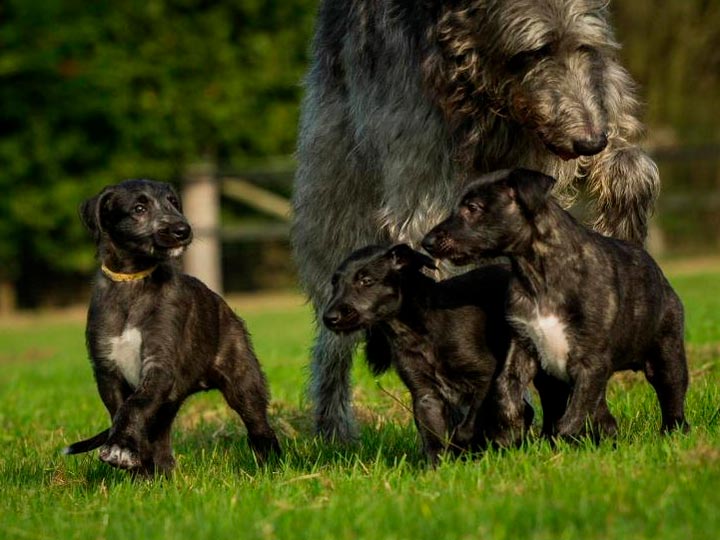
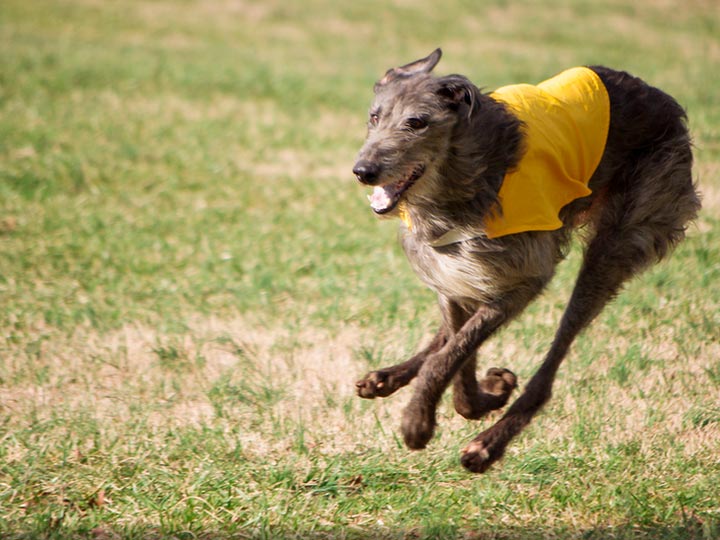
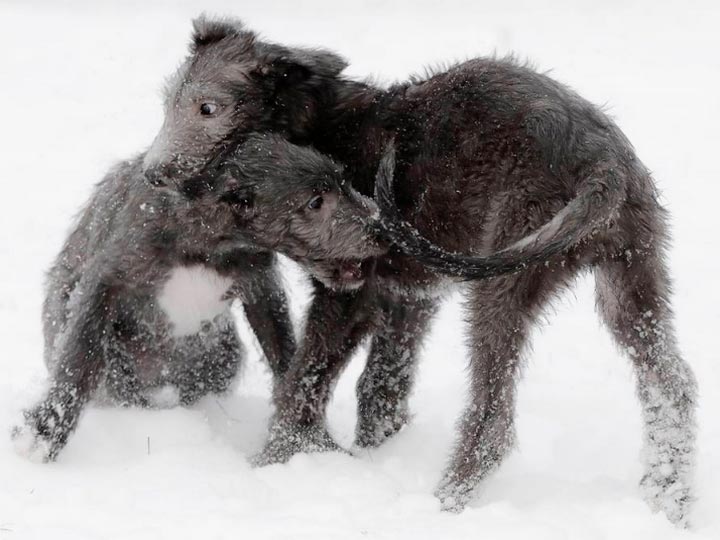
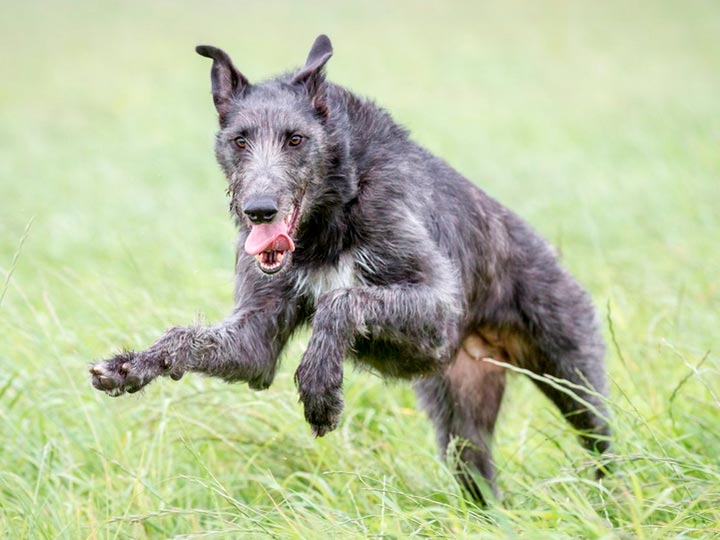
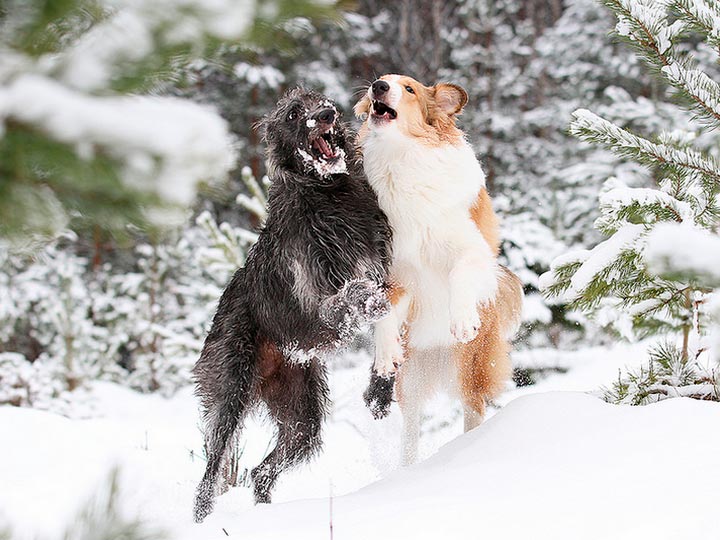
The gallery contains photos of puppies and adult dogs of the Scottish deerhound breed.
Read also:


Add a comment