
Dipentavac for dogs
Dipentavac is a vaccine used for dogs to develop immunity against viral diseases, including distemper and rabiesA product containing inactivated (non-living) pathogens is produced by the domestic company "Vetzverotsentr." When used correctly, it provides reliable protection for animals against dangerous infectious diseases.
Content
General description
The vaccine is packaged in two vials:
- Divac This is the dry part containing the plague and rabies viruses. It also contains a mixture of gelatin and sucrose. These are merely auxiliary components and do not affect the biological properties of the product. The light yellow dry mass may have a pinkish tint, although its presence is optional.
- Pentavac The liquid component contains leptospirosis, canine parvovirus, and canine adenovirus. It also contains aluminum hydroxide gel as an excipient. It appears as a pink suspension. If the bottle is left in one position for a long time, a light gray sediment will form at the bottom. This sediment should dissolve easily in the suspension when shaken.
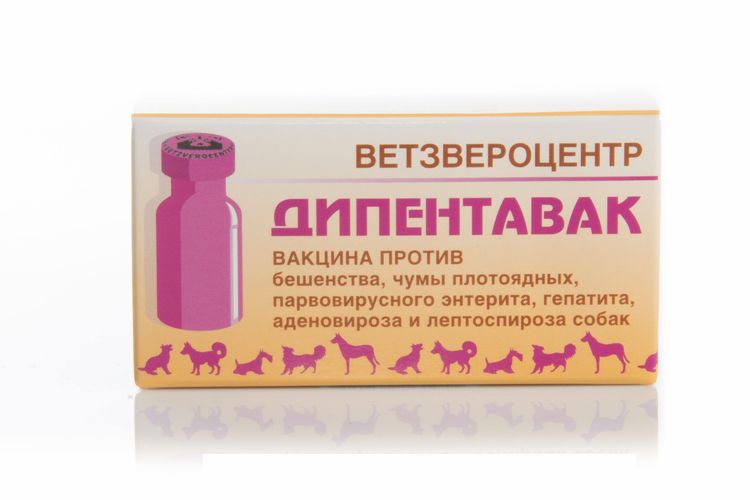
Glass vials are used for packaging both the dry and liquid components. They are tightly sealed with rubber stoppers, which are secured with aluminum caps. This packaging ensures the container is airtight and prevents the penetration of bacteria and viruses from outside. The dry loose powder is packaged in 1.2 ml bottles, equivalent to one immune dose. Pentavac contains 2.2 ml per bottle, also equivalent to one dose. The empty space in the bottles is filled with an inert gas.
The vials are placed in special boxes to ensure their integrity during transportation. Each box contains 10 bottles, but you can purchase as many as you need at pharmacies. They are sold only in pairs.
Operating principle
Dipentavac provides immunity against a number of infectious diseases. It develops three weeks after two doses. Protection lasts for 12 months. To renew immunity, a booster dose is required once a year.
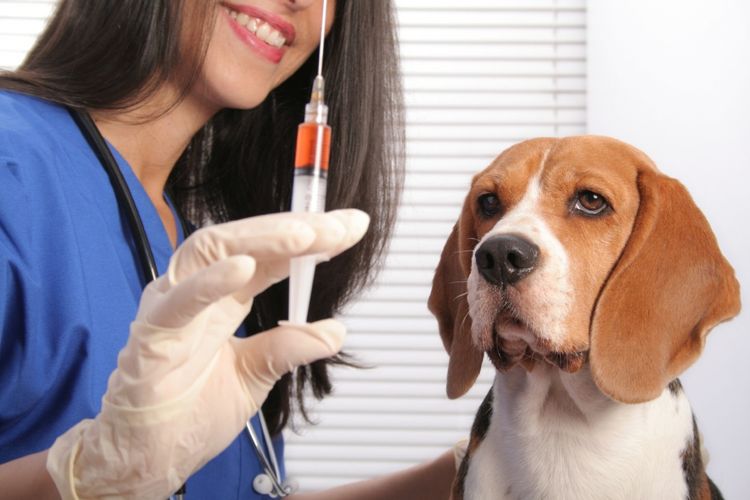
The product contains a sufficient number of microbial cells to develop a strong immune system. Since it contains inactivated or non-living pathogens, it is considered safe for pets. However, certain conditions must be observed during use.
Please note! Dipentavac is intended solely for the prevention of viral infections. It has no therapeutic properties.
Price
If you decide to immunize your dog with Dipentavac, the vaccine starts at 260 rubles per dose. You can purchase it at regular veterinary pharmacies or online. If you choose the latter option, make your purchase only from reputable sources, as it's important to store the vaccine properly.
When is it applied?
According to the instructions for use, Dipentavac is used for dogs to protect against the following infectious diseases:
- plague;
- rabies;
- enteritis caused by parvovirus;
- diseases caused by adenovirus;
- leptospirosis;
- infectious hepatitis.
All of the infectious diseases listed above are very dangerous for pets. They often present severe symptoms and, without prompt medical attention, can be fatal. Pets aged 3 to 12 months are at risk. Very young puppies receive immunity from their mother's milk. Vaccination can protect pets from dangerous diseases. Furthermore, if infected, vaccinated pets have a better chance of surviving the disease.
Please note! Dogs can be vaccinated starting at 60 days of age.
How to apply
The liquid component must be mixed with the dry component of the vaccine. To do this, draw Pentavac into a sterile syringe and then insert it through a puncture in the rubber cap into the vial containing the dry component. Shake the contents well until the loose powder is completely dissolved. Then, draw the mixture back into the syringe. Change the needle before administering the injection.
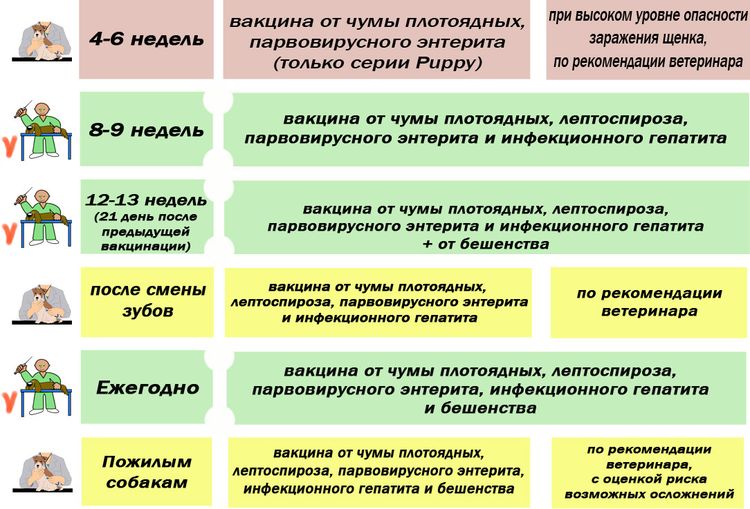
Injections are administered intramuscularly or subcutaneously. If an animal is being vaccinated for the first time, the immunization is administered twice, with an interval of 2-3 weeks between injections. This rule applies to both puppies and adult dogs that have not been previously vaccinated. Puppies are vaccinated again after teething, and then once a year thereafter. For booster vaccinations, a single injection is given.
The dosage of Dipentavac depends on the animal's weight. If the pet weighs less than 5 kg, use 1.2 ml of the liquid component; if over 5 kg, use 2.2 ml. The dry component is used in full, regardless of the animal's weight.
Important rules
At vaccinations When using Dipentavakom animal, you must follow several important rules:
- Ten days before immunization, your pet should be given an anthelmintic. Worms in the pet's body significantly weaken its immunity, which can lead to complications.
- Special serums and immunoglobulins are no longer given to the animal 2 weeks before the injection.
- The procedure uses sterile syringes and needles, disposable ones are fine. There's no need to clean the injection site.
- During the immunity development period (21 days after the injection), avoid walking your pet in areas where other animals are present. Avoid contact with other pets outdoors.
Please note! Failure to follow the Dipentavac administration schedule will reduce its effectiveness. Failure to administer booster shots promptly increases the risk of infection, especially through contact with sick animals.
Contraindications and side effects
According to the instructions, Dipentavac vaccination is strictly prohibited for dogs under 60 days old. It also should not be administered to puppies during teething. The vaccine can cause complications and even premature birth in females if administered during the second half of pregnancy. Immunization is also prohibited in the following cases:
- in the presence of infections;
- in case of exhaustion;
- at elevated temperatures.
It should also not be used on weakened animals. Immunization should only be given to healthy pets. Otherwise, complications may occur.
In rare cases, Dipentavac components can cause allergic reactions. If an intolerance has been noted previously, the pet must be given an antiallergic medication before the injection. Viral symptoms do not appear even with an overdose.
Sometimes Dipentavac causes the following side effects:
- swelling at the injection site;
- depression and apathy;
- refusal to eat.
The symptoms disappear on their own after a while and do not require special intervention.
Storage conditions and features of use
Dipentavac should be stored at a temperature between 2 and 10 degrees Celsius. Maintain this temperature during transportation as well. It's important to store the medication away from direct sunlight, although most people refrigerate the vials. In this case, they should be kept away from food.
The vaccine should not be used in the following cases:
- the packaging is not airtight;
- a sediment has appeared at the bottom that does not dissolve;
- the suspension contains flakes or other foreign impurities;
- There is no label with the required markings.
Unusable vaccines must be discarded. Before discarding, they must be inactivated by boiling them for 5 minutes. The same procedure should be followed for any vaccine that has not been used within half an hour of opening.
Owner reviews
Oksana, owner of 4 dogs:
"It's a good vaccine. I've used it on my dogs several times. All of them are adults, but of varying weights. I haven't seen any signs of infectious diseases or other side effects. My pets tolerate the vaccine well. I haven't used it on puppies, so I have no experience or impressions."
Ksenia, the beagle's owner:
"Most people speak highly of this vaccine, but we had a disappointing experience with it. Our dog was vaccinated with Dipentavac at a government clinic. It died within a week. A visit to a private clinic was unsuccessful. An autopsy revealed brain damage. Do not use this product on your pets if you want them to live."
Veterinarian Reviews
Zina, a veterinarian with 12 years of experience:
"Dipentavac is the best multivalent domestic vaccine. Its main advantage is that it also protects against rabies. There's no need to administer it separately. Most animals tolerate the immunization without problems. There are some difficult cases, but usually the complications are caused by the owners themselves. They often administer the vaccine themselves without consulting a veterinarian. It's important to remember that some diseases can develop in a latent form."
Raisa, a veterinarian with 8 years of experience:
"Our clinic prefers to use domestically produced vaccines. Dipentavac has proven itself to be effective. There are virtually no cases of vaccine failure. However, there have been a lot of complaints about the imported Nobivac recently. Cheap and domestic aren't always bad. There are exceptions, and this product is proof of that. It's a good way to protect your pet from dangerous diseases."
Read also:


3 comments
Anna
Today I got vaccinated, my leg hurts, I can't walk, I'm constantly lying down.
Daria is a veterinarian
Hello!
Indeed, pain may occur after intramuscular injections of medications, including vaccines. This side effect subsides within 1-2 days, and the animal is again active. If there is no improvement within 2 days, contact your veterinarian for an examination to rule out post-injection complications.
At home, you can massage the thigh area yourself, but if your pet is experiencing significant discomfort or pain, you should not do this.
Thank you for caring about the health of your faithful friend and providing annual preventative vaccinations!
Love
We have a sad story about a Dipentavac injection. We had it last year, in 2022, for our 5-year-old French bulldog. By evening, he had lost his appetite and was weak. And the next day, his legs started to fail. We took him to the hospital, but they eventually said the vaccine wasn't the cause. They suggested taking an anti-allergy medication called Suprastin. My husband now categorically refuses to vaccinate his dog. He's afraid of losing him. We've had a different vaccine every year, and everything was fine.
Add a comment