
Dermatophytosis in dogs
Dermatophytosis is a fungal lichen. In dogs and other animals, if left untreated, it can develop into an inflammatory process affecting not only the coat but also all layers of the skin, affecting internal organs and the body as a whole. Like other diseases, prevention is better than cure.
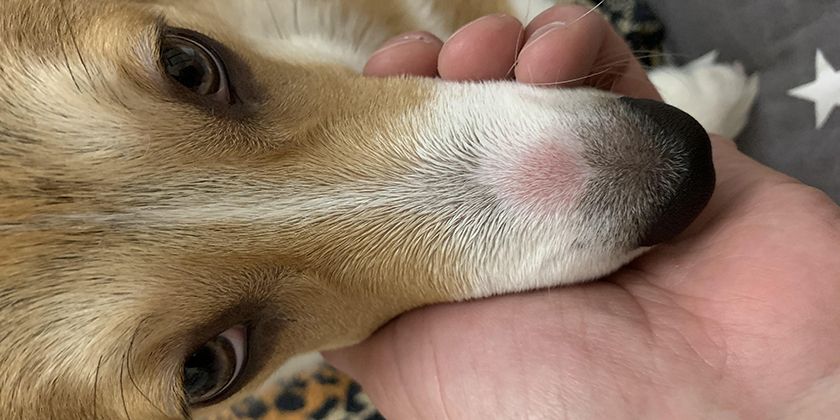
About the disease
Dermatophytosis (ringworm) in dogs is caused by fungal organisms called dermatophetes. Animals of any age are susceptible to the disease, but are more often weakened by an infection or surgery, or those with weakened immune systems. The pathogen enters through wounds, skin lesions, and microcracks.
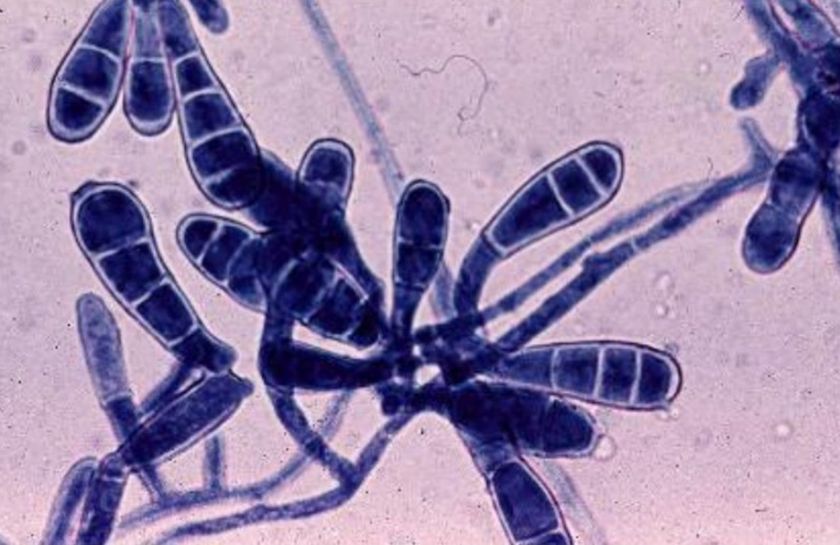
Infection occurs in three ways:
- when in contact with another sick animal, for example, while walking;
- in a household way - through equipment or care items, bowls, drinking bowls;
- from the environment - when viable dermatophetes spores get onto the fur from the soil or plants.
Getting on the dog's fur and then on its skin, the fungus releases enzymes and toxins that provoke loosening of the hair structure and inflammation of first the superficial and then the deeper layers of the skin.
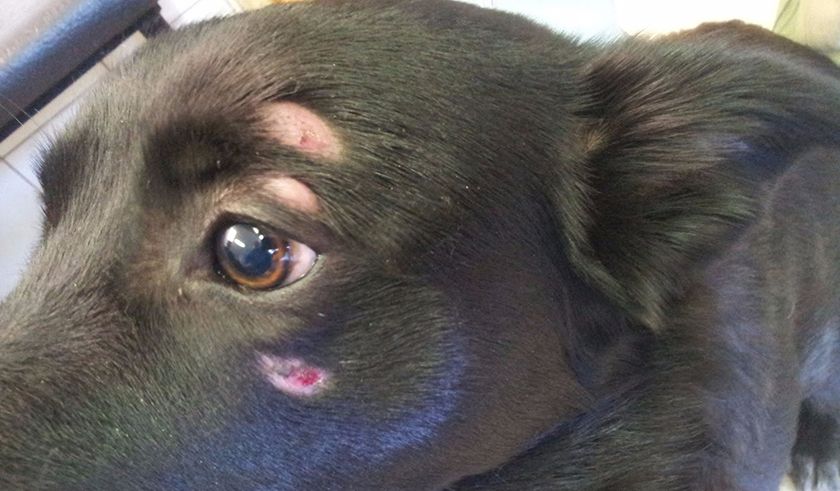
The incubation period can last from 1 to 3 weeks, and sometimes up to 3 months, often without the appearance of obvious symptoms. During this period, the dog already transmits dermatophytosis and can infect other animals and humans.
The scalp suffers the most in the initial stages—the structure of the hair follicles and the hair itself is destroyed, causing breakage and loss. Then, the skin begins to change.
If left untreated, dermatophetes penetrate the body and cause damage to internal organs.
Symptoms
It's important not to miss the first signs that a dog is infected with dermatophytosis. First and foremost, this is scratching, which becomes increasingly frequent, even with proper hygiene. At first, it's "lazy" and random, but then the animal begins scratching a specific part of the body constantly, even in its sleep. Sometimes, this appears as an unconscious, automatic movement.
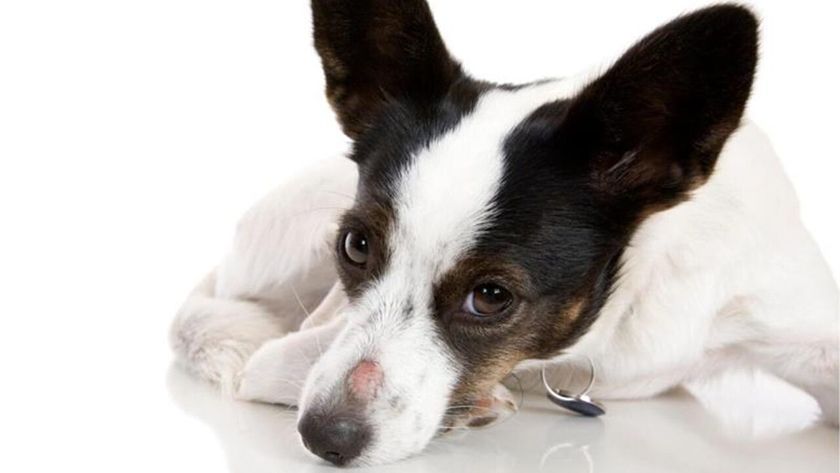
As the disease progresses, symptoms intensify and new ones appear:
- the entire coat becomes dull, thinner and shorter, the undercoat becomes sparse regardless of the time of year;
- the itching intensifies, localizes in a certain place, becomes almost constant, the animal becomes restless;
- in the area that the dog scratches more often than other places, hair falls out and a bare “piece” of skin appears;
- the skin on the exposed area begins to peel, turns red, becomes inflamed, and becomes bumpy;
- The boundaries of the affected area are clearly defined, the shape is often round, and purulent deposits appear along the edges.
It's impossible to miss dermatophytosis in a dog or cat. It's impossible to wait until bald patches and purulent crusts appear. There's a high risk of the disease progressing rapidly, causing irreparable harm to the pet.
Diagnosis and treatment
Without the help and intervention of a veterinarian, it is impossible to accurately determine the type of disease and its pathogen. Consult a doctor as soon as the first, minor symptoms appear, such as restlessness in your pet and increased itching without localization.
To determine the type of pathogen, the veterinarian uses several tests and methods at once: a Wood's lamp, analysis of the hair coat and individual hairs under a microscope, a PCR test for active infection, and blood and urine sampling and analysis.
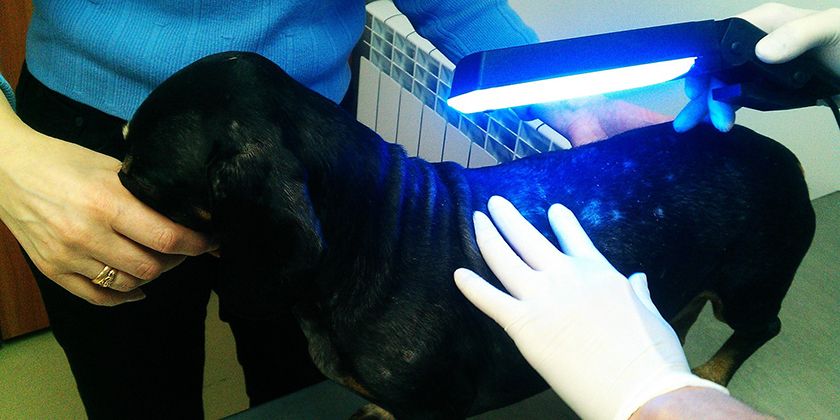
Treatment for dermatophytosis in dogs is comprehensive, as it's not just a simple dermatitis affecting the skin, but rather a comprehensive treatment that affects the entire body, especially in advanced cases. Therapy includes:
- immediate isolation of the animal;
- thorough sanitary treatment of the place where it is kept, feeders, drinking bowls, bedding;
- two-time vaccination with antifungal vaccines - Microderm, Vakderm, Polivak (as prescribed by a doctor);
- antibiotics (in the presence of inflammation and purulent flow) – amphotericin or giseofulvin;
- treatment of areas of the dog's body affected by dermatophytosis with solutions of lime sulfur, salicylic acid, enilconazole, iodine tincture, and salicylic ointment.
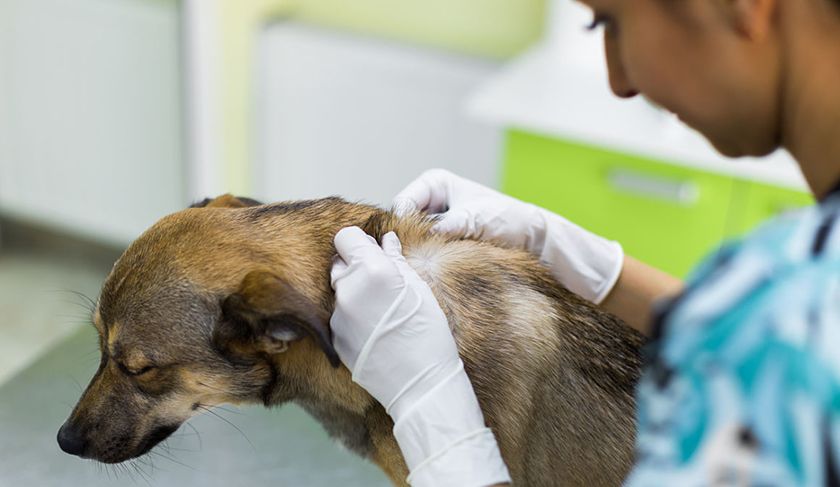
In addition, medications that relieve itching and inhibit the spread of the pathogen are often prescribed to treat the disease. Preventative treatment of the entire coat is also necessary. A 55% formaldehyde solution is used: the animal's entire coat is sprayed with the solution once every 5 days and thoroughly combed. The combed-out hair is collected and disposed of. Incineration is the optimal disposal option. Haircuts are not necessary.
Self-diagnosis and treatment of dermatophytosis in dogs and other animals without the intervention of a veterinarian are strictly prohibited. Only a specialist can determine the cause of the condition, the type of pathogen, prescribe appropriate and effective therapy, and select the correct medications, dosage, and duration of administration.
It's always easier to prevent an infection than to treat your pet. Following simple rules can help prevent dermatophytosis: avoid contact with stray dogs and cats during walks, visit a veterinarian at least once every six months, feed and house your pet properly, and provide proper care.
Read also:
- Ringworm in dogs: how to treat it
- Why does a dog scratch itself?
- Fungus in dogs: symptoms and treatment


Add a comment