
Dermatitis in dogs
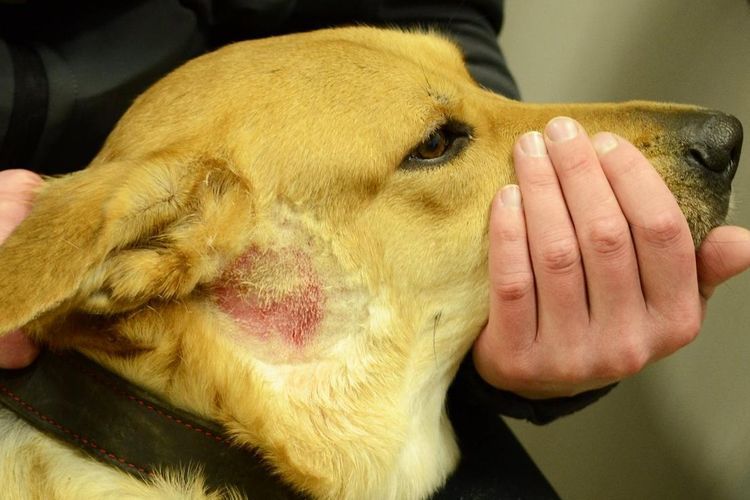
Dermatitis is a collective term for inflammatory skin diseases that develop as a result of the negative impact of external or internal factors of biological, physical, or chemical origin. Most of them are anthropozoonotic, meaning they can affect both humans and animals. In dogs, advanced dermatitis is very severe, requires long and difficult treatment, and can lead to serious complications. Therefore, you should consult a veterinarian at the first sign of illness.
Content
General symptoms
Symptoms of dermatitis of any etiology include:
- erythema (redness of the skin);
- subcutaneous edema;
- local hyperthermia (skin temperature in the affected areas is elevated);
- dryness, roughness of the skin,
- alopecia (bald spots in affected areas);
- the formation of skin rashes in the form of papules (nodules) and pustules (pustules);
- itching (the dog constantly tries to scratch the skin);
- If dermatitis affects the dog's limbs, it may limp due to pain and swelling;
- behavioral changes - the animal may lose its appetite, become restless, aggressive, and sleep poorly.
Types of dermatitis
Depending on the causes of development, dermatitis is divided into several types.
Allergic
Skin inflammation develops as a reaction of the immune system to an allergen, which it perceives as foreign and dangerous. Dogs may be allergic to:
- food products (most often carbohydrates and proteins);
- saliva ectoparasites;
- household chemicals or animal care products (contact dermatitis);
- ultraviolet rays (photodermatitis).
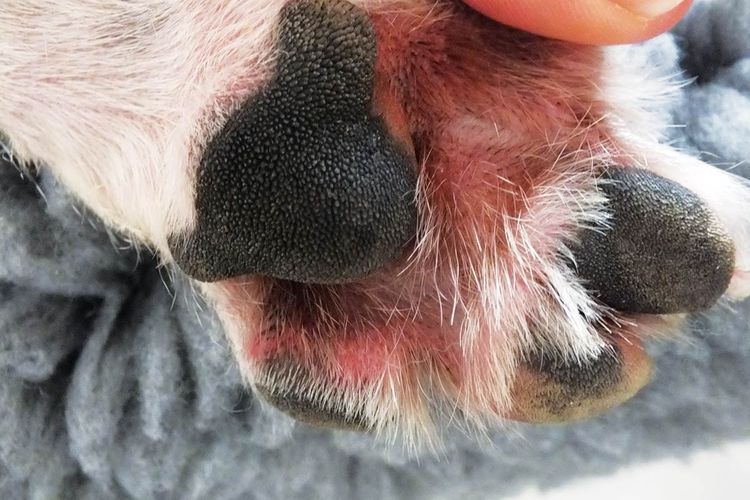
Dog breeds such as the Shar Pei are predisposed to developing allergic dermatitis. boxer, Rottweiler, Dalmatian, Bulldog.
Atopic
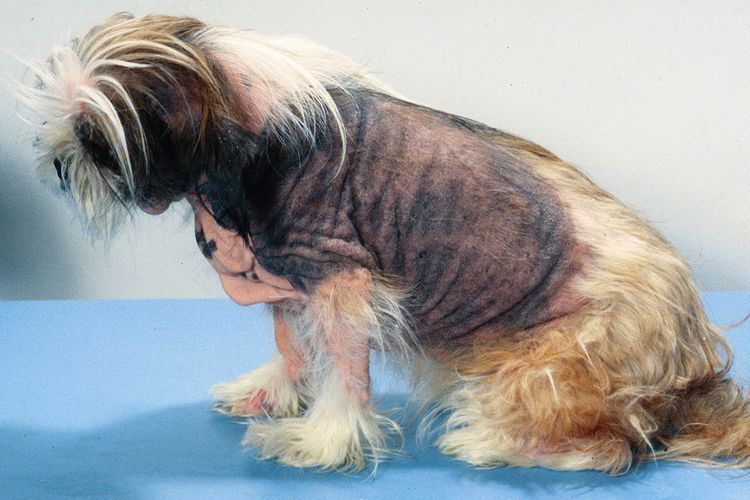
This is a genetic disorder in which the body exhibits biological sensitization—increased sensitivity to foreign substances, producing antibodies against them. Atopic dermatitis In dogs, there is no complete cure, but with proper therapy, stable remission can be achieved.
Parasitic
The most common causes are exogenous parasites: ticks, lice, fleas, chewing lice, and dermatophyte fungi. Endogenous parasites, which live within the body and produce toxins during their life cycle, such as roundworms, Trichinella, and others, can also cause dermatitis.

Infectious
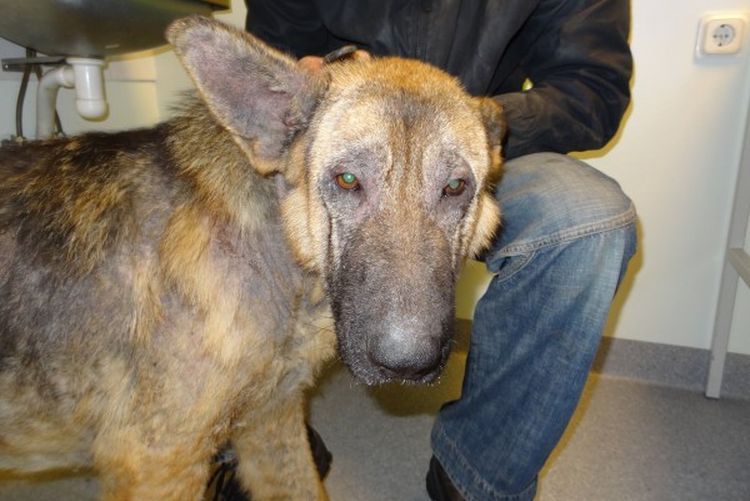
Microorganisms that cause staphylococcus, microsporia, and herpes can cause rashes, swelling, alopecia, and itching. Infectious dermatitis is considered a severe form of the disease, as the animal's body must fight both the underlying condition and its complications.
Thermal
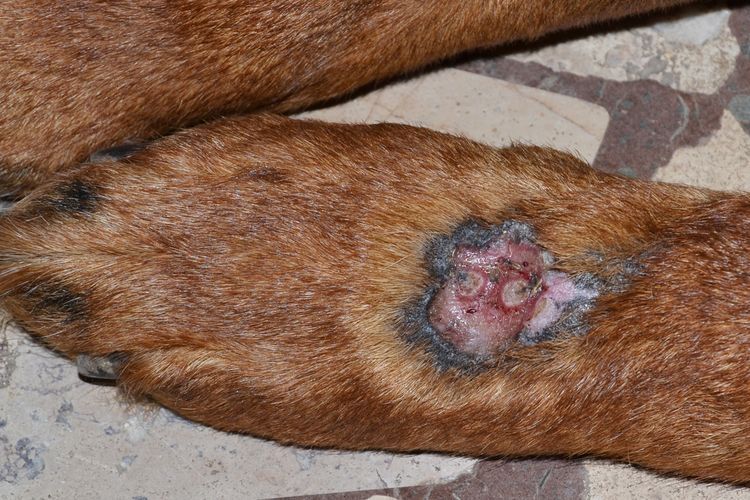
This type of dermatitis is caused by exposure to high or low temperatures. The condition most often affects the animal's paws (pododermatitis) or head. The affected area swells and becomes painful, and the resulting erosions, microcracks, and wounds cause itching and may fester.
Medicinal
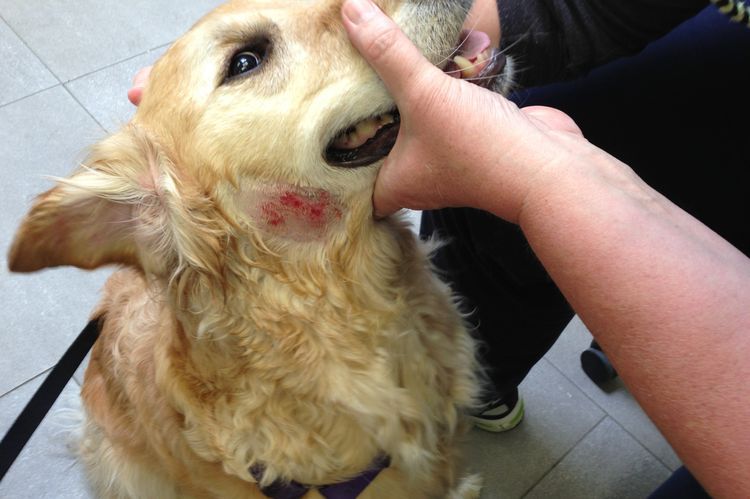
Some topical medications can cause skin irritation and localized rashes in dogs. The areas where the medication was applied become red, painful, covered with a small rash or crust, and hair loss may occur. Severe itching causes the animal to constantly lick and scratch the skin, further aggravating the condition.
Seborrheic
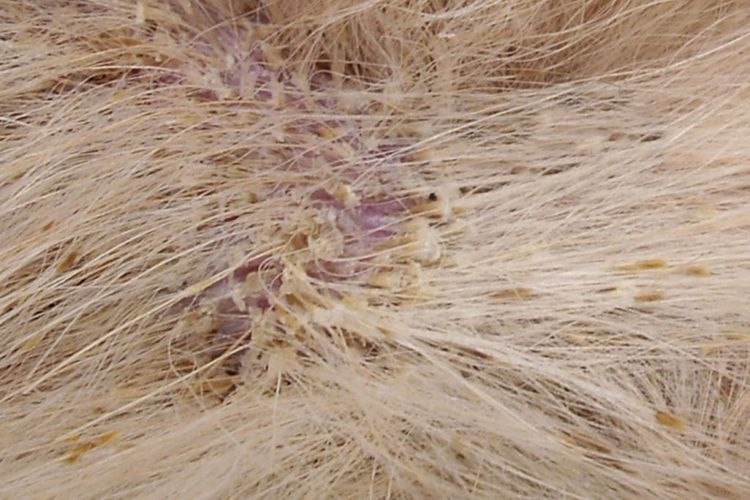
The cause of this type of dermatitis is a malfunction of the sebaceous glands. A typical sign of seborrhea is oily fur with dandruffThe skin becomes inflamed, flaky, and sometimes develops an unpleasant odor due to the presence of colonies of the yeast-like basidomycete fungus Pityrosporum ovale.
Weeping
This skin condition manifests itself as hyperemia (redness), swelling, and small, itchy, and painful cracks that ooze a clear exudate (ichor). Weeping dermatitis in dogs is often caused by food allergies, tick infestations, ear infections, skin injuries (cuts, abrasions, scratches), or improper grooming.
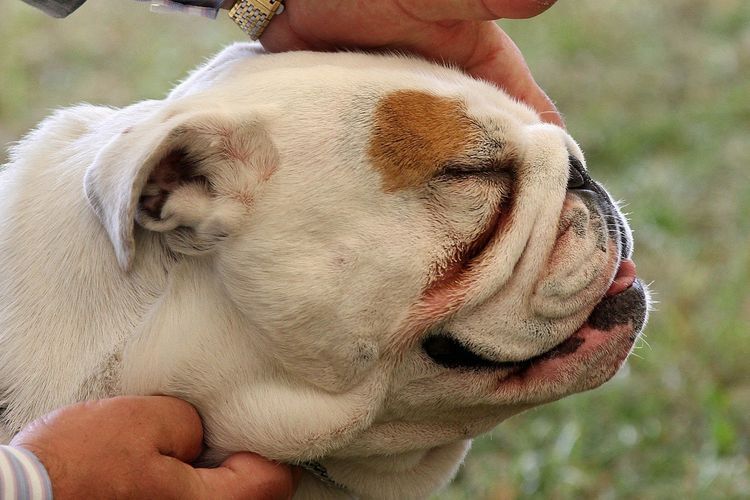
Those at risk for developing weeping dermatitis include dog breeds with long hair or thick undercoat: Newfoundland, St. Bernard, collie, Tibetan mastiff, Afghan hound.
Diagnostics
Dermatitis can be diagnosed through a clinical examination of the dog. Photos posted online show that the signs of dermatitis are typical and quite clearly defined. However, its origin can often only be accurately determined by successively eliminating potential causes. Therefore, the veterinarian should ask the owner about the dog's pedigree and age, the onset of symptoms, the frequency of relapses, any other illnesses, recent medication use, and the animal's housing and feeding conditions.
Further laboratory tests may be required for differential diagnosis of the disease:
- skin scraping microscopy;
- bacteriological and mycological culture;
- clinical and biochemical blood tests;
- coprogram (a stool test that allows one to detect the presence of helminths or protozoa and determine the enzymatic and digestive activity of the intestine);
- urine analysis;
- quantitative analysis of hormones in blood serum;
- allergy tests;
- serological tests.
What to do if your dog has dermatitis: veterinarian's advice
Treatment
The treatment regimen for dermatitis depends on the type and severity of the disease and includes symptomatic methods designed to relieve external manifestations and drug therapy, the goal of which is to eliminate the cause of the disease.
First, ensure maximum access to the affected areas of skin by clipping the fur. Exudate, crusts, and dead tissue are removed with swabs soaked in an antiseptic solution and dusted with bactericidal powder.
To reduce inflammation and accelerate tissue regeneration during the treatment of dermatitis in dogs, ointments and creams such as Arterium Sanoderm and DE-LONG, Zhivosept, Chlorcin Unisan, and Cortavance spray are used. This treatment can be carried out at home. In acute cases of dermatitis, if severe pain is observed, the dog may be prescribed novocaine blockades and a course of physiotherapy, including ultraviolet or infrared lamp therapy.
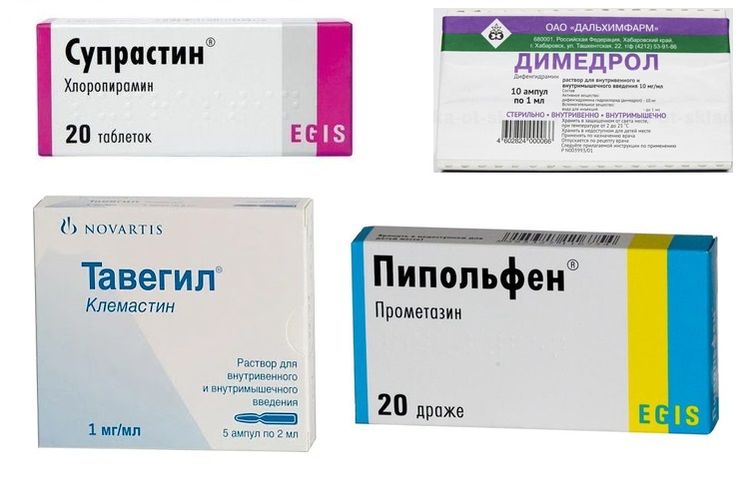
To relieve itching and stop allergic reactions, antihistamines and corticosteroids are prescribed, either as tablets or topical applications. Among the most effective are Prednisolone, Dexamethasone, Suprastin, Lominal, Zyrtec, Claritin, Tavegil, Allervet, and Pipolfen.
Sometimes, with dermatitis, it is necessary to remove toxins from the body. For this purpose, the dog is prescribed a diuretic (usually Furosemide). To support the immune system, a course of immunostimulants may be prescribed (Gamavit, Glycopin or Immunol Vet).
For infectious dermatitis, dogs are prescribed penicillin or cephalosporin antibiotics. If the disease is caused by a parasitic or fungal component, insecticidal-acaricidal or fungicidal medications are prescribed: Sanofly, Scalibor, Certifect, Spot-on, Fungin, and Zoomikol.
In most cases, when treating dermatitis, veterinarians recommend switching your dog to a therapeutic diet. If your pet eats commercial food, choose kibble or canned food labeled "hypoallergenic." Eggs, fish, fatty meats, organ meats, and red vegetables should be temporarily excluded from the diet of dogs weaned on a natural diet.
Prevention
Dermatitis in dogs can be prevented by maintaining good hygiene and proper coat and skin care. Wash your dog's paws after walks and brush them regularly to prevent matting. Key preventative measures also include timely deworming and regular parasite checkups.
Proper nutrition is essential; a dog's diet should include vitamins that strengthen the body and micronutrients that stabilize the immune system. Veterinarians recommend Doctor-ZOO, Gimborn, and 8in1 Excel Multi Vit-Adult.
Read also:
- Papillomas in dogs
- Dermatomycosis in dogs: symptoms and treatment
- Pododermatitis on the paws of dogs: symptoms and treatment


1 comment
Ivan
I tried Lecaderm cream on my dog after she was bitten by fleas. The pros were the ingredients and the ease of use. The only cons were that it was a bit pricey, and I couldn't find any other alternatives. It was recommended to me at the veterinary clinic, so I trust it. The dog was cured, and everything is fine now. If I have to, I'll buy Lecaderm again.
Add a comment