
Depression in cats: does it happen and how to treat it
Continuing our discussion of pets' emotional well-being, today we'll explore whether cats experience depression, what signs indicate a pet needs help, and what an owner can do to support their pet and help them cope.
Content
Depressive states in cats
Animal psychologists claim that cats are capable of experiencing a wide range of emotions. They can be happy, elated, afraid, angry, and sad. Therefore, if exposed to adverse factors, an animal may well develop depression.
In a broad sense depression – is a mental health disorder characterized by long periods of depression and loss of interest in usual activities.
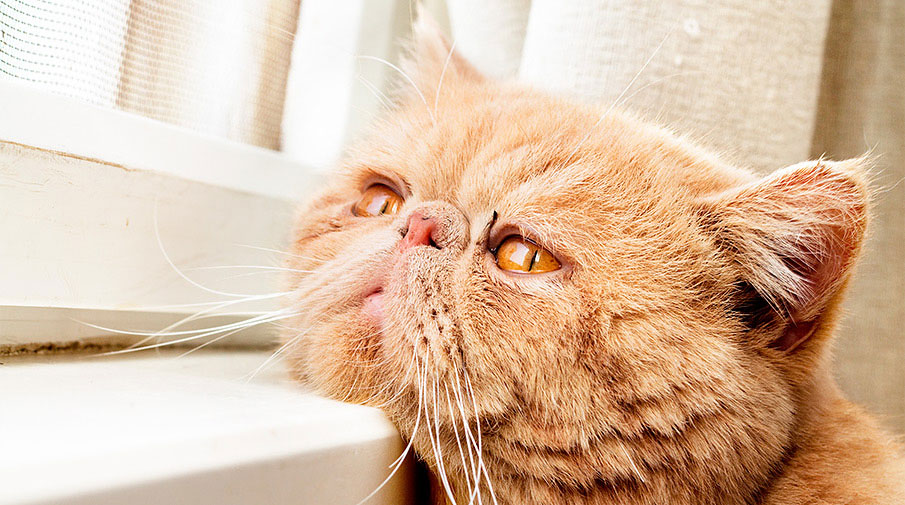
Depression in cats does exist, but due to significant differences in their mental states and worldviews, the disease progresses differently in humans and animals. Therefore, it is not advisable to apply human emotions and treatment methods to your pet.
Scientists studying this issue have concluded that mental disorders in animals are, in most cases, an acute reaction to stress. Some cats exhibit destructive behavior, becoming aggressive and uncontrollable, while others become apathetic. This condition is precisely what is associated with depressive disorder in cats.
Diagnosis of mental disorder
If your cat sleeps a lot, it doesn't necessarily mean they're suffering from depression. There are many periods in a cat's life when decreased activity is normal.
For example:
- rainy autumn weather or cold days in winter;
- short daylight hours;
- lack of vitamins;
- some time after sexual activity;
- old age;
- coke - any malaise.
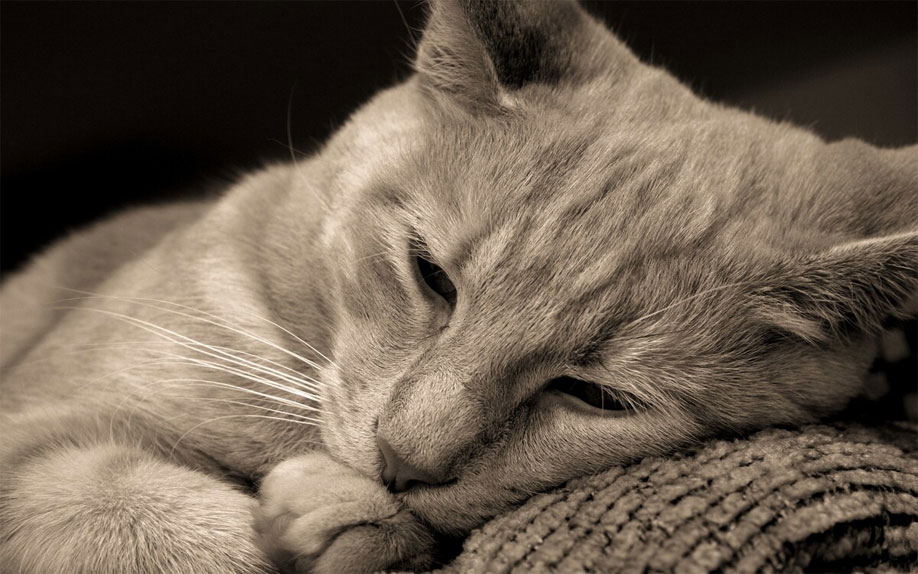
The main symptoms of feline depression:
- apathy (lethargy, unwillingness to participate in games);
- sudden mood swings (from apathy to aggression);
- androgenism (inability to experience joy);
- the desire to hide from people;
- loss of appetite (the animal may even refuse its favorite treats);
- disruption of daily habits (the cat stops licking itself and may start walking past the litter box);
- lack of appetite;
- increased shedding;
- attempts to “mark territory” (including in castrated/sterilized animals).
To diagnose a mental disorder in a cat, it's first necessary to rule out physiological causes that could be causing the characteristic change in the animal's graying. It's important to understand that symptoms such as apathy and refusal to eat can signal the development of many medical conditions.
Causes of feline depression
So, we've established whether depression is a condition that cats can experience. Now let's explore the possible causes of mental health issues in pets.
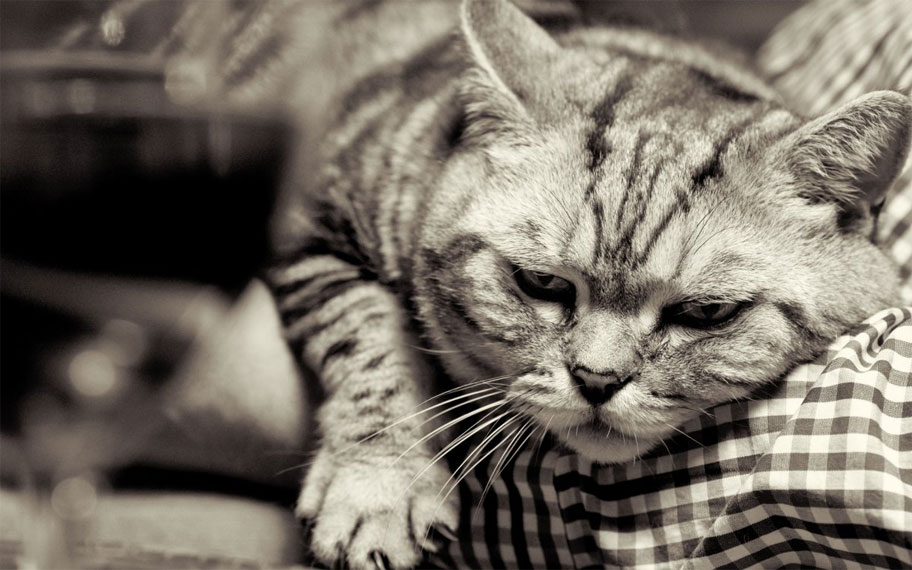
Scientists identify the following triggers for the development of depression due to severe stress:
- Lack of attention from owners in sociable, human-oriented animals.
- Long periods of separation (if the cat is left alone at home for too long).
- Absence of a beloved owner due to long-term illness or death.
- The loss of a second pet, with whom the cat lived for many years.
- Cruelty from people with whom the animal cannot avoid contact while living in the confined space of an apartment.
- Disruption of the usual rhythm of life as a result of moving or renovation.
- The appearance of a second pet in the house that exhibits dominant behavior or aggression.
- Inability to fulfill one's natural needs during the period of sexual desire in male cats or during estrus in female cats.
It's important to understand that a cat's resilience to stress depends largely on its health and personality. Vitamin and mineral deficiencies due to poor (unbalanced) nutrition are a common cause of low stress tolerance in cats.
Depression and castration (sterilization)
Depression in a cat after castration (sterilization) is a meme that emerged as a result of transferring emotional experiences typical of the human psyche to animals.
Scientists have reliably established that animals do not experience emotional distress from the loss of reproductive function. The desire to mate and the maternal instinct are regulated by hormones. A neutered male cat will not mourn over his past adventures, smoking a cigarette, nor will a female cat be distressed by the fact that she cannot give birth.
As sex hormone levels in the body decline (this occurs gradually over several weeks after surgery), animals simply lose interest in this area of life. The supposedly "depressive" appearance of neutered cats can be caused by various factors:
- banal stress from visiting the clinic;
- painful sensations that are present in the first days after surgery;
- a general decrease in activity levels (after normalization of hormonal levels).
Treatment of depression
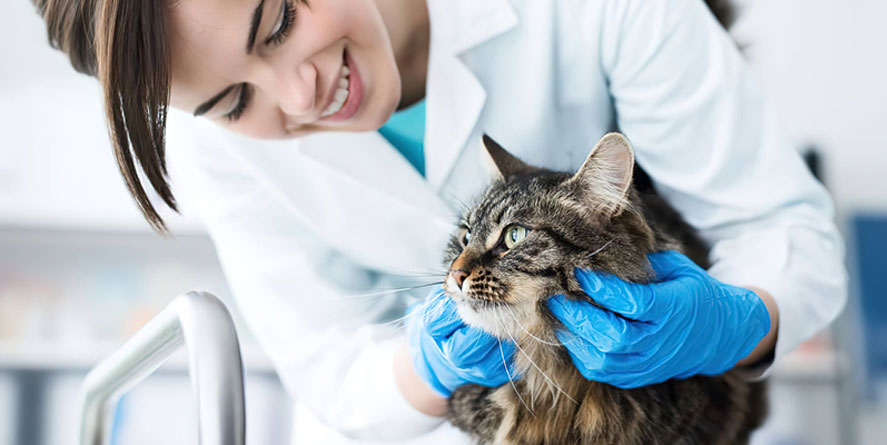
A general examination of the animal in the clinic is mandatory to rule out the whole list of diseases, which can produce similar symptoms. Only if signs of apathy develop in a cat despite otherwise healthy physical health should depression treatment be considered.
To understand how to bring a cat out of depression, it is important to know what triggered the development of this condition.
If the cause of apathy is simple boredom, which occurs when the hunting instinct, which is inherent in every kitten, is suppressed, then choosing the right toy and increasing the time the owners allocate for daily playtime together may help. Try offering your pet interactive toys that increase not only physical but also mental activity.
A key factor in overcoming apathy is establishing a balanced diet. If your cat isn't eating well, consider changing its diet, switching to a more calorie-dense food, or introducing special supplements as recommended by your veterinarian.
If the condition has developed due to prolonged stress, your veterinarian may recommend a dosed application of:
- catnip;
- vitamin complexes to strengthen the nervous system;
- sedatives, reducing stress levels;
- antidepressants that increase mental activity.
Reviews from owners who have encountered depression in their pets indicate that in most cases, the condition is highly treatable if treatment is chosen correctly and started promptly. If a developing disorder is ignored for a long time, behavioral changes can become entrenched (depression can become chronic), making it much more difficult to recover from.
The dangers of depression
Depressed cats often stop grooming themselves, become irritable or, conversely, excessively lethargic, sleep more, try to hide, and may appear ill. Their appetite and body posture often change, and decreased activity and poor nutrition can lead to the development of underlying medical conditions.
Depression in cats is no less dangerous than similar conditions in humans. Gradual deterioration of the nervous system can lead to various diseases—not only affecting the brain but also other internal organs.
Moreover, a pet can be dangerous to itself and others—other animals and even its owners. When emotionally unstable, its behavior can change dramatically: from fear to aggression, from apathy to overactivity, from self-harm to destructive behavior.
Complications
If left untreated, depression can lead to the development of chronic diseases such as idiopathic cystitis, gastritis, and hepatic lipidosis due to food refusal. Self-induced alopecia—patches of baldness on the body caused by excessive grooming—is also common.
Furthermore, the cat may develop destructive behaviors, such as damaging furniture, marking the house, refusing to use the litter box, and aggression toward people and other animals. In such situations, it's important to consult a veterinarian for advice and recommendations.
Advice from veterinarians
Read also:
- Hepatopathy in cats: symptoms and treatment
- How to tell if a cat is sick
- My cat has a toothache: what to do


Add a comment