
Dexamethasone for dogs
Dexamethasone is a medication used to reduce swelling and inflammation, and to treat allergies and other conditions in dogs. It is highly effective. It can be used for emergency treatment of allergic reactions. It is based on a synthetic hormone, so it is not recommended for use without consulting a veterinarian.
Content
Action
The active ingredient of the medication is a substance called dexamethasone. It is a synthetic hormone, an analogue of a hormone produced by the adrenal cortex. This synthetic hormone has a broad spectrum of action, as it can influence various processes in the body.
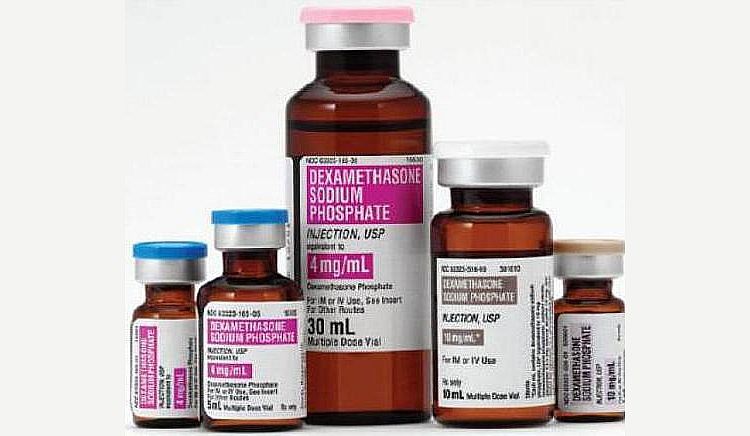
The medication has pronounced anti-allergic properties. Its effectiveness stems from the fact that it prevents the body from reacting to the irritant. Furthermore, it suppresses the immune system, even at the cellular level.
The medication also has anti-inflammatory and anti-edematous effects. When ingested, it blocks the production of substances involved in inflammatory processes and inhibits the synthesis of mast cells, which cause swelling. Furthermore, it influences the formation of connective tissue, increases capillary permeability, and constricts blood vessels.
When dexamethasone is administered by injection, it begins to act within 15-20 minutes, reaching peak blood levels within an hour. The hormonal effect lasts for two days. The drug's components are eliminated from the animal's body through bile and urine.
Price
The price of Dexamethasone depends on its form of release:
- tablets, 10 pcs. – from 35 rubles;
- solution, 1 ampoule 1 ml – from 23 rubles;
- solution, 100 ml – from 900 rubles;
- eye drops, 10 ml – from 85 rubles.
The medication can be purchased not only at veterinary clinics but also at regular pharmacies. You can also order it online for home delivery.
Solution and tablets
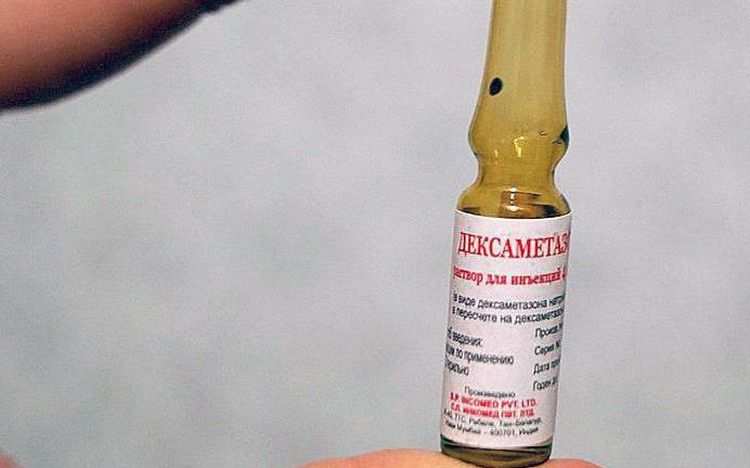
Dexamethasone is available in several dosage forms. The injection solution is a clear liquid. It is packaged in rubber-stoppered vials (usually 50 or 100 ml) or in 1 ml glass ampoules. Ampoule packaging is more convenient, as the medication has a shelf life of only 3 weeks after opening. If using the medication on a dog, most of it must be discarded. Larger vials are only recommended for cattle or horses.
The tablets are round with beveled edges. One side has a groove that allows the tablet to be divided into two equal halves. Blisters are used for packaging. Each blister contains 10 tablets. A cardboard box may contain 1 to 10 blisters.
The tablets are available in two strengths: 0.5 and 1 mg of active ingredient. When purchasing, pay attention to this value. Otherwise, you may exceed the recommended dose. In addition to the active ingredient, the tablets also contain:
- talc;
- magnesium stearate;
- cornstarch;
- silicon dioxide;
- povidone;
- other auxiliary components.
Indications for use
The instructions indicate that Dexamethasone is prescribed to dogs in the following cases:
- in case of allergic reactions;
- with Quincke's edema;
- in anaphylactic shock;
- in case of swelling that occurs due to injuries (bruises, dislocations etc.);
- at arthritis and other inflammatory processes of the joints;
- at eczema;
- in autoimmune diseases.

The drug is also sometimes prescribed for diseases of the nervous system, blood, and sepsis. Tablets are typically prescribed for chronic conditions. Dexamethasone injections are given to dogs for allergic reactions, including those with a risk of anaphylactic shock. The drug acts quickly and prevents further development of allergies, effectively relieving symptoms, without the need for additional antihistamines.
How to apply
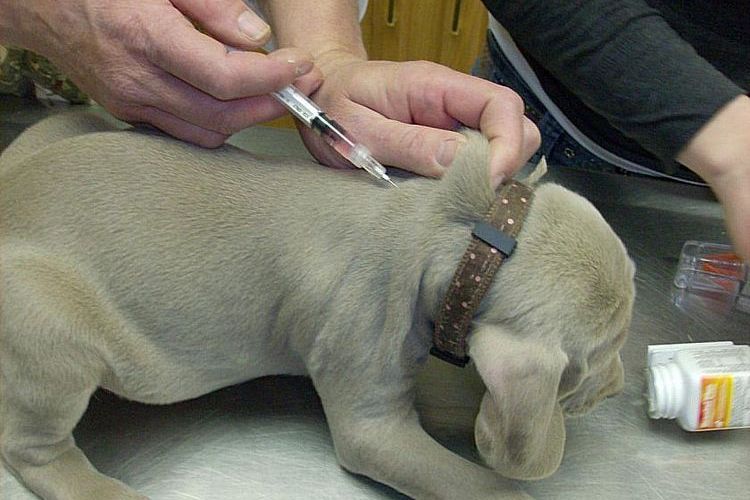
According to the instructions, Dexamethasone injections for dogs can be administered intramuscularly, subcutaneously, or intravenously. The dosage depends on the animal's weight. The following dosages are commonly used:
- For small dogs – 0.1-0.3 ml;
- for representatives of medium and large breeds – 0.5-1 ml.
The exact dosage should be calculated by a veterinarian. They should consider not only the pet's weight but also the symptoms, progression of the disease, and overall condition. A single injection is usually sufficient. If necessary, the injection can be repeated at the same dose the following day.
When using tablets, the average dosage is 0.1 mg of active ingredient per 1 kg of body weight, but this is usually adjusted by a doctor depending on the pet's condition. The duration of treatment should also be determined by a doctor. When using tablets, the dosage is usually reduced gradually, otherwise adrenal insufficiency may develop.
Please note! Incorrect or prolonged use of this medication can cause serious health problems, so self-medication is strictly prohibited.
Contraindications and restrictions
Dexamethasone should not be used under any circumstances if you are allergic to any of its components. It is also not recommended in the following cases:
- at stomach ulcer or duodenum;
- with hyperadrenocorticalism (increased production of hormones by the adrenal glands);
- in severe liver diseases;
- in case of heart or kidney failure;
- in diabetes mellitus;
- for osteoporosis;
- in case of bone fractures.
Please note! This medication should not be used on pregnant females, especially during the first month and a couple of weeks before giving birth.

The use of Dexamethasone should not be combined with the following medications:
- For treatment of diabetes mellitus;
- other glucocorticosteroids;
- immunostimulants;
- diuretics;
- some types of antibiotics;
- antiallergic agents.
Side effects
When used briefly or for short periods and at the recommended dose, the medication is well tolerated. However, with prolonged treatment or if the dose is exceeded, the following side effects may occur:
- dilation of pupils;
- increased intraocular pressure;
- slow growth of corneal cells, which can cause vision problems.
It's important to remember that this medication is hormonal and affects the endocrine system. Long-term use may cause diabetes. The hormonal medication impairs calcium absorption, so treatment may lead to bone fragility. The medication can also cause internal bleeding and negatively impact liver function. Therefore, it is recommended to use it under the supervision of a physician or in full compliance with their recommendations.
Eye drops
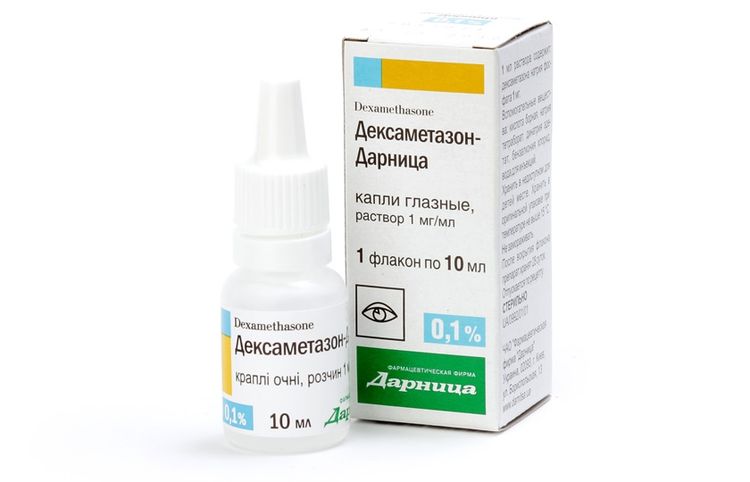
Dexamethasone is available as eye drops for the treatment of eye diseases. The 0.1% clear solution is packaged in polymer bottles with a dropper. Eye drops They help reduce swelling and redness and stop inflammation. According to the instructions, Dexamethasone drops are prescribed for dogs in the following cases:
- for non-purulent blepharitis And conjunctivitis;
- for scleritis;
- at keratitis;
- for uveitis;
- with iridocyclitis.
The medication can also be used for corneal injuries, but only after the wound has healed. Sometimes, the drops are used to prevent swelling and inflammation during surgery.
Please note! It is strictly prohibited to use this hormonal medication if you have eye diseases of fungal, viral, or antibacterial origin, or if you have degenerative changes in the cornea.
The solution should be administered 1 drop 3 times daily. Treatment can last from 1-2 days to 2 weeks, depending on the stage of the disease and symptoms. Any discharge should be removed with a clean, sterile swab before administration.
Owner reviews
Natalia, Yorkshire Terrier breeder:
"One of my female dogs is severely allergic, and the reaction develops so quickly that if treatment isn't provided promptly, the consequences can be dire. The first time she had an attack, the doctor was present. He gave her a Dexamethasone injection. Now, I always have this medication and a syringe in my first aid kit. But it's a hormonal medication, so it's not recommended to overuse it."
Oksana, the pit bull's owner:
"After the fight, we discovered our dog had an eye injury. We immediately went to the clinic. The doctor prescribed Dexamethasone drops. We first rinsed with saline, then applied the drops. By the third day, the dog was feeling better, but we completed the full five-day course. The advantage of the medication is that it can be purchased at any pharmacy."
Veterinarian Reviews
Sergey, a veterinarian with 14 years of experience:
"Dexamethasone is a real first aid for allergic reactions. I believe every pet owner should have a couple of ampoules of this medication. However, it's a hormonal medication and has contraindications, so be sure to consult your doctor."
Evgeniya, a veterinarian with 7 years of experience:
"An inexpensive but effective remedy, although I recommend using it only in extreme cases. The use of hormonal medications cannot be without consequences for animals. I sometimes use it in my practice, especially for allergies, but it is absolutely not recommended for self-medication."
Read also:


37 comments
Anastasia
Hello, please tell me
We have a French bulldog. Last year she had spinal surgery (hernia). She got back on her feet, but now her back leg is paralyzed again.
The doctor told me to give dexamethasone injections (1 ml, once a day, for three days)
Did he recommend the right treatment?
Daria is a veterinarian
Hello!
Unfortunately, without anamnesis and examinations, I cannot tell you whether the prescribed treatment is correct.
To get a second opinion, we recommend an in-person or online examination with another neurologist. This specialty involves many nuances, which, unfortunately, I don't have expertise in.
Wishing your dog a speedy recovery.
Lilia
Hello! My dog's hind legs are giving out. I suspect a pinched disc. Can I use Dexamethasone?
Daria is a veterinarian
Hello!
Dexamethasone is a fairly serious drug that is used strictly as prescribed by a doctor.
If you have been examined and given a definitive diagnosis and this drug has been prescribed by a doctor, then of course you can use it.
But if this is just your guess and you haven't consulted a doctor, then using this drug is prohibited. It could only harm the animal.
Svetlana
Good afternoon. Could you please tell me how to administer dexamethasone to my Chihuahua's eyes? The doctor said one drop, but didn't say how many times a day. We have uveitis, autoimmune... not bacterial (Tsiprovet significantly worsened the situation; the dog went blind, the eyes became cloudy, and the inside, where the iris is, became bloodshot). The doctor said to leave it for a week, then administer dexamethasone, diluting one drop in 5 drops of water for injection... But she didn't say how many times a day...
Daria is a veterinarian
Hello!
It's a pity that you had such serious problems with your eyes, I really hope that everything is fine with them now.
In this case, I would consult a second doctor, ideally a veterinary ophthalmologist. Without some kind of diagnostic and preliminary diagnosis, medications are not prescribed, especially those that require dilution.
Autoimmune uveitis in dogs is a rare diagnosis, a diagnosis of exclusion, and ciprovet will not worsen its progression. Glaucoma, eye trauma, and other pathologies that are more common with similar symptoms must be ruled out in such cases.
Olga
Hello. My German Shepherd has had a fever of 104.8°F (40.8°C) for almost a month. We took her to the vets three times. They don't know what to treat her with. We're giving her dexamethasone. She's healthy, but only for a day. Her urine is clear, and bowel movements are fine. When she doesn't have a fever, she plays, eats, and drinks water. But if we don't give her dexamethasone, she just lies there. How should we treat her? Thank you.
Daria is a veterinarian
Hello! An animal with such a temperature can't be healthy! Have you had a blood test? A complete blood count, a biochemistry panel? An ultrasound? A temperature this high indicates either a viral infection or a severe inflammatory process. The use of glucocorticoids, such as dexamethasone, suppresses the immune system, which will only worsen the condition if an infection is the cause. Furthermore, frequent use of dexamethasone in dogs will sooner or later lead to an endocrine disorder called Cushing's syndrome. And then you'll be on medication for life, which may be unavailable due to sanctions. Rather than treating with hormones, you should look for the cause of the hyperthermia. A full examination and blood tests are essential.
Irina
Hello, I have a 9 month old Chihuahua puppy who is constantly scratching his eye and ear. The vet recommended children's eye drops Dexamethasone (glucocorticosteroid) 0.1%. Can I use them?
Daria is a veterinarian
Hello! Don't prescribe hormonal eye drops to your pet without first determining the cause and making a diagnosis. First, rule out allergies. Look at your pet's diet. Look for the problem there first. Are they taking any supplements, vitamins, or medications? Has they bathed recently? Is there a new bed or clothing? Consider what preceded the itching? Have they been treated for fleas and ticks? The eyes may not be the primary problem, but a symptom of a more serious ailment. Only by eliminating the cause of the itching will the pet's scratching disappear (note, this applies even without the use of hormonal medications, which are already undesirable for a growing body).
Anna
Hello, our dog has a pinched nerve. Our veterinarian, who was away, suggested this. He prescribed Dexamethasone 4 mg 2 ml. We administered the medication for three days. Her condition improved, but she has now returned to her heat cycle. Our heat cycle ended a month ago. What should we do? I'm concerned about this medication and the dosage we used. Our dog is a pug, weighing 10 kg.
Daria is a veterinarian
Hello! I didn't see the dosage you administered. 4 mg/2 ml is the dosage form of the medication. I'm also interested in the specific name of the medication you selected. There are extended-release dexamethasone medications that are administered every 7 days. Human medications are too concentrated. For pets, hundredths of the active ingredient are needed per 1 kg of body weight. In other words, the dose administered at one time is so small that an insulin syringe is required. Hormonal overdose is very dangerous. It can harm the adrenal glands, the immune system, and the entire body.
Tatiana
Hello. Please help! My dog was hit by a car. He has a broken left front leg and (apparently) a bruise on his entire left side. They put a pin in the broken leg and I'm securing it with an elastic bandage, but he can't stand up on his hind legs; he can't walk at all. He was prescribed antibiotics, calcium, and chondroitin sulfate (for his joints). I'm giving him Combilipen and Cerebrolysate injections. He was also prescribed dexamethasone, but the instructions say not to give it to him with a fracture. What should I do? He's started having trouble going to the bathroom. He's a 10-year-old male named Laika.
Daria is a veterinarian
Hello! What's the X-ray? What's wrong with the spine? The animal has difficulty defecating because it's not moving. It's not walking, which slows intestinal motility. This will lead to constipation, which in turn will lead to intoxication. The animal will become lethargic and may begin vomiting. Dexamethasone should be used with caution, as it can cause adrenal problems. This hormone itself inhibits the immune system, prevents inflammation, and quickly reduces swelling. This may be why it was prescribed. However, it's important to understand whether there is a spinal injury or spinal cord damage, or any resulting disruption of innervation.
Tatiana
We didn't do an X-ray; we don't have one. After the injections, he's been trying to get up, but he can't. What can I do to get him to move? Maybe give him some kind of massage?
Daria is a veterinarian
Hello! If you don't have X-rays, I don't think you'll find any rehabilitation specialists. Unfortunately. They could show you in person how to properly rehabilitate your pet, and what exercises and massages can be done to help it recover more easily.
Irina
Good afternoon, my dog had a C-section, on the second day she started breathing very loudly, her temperature is normal 38.3, I'm thinking of giving her a Dexamethasone injection, is it possible during lactation, will it harm the puppies?
Daria is a veterinarian
Hello! Why did you decide to inject a glucocorticoid anti-inflammatory drug? Dexamethasone is not a cure-all! It's a hormone! And it's not something to mess around with. Careless use can lead to serious complications, leading to future illnesses that will require lifelong, expensive treatment. The doctor who performed the surgery should have called. Perhaps there were complications during the surgery. In any case, they will consult specifically about your pet, because they've seen them in person and know their health (including any chronic illnesses they may have had).
Evgeniya
Hello, my Russian hunting spaniel is 7 years old. He has lymphoma. I'm giving him 1 ml of dexamethasone intramuscularly daily, and the doctor says he'll have to do this for life. He's feeling energetic, has a great appetite, and all his lymph nodes are gone and can't be felt. I'm worried about the high dose... can I give him injections every other day? According to the instructions, the dexamethasone lasts for two days. Thank you in advance!
Daria is a veterinarian
Hello! Adjustments to the treatment regimen should be made only by your treating physician, in your case, an oncologist. Only based on the results of an in-person examination. Furthermore, dexamethasone should not be discontinued abruptly, as it can cause withdrawal symptoms. Monitor your adrenal function, as long-term use of the hormone can severely impact them.
Irina
Good afternoon. My lap dog weighs 9-10 kg and has allergies. She starts sucking her paws, scratching her face until it bleeds, shaking her ears. They're swollen and purple. I've been on a diet, spoon-fed her, and given her Apoquel. The only thing that helps is dexamethasone. We've tried it several times already. It helps for a couple of weeks, and then it starts again. We're giving her deworming tablets. How can you block an allergy of unknown origin? Dexamethasone has side effects. I'm afraid to try it, but she's suffering so much it's scary, so we're trying it again. Thank you.
Daria is a veterinarian
Hello! Have you had a skin scraping done for parasites? Have intradermal mites been ruled out? Demodicosis? Sarcoptic mange? Is there a white coating between the toes? What was the diet? What foods? How long was the elimination diet? What kind of food is the current diet? Apoquel can be taken lifelong. Hormones are a no-brainer! They can be given once to relieve an acute attack of itching. The cause must be determined immediately. First, get rid of fleas and ticks. Even if you were chasing them a month or two ago. Apply complex drops to the withers, such as Bravecto or Simparica. Then, follow a strict diet! Either hydrolyzed commercial foods or natural foods consisting of one type of carbohydrate and one type of protein for the entire diet! The diet can last from 6-8 weeks to 15! First, cleanse the body, and only then introduce one food at a time. You can't immediately diagnose atopic dermatitis! This diagnosis is made after at least six months of elimination diets and periods of provocation (when a new type of food is introduced).
Galina
A 2.5-month-old puppy was diagnosed with rickets and prescribed dexamethasone 3-5 times a day (Why? There are no allergies)
Also calcium once every 3 days, 5-7 injections; multivitamin 0.25 ml once every 14 days.
They immediately injected both paws and the withers. The dog was breathing heavily afterwards—its chest was heaving. Are dexamethasone injections necessary?
Daria is a veterinarian
Hello! I don't see any indication for the use of hormonal medications, especially at this age. The only indication is if an injection was given to prevent an allergic reaction to a multivitamin (especially if done at home).
Larisa
Hello. My German Shepherd is 6.5 October. She fell on her hind legs. The doctor gave her three injections. It helped on the first day, but a couple of days later it happened again. The injections didn't help. We're going for an x-ray tomorrow. Can I give her a dexamethasone injection to make her feel better? She started whining again in the evening.
Daria is a veterinarian
Hello! All examinations of this type are performed without prior administration of medication (unless otherwise authorized by the attending physician, for example, if a course of therapy is being administered that should not be interrupted), otherwise the results may be distorted.
Natalia
Good afternoon, the dog was poisoned and after the second IV she fell on her hind legs. Can I give her an injection of dexamethasone?
Daria is a veterinarian
Hello! Dexamethasone is a hormone and is not used for poisoning. Detoxification medications are used. Hormonal therapy should only be prescribed by a veterinarian, after an in-person consultation and risk assessment. Self-prescribing and administering glucocorticosteroids can cause irreparable harm to your pet's health.
I love my dog
My dog has epilepsy, and the doctor told me to always give him dexamethasone injections when a seizure starts. It really helps.
Anonymous
Hello, how often can I give my Pekingese dexamethasone for allergies? My allergies are seasonal, and the pills don't help.
Elvira
1 tablet 0.5 mg 0.1 mg per 1 kg of weight
Valentina
Hello, Staffordshire Terrier, I suspect she was stung by a bee or wasp. The next day she stopped eating. We called the vet and gave her four injections (the previous owners don't remember which ones). They prescribed ceftriaxone for five days and dexamethasone for three days. These same owners didn't treat or feed the dog for four days. She was almost dying. I rushed to save her. She received two days of ceftriaxone (one injection per day) and on the second day (ceftriaxone + dexamethasone). Today she got back on her feet and became more active. She's been eating semolina and oatmeal through a syringe (without a needle) 10-20 ml every hour. She's at least started swallowing on her own. Today she ate a quarter of a cookie. Is another dexamethasone injection necessary, and if so, how long will it take? Thank you for any feedback.
Daria is a veterinarian
Hello! Dexamethasone is a hormone that helps reduce inflammation (including swelling).
It's good for emergency care. If an allergic reaction is suspected, why didn't you use suprastin to quickly relieve it? Also, if it was insect bites, why were antibiotics prescribed? Either a misdiagnosis or a mistreatment. You can also give dexamethasone. Inject once a day. Remove semolina from the diet permanently—it's not suitable for dogs! Ideally, the dog should be on an IV drip to at least support it with injections. You can add Ringer's-Locke's solution or saline solution with 5% glucose and administer it subcutaneously.
Anna
A very good website. They even offer consultations. Very convenient. It just says that dexamethasone can't be used with diuretics. Isn't furosemide allowed? In my practice, these medications are often prescribed together. They just shorten the duration of use or adjust according to the situation.
Daria is a veterinarian
"Dexamethasone 2 mg/cm3 should not be used in combination with other glucocorticosteroids, immunobiological drugs, barbiturates, antihistamines and antidiabetic agents, potassium-wasting diuretics, salicylates, calcium salts, tetracyclines, macrolides, and kanamycin." It's actually quite a tricky drug. It seems to help quickly, but if you stop it incorrectly, it can make things worse than before.Hello! Thank you for your kind words. We're glad we're helpful and can even offer a remote consultation. Regarding your question: yes, dexamethasone is contraindicated in combination with diuretics. This is stated directly in the medication's package insert: "Dexamethasone 2 mg/cm3 should not be used in combination with other glucocorticosteroids, immunobiological drugs, barbiturates, antihistamines and antidiabetic agents, potassium-wasting diuretics, salicylates, calcium salts, tetracyclines, macrolides, and kanamycin." It's actually quite a tricky drug. It seems to help quickly, but if you stop it incorrectly, it can make things even worse than before.
Elena
The staff has elevated eosinophil levels.
I'm very itchy and red. My diet consists of beef porridge. What should I do? How can I tell what it is and how can I treat it?
Daria is a veterinarian
Hello! Elevated eosinophils indicate an allergic reaction (either a pure allergy or the body's reaction to parasites). What kind of cereals? Staffies often have allergies to food. Not all cereals are safe for dogs; many actually trigger allergies, even though they're considered hypoallergenic in humans. And remember, when was the last time you treated your dog for parasites? Are you giving them any medications? Vitamins? Are there any table scraps? Does anyone in the family indulge in sweets or fruit?
Add a comment