
Dexamethasone for cats
Dexamethasone is a highly effective anti-inflammatory and anti-allergic medication used in cats for various conditions. The medication contains a synthetic hormone, so it should not be used without a doctor's prescription. This medication is successfully used in both human and veterinary medicine.
Content
Dosage forms and features
This hormonal medication is produced for both animals and humans. Veterinary Dexamethasone is available as an injectable solution and is most often used to treat cats. It is typically packaged in 100 ml vials or glass ampoules. In pharmacies for humans, the medication is available in the following dosage forms:
- injection solution;
- eye drops;
- pills.
The injection solution for animals and humans differs in the concentration of the active ingredient dexamethasone: 2 and 4 mg per milliliter, respectively. Both versions of the medication can be used in cats, but the dosage and administration schedule should be determined by a veterinarian. Otherwise, the risk of overdose and side effects increases.
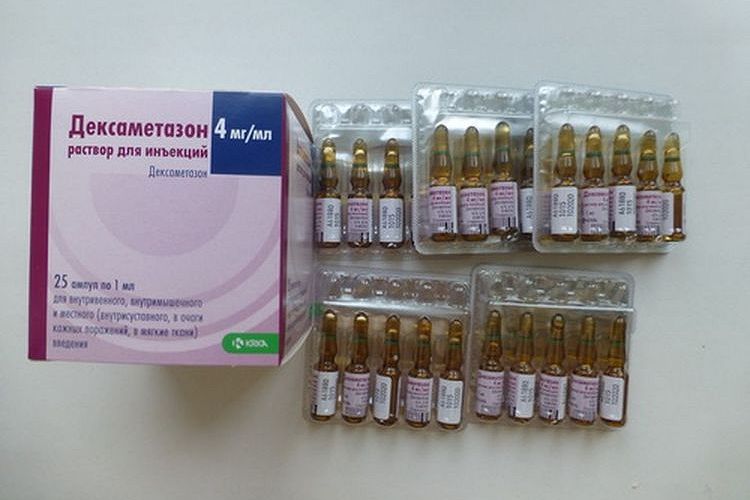
The clear liquid usually has a yellowish tint. In addition to the active ingredient of the same name, it contains glycerin, water for injection, propylene glycol, and other excipients.
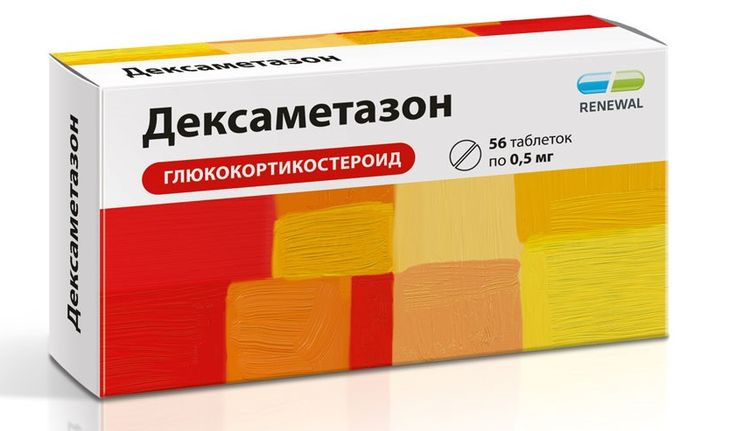
These small tablets, scored on one side, are packaged in blisters of 10. They contain a number of auxiliary components:
- magnesium stearate;
- lactose;
- croscarmellose sodium;
- colloidal silicon dioxide, etc.
Each tablet contains 0.5 mg of the active ingredient. This dosage form is rarely used for treating cats, as it is inferior in speed of action and effectiveness to the injectable solution.
These eye drops contain a 0.1% dexamethasone solution. The clear liquid is packaged in polymer bottles equipped with a dropper for easy use.
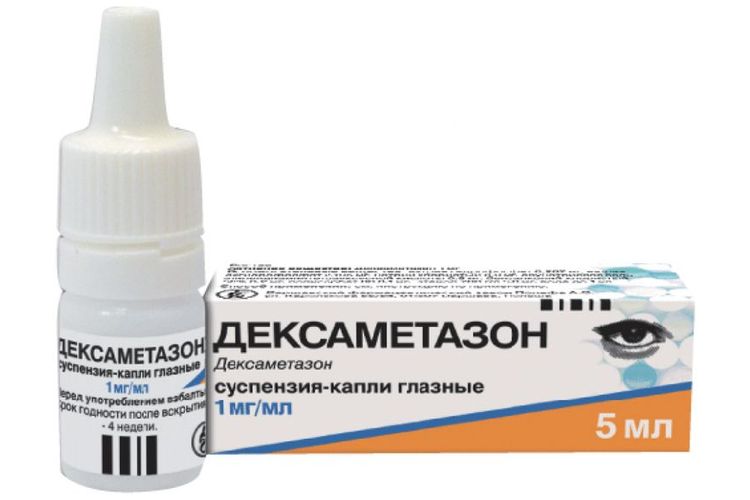
Please note! Drops are used in cats only for severe eye conditions when other medications are ineffective. Prescription must be made by a veterinarian.
Action
The active ingredient of the drug is a synthetic hormone, an analogue of a hormone secreted by the adrenal cortex. It is involved in many physiological processes and can influence the endocrine and nervous systems, as well as muscle and joint function.
The drug has the following effect on the animal’s body:
- anti-inflammatory;
- anti-shock;
- antiallergic;
- immunosuppressant;
- antitoxic, etc.
The drug's anti-inflammatory effect is due to the fact that, upon entering the body, the synthetic hormone suppresses the production of a substance involved in inflammatory processes. A notable feature of the medication is its ability to inhibit certain types of receptors. This provides an anti-allergic effect—the body stops reacting to the irritant. Furthermore, the immune system is suppressed.
Hormonal injections are often used to treat shock due to allergies or injuries because they act quickly. The active ingredient is fully absorbed by the body, whereas when taken as tablets, the bioavailability (absorption) of the active substance does not exceed 50-60%.
When is it applied?
According to the instructions for use, Dexamethasone for cats is usually used in the following cases:
- for arthritis, bursitis, intervertebral hernia and other pathologies of the musculoskeletal system;
- for eczema, allergic dermatitis;
- for bronchial asthma;
- with lupus erythematosus;
- in case of an allergic reaction to medications;
- for leukemia and other oncological diseases;
- for swelling and inflammation that develop as a result of injury;
- for allergies of any kind, etc.
Please note! A couple of ampoules of this medication should be kept in your veterinary first aid kit at all times, as it can be used for first aid in cases of angioedema or anaphylactic shock. Consult your veterinarian regarding dosage beforehand.
Hormonal therapy is also used when the adrenal cortex fails to secrete the necessary hormone. In this case, the treatment regimen and dosage must be carefully calculated by a doctor. Dexamethasone is also well suited for treating shock and various injuries, including those resulting from accidents or falls from heights. In such cases, the drug has a comprehensive effect, providing anti-shock relief and preventing the development of symptoms (inflammation, swelling, etc.).
Eye drops are used for cats with the following visual pathologies:
- with conjunctivitis;
- at keratitis;
- at blepharitis;
- with keratoconjunctivitis;
- for other eye diseases of non-infectious origin.
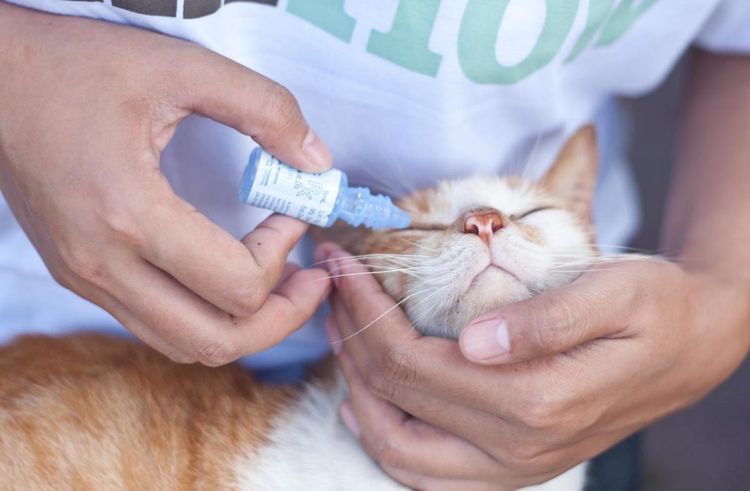
Drops can also be used for otitis.
How to use and where to inject
The specifics and dosage of the drug depend on several factors:
- pathologies;
- general health;
- symptoms, etc.
The instructions for use state that Dexamethasone injections for cats should be administered intramuscularly. When administering injections, follow a few simple guidelines:
- The injection site does not need to be treated with an antiseptic, but the epidermis in this area must be healthy and without obvious damage.
- For cats, it's best to use insulin syringes. They make it easier to accurately measure the required amount of medication. They also have a thin needle.
- A new sterile syringe must be used for each injection.
- Never mix the drug with other medications in the same syringe.
The dosage is 0.1-0.5 ml per animal, depending on the pet's weight and condition. A doctor should determine the exact dosage of the hormonal agent.
In cases of shock, injury, or allergic reactions to food, medication, or other irritants, a single injection is given. Chronic conditions may require a course of treatment, the length of which is determined by a veterinarian. Sometimes injections are replaced with tablets for long-term treatment. These tablets usually need to be administered by force. The dosage is calculated based on weight: 0.1 mg of active substance per kilogram.
Important! Long-term use of Dexamethasone is not recommended, as it can cause the adrenal cortex to atrophy, meaning it will stop producing the natural hormone. The dosage should be gradually reduced to allow the animal's body to synthesize the hormone in the required quantities.
According to the instructions, cats should be given one drop of Dexamethasone eye drops. The procedure is performed 1-2 times a day, depending on the animal's condition. Treatment usually lasts 3-5 days, depending on the severity of the condition.
Restrictions
Cats should not be given Dexamethasone tablets or injections in the following cases:
- in diabetes mellitus;
- in case of hypersensitivity to the components;
- during pregnancy;
- during lactation;
- for osteoporosis.
Hormonal medications should not be used on kittens during the period of skeletal development. This is because they leach calcium from the body, causing bones to become brittle. For the same reason, the medication should not be administered to treat fractures.
If your pet has heart, kidney, or liver disease, consult a veterinarian. In most cases, it's best to avoid using this medication, as complications may develop. Furthermore, the medication should not be combined with certain antibiotics, antiallergic medications, painkillers, or other medications. A doctor should prescribe a combination therapy.
Side effects
The hormonal drug has a strong effect on the body, and therefore, with prolonged use or exceeding the dose, the following side effects may occur:
- depression and oppression;
- itching;
- weight gain;
- skin depletion;
- brittle bones;
- problems with the digestive system;
- increase or decrease in appetite;
- behavioral disorders (eating inedible things, aggressiveness, etc.);
- increased glucose levels;
- disturbance of heart rhythm and increased blood pressure.
If long-term use of Dexamethasone is required, regular veterinary visits and clinical blood and urine tests are necessary. If test results worsen, the dosage should be adjusted or the drug discontinued altogether.
Price
If you're buying Dexamethasone for a cat, you'll pay 900-1000 rubles for a 100 ml bottle of veterinary solution. Since most of the medication goes unused, most pet owners turn to human pharmacies. The price of this hormonal medication is approximately as follows:
- solution in ampoules – 170-280 rubles;
- tablets – 20-40 rubles;
- eye drops – 90-250 rubles.
Owner reviews
Ksenia, owner of a 6-year-old cat:
"We had to test the effectiveness of Dexamethasone under tragic circumstances – our cat was hit by a car. The blow hit her head. The animal's condition was terrible – Mirochka was convulsing, foaming at the mouth. We immediately rushed to the clinic, fortunately it was nearby. The doctor immediately administered a hormonal injection. It was this that helped us save our beloved cat. Of course, it was not possible without long-term and comprehensive treatment. I now keep two ampoules of this medication in my first aid kit, just in case."
Regina, owner of a Scottish Fold cat:
"We were prescribed Dexamethasone for cystitis to reduce inflammation. The cat couldn't go to the bathroom because of the pain, so we had to insert a catheter. We administered the medication for several days, and there were no side effects. The vet warned us not to use the medication on our own."
Veterinarian Reviews
Victor, a veterinarian from the Aibolit clinic:
"I rarely use hormonal medications to treat animals due to the impressive list of side effects, but sometimes they are unavoidable. I consider dexamethasone to be the best glucocorticosteroid, and it's also inexpensive."
Dmitry, a veterinarian with 13 years of experience:
"Anaphylactic shock can occur not only in humans but also in animals. For such cases, Dexamethasone should be kept in your first aid kit. It has helped me save many lives. The main thing is to consult a doctor beforehand and ask them to calculate the correct dosage."
Read also:


1 comment
Lena
Dexamethasone is recommended for flat chest syndrome. What do you think?
Add a comment