
Deworming dogs: what it is and how often to do it
Deworming dogs is an important treatment and preventative procedure aimed at eliminating internal parasites and/or preventing their recurrence in the gastrointestinal tract. Without timely treatment, an infected pet can suffer serious damage from helminth intoxication, including death, and can become a source of infection for other animals and humans.
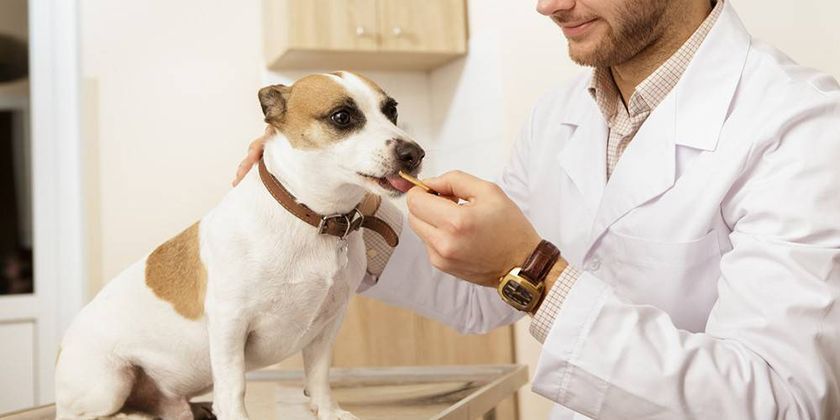
Since helminthiasis (worm infestations) are easily transmitted through a variety of routes, the first deworming of puppies is performed at a very early age. The key is following the instructions and performing the procedure regularly.
Content
The essence of deworming
Deworming dogs is essentially a comprehensive procedure that includes administering a special anthelmintic, medications that help eliminate the toxins produced by the worms, and, if necessary, antiallergic medications. Seven to 10 days before starting treatment, the pet must be treated for ticks and fleas, which carry the worms.
All medications must be administered to your dog according to the regimen prescribed by your veterinarian or in strict compliance with the instructions for each medication. Typically, a single dose of anthelmintic medication is required for helminthiasis prevention, while for treatment, the medication is administered at least twice, 10-14 days apart.

All dogs, including those kept indoors and restricted to indoor activities, should be dewormed regularly. This is because pets can become infected with worms even without direct contact with an infected animal. Helminth eggs are excreted in feces, fall onto the soil, and are then carried by insects or adhere to shoes and other objects that bring them indoors. Therefore, all owners need to know what deworming is, how often it should be performed, when only preventative measures are needed, and when a full course of treatment is required.
Scheme of implementation
The first deworming of puppies is performed at 3 weeks of age, and for small breeds, when they reach 0.5 kg. For adult pets, the frequency of deworming is determined by the purpose of the procedure:
- scheduled – at intervals of 3 to 6 months, as well as 1-2 weeks before each vaccination;
- unscheduled – when parasites are detected, before mating, before a trip abroad, during a disease outbreak, etc.

If several pets are kept together, then if one of them becomes infected, it is necessary to deworm them all at once to prevent the spread of parasites.
Planned
The frequency of routine preventative treatments depends on the diet and living conditions. Dogs that eat raw meat or dry food purchased in bulk, or that roam freely outside, should be dewormed quarterly. These factors significantly increase the risk of infection with helminth eggs. Pets kept indoors and walked only on a leash should be dewormed. can you deworm? Once every 6 months.

During the first year of life, routine deworming is carried out in accordance with the vaccination schedule and is performed in the following sequence:
- twice a day of taking an anthelmintic drug - at 3 weeks (or when the weight reaches 0.5 kg) and after 10 days;
- vaccination – at 2 months of age;
- revaccination – at 3 months of age;
- Rabies vaccination – at 6 months, 7-14 days before the vaccination, the puppy is dewormed once.
Adult animals are vaccinated once a year. Since dogs require deworming before each vaccination, it is recommended to schedule vaccinations to coincide with the quarterly deworming schedule. Deworming is necessary because vaccinations can only be given to completely healthy dogs, and helminthiasis is one of the most common diseases and can have serious consequences. Furthermore, vaccination involves introducing a specific number of viruses, which the body devotes all its energy to destroying, weakening the immune system. Therefore, a vaccinated dog becomes more vulnerable and easily infected with parasites.
Unscheduled
If worms are detected in vomit or feces, urgent unscheduled deworming of puppies is required, the plan for which should include the following steps:
- flea and tick treatment;
- after 7-10 days – feeding an anthelmintic drug before the morning feeding;
- after 7-10 days – repeat feeding of the anthelmintic drug.
The dosage of the medicine is determined based on the pet's weight in accordance with the recommendations of a veterinarian or the instructions.

Unscheduled treatment of adult dogs is carried out in several cases:
- when traveling abroad, negative test results must be indicated in the veterinary passport;
- Before mating - anthelmintic drugs have a certain toxicity, therefore it is not recommended to deworm pregnant bitches in order to avoid harm to the developing fetus;
- if worms are detected in the feces of the pet itself or animals with which it has been in contact.
After deworming, the stool should be checked for worms. Anthelmintics begin to work immediately, and the entire parasite elimination process usually takes up to three days. However, depending on the frequency of bowel movements, removing dead worms from the intestines can take up to a week.
Diagnosis and treatment
Many dogs show virtually no symptoms of helminth infestation. The presence of parasites can be indirectly indicated by the following pathological conditions:
- bowel movements (diarrhea, constipation);
- bloody or mucous fragments in the stool;
- bloating;
- vomit;
- apathy;
- weight loss with normal nutrition;
- shortness of breath, cough;
- parasites in feces and on the fur under the tail.
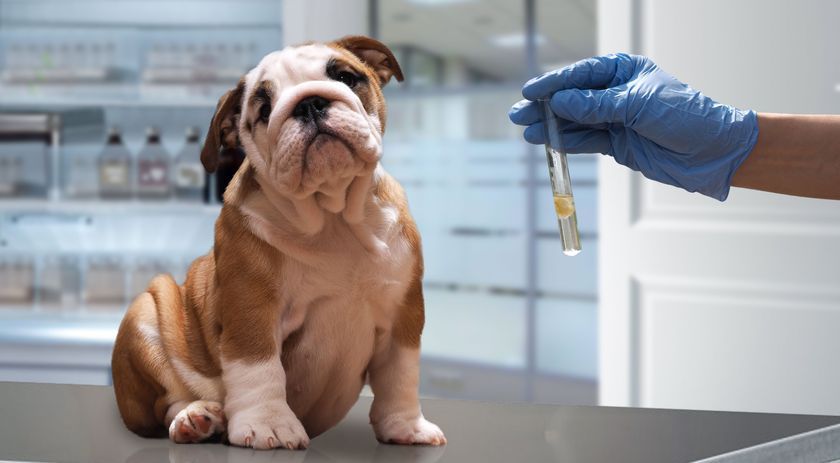
If such symptoms appear, you should contact a veterinary clinic and undergo tests. If the diagnosis is confirmed, deworming is carried out according to the same protocol as for preventative purposes, but the anthelmintic medication is administered twice, 7-14 days apart. This double dose ensures the destruction of the worms themselves and then the emerging larvae.
To eliminate the harmful effects of parasite waste products, in addition to antiparasitic medications, your pet may be prescribed sorbents and allergy medications. These are included in the treatment plan for severe helminth infestations and severe symptoms.
If you have multiple pets, it's recommended to deworm them all at the same time. Medications should be administered one hour before breakfast, unless otherwise stated in the instructions. This is because the gastric juices produced during meals impair the absorption of medicinal components and can alter their properties.
Types of anthelmintic drugs
The choice of antiparasitic medication does not depend on the purpose of the procedure. Whether it's treatment, routine prophylaxis, or deworming dogs before vaccination, the medications used are the same. The only factors to consider are weight, which determines the dosage, and age, as medications for adult dogs and puppies have different toxicity levels.
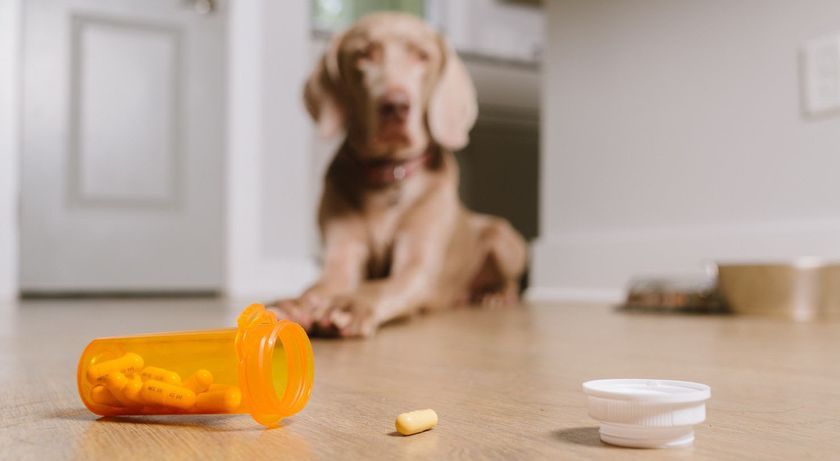
You also need to choose the right dosage form based on your pet's personality and taste preferences. Since there's a wide variety of anthelmintic medications available, this shouldn't be a problem. The key is to understand the specific actions of each.
Pills
The tablets have two advantages: a long shelf life and a special coating that allows the active ingredients to dissolve in the desired part of the digestive tract rather than immediately.
The most popular tablets in this group are:
- "Kaniverm";
- "Dirofen";
- «Milprazon»;
- Milbemax.
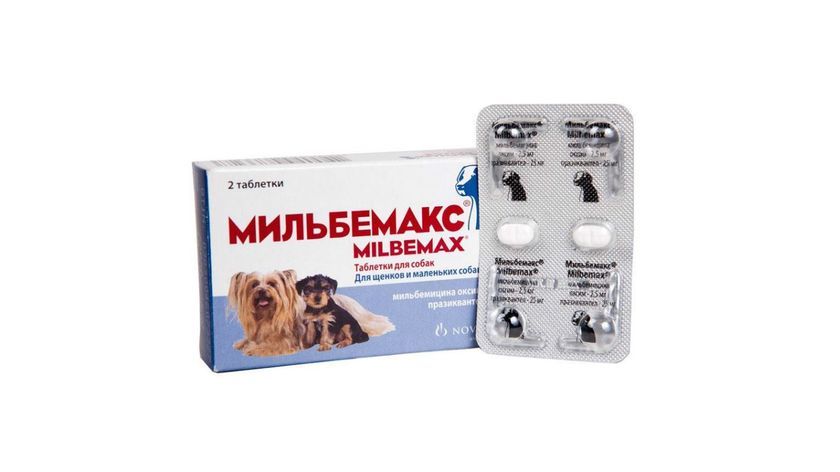
The disadvantages of tablets include their slow action due to the long dissolution time. This makes them ineffective for deworming animals with frequent vomiting, as the active ingredient does not have time to be absorbed. Also, many pets are difficult to get to swallow, so considerable effort and deception are required for successful treatment.
Suspensions, pastes, gels
This dosage form consists of particles of active ingredients ground and suspended in a liquid base. This form allows them to spread throughout most of the intestines, accelerating absorption and achieving the desired effect. The suspension is easier to dose and administer thanks to the syringe-type dispenser. Manufacturers often add special flavorings, such as meat flavoring, to these medications, further simplifying the treatment process.
The most common drugs are:
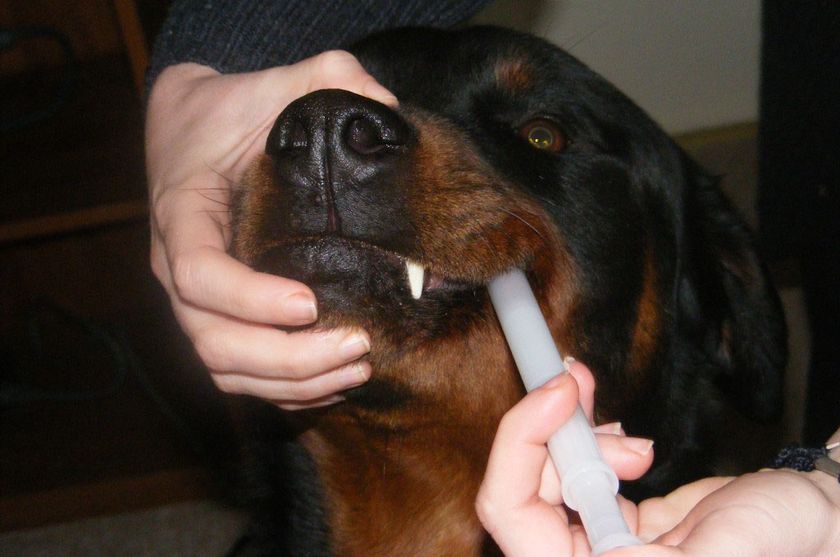
Compared to tablets, suspensions have a shorter shelf life. Also, shake the container well before use, as particles can settle, reducing their effectiveness.
Pastes and gels are similar to suspensions but have a higher concentration and density. They are flavored and pleasant to taste, so dogs can eat these medications straight from the tube. Dirofenm paste has an excellent anthelmintic effect, killing most common parasites.
Drops on the withers
Neck drops are an ideal deworming option for dogs that cannot be treated with other medications. Furthermore, they have a universal effect against all types of internal and skin parasites.
The following drops provide a guaranteed effect:
- "Advocate";
- "Palladium GoldenDefence";
- «Inspector TotalS»;
- «Stronghold".
The main drawback of this dosage form is its very mild action. The drops are only suitable for prophylaxis and cannot be used to treat helminthiasis.
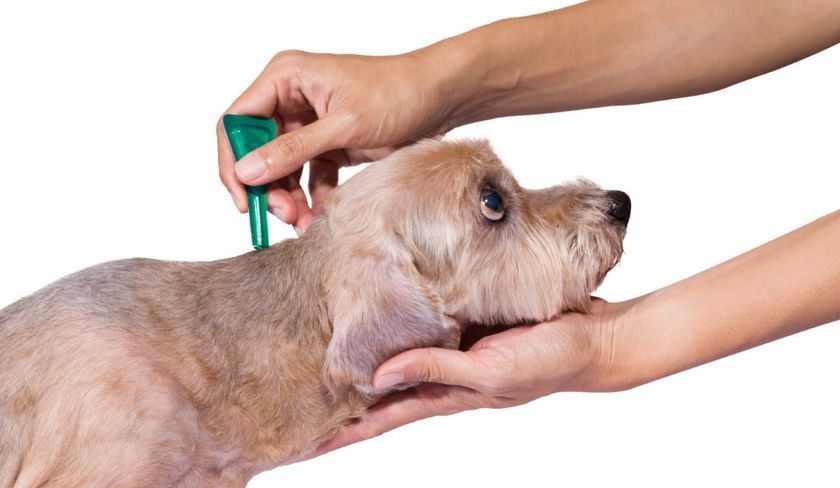
The product also requires careful application. It should be applied by parting the coat, only to the withers, to prevent the animal from licking it. Do not use on mucous membranes or injured areas of the skin. Do not bathe the pet for two days before and after application, to avoid weakening the skin's protective barrier and washing away the drops. Failure to follow these instructions may increase the dosage, thereby increasing the amount of toxic substances absorbed into the body, or, conversely, minimize the dosage and prevent the desired effect.
For puppies, it is recommended to use only two-component medications that are gentle on the body. These include:
- Prazicide - in the form of tablets or suspension;
- Kanikquantel Plus – in the form of a gel or tablets.
Treatment with these medications prevents dead parasites from accumulating in large clumps and clogging the intestines, which often happens when babies are dewormed with "adult" medications with a multi-component composition and a more powerful effect.
Contraindications and complications
Deworming is not performed on dogs in the following conditions:
- severe exhaustion;
- weakness of the immune system;
- period of illness or recovery after surgery;
- pregnancy and lactation;
- age up to 3 weeks or weight less than 0.5 kg.
Treatment and prevention of helminth infestations is a mandatory procedure that shouldn't be neglected, but it also shouldn't be overdone. Exceeding the dosage or administering medications too frequently can have negative consequences even in the absence of contraindications, as anthelmintics contain toxins that can cause severe poisoning.
If you have any questions about how often to deworm your pet, which medications to choose, and what dosages to feed, it's best to consult with your veterinarian. Only proper helminthiasis prevention will protect your pet from parasites and prevent their further spread.
Read also:


Add a comment