
Deworming of cats
The first thing you should do when acquiring a cat is deworm it. This is a series of procedures aimed at preventing the development of parasites in the cat's body and removing helminth eggs and larvae if the cat is already infected.
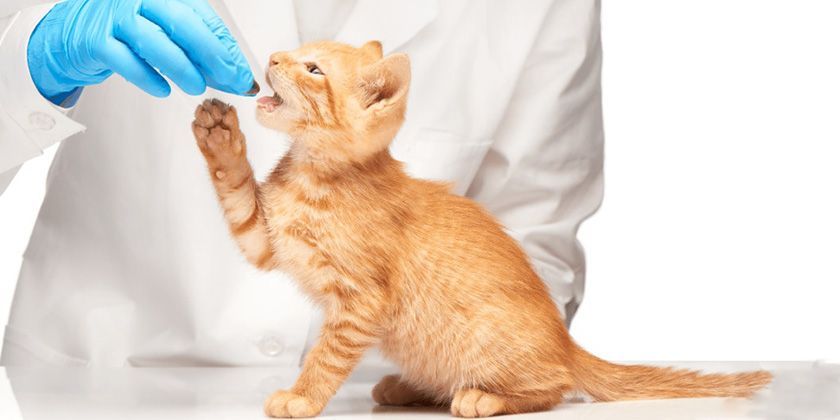
Exoparasites absorb large amounts of nutrients from a cat's food and damage its internal organs. Furthermore, the animal is constantly exposed to toxic substances produced by the worms' activity, and a significant number of helminths in its body can lead to intestinal obstruction or rupture.
Deworming cats is also important for the health of their owners: many diseases caused by parasitic worms are zoonotic, meaning they can be transmitted from animals to humans.
Content
Types of worms in cats
Mammals can be parasitized by various species of helminths. They differ in body structure, size, feeding habits, and habitat.
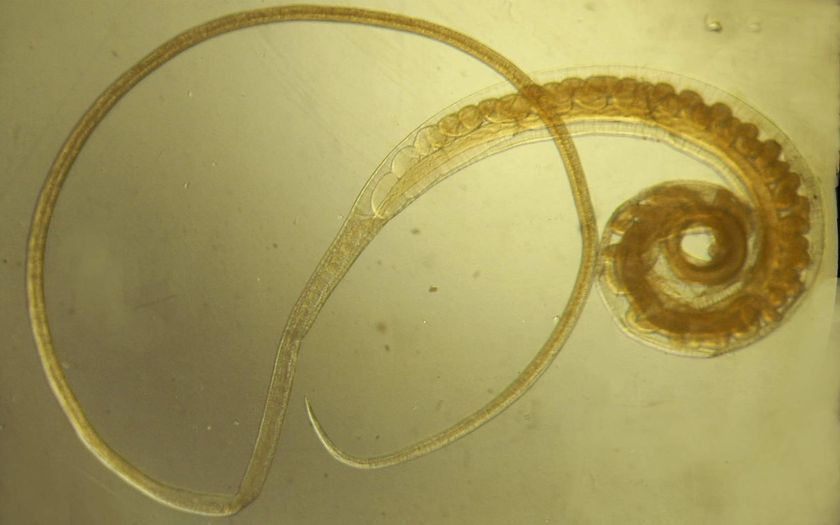
Roundworms (nematodes)
This is the most common type of helminth. Nematodes have a thread-like, spaghetti-like shape and range in length from a few millimeters to 40 centimeters. Roundworms live primarily in the small intestine, feeding on its contents.
Cats are affected by several types of nematodes:
- Pinworms. Nematodes of the genus Oxyuridae, which, depending on the species, range in size from 1 to 12 centimeters. A distinctive feature of pinworms is the presence of a tail-like, pointed rear end in females (hence the name).
- Roundworms (Toxocara). Large, dioecious worms ranging from 25 to 40 cm in length. A female roundworm lays approximately 200,000 eggs per day, and is almost twice the size of a male.
- Hookworms (Ancylostoma worms). These helminths range from 5 to 15 mm in length and attach to the intestinal wall with a hook-shaped hook located at the front of their body. When feeding, the worm secretes proteolytic enzymes that destroy the intestinal wall.
- Whipworms. The worm gets its name from the long, thread-like shape of the anterior portion of its body, which contains only the esophagus. An adult whipworm measures 40-50 mm. Whipworms are much less common in cats than in dogs.
Tapeworms (cestodes)
The bodies of these parasites can be up to half a meter long and consist of small segments resembling grains of rice. The worms develop indirectly: the eggs are excreted in the feces of an infected animal and are ingested by an intermediate host (mosquitoes or fleas). The worms develop into adults after entering a mammal. Deworming cats is necessary because they are one of the definitive hosts, where the worm matures and reproduces.
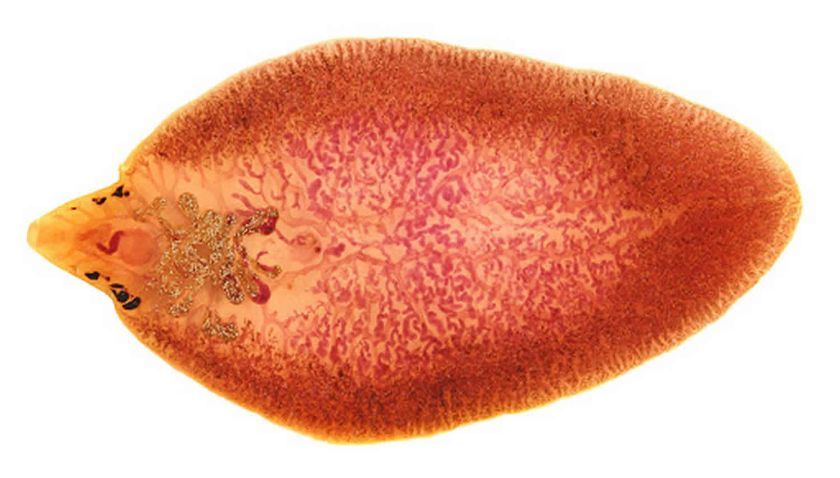
Trematodes
Flatworms are the smallest of the helminths. Their body length is no more than a few millimeters, and immature worms are not always visible to the naked eye. Trematodes attach to the intestinal or liver walls with miniature suction cups and feed on blood, hence their name, flukes.
How can a cat become infected with worms?
The main route of infection of domestic animals with worms is considered to be the consumption of raw meat or fish that has not undergone veterinary inspection, contaminated prepared food, or a cat eating a caught rodent that had helminths.
Cats can also become infected with ectoparasites in utero or through their mother's milk if she has worms.
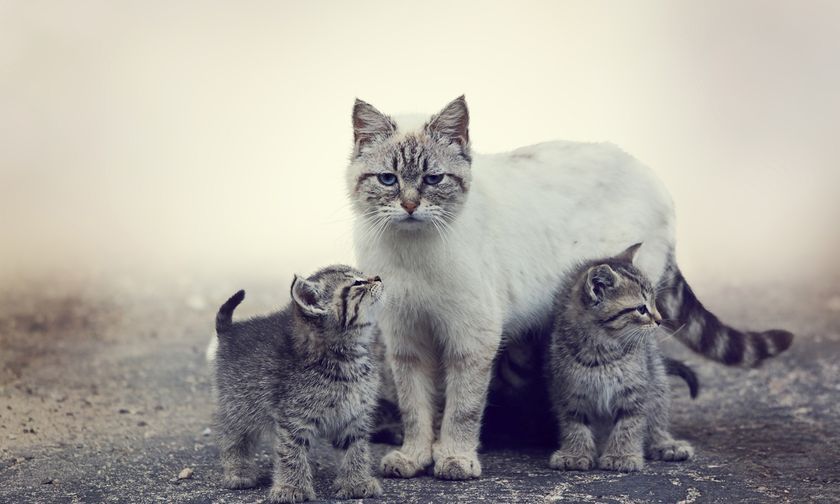
During walks, a cat may also sniff or soil its paws with feces left by a sick animal. Even if your pet never goes outside, it may still harbor helminths. Their eggs are brought into the house on shoes and objects that have come into direct contact with the soil.
Signs of worms in cats
The main symptom of helminthiasis in cats is the presence of worms or their larvae in the animal's feces. However, some types of worms do not infest the intestines, or are too small to be detected with the naked eye. In this case, indirect signs can be used:
- loss of appetite;
- unexplained weight loss;
- bloating;
- bowel movement disorder;
- the appearance of traces of blood in the feces;
- rash or itching in the anal area (the cat rubs its bottom on the floor);
- unkempt appearance of fur.
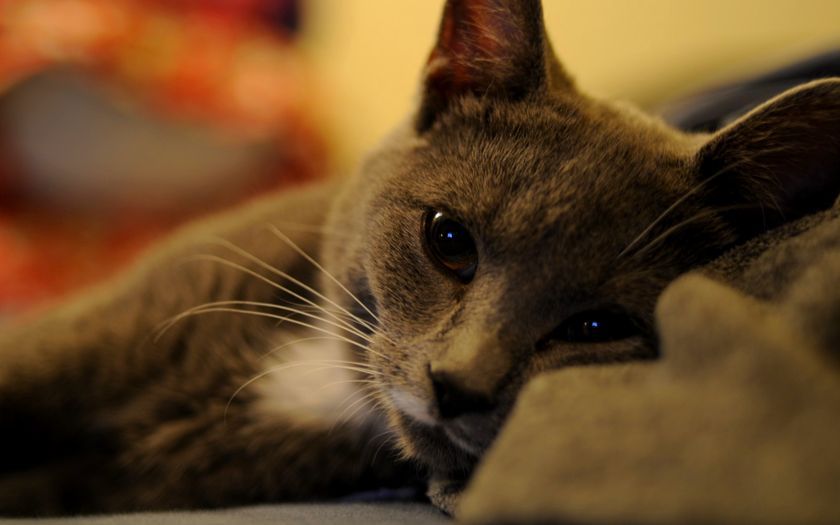
But since the symptoms described also occur with other diseases (and in order to begin effective treatment, it is necessary to know the type of parasite), the veterinarian usually prescribes a stool examination for eggs or fragments of worm bodies.
Types of deworming and timing of its implementation
Anthelmintic drugs for cats They are given both for therapeutic purposes and for the prevention of helminthiasis. Deworming is especially important for kittens and cats that are allowed outside.
Therapeutic deworming
Anthelmintic therapy is administered under the supervision of a veterinarian. The goal of treatment is to eliminate not only mature worms but also their larvae from the cat's body. Therefore, deworming is repeated after two weeks. After the course of treatment, the cat may be prescribed sorbents. This is necessary to rid the body of toxins caused by the dead parasites.
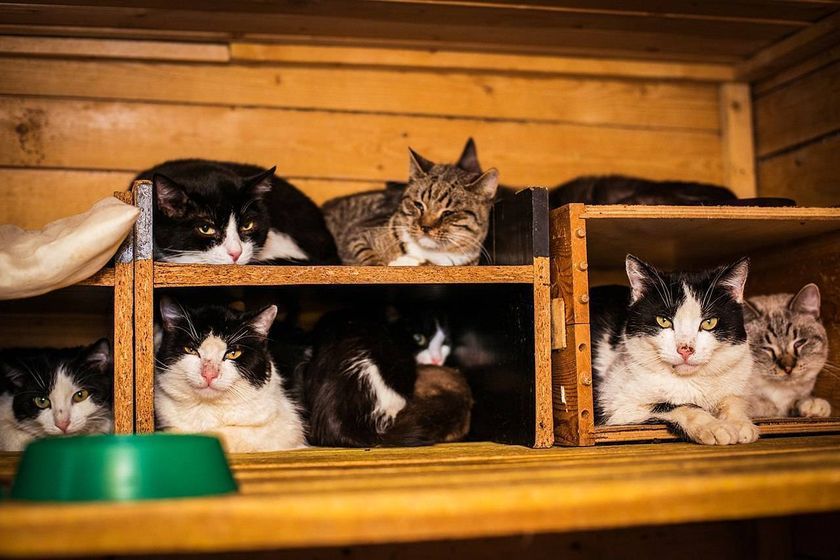
If there are several cats in the house, and helminthiasis is detected in only one, the other animals are given anthelmintic drugs for prophylactic purposes.
Preventive deworming
Broad-spectrum antiparasitic drugs designed to combat multiple types of worms are typically used for prevention. The frequency of preventative deworming depends on several factors:
- age of the animal;
- diet (does the cat eat raw meat or fish);
- living conditions (does your pet have access to an outdoor area).
The first deworming of a kitten is performed at 3 weeks of age, and then the procedure is repeated every 3 months. It is also recommended for cats:
- 2 weeks before the ligament,
- 10-14 days before vaccination,
- 21 days after lambing.
The cat's veterinary passport records the date of deworming, the name and dosage of the drug.

Contraindications
Since anthelmintic drugs have some degree of toxicity, only healthy animals are allowed to undergo this procedure.
Deworming of cats is not carried out:
- during an infectious disease;
- after recent surgery;
- if the cat has serious pathologies of the urinary system or liver that prevent the normal elimination of metabolic products.
During pregnancy and lactation, deworming can only be carried out as prescribed by a doctor, using a drug with minimal toxicity.
Deworming products for cats
Today, there are a large number of veterinary deworming medications available, varying in their active ingredients and formulations. Some anthelmintics are effective against a single type of helminth, while others, complex medications, have a broad spectrum of action and kill several types of parasites.
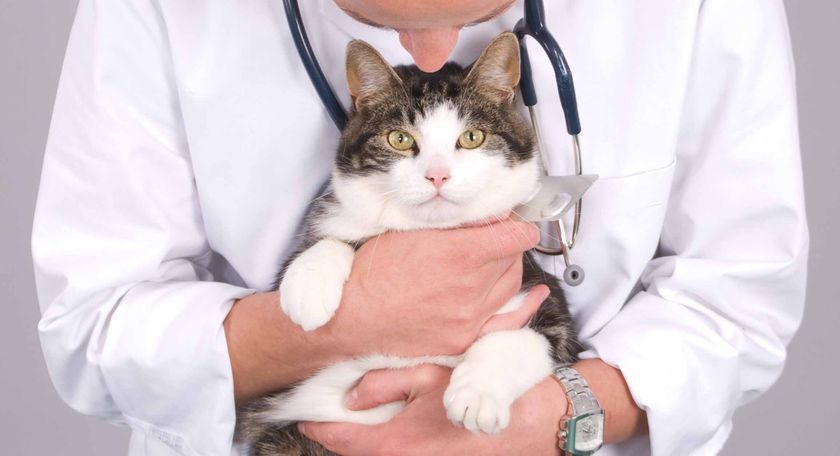
A veterinarian will help you choose the appropriate option and explain how to deworm your cat. They will consider the animal's age, the sensitivity of the specific helminth detected to the active ingredient, and the ease of use of a particular anthelmintic. If your cat develops a hypersensitivity to the medication's components, the specialist will select a different medication.
Pills
The most popular brands:
- Azinox – active ingredient Praziquantel;
- "Alben" - active ingredients Albendazole and Praziquantel;
- Vermidin - active ingredients Pyrantel, Quasiquantel;
- "Gelmimax" - active ingredients Moxidectin, Praziquantel;
- "Dironet" is the active ingredient of Pirantel;
- "Milprazon Milbepet" - active ingredients Milbemycin, Praziquantel;
- Prazicide – active components Pirantel, Quasiquantel;
- Febtal – active ingredient Fenbendazole.
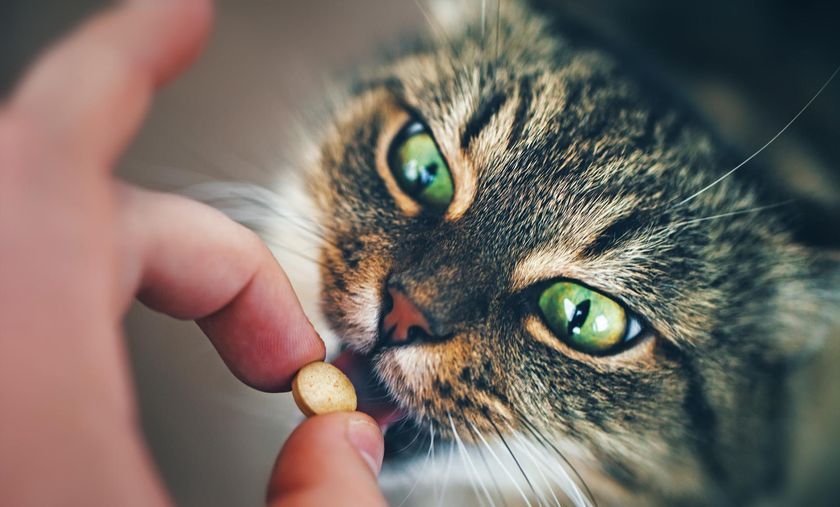
The advantages of this form of release are the low cost (the price of 10 tablets starts from 80 rubles) and the guarantee that the active substances will completely reach the gastrointestinal tract; the disadvantage is that the tablet can be difficult to administer to the animal.
Pastes, suspensions, syrups
The advantages of these forms of release include rapid action and a pleasant taste, so using syrups, suspensions, and pastes is usually hassle-free, and cats eat them with pleasure. The most popular are:
The disadvantage of these drugs is that they have a shorter shelf life than tablets.
Drops, collars
To prevent helminthiasis in cats, you can buy topical products at veterinary pharmacies and specialty stores. The most popular of these anthelmintic medications are drops "Advocate", "Gelmintal", "Inspector", "Profender" and collars impregnated with anthelmintic substances.
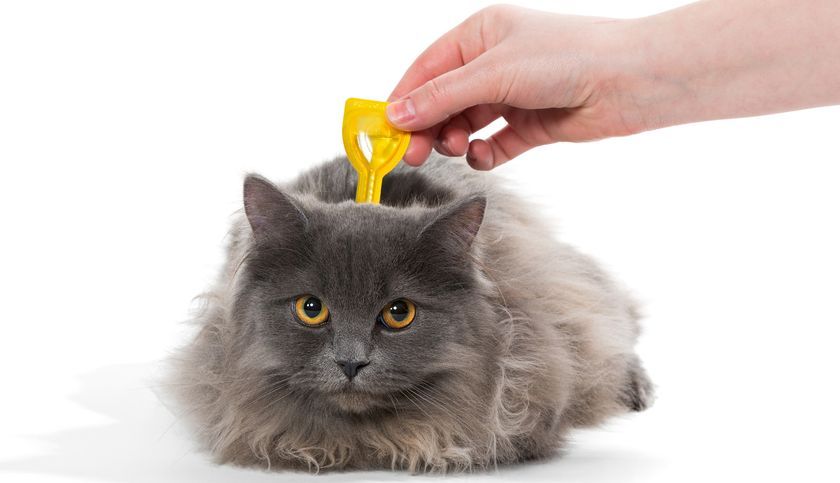
These products are the easiest to use: the drops are applied to a spot where the cat can't lick the medication, and the collar is simply placed on the cat, releasing parasite-fighting substances as it's worn. However, topical treatments are less effective than internal medications. Another drawback of the drops is that the cat should not be bathed for two days after using them.
Read also:


Add a comment