
Danish Swedish Farmdog (Danish Swedish Gardhund)
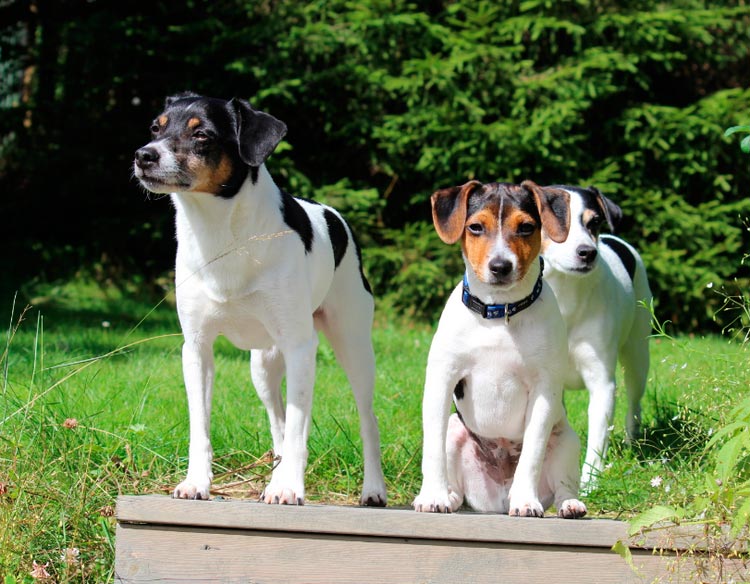
The Danish Swedish Farmdog (Danish-Swedish Gardhund) is a small, versatile working dog breed. They were long common among farmers in Sweden and Denmark. They were used as guard dogs, vermin hunters, and companions. They are alert, agile, and very attentive. They are easy to train and eager to please, making them well-suited for various canine sports.
Content
History of origin
Little is known about the origins of the Gardhund. Cynologists agree that the ancestors of these small dogs were Pinschers and British White Hunting Terriers, from which the Jack Russell and fox terrierOthers say their history dates back to the Viking Age. It is certain that by the early 19th century, Gardhunds were already widespread among farmers in Denmark and Sweden.
Until the second half of the 20th century, farm dogs received little attention. Changes in farming practices, crossbreeding, and other factors led to a sharp decline in the Garhund population. In 1985, the Danish and Swedish Kennel Clubs established a partnership to preserve these small dogs. The breed was recognized in Sweden and Denmark in 1987 under the name Danish-Swedish Farmdog. It was finally recognized by the Fédération Cynologique Internationale in April 2019 and classified in Group 2 (Pinschers and Schnauzers) without working trials.
Some sources refer to the breed as "Gardhund." The explanation is simple. Countries affiliated with the FCI know the breed as the Danish-Swedish Farmdog. However, in Danish and Swedish, the name is Danish-Swedish Gardhund.
Purpose
Just a few decades ago, the Danish-Swedish Farmdog was a common sight on farms in Denmark and southern Sweden. The breed served many different purposes: protecting houses and barns from rodents, chasing foxes away from the chicken coop, vigilantly guarding the territory and alerting to any changes with a loud bark, and being a loyal companion to its owner and playmate for its children.
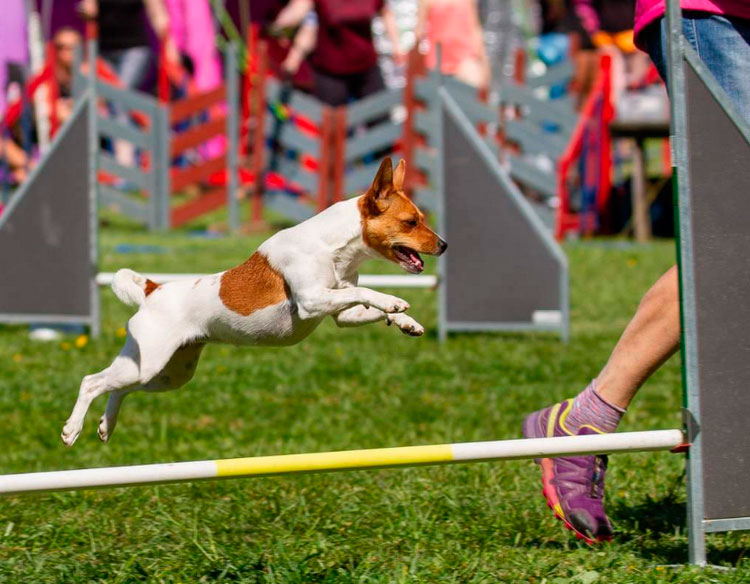
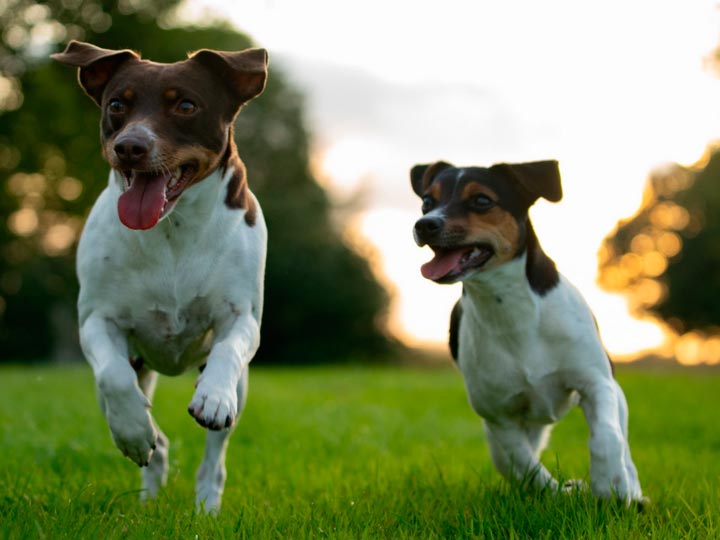
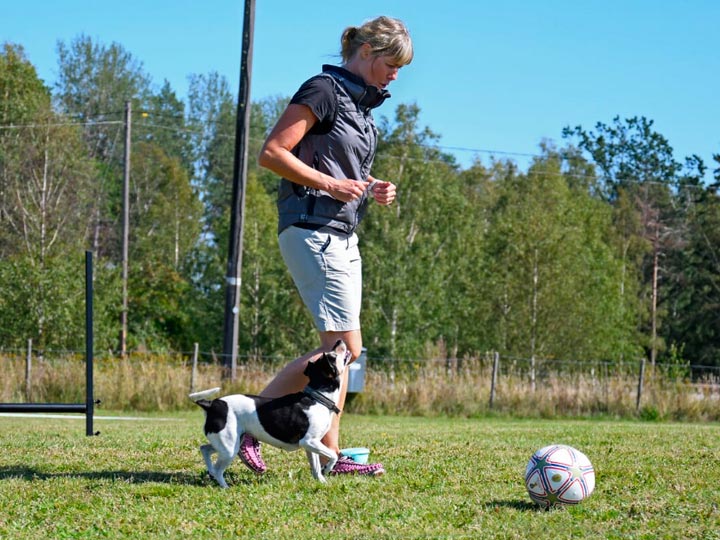
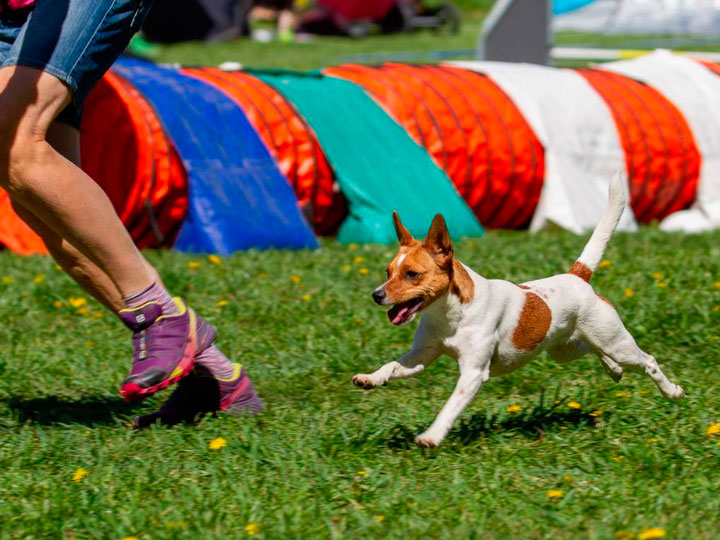
Gardhunds are virtually universal in their use and easily adapt to a variety of owner lifestyles. Today, they are primarily family dogs and companions, able to excel at shows and in various canine sports, such as agility, freestyle, and Frisbee. obedience, search and rescue work. In Sweden, these dogs are also used for hunting small game and wild boar, and in Norway, one Gardhund officially works for the search and rescue service.
Appearance
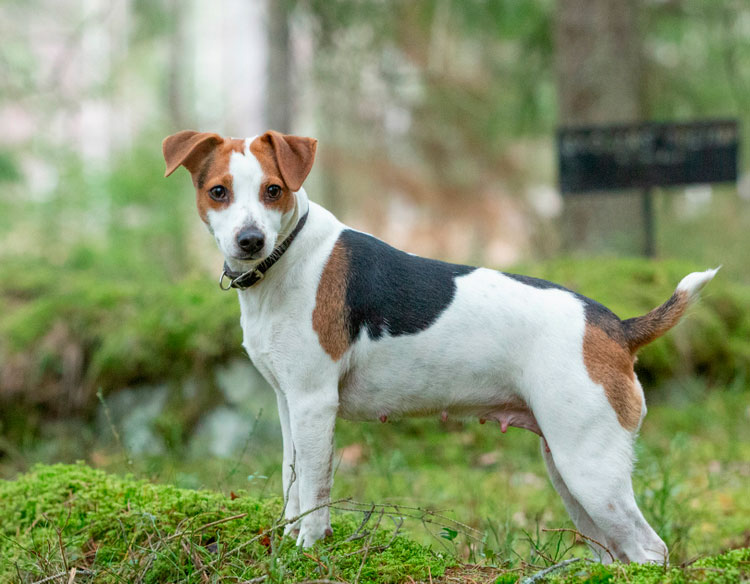
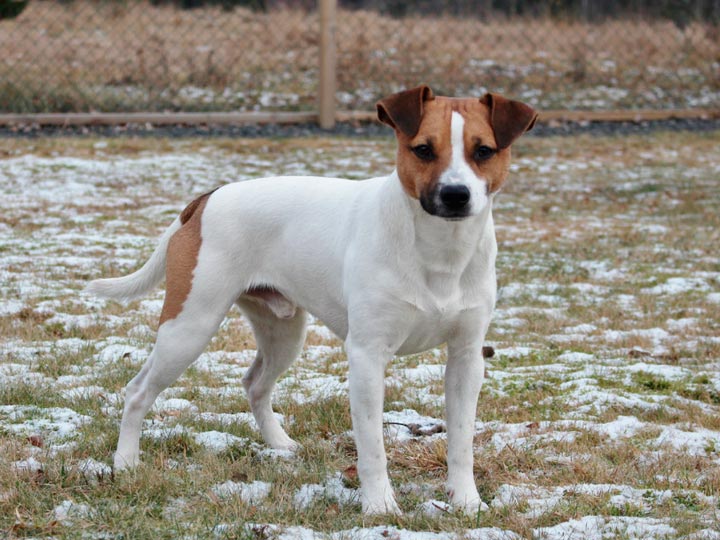
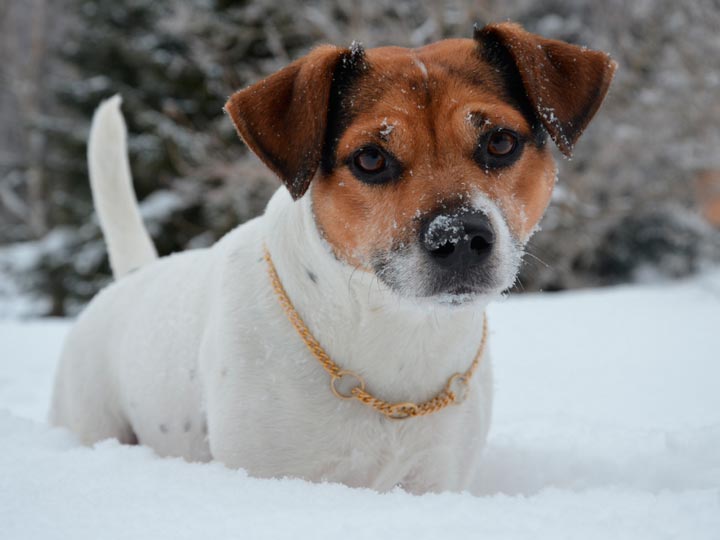
The Danish Swedish Gardhund is a small, compact dog with a slightly elongated body and well-developed muscles. It gives the impression of being agile, energetic, and strong, with an alert, intelligent expression. Sexual dimorphism is pronounced:
- height of males - 34-37 cm; females - 32-35 cm;
- The weight of males is 12-14 kg; the weight of females is 5-7 kg.
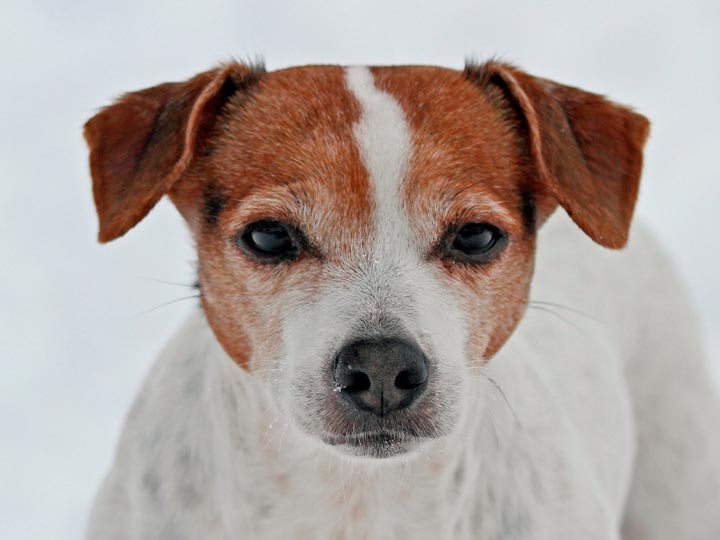
The head is relatively small and triangular in shape. The skull is rounded and fairly broad. The stop is pronounced. The muzzle is well developed, gradually tapering toward the nose, but not pointed. The bridge of the nose is straight. The eyes are medium-sized, rounded, deep-set, and dark brown. The ears are set on the top line of the skull, either pulled back or hanging on cartilage. The neck is of medium length and slightly arched.
Representatives of the breed mature late, at 2-3 years, which is not typical for small dogs.
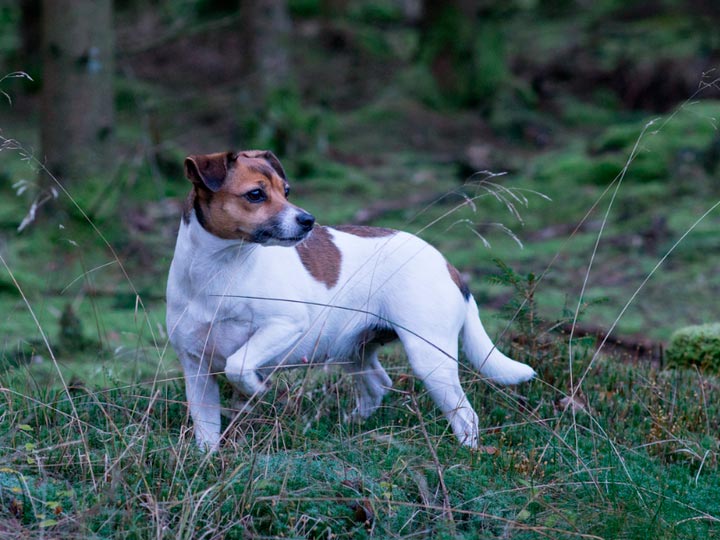
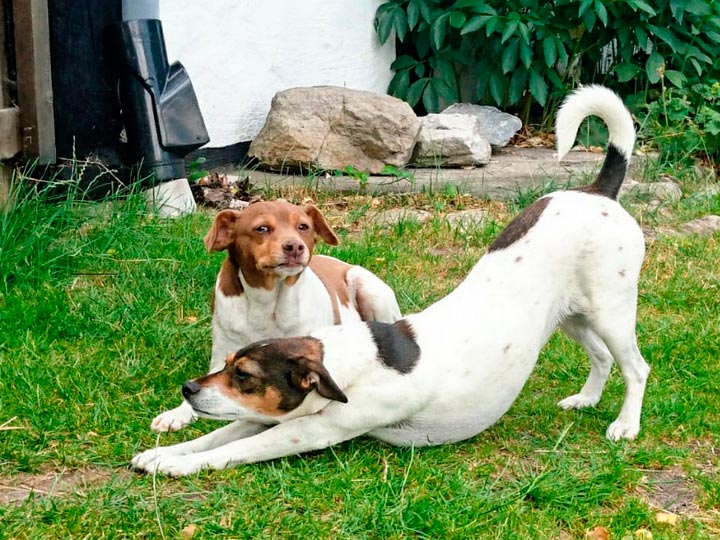
The body is compact, slightly elongated, and powerful. The loin is broad, short, and slightly arched. The croup is rounded. The chest is deep, long, and spacious. The forechest is well defined. The underline is slightly tucked up. The tail is not set too high, and may be long or naturally short, carried straight or slightly curved. The forelegs are parallel and straight. The hind legs have well-developed thighs, set parallel, and the feet are small, oval, and not too tight.
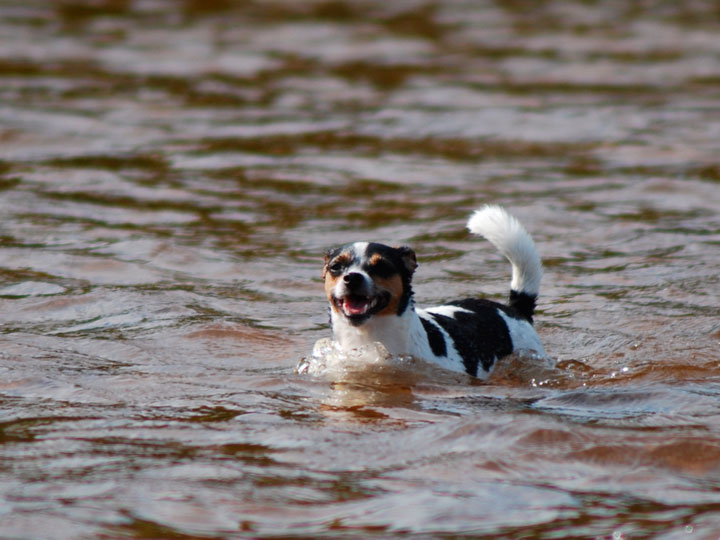
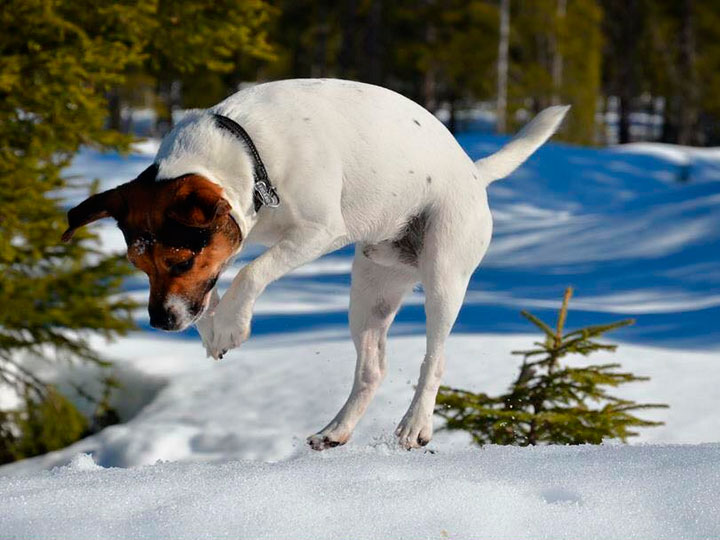
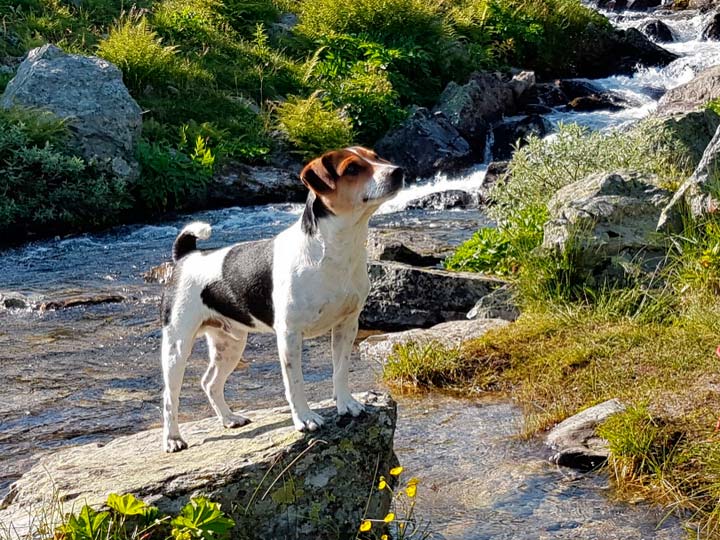
The coat is smooth, short, and lies close to the body. The dominant color is white, with scattered spots of various colors, sizes, and combinations (tan, brown, fawn, and black). Speckling and tan markings above the eyes are permitted.
Character and behavior
The Danish Swedish Farmdog has a balanced temperament. It is alert, courageous, and intelligent. It is loving and devoted among its family. It thrives on warmth and closeness. Despite its size, it is a true leader, steadfast and courageous. From an early age, it requires comprehensive socialization and calm training based on positive reinforcement. In experienced hands, it is highly trainable. Gardhunds are vigilant guard dogs. Their attitude toward strangers is calm and wary, without overt fear or aggression.
A Danish Swedish Gardhund should not be owned by people who plan to leave the dog alone for more than 4-5 hours a day.
The Danish-Swedish Farmdog dislikes being left alone for long periods of time. Its character depends largely on opportunities to work and socialize. In everyday life, the Gardhund is very active, requiring regular physical and mental stimulation. It adapts easily to new environments. It can make a reliable family dog or a companion for a single person. It gets along well with children and is often willing to support their various endeavors. It is quite patient and calm.
They get along well with other dogs and cats, livestock, and poultry. Some dogs retain a high degree of hunting instinct, so they tend to chase and kill small animals, such as mice, rats, moles, and the like.
Content Features
The Danish Swedish Farmdog is not well suited to apartment life. It requires space and physical and mental stimulation. Ideally, it lives in a private home with an owner who is rarely away for long periods and needs a loyal companion. Keeping it chained or confined to a kennel is strictly contraindicated. It requires good physical and mental stimulation. With proper training, it can even become a jogging companion.
Care
The short, smooth coat requires little grooming. Occasional brushing is sufficient, and more frequently during shedding season. Bathing is recommended as needed. The nails should be trimmed regularly if they are not worn down sufficiently.
Health and life expectancy
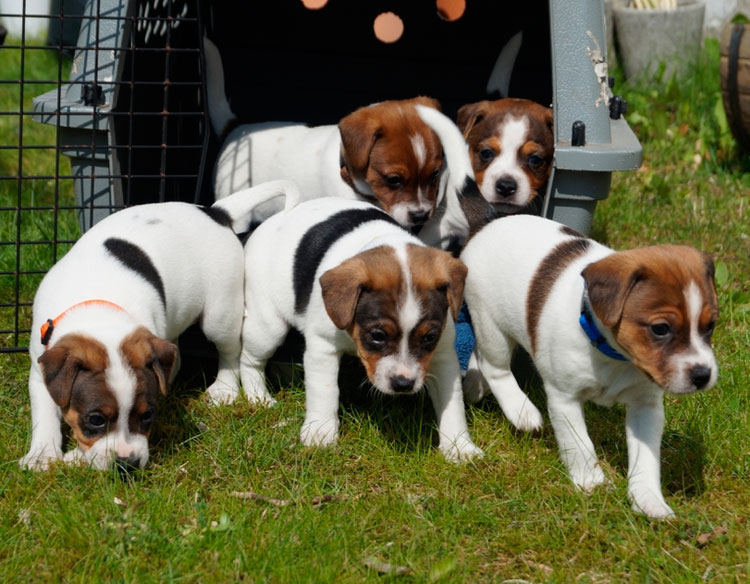
The Danish Swedish Farmdog is small but very robust and generally healthy. Its life expectancy is 13-15 years. Only a few cases of certain hereditary diseases have been reported:
- hip dysplasia;
- allergies;
- Perthes disease;
- cataract.
Where to buy a puppy
Those looking to buy a puppy should consider importing from Scandinavia. Outside of this region, the breed is not widespread. It is found primarily as isolated specimens in many European countries. A few dogs have been imported to the United States and Canada. The websites of the Swedish and Danish breed clubs offer contact information for over 20 breeders and kennels, information on upcoming matings, and information on purchasing and shipping.
Price
The average price of a Danish Swedish Farmdog puppy in Europe is 800 euros.
Photos and videos
More photos of Danish Swedish Farmdogs can be found in this collection.
Video about the Danish Swedish Farmdog breed
Read also:


Add a comment