
Cystitis in cats: symptoms, causes, and how to help your pet
Cystitis in cats is much more common than you might think. Sometimes it develops rapidly, while other times it only gives subtle signs: the cat starts using the litter box more often, sits for long periods, but barely passes anything. Owners often attribute this to stress or tantrums, but cystitis is always a sign of inflammation in the genitourinary system that requires attention. The sooner the problem is identified, the easier and safer it is to help your pet.
Cystitis is an inflammation of the bladder lining. This causes painful urination, and the bladder itself reacts to any irritation. It's important to remember that cystitis rarely occurs out of nowhere: there's almost always an underlying cause that needs to be addressed, otherwise the discomfort will return.
Content
The main symptoms that should alert you
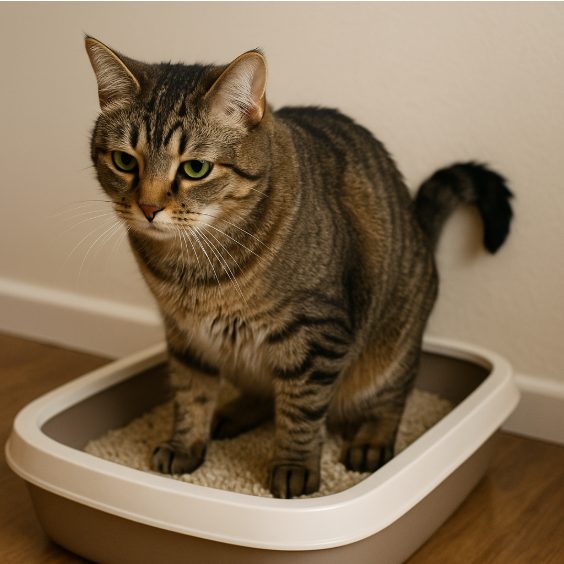
The first and most noticeable sign is a change in toilet habits. The cat begins using the litter box frequently, sits longer than usual, strains, and may even meow pitifully. Sometimes urine leaks out literally dribble by dribble. This occurs because the inflamed mucous membrane becomes sensitive, and even a small amount of urine causes pain.
The appearance of urine may also change. It becomes cloudy and may develop an unpleasant odor. Sometimes, pinkish traces may be visible in the litter box—this is blood, a typical symptom of cystitis. Some animals experience a general change in their condition: the cat becomes more irritable, hides, plays less, and eats less. This is due not only to pain but also to the general inflammatory process in the body.
A warning sign is if your cat strains but produces little or no urine. This could indicate a urinary tract obstruction, especially in male cats. This condition requires immediate attention, as it can be life-threatening.
Why does cystitis develop?
Cystitis can have various causes, and understanding the underlying cause determines the correct treatment. Inflammation often occurs due to a bacterial infection. Microbes enter the bladder and begin to actively multiply, irritating the lining. However, cats can also develop sterile cystitis, meaning it doesn't involve bacteria. In this case, it's caused by other factors.
One of the reasons is stress. Even small changes can be a major shock for a cat: a move, visitors, renovations, new furniture, or changing the litter box. Stress affects hormone levels and immunity, and the bladder becomes vulnerable.
Another factor is lack of water. When a cat drinks little, the urine becomes concentrated, irritating the bladder lining and creating conditions for inflammation. This is why it's important to monitor the cat's drinking regimen. Cystitis is sometimes associated with stones and sand in the bladder. These scratch the lining, causing inflammation and pain.
Cystitis can also be associated with underlying medical conditions, such as diabetes, obesity, or chronic kidney disease. Bladder inflammation is more common in older animals.
How is the diagnosis carried out?
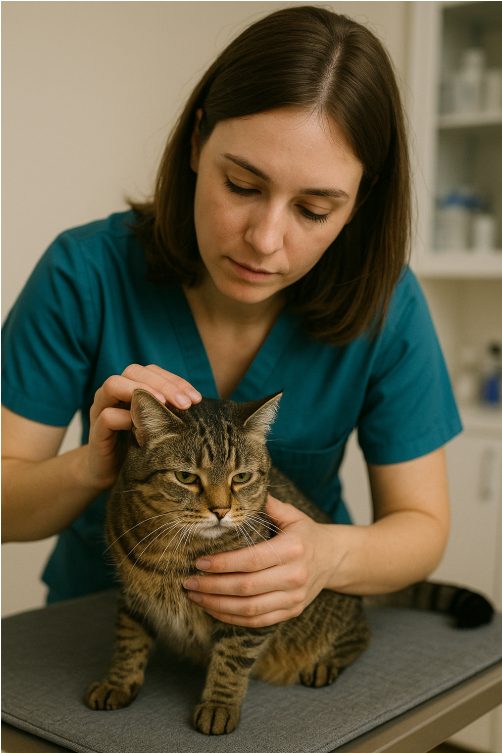
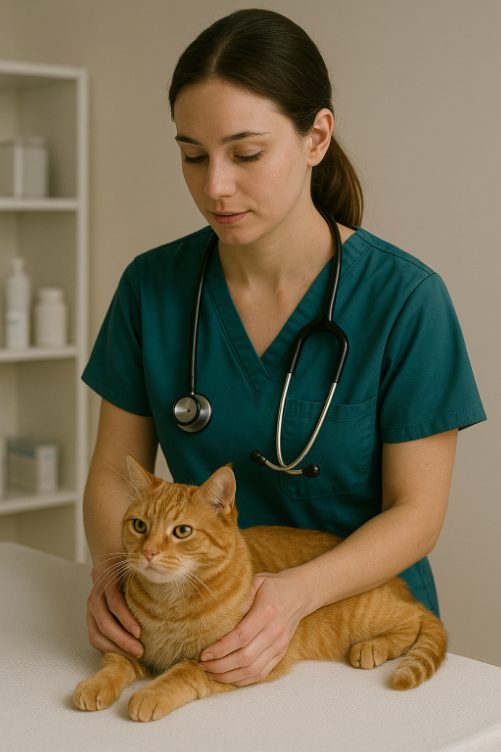
To accurately determine the type of cystitis your pet is experiencing, the veterinarian begins with an examination and a collection of complaints. It's important to describe any behavioral changes: how often the animal urinates, whether there's blood, and how long ago the symptoms began. A urine test is then performed. This reveals the presence of inflammation, bacteria, blood, crystals, or signs of related disorders.
If necessary, your veterinarian may order an ultrasound. This helps visualize the bladder and rule out stones, sand, tumors, and other possible causes of symptoms. Sometimes, a urine culture is required to determine the appropriate antibiotic if the inflammation is indeed bacterial.
It's impossible to make a diagnosis based on external symptoms. Cystitis shares many symptoms with other illnesses, and it's easy to make a mistake without an examination.
Treatment and how to help your pet
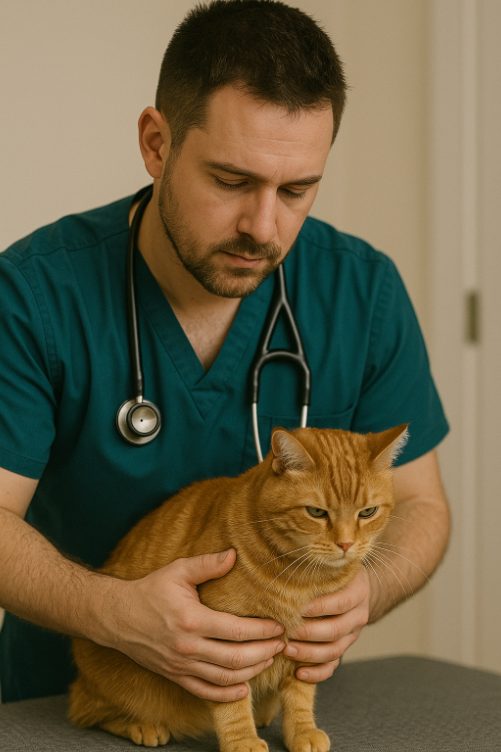
Treatment depends on the cause of the inflammation. If a bacterial infection is diagnosed, the veterinarian will prescribe a course of antibiotics. It's important to take them strictly as prescribed and not stop prematurely, even if the cat feels better. If the cystitis is sterile, anti-inflammatory medications, pain relievers, and bladder relaxants are prescribed.
An essential part of treatment is increasing the cat's fluid intake. The more the cat drinks, the faster the bladder clears. Sometimes, the veterinarian may need to adjust the diet. There are special foods that reduce the risk of crystal formation and support urinary tract health.
If stress is the cause, it's important to reduce irritants. A calm environment, secluded resting places, and avoiding sudden changes all help your pet recover. Sometimes, your veterinarian will recommend calming agents or pheromones.
If the animal is in severe pain, painkillers are prescribed. It's important not to give your cat human medications. Many of them are dangerous for animals and can cause serious complications.
Can cystitis be prevented?
It's impossible to completely eliminate the risk, but it's possible to reduce the risk of illness. Maintain your cat's drinking regimen: offer several bowls of water and use water fountains. Keep the litter box clean, as dirty litter can cause your pet to hold the toilet longer than usual, which can be harmful to the urinary tract.
If your cat is prone to stress, minimize sudden changes in their environment and provide them with a quiet space. Maintain a healthy weight and avoid overfeeding. Schedule regular checkups, especially if they have had previous episodes of cystitis.
Cystitis is an unpleasant condition, but with timely treatment, it's highly treatable. The key is to seek veterinary care promptly, rather than waiting until your cat becomes in pain. This can quickly restore your pet's comfort and prevent further flare-ups.


Add a comment