
Do cats and dogs taste sweet?
Biologists are studying the physiology of animal taste. They have studied the structure of taste receptors, their location and number, and the pathways that transmit signals to the brain. They have determined how taste perception is formed in various mammalian species, including whether dogs and cats can detect sweetness.
What is taste?
The taste sensory system is a type of chemoreception that allows us to analyze the chemical composition of substances ingested during meals. Information about the substance entering the oral cavity is "read" by receptors located in the papillae of the tongue. From these biological "mini-sensors," a signal is transmitted via nerve fibers to the cerebral cortex.
There are several known taste sensations: sweet, salty, sour, bitter, and the recently discovered protein (umami). Each type of taste receptor responds only to a specific taste, and if a particular "sensor" is missing, no taste sensation will occur. Humans have about 9,000 chemoreceptors on their tongues, while most animals have far fewer: canines have about 1,700, and cats about 500.
Cats and dogs have several types of taste buds, each differing in shape: fungiform ones are located around the perimeter of the tongue, foliate ones are located along its edges, and circumvallate ones are located at the root of the tongue. It is believed that animals detect bitter tastes using circumvallate ones, while foliate and fungiform ones detect other tastes. Both dogs and cats have more "bitter" taste buds than other taste buds, but this is understandable: almost all poisons have a bitter taste, and the ability to discern danger is essential for survival.
What tastes do cats distinguish?
Judging by the number of receptors, cats' taste palette isn't very broad, but they're excellent at navigating food because their sense of smell is much more developed than humans'. Of the five known tastes, cats can distinguish only four: sour, salty, bitter, and umami. Cats are very sensitive to the last two.
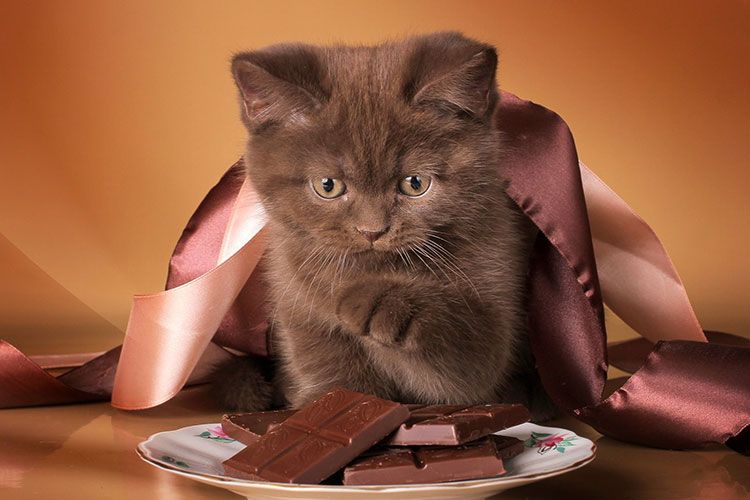
Cats have a keen sense of bitterness thanks to a large number of receptors responsible for it, and intuitively avoid foods with a bitter taste. They are indifferent to salty foods, but they enjoy sour ones: many cats enjoy sauerkraut or cucumbers. The "umami" taste of protein foods is also quite appealing to cats. Knowing this, some manufacturers use phosphoric and glutamic acids as flavor additives for cat food.
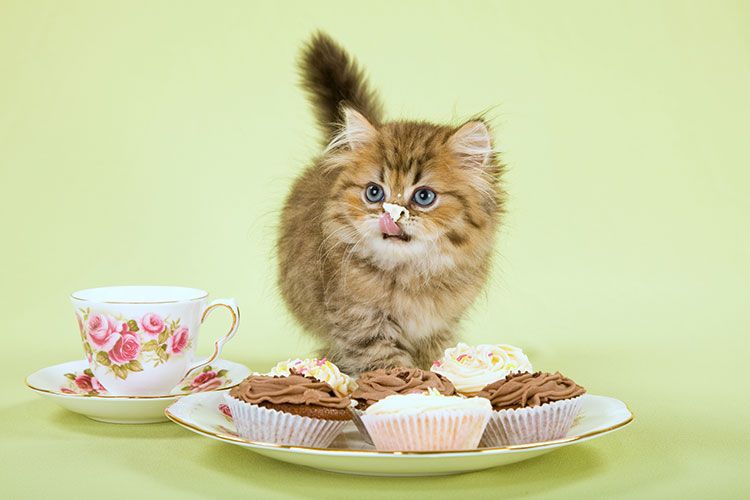
Cats don't understand the sweet taste; they don't feel it. The reason for this is purely physiological: the gene responsible for recognizing sweetness is inactive in these animals, and they lack receptors for this taste. This fact has been proven by scientists at the Philadelphia Chemical Senses Center (USA). And if your pet enjoys eating ice cream or condensed milk, it's not the sugar that attracts them, but the sweeteners they contain. treats fat or carbohydrates.
Artificial sweeteners (sodium cyclamate, aspartame, saccharin) are perceived by cats as bitter and cause disgust.
What tastes do dogs distinguish?
Dogs, just like humans, distinguish between bitter, sour, salty, and sweet tastes. Therefore, unlike cats, dogs are able to appreciate a treat like a cookie or a slice of watermelon quite expertly. Moreover, studies have shown that canines have receptors on the tip of their tongues specifically designed to assess water quality.
Pet lovers are often surprised that cats are very picky eaters, while dogs, on the contrary, are willing to swallow completely inedible items found on the road or in the trash. Logically, dogs should be better taste buds: they have three times more chemoreceptors than cats.

The phenomenon of canine "omnivory" stems from a highly developed sense of smell. Dogs have approximately 125 million sensory glands in their noses, while humans have no more than 10 million. Therefore, dogs select what they consider "tasty" food by smell, and since canines are scavengers, they readily consume foul-smelling refuse.
Cynologists believe that dogs' food preferences are often formed during fetal development (this is called the "canine equivalent of comfort food"): what the mother eats during pregnancy is what the puppy will find tasty when it is born.
Read also:


Add a comment