
Distemper in dogs
Canine distemper (or, scientifically, canine distemper) is a very dangerous disease, especially for puppies. What dog owner doesn't know about it? It affects not only dogs but also other carnivores (foxes, wolves, ferrets, sables, and others). A similar disease, panleukopenia, has been reported in cats. It's essentially the same as canine distemper, but the virus is specific to cats. Today, we'll tell you about the first signs of canine distemper, the main symptoms, and what to do and how to treat your pet at home.
Content
The causative agent of the disease
Canine distemper in dogs It is caused by a virus from the paramyxovirus family (containing RNA). This pathogen is extremely similar in structure and characteristics to the virus that causes measles in humans. It is also similar to the plague pathogen in cattle (and, of course, small cattle). Therefore, it is very important to take precautions when interacting with sick or even recovered animals.
The pathogen is extremely resilient. It dies instantly except in boiling water, so be sure to disinfect your sick pet's care items (bowls, toys) in this manner. Even after complete recovery (when clinical signs of distemper appear in dogs), the virus, capable of causing the disease, remains in the blood. Therefore, the animal can infect other pets. Even nasal discharge contains the dangerous microorganism. However, urine and feces pose a greater danger.
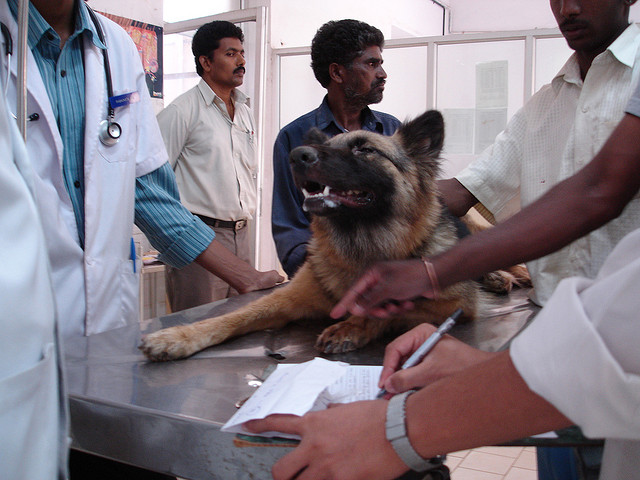
How does a dog become infected with distemper?
How is distemper transmitted in dogs, and can it be spread from dog to dog? There are two main routes:
- Through the respiratory tract;
- Through the digestive tract (with food or water containing the virus).
Pets can become infected through direct contact with an animal (either sick or recovered 2-3 months ago) or indirectly. This means that a dog only needs to sniff or lick an object contaminated with the pathogen. It can remain in the environment for a long time. Therefore, even if a sick four-legged pet left traces (defecated, marked bushes, drooled, or released nasal discharge) in the area where you walk your friend just a few days ago, the risk of infection is high.
Shepherds (German, Eastern European, and South Russian) and their crossbreeds, Siberian Huskies, Pekingese, Moscow Watchdogs, and hunting and toy breeds are most often (and more severely) affected. Mongrels (due to their mothers frequently contracting the disease and passing on antibodies through their milk) and terriers are more resistant.
Types of distemper in dogs
How does distemper manifest itself in adult and young dogs? In fact, the symptoms and types of this disease vary widely. This is because the disease has several forms: intestinal, nervous, pulmonary, cutaneous, and mixed. The incubation period for distemper in dogs is quite long—about 40 days. Therefore, it is not always possible to determine the exact moment when a pet came into contact with the source of infection.
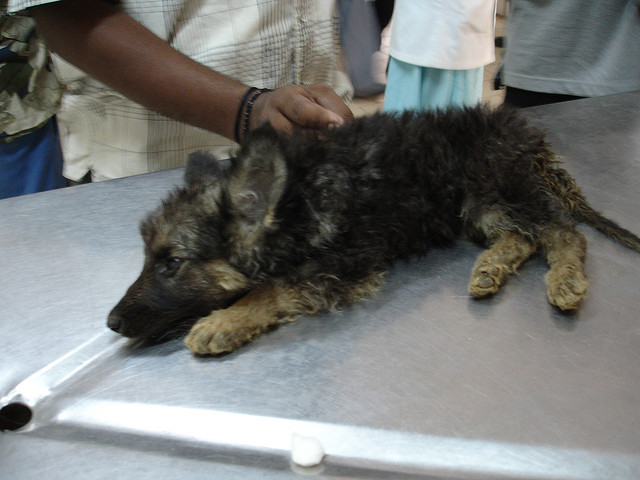
In addition to this large number of forms, it's also worth noting that there are three distinct courses: acute, subacute, and chronic. Hyperacute forms are rare.
| Ultra-acute flow | The disease progresses rapidly—the dog dies within the first two to three days. Its temperature rises to 41 degrees Celsius. The mucous membranes of the eyes, nose, and intestines become inflamed. Purulent discharges are also observed. conjunctivitis and rhinitis, lethargy, refusal to eat, then coma and death. |
| Acute course | The first symptom is a fever (usually between 39.7 and 41 degrees Celsius, but can be lower or higher). After two days, it drops slightly (but still far from normal) and remains at this level for the duration of the illness. Further symptoms depend on the type of illness. |
| Subacute course | The temperature also rises significantly for only a day or two, then the fever, though persistent, is not as severe. The pet becomes lethargic, depressed, and loses appetite. The animal becomes very timid, may be sensitive to light, and the nose becomes dry. Pus then appears in the nose, making it difficult to breathe. Therefore, sneezing and snorting may also be added to the symptoms. The illness can last 2-4 weeks. However, if the dog has a strong immune system, recovery may occur in less than a week. However, don't rely on immunity; it is necessary to treat the dog for distemper with specific medications. |
| Chronic course | Canine distemper, the symptoms of which are similar to other diseases when chronic, lasts from several weeks to several months, sometimes even years. It seriously affects all internal organs, causing the dog to suffer greatly. |
There are several forms of distemper in dogs, let's look at each of them in detail:
Pulmonary form
It all starts with pus in the nasal passages. These "plugs" interfere with breathing, causing the respiratory rate to increase. Since it's a pulmonary form, the lungs are primarily affected. They become inflamed.pneumonia), swelling. Wheezing is heard upon auscultation. Due to pneumonia, body temperature rises sharply again. Sneezing and coughing (at first dry, then wet and lingering) are also registered. The pet shivers, is very weak, and then convulsions develop.
Although the disease is pneumonic, canine distemper is characterized by eye damage: conjunctivitis (purulent), keratitis, corneal ulceration, and inflammation of the iris, which can then spread to the anterior chamber of the eye.
Intestinal form
Although the form is intestinal, pharyngitis/tonsillitis (sore throat) is registered. Increased mucus production begins, causing the sick dog to vomit. Vomiting is initially mucous and light yellow. Then blood appears. But don't forget about diarrhea, which initially contains food particles, then mucus and blood appear. The odor is foul, often putrid.
Cutaneous form
Distemper in dogs manifests itself as follows: red spots appear on the skin (primarily on the thighs, ears, mouth and nose, and abdomen), with purulent or serous (but yellow) exudate forming in the center. The blisters burst, and brown crusts develop on top. A thickened, keratinized skin formation called hyperkeratosis develops around the joints.
Nervous form
Distemper of the nervous system in dogs is characterized as follows. A dog with distemper is highly agitated, perhaps even slightly aggressive. Convulsions are observed. The facial muscles contract involuntarily, giving the appearance of a tic. Similar twitching is noted in the abdominal muscles and legs. Symptoms may also include impaired motor coordination.
Excitement gives way to apathy. Paralysis is recorded. You've probably seen dogs dragging their hind legs or jumping on all three. Yes, it's the hind legs that are most often paralyzed, as well as the sphincters of the bladder and rectum, so the animal loses control of urination or defecation.
Mixed form
As the name suggests, the symptoms of canine distemper can be quite varied. This means the intestines, lungs, and nervous system can all be affected simultaneously.
Symptoms of distemper in dogs
How can you identify distemper in dogs? Don't try to do it yourself; trust the experts. There are 5 main symptoms of canine distemper in dogs:
- Photophobia (one of the very first signs of distemper in dogs);
- Cough;
- A two-fold increase in temperature (an increase, then after a couple of days a normalization or a slightly higher temperature, and then again a fever of up to 39 degrees and above) against the background of loss of appetite;
- Or normal against the background of increased, even excessive appetite;
- Nervous system damage
If you notice at least two of these signs in your dog, you can suspect canine distemper. If there are three symptoms, the diagnosis is usually considered confirmed. However, it's still best to confirm the diagnosis with laboratory testing (biological testing and various reactions). Blood tests are rarely performed.
It is important not to confuse it with other diseases that are characterized by similar clinical signs: rabies, leptospirosis, infectious hepatitis, parvovirus enteritis, Aujeszky's disease, piroplasmosis, salmonellosis and some other parasitic diseases.
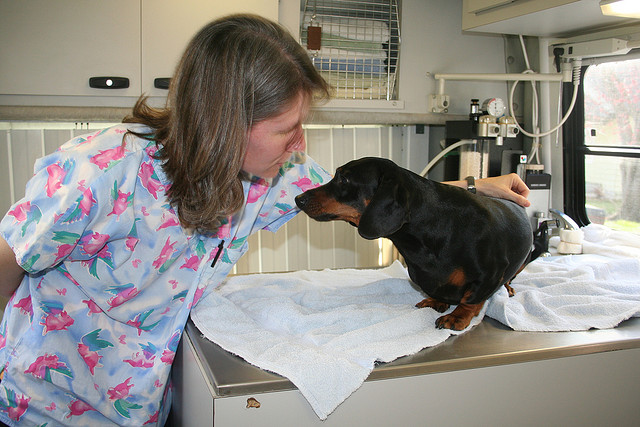
Treatment of distemper in dogs
If a veterinarian has diagnosed your dog with distemper, treatment must begin as soon as possible. First, administer a specific serum containing ready-made antibodies to the pathogen. This will help your pet recover faster. The immune system will begin to "copy" the antibodies once it "realizes" they are effective. Read on to learn how to treat distemper in dogs at home.
Immunomodulators
In addition to the serum, the veterinarian will prescribe immunomodulators and stimulants to not only restore the sick animal's immune system but also restore its normal function and begin producing antibodies again. Don't be afraid of antibiotics. While they're ineffective against viruses, they do prevent secondary infections from taking hold.
Each of us and our pets carry microorganisms (bacteria) that are dormant, meaning they don't cause disease, as long as the immune system is strong. But as soon as it weakens, a bacterial illness develops. And we wonder where they came from if we haven't come into contact with anyone? This is why antibiotics are necessary, to prevent the immune system from being distracted from viruses by bacteria.
Vitamins
Vitamins help support the immune system. If there has been vomiting and diarrhea, rehydrating solutions are essential. These can be purchased at any pharmacy. They come in a variety of brands, including Regidron and others. Don't give the entire solution at once. Give a little at a time, literally a tablespoon, every 5-10 minutes. If you force the entire solution into your dog, he'll vomit. If you give it in small amounts, the animal won't react, but you won't let your whiskered friend die from it.
No old-fashioned methods with vodka! No experimental folk remedies! The disease develops instantly, and any delay or lack of proper treatment will result in the death of the sick dog (only one or two out of 10 patients survive, and that's because of their strong immune system).
Prevention of canine distemper
Preventing distemper in dogs is simple: vaccination. As soon as a puppy is weaned, deworm it immediately, and then vaccinate it about two weeks later. The distemper vaccination is usually given at two months of age, and then a repeat dose is required two weeks later (this is necessary to build immunity). Be sure to record it in your pet's passport. Refresh your vaccinations annually to prevent your pet from getting sick. Here's a detailed explanation of all the steps. vaccinations for puppies up to one year old.
Can a vaccinated dog get distemper? Of course! A vaccine doesn't guarantee protection against the disease, but rather trains and "prepares" the animal's immune system so it can more effectively resist the disease. As a rule, a vaccinated dog has a much milder reaction to distemper.
Avoid contact with stray animals. Limit contact with suspicious animals. If a friend or neighbor's dog has distemper, avoid walking with them for several months. Remember that a recovered dog can infect other animals for up to 3 months. Choose your walking location carefully. Don't allow your dog to sniff or lick feces, eat grass, or drink from puddles (all of these can be sources of infection).
Any questions? You can ask our website's staff veterinarian in the comments below, who will answer them as quickly as possible.
Read also:


89 comments
Olesya
Please advise, my mongrel dog is about a year old. A week ago, he refused his usual food. For one day, he ate nothing at all, only drank, and on the second day, he ate liver sausage. Then, for a few days, he ate normally, but today he refused food again, eating a small amount of porridge only from my hand. He's active, going to the bathroom regularly, both peeing and pooping. Today, I saw him vomit foam once. What could this be? I can't go to the hospital for the next few days.
Daria is a veterinarian
Hello! This could be a one-time episode of regurgitation (not to be confused with vomiting), or a symptom of a gastrointestinal disorder (like gastritis), or it could simply be a reaction to something eaten. How are your pet's vaccinations and deworming treatments up to date? What is their primary diet? What's their temperature? Has they been in contact with other animals? Unless there's severe vomiting and a change in bowel movement frequency or stool quality, there's no need to panic immediately, thinking they have an infection or poisoning. In general, you should monitor your pet closely. If vomiting recurs or other symptoms appear, then rush to the vet. If nothing else happens, then get rid of parasites and fleas (absolutely essential; these little buggers also carry parasites and can cause a loss of appetite, as the animal's only thought is to scratch).
Nina
Hello, my 1.5 month old puppy has distemper. We took him to the vet, where they gave him an IV and antibiotics. He won't eat or drink. He can only be given with a syringe. What should I do?
Daria is a veterinarian
Hello! We're continuing to treat your pet, administering a specific serum containing ready-made antibodies to viruses to help speed up the recovery. We're using antibiotics to suppress bacterial re-infections to prevent further dehydration. We're also administering IV fluids to prevent dehydration due to persistent vomiting and diarrhea. If vomiting occurs, force-feeding is not recommended, as this will only trigger a new episode. We're also not giving large amounts of water; instead, give small, frequent sips of water.
Irina
Hello! I have a medical background for people. My neighbors asked me for help. Their dog is a mixed-breed. The dog's illnesses match atypical distemper (shaking, active movements, incipient paralysis, one hind leg is functional). She has been vaccinated, and with antibiotics and vitamins there was significant improvement, then paralysis occurred. There are no skin or catarrhal manifestations. The veterinarian and neurologist have not diagnosed distemper. Treatment is cerebral. According to the anamnesis, she was brought from a country house, and initially vomited someone else's food. The veterinarians have not diagnosed distemper. They have diagnosed nervous palsy or stroke. How can I help? What is your diagnosis? How can I avoid euthanasia? Please respond.
Olga
Hello. We dewormed our husky puppies with Alben. An hour later, we noticed something wrong with one of them. He walks unsteadily, seems to have lost his sight, and has no appetite, but seems hungry and afraid to approach his bowl. He whines. He feels calm in my arms.
Daria is a veterinarian
Hello! It's possible there's an individual intolerance to the active ingredients of the anthelmintic, or an overdose. You should immediately give plenty of water and activated charcoal to minimize the concentration of the drug in the body. In the future, use a different anthelmintic for this puppy that doesn't contain albendazene or its analogs.
Olga
Hello, could you please tell me my dog has distemper and unfortunately the diagnosis was late? How long should I wait before getting a vaccinated dog to rule out future infections? My dog's mom is very worried, and we'd like to please her and get her a new dog.
Daria is a veterinarian
Hello! Well, to be honest, you need to do a thorough disinfection at home first. Veterinary pharmacies have a wide range of specialized disinfectants. After disinfection, you should wait at least three months, but six months is better. It's essential to get a puppy that's already fully vaccinated (at least two weeks should pass after the second vaccination; immunity develops only after 14 days).
Elena
Hello. My dog is a 1.5-year-old dachshund. We've been undergoing treatment for a week. Initially, she became lethargic and started going to her cage, although she usually sleeps with me. She stopped eating Acana dry food. I thought the white of one eye was red. And one side of her muzzle seemed slightly swollen. I thought it was a tooth, they examined her under sedation, and everything was fine. Then I thought she might have been running around the apartment and bruised herself. The traumatologist said everything was fine. There was some swallowing at the veterinary clinic. They suggested Quamatel and gave her an injection of metacapromide. By evening, she began vomiting undigested food, then pink vomit and diarrhea with a metallic odor. We went to the clinic that night. Piroplasmosis and enteritis were ruled out. They prescribed tylosin, metronidazole, omez, Venter, and Gastroinsental wet food. She only has an appetite for wet food. Today she's feeling unwell again, not diarrhea, but loose. Outside, she was spitting up a bit, yellow and foamy. She went back into her cage. The ultrasound showed all her organs were normal, but they couldn't look at her stomach; she had a lot of gas. I don't know what to do anymore. Maybe we need to change clinics. She wasn't tested for distemper. She's been vaccinated. She's been dewormed regularly. She's had no fever all day. She's had problems for a week now. Maybe I should stop all her medications and see how she's doing. I've noticed a deterioration after giving her Tylosin 0.9 (she weighs 8.6 kg) and after feeding her Monge Gastroinsental wet food. I gave her Hill's Gastro yesterday.
Daria is a veterinarian
Hello! Well, you're jumping from one food manufacturer to another, changing them quite abruptly. If your dog eats wet food, feed it until it fully recovers (especially since your pet has been vomiting and having diarrhea). IVs are necessary in any case to restore strength. Isotonic sodium chloride solution or Ringer's-Locke's (there's a substitute in human pharmacies – Ringer's Lactate) can be used; you can at least give it a subcutaneous injection at home to restore fluid and electrolyte balance. Metoclopramide is an antiemetic. It's possible your dog ate something outside and was poisoned (frequent swallowing indicates nausea and impending vomiting).
Daria is a veterinarian
Antitox/Averon and other similar medications should have been administered immediately to relieve intoxication, along with cardiac support medications (Tonokard is a good choice; it's used for shock and even heavy metal poisoning), and a mineral and vitamin complex to restore strength (especially since the dog was starving; there are medications that can be administered intravenously). Did you do a blood test (complete blood count and biochemistry)? I thought the diagnostics were extensive, but I simply didn't see any lab work. Did you rule out inflammatory processes?
Elizabeth
Hello! My puppy has been very lethargic a couple of days ago, hasn't eaten anything (for four days now), and only drinks water. She's lost a lot of weight, and today she had pink diarrhea. Her nose is sometimes dry, sometimes wet, but there's no discharge. She vomits occasionally. Is this distemper?
Daria is a veterinarian
Hello! Your pet has bloody diarrhea, and you still haven't taken it to the vet? Does it matter whether it's distemper or not? Your pet urgently needs FULL-TIME veterinary attention. It could be poisoning or an infection. In any case, IVs, hemostatic medications, and symptomatic and supportive therapy (depending on which organs have already been affected) are necessary. If it's distemper, you'll need a specific serum containing ready-made antibodies to the pathogen. Don't poke the nose; take the temperature with a thermometer.
Elena
Hello, my puppy has started shaking and has lost coordination. He can't stand up. However, if you hold him well, he eats and drinks only moderately. He's in some kind of convulsions all the time. Is it possible to help him at home? There's no veterinary care where I live and there's no hospital.
Daria is a veterinarian
Hello! It's impossible to help your pet at home WITHOUT A DIAGNOSIS. It's essential to find the cause of these clinical signs and eliminate it. It could be an infection, toxins affecting the brain and nervous system, inflammation, trauma, or a hereditary condition. Administering anticonvulsants without knowing the specific condition is extremely dangerous!
Novel
Hello, my stray puppy is sick.
He's trembling all over, he can barely stand up and then falls down, his nose is wet, he doesn't eat much if you show him where the food is, his paws are stretched out as if in convulsions, it could be distemper
Daria is a veterinarian
Hello! It could also be distemper (specifically, the nervous form), especially if the puppy hasn't been vaccinated. You need to get to the vet immediately, administer a specific serum (Giskan-5), antibiotics, antivirals, and begin symptomatic therapy (anticonvulsants may be needed, antipyretics for fever, and IV fluids and small, frequent sips of saline solutions for vomiting or diarrhea). Don't poke the nose, but take a rectal thermometer. This way, you'll know whether the body temperature is normal or elevated (or, conversely, below normal).
Anatoly
Hello! We recently adopted a German Shepherd mix from the street, who is about a year old. This morning, he's refusing food and water, is lethargic, and has diarrhea (without blood). He's not sensitive to light or has any discharge. His nose is dry. What are the chances of distemper? Hospitalization is not an option, so is home treatment acceptable?
Daria is a veterinarian
Hello! There's a chance it's not distemper, but it could be that too (an atypical form hasn't been ruled out). It could simply be poisoning or an upset stomach due to a sudden change in diet. It could also be parasites. Besides distemper, there are plenty of other infectious diseases that can cause upset stomachs. Unfortunately, a precise diagnosis requires a veterinary examination and additional tests. Home treatment is only possible if you know exactly what's wrong with your pet. Without a confirmed diagnosis, such self-medication experiments could lead to the death of your pet. And yes, the nose isn't an indicator. Don't rely on it. Always take your temperature rectally. This is a more accurate method than feeling the nose.
Alina
Hello, I have the following problem: this morning I found my dog in poor condition. She was very lethargic, slow, and reacting poorly to her surroundings, but saliva and even mucus were coming out of her mouth. What could this be?
Daria is a veterinarian
Hello! The condition you described requires an in-person examination and emergency veterinary care. The animal may be poisoned, so action is needed quickly. There may also be trauma, inflammation, or a foreign body in the mouth or esophagus. It could also be an infectious disease (hence the lethargy), and other clinical signs will appear later. Has the animal been vaccinated against rabies? Is it drinking water? Is it not afraid of light, noise, or the sound of water? Has the dog been in contact with anything outside (stray dogs, cats)? Has there been any fights? What are you feeding it? Has its body temperature been taken? Are there any other symptoms?
Max
Hello, Daria. My dog is about 4 years old. He recently had a dry cough that was a bit to the point of vomiting. I gave him antibiotics, and the cough seemed to have cleared up. He's not coughing anymore, but now he has a runny nose, his eyes are a bit purulent, and he's not eating or moving much. So, when will he recover? Could it be distemper? Can he be given antibiotics and immunostimulants? What should I do? Thanks in advance.
Daria is a veterinarian
Hello! What exactly did you give the animal (name of medication, dosage, frequency per day, duration of treatment)? I can't say with 100% certainty that it's not canine distemper, since there's no real information about the animal, and this isn't an in-person examination where you can touch, listen, and take tests. I can only assume it was bronchitis/bronchopneumonia, which only subsided due to the antibiotics you prescribed yourself, and purulent conjunctivitis as a complication. An in-person examination is necessary. Also, wipe the eyes with furacilin (aqueous solution) 3-4 times a day, administer eye drops (for example, tobramycin-based), and also intramuscular antibiotics. But again, only after an in-person examination can we determine whether it's canine distemper.
Love
I don't know if it was distemper or not, I called our vet, she said it might be and advised me to give her serum. On the second day, the dog feels great and today is the third day, she is also doing well. I don't have one, I put her in a separate room, for the second day now she has been whining and asking to go out. I don't know what to do, let her out or not, because the signs were similar: vomiting, she didn't eat anything and lay there, didn't get up. This was only one day, and after the serum, she feels great.
\
Daria is a veterinarian
That's right. The serum contains ready-made antibodies that help fight the pathogen. It's important to follow the prescribed treatment plan exactly. Do you have just one dog? If not, the other dog should also be treated with the serum, as their incubation period may be longer. You're still carrying the virus around the house on your person. Disinfection of the house is essential.
Love
Hello, I have a question. My friend's puppy died from distemper. She came to visit me. After that, my dog vomited and didn't eat anything for a whole day. Is it possible that she got distemper?
Daria is a veterinarian
Hello! It's possible. She simply brought the distemper virus (the virus is quite resistant to the environment) on her shoes and other items. Your dog sniffed and licked your shoes and hands. But the question is: how quickly after contact with your friend did the first clinical signs appear? Don't forget about the incubation period.
Marina
Hello. Could you please tell me what this could be? I've noticed my stray dog has been lying on the heating pipes for about five days now and won't get up. I go in to feed her fish and horsemeat-type dog food, but she won't eat anything. Today, however, she jumped up and ran to the trash bins, as if looking for food, like stray dogs do, even though there was a fish in front of her. She has what appears to be purulent discharge from her eyes and a dry nose. A few days ago, she seemed to be limping, but now she's not. I read the symptoms of distemper and it seemed very similar. I called the vet for tomorrow, but I don't know what they'll say. Could you please tell me what this could be? I feel sorry for Sandy :(
Daria is a veterinarian
Hello! The dog didn't necessarily like the fish. Someone else might be feeding it, so it's not eating everything. It's also possible it has no appetite. Canine distemper isn't common in dogs, especially in winter when the immune system is weakened. Most likely, the limp was caused by a bump or slip (especially if there's ice). Distemper causes paralysis/paresis of the paw, meaning it no longer participates in walking and hangs limply like a whip. And then there's the lameness... Pus coming from the eyes could be an infection, with conjunctivitis as a symptom. But it could also just be purulent conjunctivitis. Is the dog even compliant? How will the vet examine it? Have you tried bringing it porridge or broth? I know from my stray dogs that they often turn up their noses at food (I brought them oatmeal and buckwheat in beef broth, and dry food), waiting for their grandmothers to feed them. Cats are just as picky. They'll probably prescribe a course of antibiotics for 5-7 days, along with eye drops and eye sanitizer. How do you do this for a stray? You'll also need to take their temperature.
Marina
Thank you so much for your reply!!! I called the vet today, she couldn't diagnose it - she said it could be anything :( They gave her injections: an antibiotic, something for her stomach to get it working, painkillers and vitamins. I wanted to arrange a private dog boarding, but they refused, saying that if they suspect distemper, they won't take her :( Today I fed her, she ate all the dry food, and buried the fish in the snow :) Then she went running around the yard, now she's lying on the pipes again. Her back legs aren't hanging limply, they just seem to hurt or something, the vet noticed that too. I hope she gets better tomorrow, we'll continue giving her injections while they promise warm weather this week. Thank you!!!
Daria is a veterinarian
You're welcome. Yes, no one would risk taking in animals suspected of having an infectious disease. The rest of the animals would get sick and die, and then the facility would have to quarantine them. So the risk is enormous. It's good that he's eating. He "buried" the fish for the worst possible time (that's just the psychology of a stray animal). And what's the animal's approximate age?
Marina
I can’t even roughly determine it, I don’t understand... I’ll definitely ask the vet today!
Daria is a veterinarian
If the dog is older, could there be a joint problem? Common arthritis. Large dogs and older ones are predisposed. This could be the cause of the lameness. It might feel better in a warm place, which is why it's lying down. How is the dog now? What are the current symptoms?
Marina
I forgot to mention—yes, she'll come to you in your arms and loves affection. When we gave her the shots, she didn't even squeak, she's so smart. I'll try bringing her something else to eat tomorrow. The vet didn't take her temperature because she's a big dog, so we were afraid.
Yana
Daria. Hello.
Please tell me, my dog has been lethargic for the second day, hiding in his kennel, afraid, not eating, and has a dry nose.
But he slowly follows me, and it seems his coordination is unstable. There doesn’t seem to be any pus, I haven’t seen whether he has diarrhea or not.
I can't take him to the vet. Can you tell me what antibiotics I can give him? It looks like distemper.
Daria is a veterinarian
Hello! Are you a veterinarian? What makes you think it's distemper? Canine distemper isn't treated with antibiotics alone; serum is needed. Antibiotics are necessary to suppress secondary pathogenic microflora (bacteria). Antibiotics don't work against viruses! Poisoning, tick bites, starvation or lack of water, and other parasitic or infectious diseases should be ruled out. A dry nose isn't an indicator. A rectal temperature should be taken. Antibiotics should never be administered without a reason! There's a greater chance of harming the animal than helping.
Julia
Hello. Here's the situation: we decided to help a dog in our village. We took her to the animal center for sterilization and post-operative boarding. We were supposed to pick her up this Saturday. But today we received a call saying that one of the dogs housed in the same stall had been diagnosed with canine distemper. The dog is about two years old and unvaccinated (they didn't have time; they wanted to spay her first because she was pregnant). At the center, they gave her a special serum. We have three dogs and a cat of our own, all vaccinated, but vaccinations only alleviate the disease, and they can still become infected. The questions in this regard are: what actions could we take to protect our animals, and what is the best course of action for the village dog: should we quarantine it at the animal center longer, or is that pointless since the incubation period is so long? Should we test it now, or will it not reliably reveal the presence of the virus? Since the serum has been administered, when is the best time to do this test or repeat it to know for sure whether the dog is sick? When can it be vaccinated now, and does it make sense to do so now, when it may already be infected?
Daria is a veterinarian
Hello! It's absolutely essential to vaccinate your healthy pets. If they haven't been vaccinated before, they should be vaccinated twice. A new pet should be brought in no sooner than 14 days after the SECOND vaccination. The existing dog should be injected with the serum according to the schedule. The quarantine for that dog will be over a month, as the intervals between vaccinations are approximately 21-28 days (depending on the vaccine), plus 14 days for the final development of immunity.
Tatiana
Dashenka, we have a problem: our little Chihuahua is not acutely ill, but the symptoms resemble the nervous form of distemper. Today is the fourth day of illness. Her appetite is normal and she drinks water. The vet doesn't return to work until the 7th. I'm treating it myself, based on my previous experience. I'm giving her the antibiotic tetracycline—1/4 tablet twice a day, valerian drops and vitamin B12 drops—3 drops in water. Fever attacks occur after excitement. Her hind legs are weak. Occasionally, she experiences short-term convulsions. After she dies, she's active again. Her temperature is normal. If this is the nervous form of distemper, how long will she live?
Daria is a veterinarian
Hello! Have you administered the Giskan-5 serum? Are immunostimulants/modulators also not included in the treatment regimen? Life expectancy can vary. 7-10 days is the average. Sometimes the animal recovers (very rare), but there are consequences (you may have seen dogs on the street that walk on three legs, but the third is paralyzed; this is most often a consequence of distemper, and seizures can persist for life). However, small dogs rarely recover on their own; they are very weak. They definitely need veterinary monitoring, including IVs. Consider adding the serum if you haven't already received it.
Tatiana
Thank you, Daria. It's the holidays. Neither veterinary clinics nor pharmacies are open. However, to my delight, the dog suddenly got back on its feet, active and happy again.
I doubted the distemper diagnosis. Could it be due to a vitamin deficiency in the dog's diet? The dog eats cat food and poultry. She won't eat any other food, and she hasn't been in contact with sick animals.
Daria is a veterinarian
Hello! You shouldn't feed cat food to dogs. Firstly, it's much higher in calories for cats. Secondly, it contains taurine and amino acids, which cats need but can't produce in their bodies (while dogs do). By feeding such food, you're disrupting your dog's balance; its organs and glands are lazy and don't produce the same amounts of what's being supplied. Birds are often allergens for dogs. And how can you tell if you haven't been in contact with sick animals? Animals that have recovered from the disease (without clinical signs) can carry the virus for many months; they shed the pathogen in their urine, feces, and saliva. You can easily bring it home on your shoes, or your dog might sniff or lick the feces of sick or recovered animals during a walk. This is how they can become infected. But don’t stop your treatment until you get to the clinic (I feel like after the weekend)
Tatiana
The dog recovered thanks to the treatment I administered myself. There were no side effects.
Thank you for your responsiveness.
Everything is true except that my dog is already 4 years old and all her life she prefers chicken meat, but refuses beef.
As for cat food, it's difficult to separate a cat from a dog. They both love dry and wet cat food. They won't eat dog food even if they haven't been fed overnight.
Daria is a veterinarian
It's good that the animal has recovered. But continue monitoring. Remission often occurs, but if therapy is not completed, a relapse inevitably follows. And the disease starts all over again. It's crucial to complete the full course of treatment and not allow the disease to become chronic.
Elena
Hello, we have a 2-month-old Doberman puppy. Right on New Year's, our mother decided to please the dog and fed him a hearty meal (mashed meat with mushrooms). The dog vomited all morning and by the evening he had diarrhea. He doesn't eat or drink. I tried giving him chamomile tea, I fed him rice and chicken breast with a syringe. He didn't vomit it, but on the third day he started vomiting even from water.
Daria is a veterinarian
Hello! Where would you feed a puppy something like this? Excuse me, but a dog is a trash can, so why should you stuff it with things you don't want to throw away? It's a living creature, after all. Now, during the 12-hour fast, leave water freely available (can be replaced with Vetom 1.1, chamomile/calendula infusion), white charcoal (1 tablet per 10 kg of body weight) half an hour before or after feeding, and enterosgel. Probiotics (Linex, Fortiflora, or bifidobacterin, as a last resort) should be given. Feed only dry food for sensitive digestion (Gastrointestinalis) super-premium or holistic, or natural food, but with porridge and lean cooked meat (preferably on commercial food). Give small amounts of fluids, but often (if vomiting occurs, give saline solutions—Rehydron, available at a regular pharmacy). You can also give Mezim, Creon, or Pancreatin to restore digestion.
Catherine
Good afternoon! I have a 6-month-old Toya mix puppy. Just two days ago, an old dog died of distemper in my parents' apartment. The dogs were simply kept in different rooms and weren't vaccinated. The puppy has a good appetite. His temperature is 102.5 degrees Fahrenheit. The old dog was treated at the clinic and given everything possible, including vitamins and antibiotics, but I'm not sure exactly. The puppy has developed a runny nose and sometimes grunts, and today he started coughing and coughing up white foam. Otherwise, he's acting normal. He's eating as usual. He's been given Hexan-5 injections for three days now. And today he was also given Cycloferon. I'm very worried; the clinic is closing for holidays, and private clinics are simply unaffordable. We've spent a lot of money, and it's not that we're sorry for the money, we just can't get more. What are the puppy's chances of overcoming the disease? What else can we do? We'll be injecting ourselves with Cycloferon every other day during the holidays. Help.
Daria is a veterinarian
Hello! Was Giskan administered only once? Your pet is at risk of distemper, so it's recommended to administer it three times, with 12-24 hours between injections. I would also administer antivirals daily. I would also add broad-spectrum antibiotics (fluoroquinolones are good) to prevent secondary pathogens. More often than not, animals die from bacterial infections, not viruses. If vomiting or diarrhea occurs, stop feeding and give Serenia (or, as a last resort, Cerucal). Prepare glucose solutions and isotonic saline solutions; administer subcutaneously to prevent dehydration.
vitalina_sokolenko
Hello, please help, my mongrel puppy has lost his appetite, although he ate very well, he doesn’t drink any water, his nose is dry, he’s been lying down all day, I gave him an injection (Vladikan), but I don’t see any results... he’s still lying there and not eating or drinking...
Daria is a veterinarian
Hello! How old is the puppy? Has it been dewormed and vaccinated according to age? Or are you relying on the pet's natural immunity? Don't rely on the puppy's nose, but rather on the thermometer. Take its temperature. If the puppy hasn't been vaccinated and is under a year old, it's definitely worth taking it to the veterinarian. Common viral diseases (which puppies most often contract) must be ruled out. Self-medication can only worsen the situation. A specific serum containing ready-made antibodies, a course of antibiotics, immunostimulants, and vitamins may be required, along with symptomatic treatment (if diarrhea or vomiting occurs). IV fluids are essential to support the puppy's health.
Tatiana
Hello, please help. My puppy is 2.5 months old. We fed him raw meat and after a while he started vomiting, then had loose diarrhea. We gave him furazolidone, but the diarrhea stopped, but the gag reflex remained. He doesn't eat anything, is lethargic, and sleeps all the time. We gave him activated charcoal, egg white with vodka, phosphalugel, and red wine. There's been no improvement. The puppy hasn't been vaccinated and doesn't drink water.
Daria is a veterinarian
Hello! I'm speechless. Why did you stuff this puppy with so much instead of urgently taking him to the vet? There's a risk that the puppy has an infection, and you're relying on folk remedies (vodka, eggs, wine). Serums, antiviral medications, and antibiotics may be necessary. But the problem could be that the meat was fatty (pork, for example), which caused digestive upset. Take the puppy's body temperature (although with parvovirus enteritis, it may even drop slightly; there will be no fever). Give the puppy water little by little (a teaspoon at a time), but often. It's best not to give it water, but a special solution called Regidron or its analogues. But listen to this advice: take the puppy to the vet, don't waste time; IVs may be necessary to relieve the symptoms of dehydration.
Elena
Hello.
My dog got sick (the doctor said it was nervous distemper, they couldn’t take him to the clinic, we called him to the house), now he’s been lying down for 2 weeks, eating and drinking from a syringe... We give him 6 injections daily, as prescribed...
She has very strong tics...she twitches all the time, she hardly sleeps...How can I tell if she's getting better or worse? And how long can she lie there? It's scary - I run at night to check if she's alive.
Daria is a veterinarian
Hello! Nervous symptoms will persist even after full recovery. A limb may become paralyzed (you've probably seen stray dogs hopping on one leg). Twitching, occasional tremors, and minor seizures may persist. Death is also possible if the nervous system is extensively affected or the parts of the brain responsible for vital processes are damaged. Treatment for an animal that has suffered the nervous form of canine distemper is lengthy and does not always guarantee a 100% recovery.
Igor
Hello. My dog is almost three years old. She gave birth to puppies a month and a half ago. About a week and a half ago, she started eating poorly, showing weakness, chills, and small ulcers on her front paws. Could you please tell me if this is distemper? How can I treat it?
Daria is a veterinarian
Hello! Was the dog vaccinated? It doesn't look much like distemper. The animal would have died within a week and a half, with nervous symptoms and at least digestive upset. Did you take its temperature? You need to examine it to understand what these sores look like. It could be bacterial, or perhaps intoxication caused the chills, or perhaps it was chewed because of the itching, or perhaps parasites, or something else entirely. The wounds need to be treated to prevent infection (furacilin, chlorhexidine, miramistim, and similar medications). Whether intramuscular antibiotics, immunostimulants/immunomodulators, antiparasitic medications, specific serums, or antiallergic medications are needed is something your veterinarian will decide based on an in-person examination. I can't prescribe a treatment plan remotely WITHOUT A DIAGNOSIS.
Svetlana
Hello! I need your help. My dog is a 12-year-old Kurz-Shaar, weighing 37-38 kg. A week ago, she had a seizure (similar to epilepsy) - severe convulsions, foaming at the mouth, vomiting, and wet herself. An hour later, the dog became very active (acting like a puppy: eager to play, wouldn't let go of the ball), had poor spatial orientation, and stopped listening to commands. For the past three days, she can wander around the apartment for hours. She has become poorly fed but drinks a lot. She urinates on average once an hour (she doesn't ask to, she just sits and does her business). She ate yesterday (in my opinion, well), but everything came back. I give her glucose to maintain her strength. She has become weak; if she stops, she becomes shaky. In addition to all of the above, her hind legs are moving poorly, she is shaking, and she seems dizzy. What should I do?
Daria is a veterinarian
Hello! Seek a neurologist! Diagnosing epilepsy without an examination is extremely dangerous. And even if it is, the medications prescribed are strong and tailored to your specific needs. You'll also need to see firsthand how to react if an attack occurs. Could it be the result of an infection or parasite (toxins overstimulating the nervous system)? Or is it the result of an injury? You'll need IVs to maintain your condition.
Svetlana
Thank you. The diagnosis was a stroke. They prescribed injections and medications. The dog regained consciousness on the second day after the injections began. Thank you for your help.
Daria is a veterinarian
This isn't me who deserves a thank you, but the doctors who diagnosed and prescribed treatment. I thank you for not self-medicating and for taking your pet to a specialist for an in-person examination. Wishing him a speedy recovery!
Lily
Good afternoon. My dog's blood test revealed distemper. The only symptom is a runny nose. It's been over two months since the runny nose appeared. Previously, another doctor treated her for a month, but it's unclear what happened first, a week of Medaxone, 1 ml twice a day, lymph drops... he didn't even prescribe a blood test. Now, a new doctor has prescribed Roncoleukin for five days and Unidox tablets, and that's it. The only symptom is a yellow runny nose, a good appetite, no vomiting, and no diarrhea. Everywhere I read about ceftriaxone, for example, plus vitamins for the heart. What should I do? Find another doctor? Time is of the essence. Is there any point in serums and immunomodulators now?
Dasha is a veterinarian
Hello! Distemper has been going on for two months??? Isn't that a bit long? It's too long; usually, an animal dies from distemper in two weeks at most. Please use serums and immunomodulators, not too much (serums are ready-made antibodies, so they won't cause any harm). An antibiotic should still be prescribed, because it's given for viral diseases to prevent secondary pathogenic microflora from raging. Let them prescribe an antibiotic and probiotics, too.
Irina
How and what to treat the nervous form of distemper? The puppies are almost 2 months old.
Dasha is a veterinarian
Hello! A doctor's visit is required. Giskan-5 serum or similar medications are essential! It's extremely difficult to overcome distemper without the serum! Antivirals, immunostimulants, antibacterials, anticonvulsants (as symptomatic therapy), and IVs are recommended. The prognosis is extremely guarded. Without treatment, the outcome is even unfavorable. Seek immediate in-person care! You won't be able to cope on your own.
Irina
Hello! I have 6 English Spaniel puppies, almost 2 months old. All are showing signs of nervous distemper (lack of coordination, limb and facial twitching, apathy), some more severe than others. What can be done?
Dasha is a veterinarian
Hello! Pets should be taken to a veterinarian immediately, ideally a house call to avoid spreading the infection around town and infecting other animals. All animals should be given Giskan-5 serum according to the instructions, along with immunostimulants and modulators (Ribotan, Immunophan, at least interferon), antibiotics to prevent the development of pathogenic bacterial infections, and then symptomatic therapy, but only after an in-person examination and observation by a veterinarian. However, the serum is essential. IVs may be required.
Svetlana
Hello. My dog Coco Hispaniel got distemper. I gave her vodka with egg yolk. What else can I do at home? We don't have a vet or a hospital.
Dasha is a veterinarian
Hello! Are you sure it's canine distemper? Have you ruled out other infectious diseases? In any case, treatment will require specific serum, antibiotics, IV fluids, and symptomatic therapy (depending on the type of plague). Don't rely on folk remedies.
Oksana
Hello. Could you please tell me? My dog died of distemper. Is the area where she lived dangerous for geese and chickens? Should I treat the area with anything?
Dasha is a veterinarian
Hello! There is no danger to the bird. However, if your bird roams outside of your property, or if you or your neighbors have susceptible animals (dogs), the area must be disinfected. The bird will carry the pathogen on its feet. Destroy the dog's bedding (bedding, rags, mattress—whatever was used there). You didn't specify whether the dog lived in the same room with the bird, or if geese or chickens were simply wandering through the area where the dog lived.
Irina
Hello. Can I ask if a dog develops immunity after distemper or does it need to be vaccinated? And if so, how long after recovery can it be vaccinated?
Dasha is a veterinarian
Hello! Yes, immunity will be active, but vaccinations are still necessary (all vaccines against viral diseases are COMPREHENSIVE, not just for distemper). Therefore, vaccinations are still necessary annually, as the vaccine also protects against other pathogens. If the animal has never been vaccinated, then wait at least two months after full recovery. If vaccinations have been given, then you need to check the booster vaccination schedule (either on time if the date is no earlier than 2-3 months away, or wait until the next scheduled booster if it's already expired). You didn't specify the animal's age, the type of distemper (nervous, intestinal, etc.), or whether the animal had any previous vaccinations.
Elena
Good evening, please tell me, my puppy is a month old, 2 days old, hasn't eaten anything, barely walks, what's wrong with her and what should I do, her nose is cold and wet?
Dasha is a veterinarian
Hello! Has your pet been vaccinated? Dewormed? Has their temperature been taken? Remember: the nose isn't an indicator of health. A cold nose doesn't always indicate a fever. What other symptoms are there? Perhaps vomiting or diarrhea? Have they been bitten by ticks? Your pet needs to be seen by a veterinarian immediately; an examination is necessary. Such small animals most often suffer from infectious diseases (their colostral immunity is already weakened, and the active immune system hasn't yet developed).
Marina
Good evening! I have a question for you. I was at the kennel the other day and found out today that one of the dogs has distemper. I petted her, was in her pen, came home, washed my hands, washed her shoes, but my dog met me and sniffed me. Can my dog get distemper?
Dasha is a veterinarian
Hello! There is a risk. The problem is that you washed your shoes, not disinfected them! This includes your clothes. I doubt you were driving and didn't touch things with your hands or rub against them. If your pet is vaccinated, the risk is minimal. Monitor your pet and monitor their condition. You can be proactive and administer a special anti-distemper serum (it contains ready-made antibodies to the disease). Explain the situation to your veterinarian; they should be able to sell you the serum or administer the injection yourself. Don't panic ahead of time. The chance of becoming infected is almost the same as if you just walked in from the street (there are so many sick stray dogs out there, and the likelihood of stepping in their urine or other excrements is also high).
Natalia
Our little mongrel got sick. Her back legs were paralyzed, she wouldn't eat anything, and then she started shaking all over, as if she was freezing. We didn't know what to do, and she died on the second day. About ten days passed, and now she refuses to eat. She's our hunting dog. Could this one have gotten sick too? What kind of illness is this?
Dasha is a veterinarian
How can you make a diagnosis without tests and examinations? Go to the clinic immediately and get tested for viral infections (PCR, ELISA). Specific therapy will be prescribed (based on the results) – they'll administer serum and prescribe symptomatic therapy. It's extremely difficult to make a diagnosis based on the symptom you described alone, but it's very similar to an infectious one. The sooner you seek veterinary help, the better your chances of saving your hunting dog. By the way, what vaccinations has the hunter had and when? Which vaccines?
sss
Tell me, if my puppy has distemper (?), does the smell of his urine change? His temperature has risen to 39.5°C (102.5°F), he's breathing heavily, he has a good appetite, but he doesn't want to go for a walk and asks to be picked up.
Dasha is a veterinarian
Hello! The smell of urine changes with changes in the animal's health (sometimes even due to food), but it doesn't provide a clear picture of what's wrong with the pet. An urgent examination is necessary! Is the puppy unvaccinated, or what, if distemper is suspected? A temperature of 39.5°C (102.5°F) is slightly above the normal physiological range for a puppy. Distemper will be accompanied by severe vomiting, diarrhea, convulsions (in the nervous form), and cough/conjunctivitis/rhinitis (in the pulmonary form). If the puppy is breathing heavily, take it to the vet immediately—it could be pneumonia (especially if it's been out in the cold). The puppy needs to be listened to and examined. Based on the examination, a veterinarian will make a diagnosis and prescribe medication (a serum may be needed, or antibiotics and supportive and symptomatic therapy may be prescribed). Unfortunately, it's impossible to make a definitive diagnosis based on your words alone.
Maria
A 3-month-old puppy. After deworming with a tablet, he became lethargic, rarely leaves his kennel, and eats poorly. Could this be due to an overdose?
Dasha is a veterinarian
Hello! It's possible. Overdosing on anthelmintics is quite common (owners think that giving more will expel the parasites faster and for sure). If vomiting occurs, there's a high risk of overdose. It's a good idea to take your pet to a veterinarian to rule out infectious diseases or other health issues.
Vitaly
Hello, my Kono Corsa mix is 5 months old and is bleeding and hasn't eaten for 24 hours. He only drinks water. My neighbor has the same problem. He's about the same age. Maybe he got poisoned and is weak. What should I do?
Dasha is a veterinarian
Hello! Are your animals vaccinated? If both pets have the same problem, why did you think it was poisoning and not an infectious disease? Both need immediate veterinary care! The animals urgently need veterinary care. Even if it's poisoning, an antidote is necessary. Bloody diarrhea won't disappear just by eating "garbage." Have your veterinarian start specific therapy (serum, antibiotics, IVs, and symptomatic treatment). Delaying this could result in the loss of your pet. It's good if it turns out okay and the dog isn't seriously ill, but don't delay and risk it.
Vova
the dog hardly moves, sometimes vomits, doesn't eat, doesn't drink, has become timid,
blood is pouring from the anus
Is it possible to cure a dog at this stage?
If possible, then with what?
Dasha is a veterinarian
Get to the vet immediately! Or call a vet to your home immediately! The animal is bleeding from the intestines; it will die without professional help!!! And now it's vomiting and refusing food and water (exhaustion and dehydration are just around the corner). Is there a guarantee that even a vet can save it? Has the animal even been vaccinated? Could it be intestinal distemper, parvovirus, or some other infectious disease that will kill the animal within a few days if specific treatment isn't started promptly?
Sergey
Hello! We adopted a 2-month-old German Shepherd! We brought him in the car, and while we were leaving, he jumped out and started sniffing everything around the yard. Before I could put something in his mouth, he caught something black from the car, and he sniffed dog poop! We have one vaccination! He ate well for the first three days, but now he turns up his nose and eats reluctantly! He sleeps a lot! Could he be infected?
Daria is a veterinarian
Hello! It's unfortunate that the quarantine wasn't observed and the vaccinations weren't fully completed. Take their temperature and monitor their symptoms. Sometimes the animal simply doesn't want to eat what you're offering, they're tired of it, don't like it, or don't like it, or something else. It's essentially the same as a child, only furry and can't speak. If the condition persists, you'll need to take them in for an in-person consultation.
Add a comment