
Chukchi sled dog
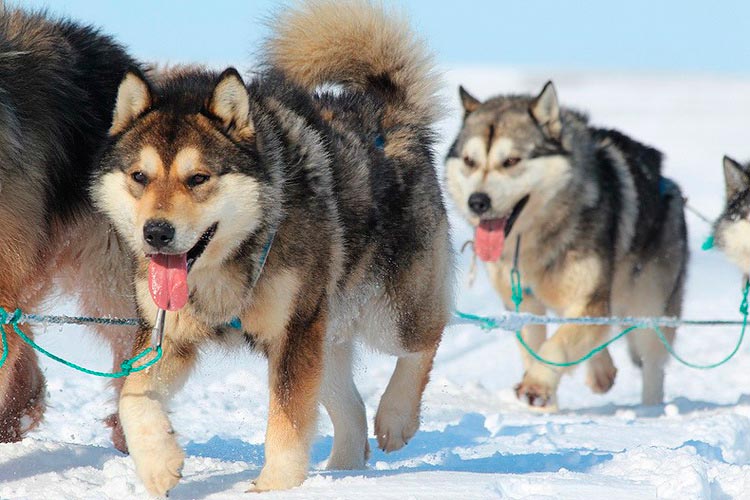
The Chukotka sled dog is an aboriginal dog breed that developed in the harsh Arctic climate. These amazing animals are easy to maintain, possess excellent sledding skills, are easy to train and retain acquired skills for a long time, and possess phenomenal endurance. Chukotka sled dogs have been indispensable companions for humans for centuries and are still used by indigenous peoples as a means of transportation.
Content
History of origin
The Chukchi sled dog is aboriginal in a positive sense, close to its primitive ancestors, and was shaped by its environment and spontaneous selection for qualities essential for its versatile use. Folk breeding did not aim to alter the dog's appearance or improve it in any way, so the Chukchi sled dog has no overdeveloped features. It combines natural harmony and functionality.
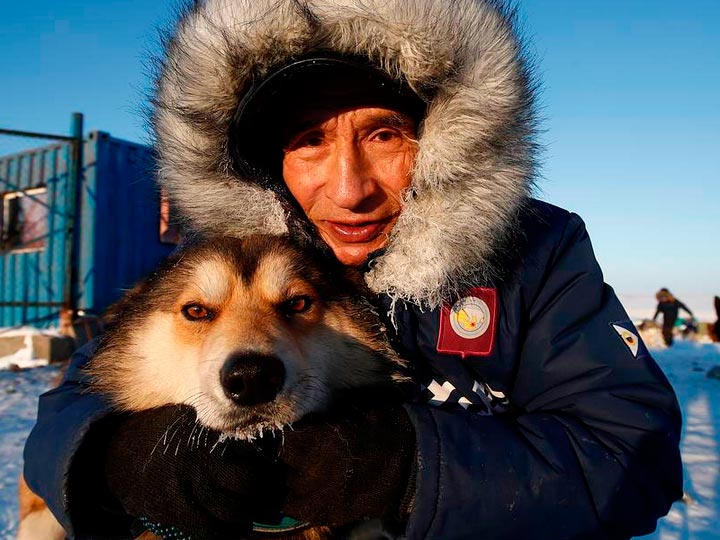
For thousands of years, dogs have been the constant companions of the Eskimos and Chukchi.
Until the 1950s, more than 10 groups of aboriginal sled dogs existed in Russia. In the 1950s, they were "abolished" and combined into the "Northeastern Sled Dog" breed. This hodgepodge of dogs was removed from the list of domestic breeds in the late 1960s. Sled dog breeding survived only in areas where technology could not replace the dogs, and breed groups were once again distinguished based on habitat. Some of these groups are now officially recognized by the RKF, and Yakutian Laika even provisionally recognized by the FCI.
Thanks to the collaboration of mushers, dog handlers, and scientists, the Chukotka Sled Dog was officially recognized by the Russian Cynological Federation. The standard was finally approved in 2013.
Use of the Chukchi sled dog
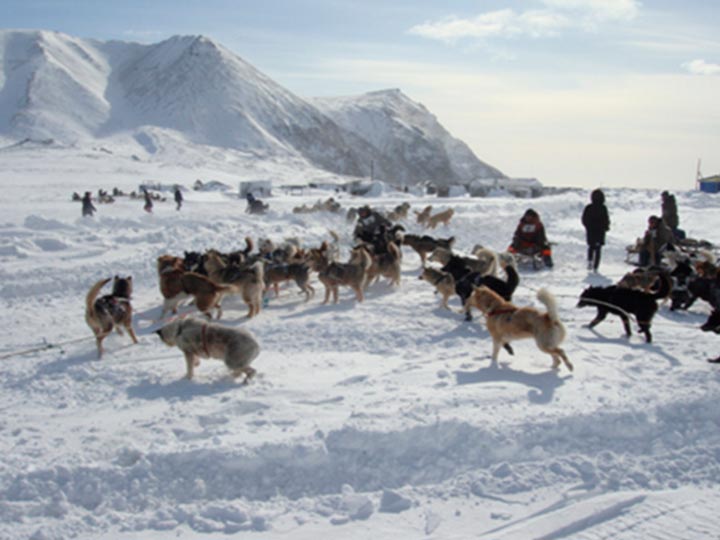
The majority of the population is concentrated in villages on the Chukotka Peninsula, where the dogs are still used for their intended purpose: for hunting in winter and as reliable transport vehicles for hauling people and cargo. In recent decades, they have frequently participated in sporting competitions. sled dogs and have proven themselves excellent at long and ultra-long distances. Less often, they guard and herd herds of deer, as Nenets likes.
Elders say they even used dog sleds to hunt polar bears. When the dogs sensed a bear, the hunter would jump off and urge the sled forward. The dogs would pick up speed and turn sharply in front of the hunted animal. The sled would crash into the bear, knocking it down, and the hunter would run up and use his spear.
Today, coastal Chukchi continue to use Chukotka sled dogs to hunt seals. In winter, this seal species maintains several breathing holes. The hunter sits near one. A sled dog runs near the others, preventing the seal from surfacing. When one finally surfaces near the hunter, he harpoons it and kills it. The skills of sled dogs in hunting fur-bearing and ungulate animals have largely been lost.
Appearance
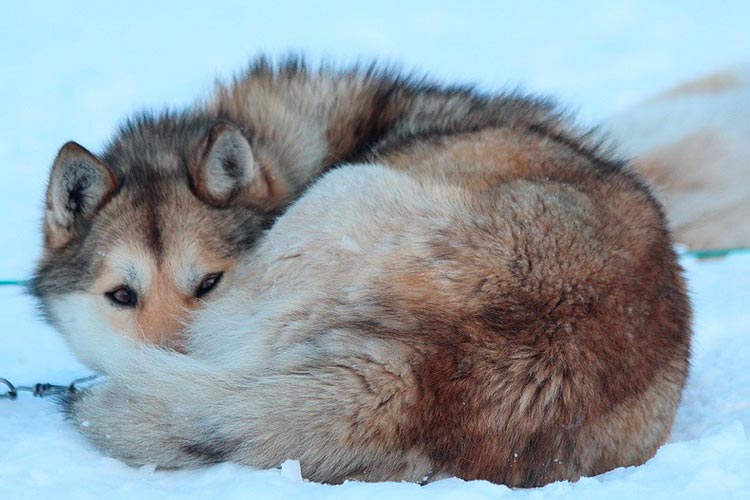
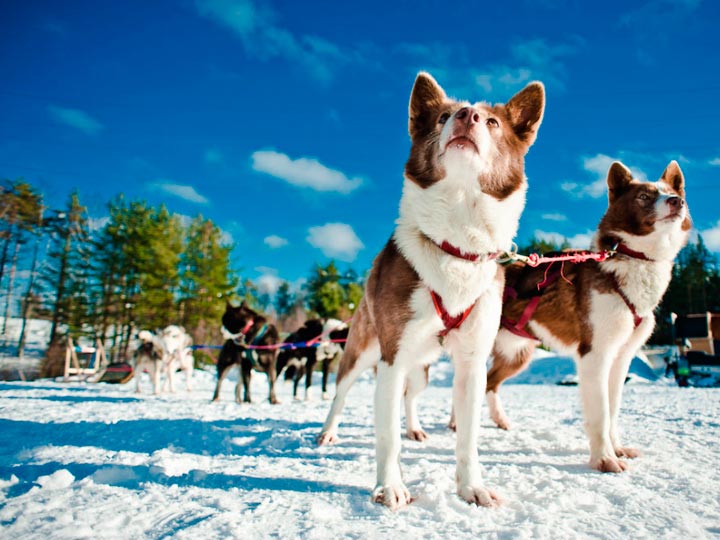
The Chukotka Sleddog is a medium-sized, slightly elongated dog with a strong build, well-developed muscles, and strong bone structure. Its dense skin is smooth and pliable. Sexual dimorphism is mild. Height at the withers ranges from 52 to 65 cm.
The head is massive, wide across the forehead. The muzzle is wedge-shaped and blunt. The forehead and muzzle are parallel. The earlobe is large, and pigmentation varies depending on the coat color. The bite is scissor- or pincer-shaped. The eyes are oval and brown. The ears are relatively small, erect, with slightly rounded tips, directed slightly forward, voluminous, mobile, and often pendulous. The neck is massive, medium length, and set at a 40-45 degree angle to the back.
In appearance, Chukchi sled dogs are quite ordinary, resembling mongrels. But they are among the most resilient dogs, with webbed feet to prevent them from sinking in the snow.
The body is strongly built, with the length exceeding the height by 4-9%. The chest is oval in cross-section, long, and wide. The back is straight, muscular, and broad. The loin is slightly arched. The croup is sloping. The belly is moderately tucked up. The forelimbs are well-angulated. The hind legs, viewed from the rear, are straight and parallel, set wider than the forelimbs, slightly drawn back, and well-angulated. The paws are rounded and spread out. The toes are strong, with thick, dense skin on the pads. The tail is evenly feathered, set slightly below the line of the back, reaching to the hock joint or shorter.
The skin is elastic and dense. The coat is double with a coarse, straight outer coat and a dense, waterproof undercoat. On the body, the topcoat is up to 6 cm long. On the muzzle, forehead, ears, and front of the legs, it is shorter and denser. On the neck, withers, and back of the thighs, the hair is long but does not form a profuse mane or breeches. The hair is 10 cm long. On the tail, it is 10-12 cm long and does not form a fringe. The summer coat is much poorer. Colors: gray-zone, red-zone, fawn, white, red, black, brown, piebald, tan, spotted.
The breed standard promotes the preservation and restoration of populations on the brink of extinction. Hence the rather broad parameters.
Character and behavior
The Chukchi Sleddog is a hardy, strong, patient, and obedient dog, a shining example of ancient primitive breeds. It combines many talents. It can be a sled dog, a hunting dog, a loyal companion, and a protector of its owner. Its attitude toward strangers is either friendly or passively defensive. Chukchi Sleddogs make excellent guard dogs, and many are capable of protecting their owners from predators.
The Chukotka sled dog is not popular among city dwellers. In appearance and beauty, it is inferior to the husky or other Laikas. Furthermore, it is an aboriginal pack dog, while huskies and Laikas are individualists.
Chukchi sled dogs have a highly developed pack instinct. Their "family" is governed by a strict hierarchy, and only the sensitive leadership of the pack leader can prevent minor squabbles. This role can be filled by either a male or female. Sled dogs are very kind and trusting. They sometimes bark at strangers, but more often greet them with a wagging tail and a howl. They are not "dogs for one owner." The owner of a sled dog is the one who feeds it. Therefore, animals are often rented out.
A leader dog is chosen for a sled team at an early age. The puppies are placed in a basin on a hide; they climb out, but fail to stay on the edge and fall over. The one that manages to hold on and walk along the edge becomes the leader. Experts claim that such a dog can lead a sled team in any weather, at any time of day, and on any terrain. Or they simply choose the strongest and, in the opinion of the person, the smartest. Leader training begins at six months of age and continues for two years. No "voice" or "shake hands." Just four commands: "Forward!" ("Hike!"), "Stop!" ("Hoa!"), "Right!" ("Gee!"), and "Left!" ("Ha!"). The musher commands only the leader dog, which is enough for the entire team to obey.
Chukotka Laikas were chosen for the challenging joint expedition led by Fyodor Konyukhov and Viktor Simonov. They were to travel from Karelia to southern Greenland via the North Pole. The travelers and their dogs set off from Petrozavodsk on April 3, 2013. Due to early warming and shifting polar ice, the route was interrupted and the expedition rescheduled. It never took place.
Content Features
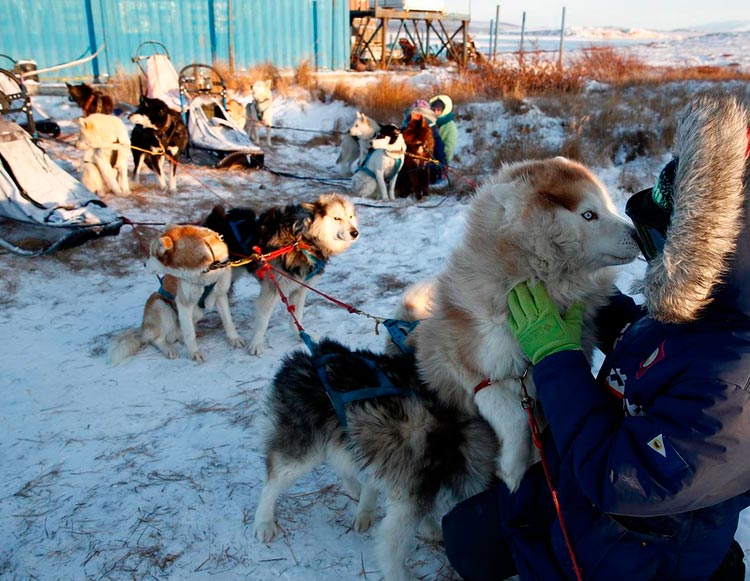
The Chukotka Sleddog is ideally suited to life in the Arctic. Keeping this dog in urban areas, especially in warm climates, is highly undesirable. This is an exclusively working breed, and its living conditions and exercise requirements are appropriate.
Like other sled dogs, Chukchi dogs need to run, otherwise they'll go crazy from boredom. They can take out their frustrations on objects or the body; for example, they've been known to chew a paw to the bone.
Owners who tried keeping Chukchi sled dogs in the city complained about their excessive activity and independence. They can't be let off the leash on walks, otherwise they'll run off into the distance with their tails in the air. They thrive in private homes in the northern regions.
The Chukchi sled dogs hold the record for speed and endurance. A team can travel 100 to 200 km per day at an average speed of 20 km/h.
Nutrition
Their digestive system is adapted to the traditional diet of northern dogs: frozen fish, meat, fat, and offal. They are not picky eaters and are undemanding.
It's commonly believed that if an owner has no food for a sled dog, it will forage for its own food. However, it's worth noting that most modern Chukchi dogs lack the hunting instinct and are less well-suited to independent survival than their ancestors. What they have retained is an energy-efficient protein-fat metabolism, which allows them to easily survive several days without food and expend energy efficiently.
Health and life expectancy
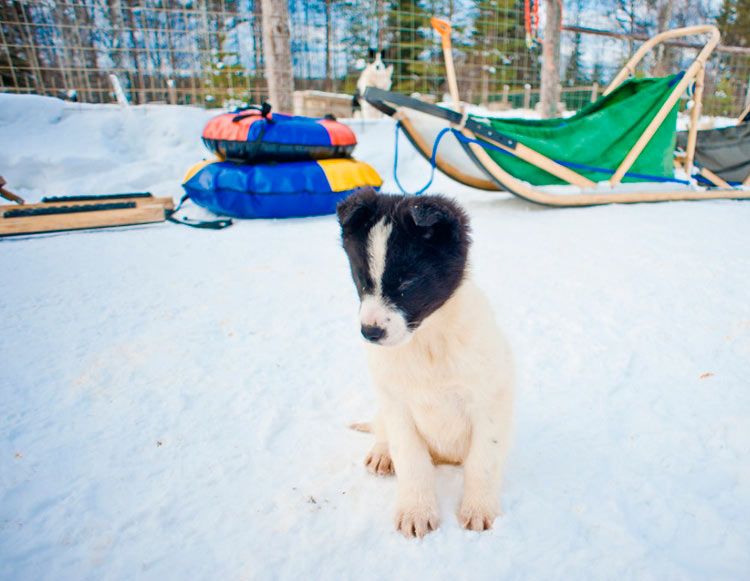
Chukotka sled dogs have very strong immune systems and rarely get sick. The existence of numerous, partially isolated subpopulations ensures a stable gene pool. Harsh climatic conditions and natural selection have contributed to the development of strong and tireless northern sled dogs. Life expectancy is 14-16 years. Until the age of 10-11, most Chukchi sled dogs are strong and efficient.
Breeding of Chukchi sled dogs
The majority of this unique breed is concentrated in Yakutia and Chukotka. A few dogs are kept at a Moscow kennel. Buying a good working sled dog, especially a purebred one, won't be easy, but you can see them and ride in a sled. For example, at the Moscow club or in Karelia, at Viktor Simonov's Husky Moa eco-complex. There are 90 sled dogs there, most of them Chukotka breeds.
Price
From 20,000 to 60,000 rubles. They may ask more for an adult, trained leader.
Photos and videos
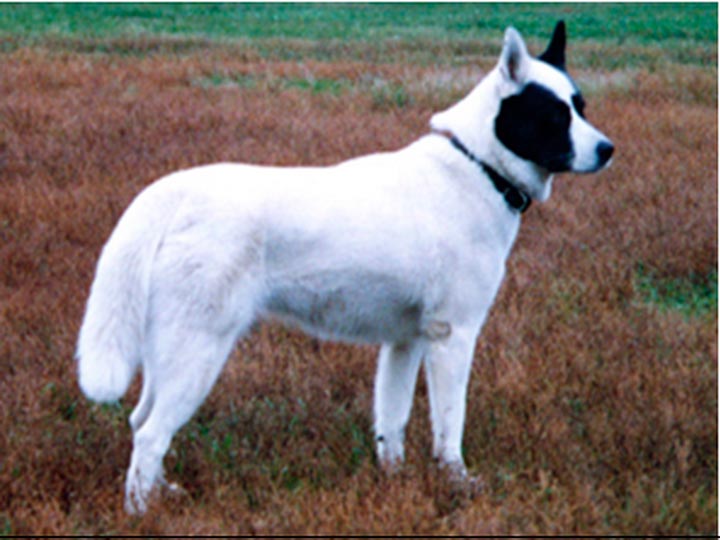
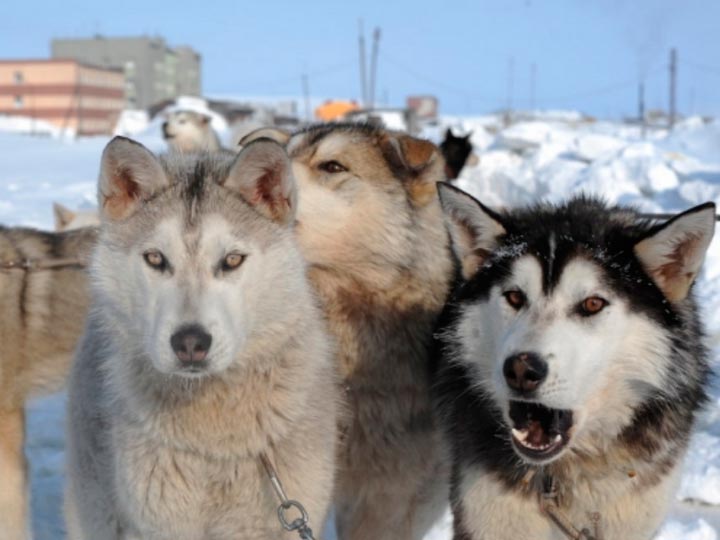
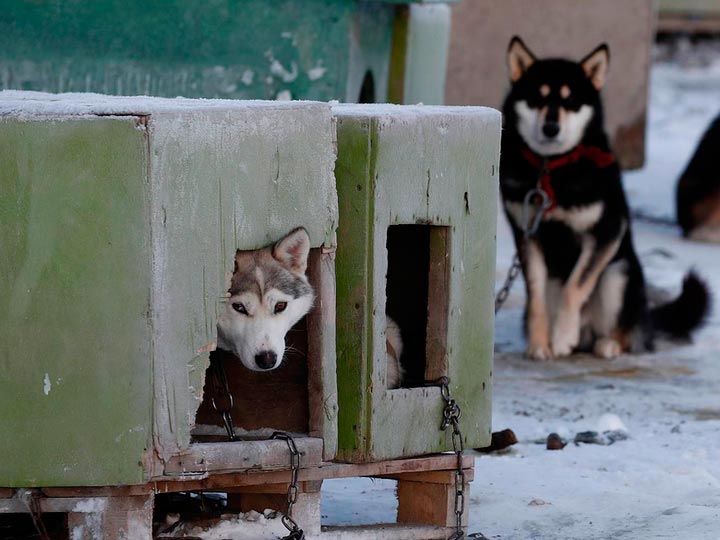
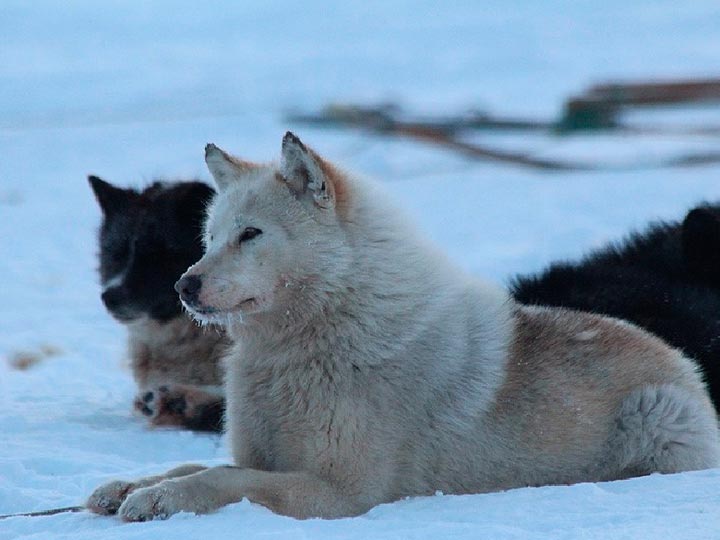
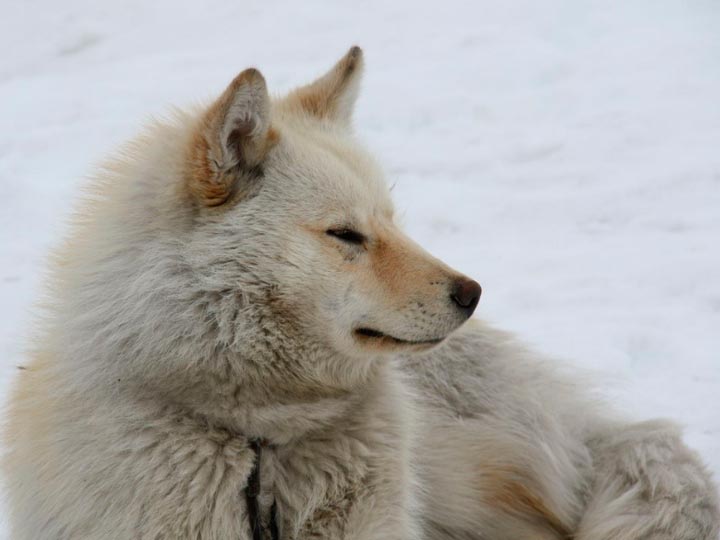
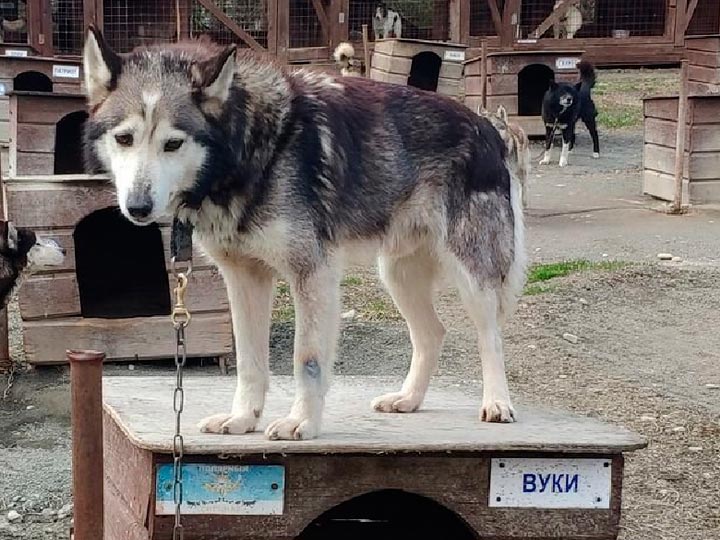
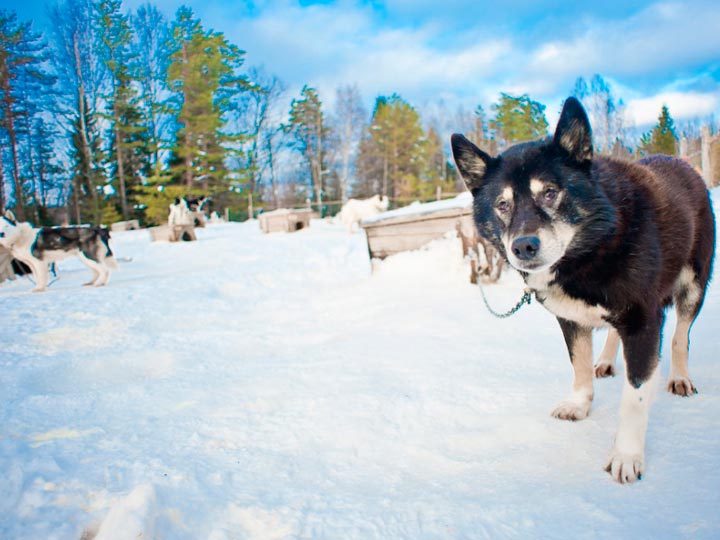
The gallery contains more photos of Chukotka Sleddogs. The first photo shows Vesta, a 7-year-old female—the first dog of this breed to receive the RKF Champion title in 1999.
Video about the Chukchi Sled Dog breed
Read also:


1 comment
Ilya
How long has it been since Huskies stopped being pack dogs? They've always been that way.
Add a comment