
What to buy for a puppy: a list
So, you've made the decision and are planning to bring home a pet soon. Whether it's a small puppy or an adult, it's important to take a responsible approach to meeting its needs. In this article, we've compiled a complete list of what you need to buy for your puppy before it arrives, as well as essential items for keeping a dog in an apartment.
Content
When is the right time to buy everything you need?
People planning to get a pet for the first time often struggle to decide whether to buy a lot of supplies before the puppy arrives, or whether it's better to do so after the little one is home and it becomes clearer what exactly he needs.
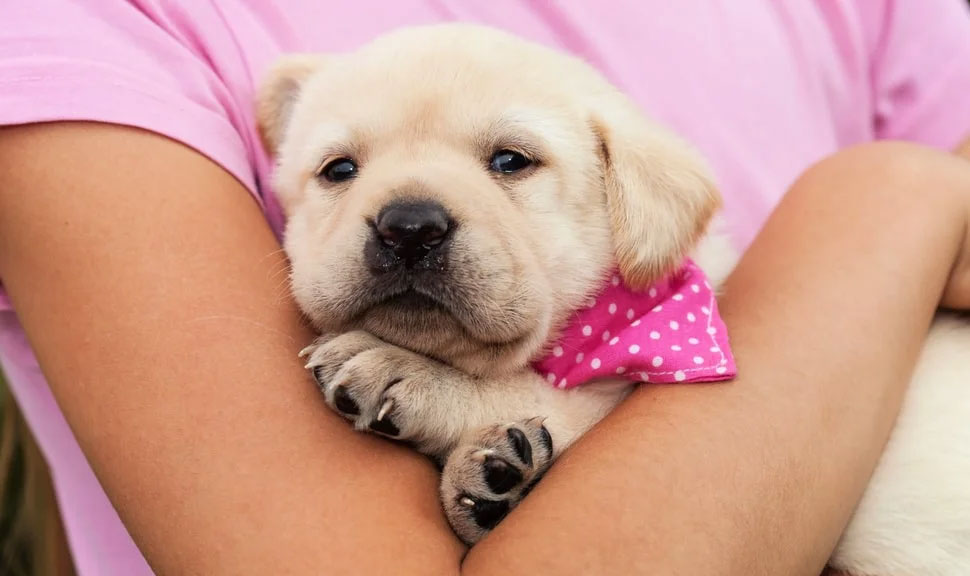
In fact, everything you need for your dog and for caring for it at home can be roughly divided into the following categories:
- Essential itemsIt's best to buy these items before you get your dog, as they'll be needed from the moment your pet arrives.
- Organization of the content spaceIt's important to think about how your dog's space will be organized before its arrival. It also determines where it will be allowed to go in the house or apartment, and where and how it will stay when you're not home. If certain restrictions are important to you, then purchasing these items is a priority so your pet gets used to the rules from the very first day of its stay with the family.
- Stern. Don't rush into a purchase unless you've already received recommendations from the breeder. There are many premium food lines available in Russia today, but for the first few weeks after rehoming (from two weeks to a month), it's recommended to maintain the pet's diet and feed it the food recommended by the breeder.
- AmmunitionIn most cases, items like a harness or collar are selected specifically for the dog, but if you really want to bring something from the store for your future pet, a soft leash or retractable leash (depending on the breed) is the best choice.
- Products and care products. A basic set of daily care items should be prepared in advance (preferably on the breeder's recommendation), and everything else that will be needed to care for the dog as it grows can be purchased later.
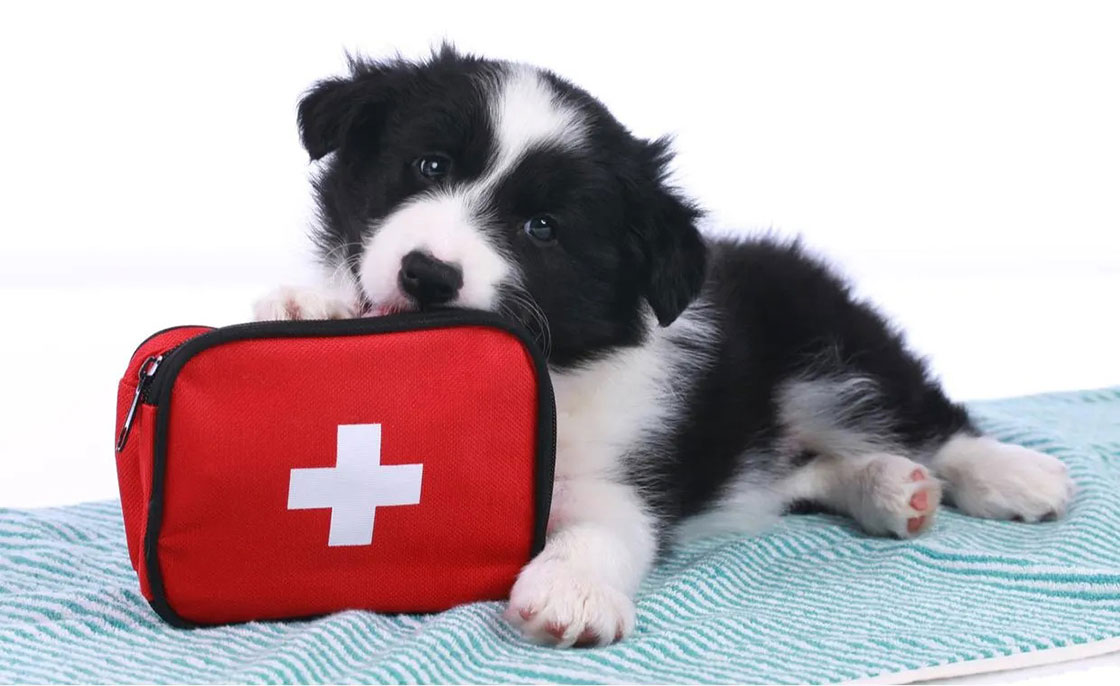
- First aid kit. We recommend purchasing all necessary medical supplies and items in advance, as everything your dog needs should be in your apartment upon your puppy's arrival.
- Cloth. During the first few days after moving, a dog will be under stress, and you definitely shouldn't add to it by trying to acclimate it to clothing. In the colder months, small dogs like Yorkshire Terriers, Chihuahuas, and some other short-haired and hairless breeds will need a jumpsuit for walks, but buying such clothes without trying them on or "too big" is highly undesirable (the dog simply won't be able to walk if the clothes don't fit).
Now let's discuss in more detail what items you need to buy and how to choose everything you need for a puppy that will be kept in an apartment.
Essential items
Whether you're bringing home a Spitz, Maltipoo, French Bulldog, Corgi, Husky, Labrador, Doberman, or another breed, this list of essential puppy supplies will be relevant to you.
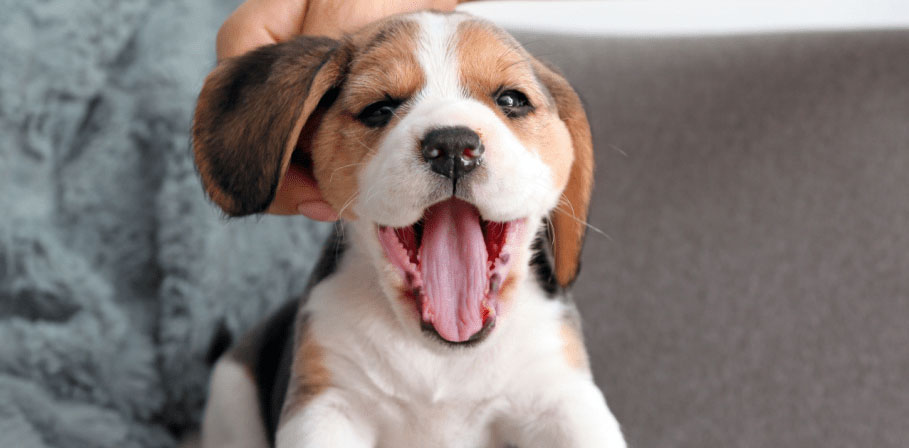
We recommend purchasing essentials after you've decided on the breed, gender, and age of your future pet, but definitely before bringing your little one home.
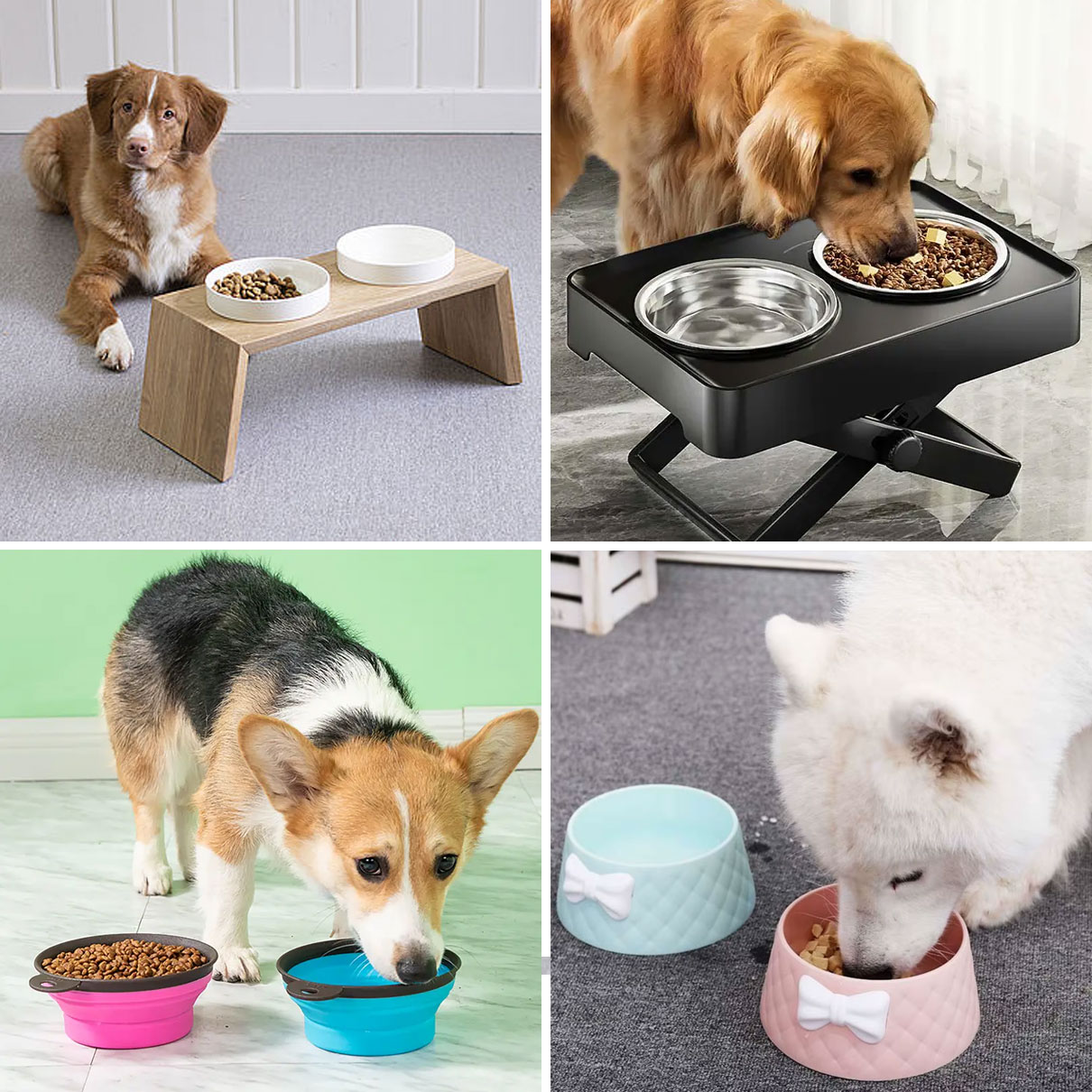
Bowls
Dishes are the first thing you need for your puppy as soon as they walk through the door. The minimum requirement is two bowls (one for food and one for water).
Bowls are selected taking into account the size of the dog and its height at the withers.
Important! Bowls should not be placed on the floor, as it is difficult for dogs to eat and drink while tilting their heads too far.
The optimal choice for a large-breed puppy is a set with a height-adjustable stand. For a small dog, you can choose bowls with a fixed-height stand.
The main parameter when choosing a bowl is the material it is made from:
- plastic They are inexpensive, but they can have a strong foreign odor, and are also too light, which means that the animal will “chase” them across the floor while eating, which means you will constantly have to clean up spilled food and water;
- silicone compact and lightweight - this is a great option for a bowl when traveling, but it is not suitable for daily feeding for the same reason as plastic ones;
- metal (stainless steel) – a reliable and durable option that is most often chosen by experienced breeders;
- ceramic – They are comfortable, stable due to their weight, easy to clean and have no foreign odor, but at the same time they also delight with their original design.
Place
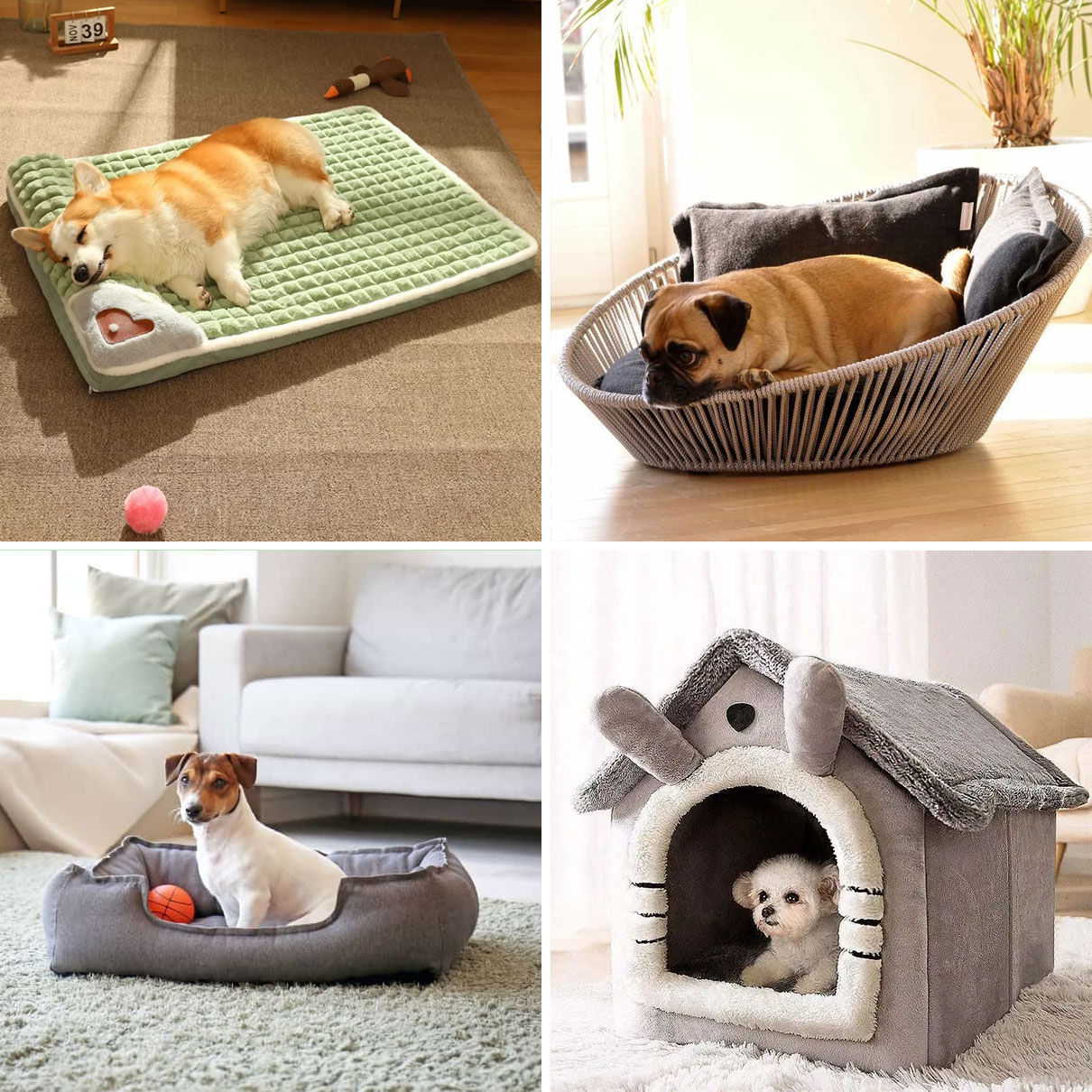
A personal place where the baby can rest and sleep is something that is absolutely necessary to buy for the puppy even before its arrival.
Why is it so important from the first days? train a dog to stay in place and we talked about how to do this in the corresponding article.
When choosing a location, we recommend paying attention to the following parameters:
- Place format (rug, mat, pillow, basket or booth).
- Size. Don't buy a crate for a 2-month-old Doberman or Border Collie puppy that's the size of an adult. The puppy won't be comfortable in such a large space, and it's possible the puppy might chew up the crate, forcing you to buy a new one for the adult dog.
- Material of manufacture It's advisable to purchase an antistatic product, as contact between wool and synthetic fabrics creates a static charge, which, when discharged, can cause discomfort or even pain to the dog, making it more difficult to housebreak.
Disposable diapers
Even if you're confident that your Jack Russell Terrier, Poodle, Cavalier King Charles Spaniel, or Labrador will be "doing their business outside," be sure to stock up on diapers.
At a minimum, you'll need them during the strict quarantine period after basic puppy vaccinations, when the dog can't be taken outside at all.

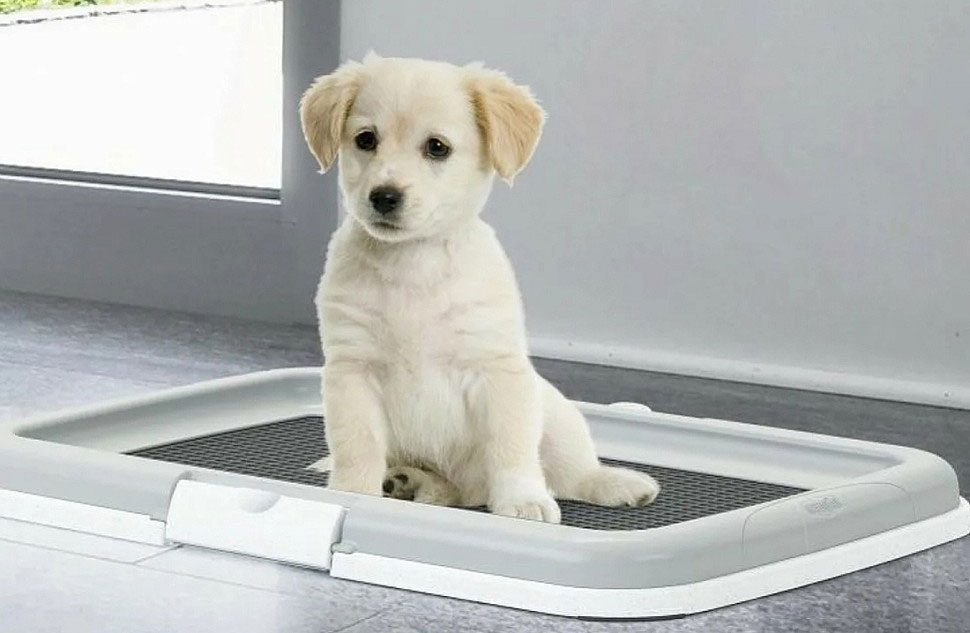
If you're planning to get a small-breed puppy and know it will have its own toilet in the apartment, be sure to include a special dog toilet in your list of needs. A wide range of models are available at any pet store these days.
Toys
Yes, toys are one of the first things you'll need to buy for your puppy, because you'll need to keep him occupied during his first few hours in the house.
Remember that it is the lack of a sufficient number of toys through which the baby learns about the world and which he will chew with pleasure that is the cause of damage to various household items (shoes, furniture, wires, etc.)
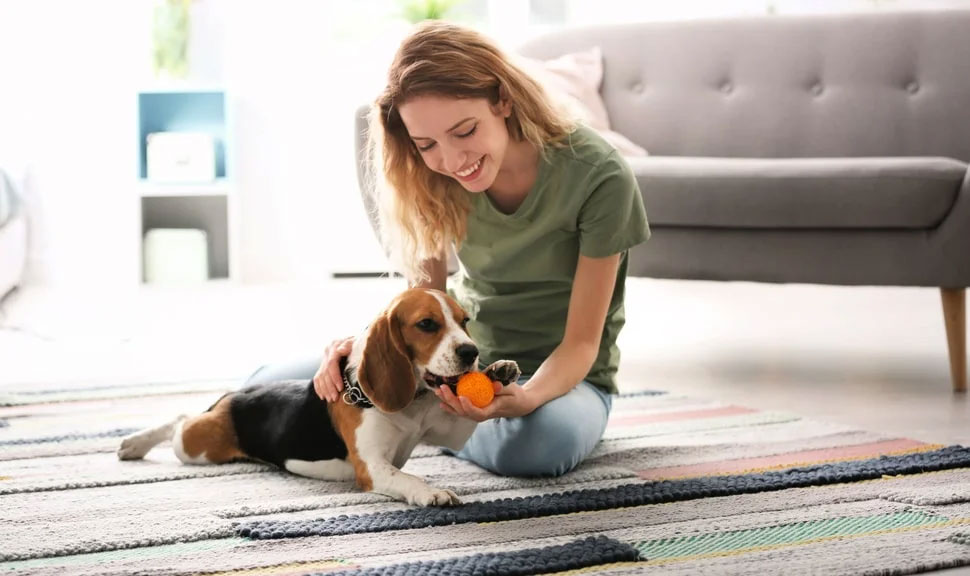
At first, 3-5 toys of different textures will be enough for the puppy, for example:
- ball;
- rag tourniquet;
- toys for teething that can be chewed.
It's not recommended to buy rag toys for puppies. Also, remember that during teething, avoid playing tug-of-war with your dog to avoid damaging their bite.
Carrying case
Carrying a baby in your arms is a pleasant and fun experience, but in real life it's not always possible, and city dwellers should remember that dogs are only allowed on the subway and on some forms of public transport in a special carrier.
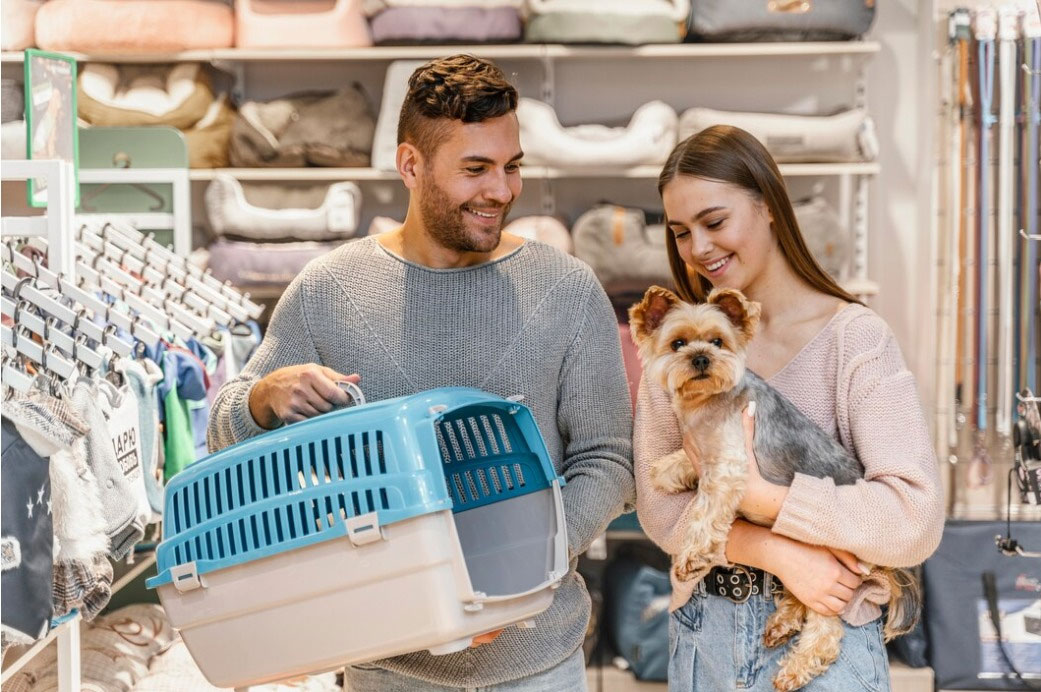
Availability carriers Training your dog to travel this way will be convenient for both the owner and the animal itself, so we recommend including a pet carrier in your complete list of essential items.
Which format to choose is your choice:
- soft textile bags are suitable for small breed dogs;
- Frame textile models are also intended for babies, but such a bag can be used as a separate cozy place for a dog on the road;
- Hard plastic carriers are ideal for long trips, transporting your dog in a car, and will also be indispensable if you need to board a plane with your pet.
Organization of the content space
Restricting your puppy's movements in the house is not only about the safety of things your little one might try out while exploring the world, but also about the safety of your pet.
Restrictions for dogs may apply only during hours when no one is home or on a permanent basis (for example, the entrance to the stairs in two-story houses or apartments may be blocked).
To organize the dog's space in the apartment, use:
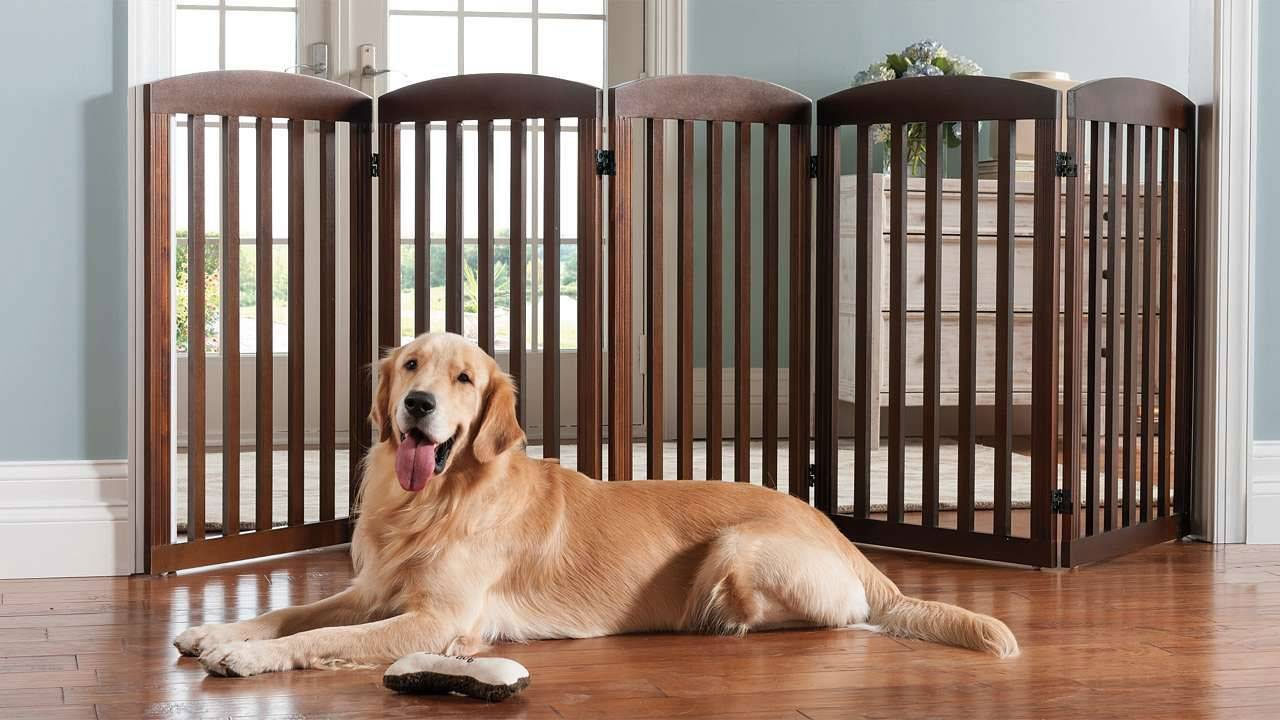
- interior partitions that are mounted in doorways or at the very bottom of the stairs;
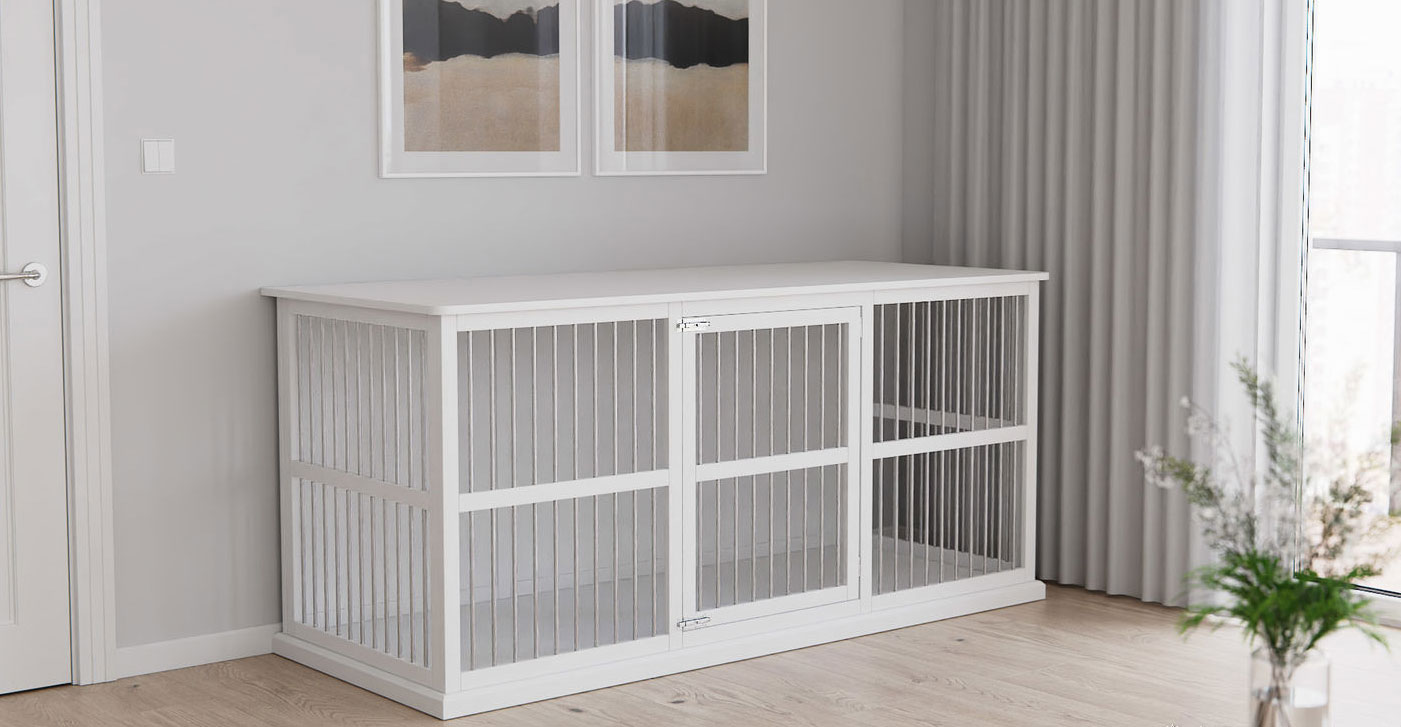
- Modular enclosures that allow you to enclose a fairly spacious area in a room for your puppy (as they get older, puppies quickly learn to overcome this obstacle);
- compact enclosures (cages) that can also be used as a place for a dog.
The use of a crate is a hotly debated topic among breeders. However, each owner makes their own decision based on their individual situation, pet's personality, and behavioral characteristics.
Ammunition
Typically, your pet will need a leash and harness when it's time to start taking its first walks outside, but you can buy them much earlier to accustom your pet to the harness during initial training sessions at home.
What do you need to buy for a puppy?
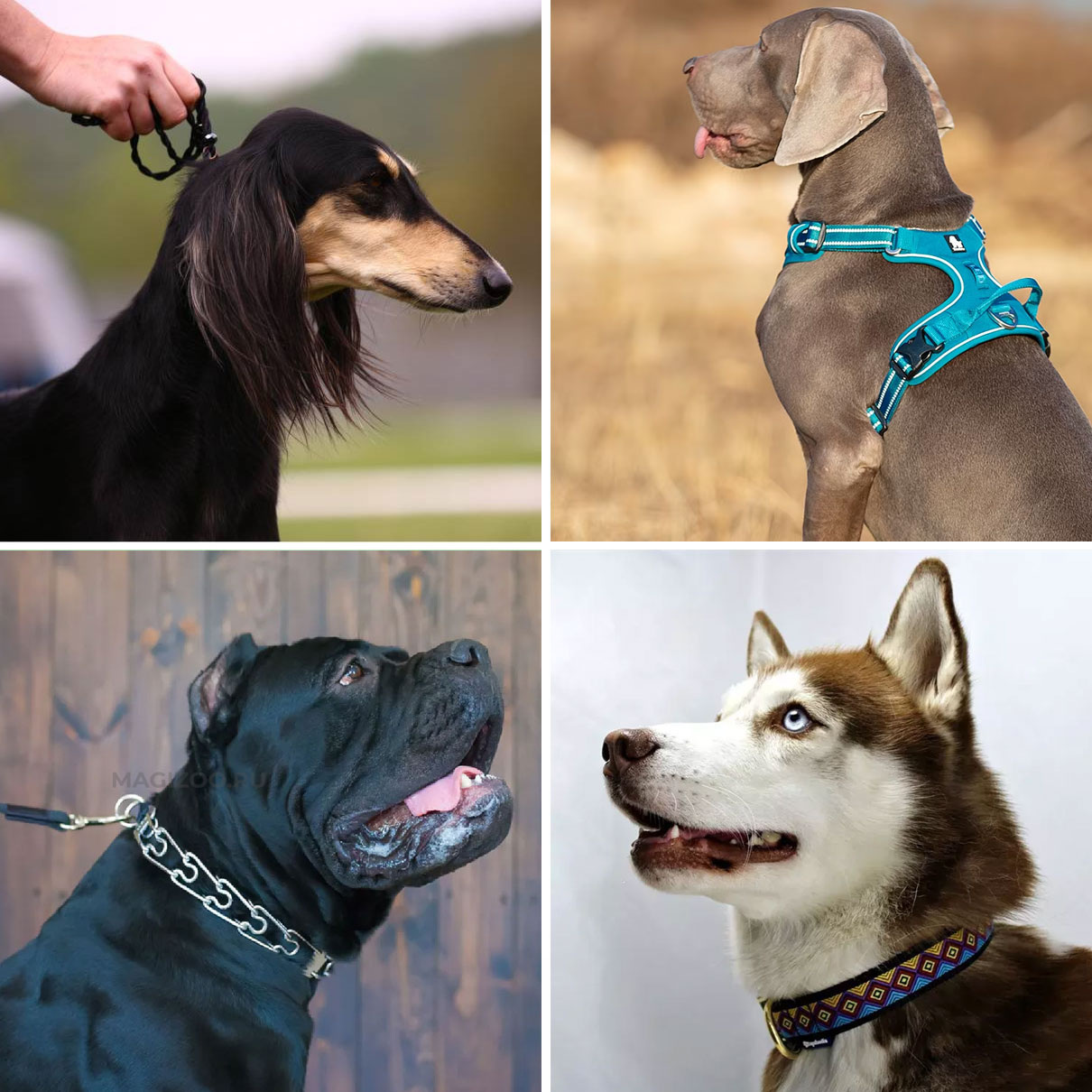
- Harness – the most comfortable option for walking dogs, recommended by dog handlers for everyday walking of dogs of any size.
- Collar – a classic option that allows for better control of the dog.
- Prong collar – an item designed exclusively for training purposes when practicing the "heel" command. This collar is not needed for a small puppy and is not suitable for everyday walks.
- LeashIf you're against leashes, you'll need at least two leashes: a short one, 1.5-2.0 meters, for walking around the streets, and a long one, 2.0-4.0 meters, for active play and walking.
- RouletteA variation of the long leash, many owners find it quite convenient. However, there's a catch: a retractable leash teaches a dog to constantly pull to distance itself from its owner (due to the design, the animal always feels resistance when pulling on the leash). Therefore, many dog trainers advise against using a retractable leash unless the dog has undergone training.
- Show ringA special type of show equipment, which should definitely not be introduced to a puppy during the first few weeks of its stay in a new home. If you're acquiring a show dog, you can always purchase this equipment before training with a handler, following their recommendations.
Products and care products
Caring for a dog at home involves a whole range of procedures that will need to be carried out at regular intervals.
From the very first days you will need:
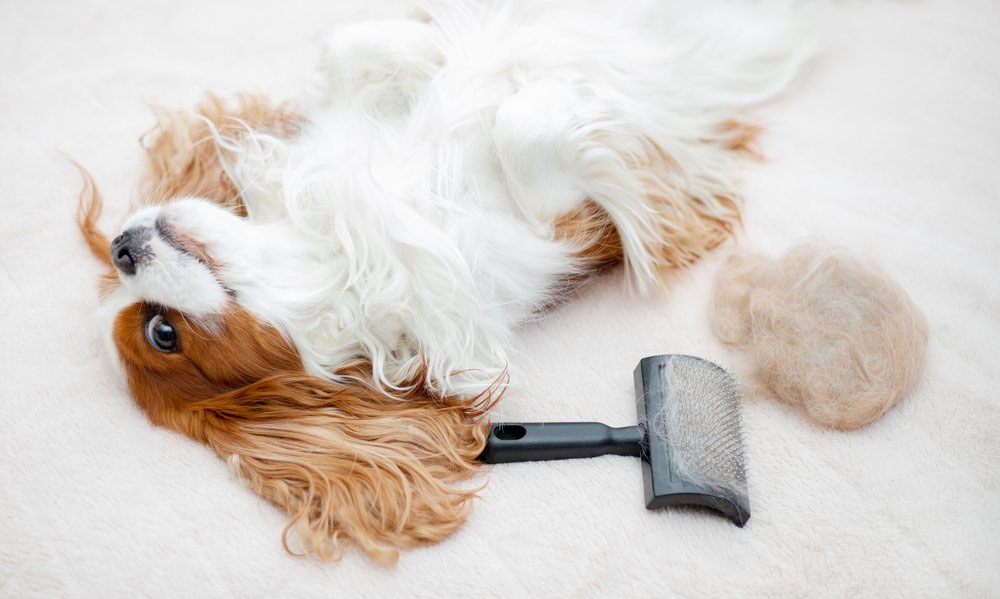
- a soft brush and various combs to accustom your baby to grooming;
- shampoo and conditioner for bathing;
- mat cutter (if the puppy's coat is very long and prone to matting);
- nail clipper or grinder (electric sharpener for gokotki);
- Dental cleaning products.
Cloth
For many breeds, clothing isn't included in the list of required items, but having 1-2 overalls and your dog's ability to wear them certainly doesn't hurt, as clothing is useful:
- in damp and dirty weather;
- during the period of spring tick activity;
- on a hot sunny day (for hairless dogs);
- in severe frosts.
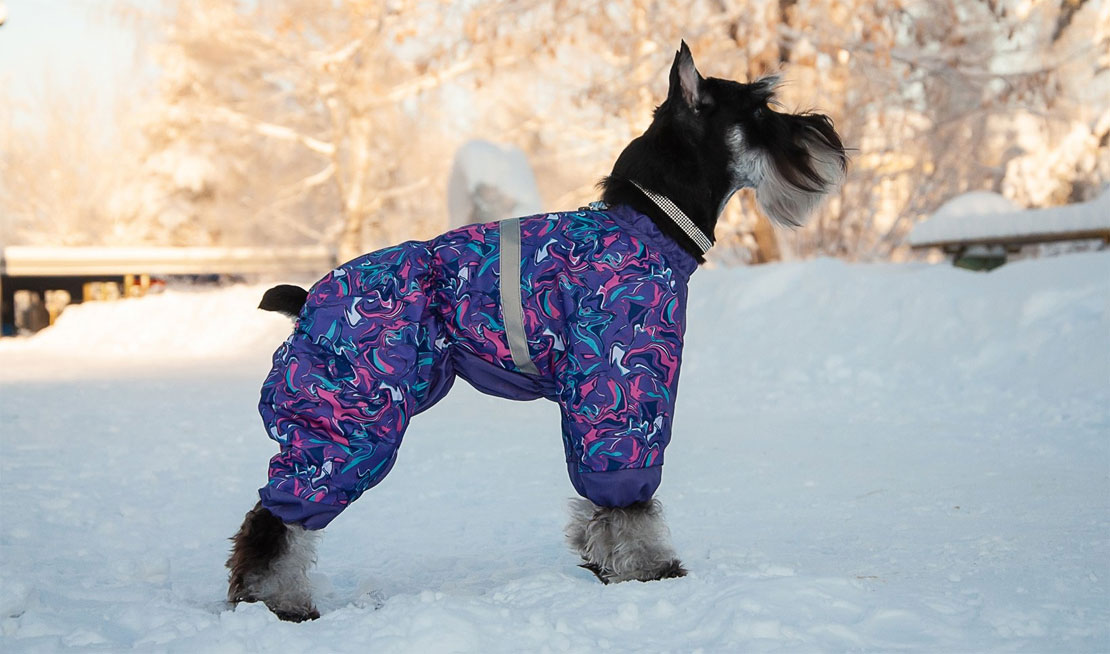
Traditionally, introducing clothes to a child begins at an early age, simply by periodically putting a thin knitted T-shirt on the child and distracting him with a fun game.
Stern
When bringing a puppy into your home, it is important to remember the following rules:
- puppies must be fed special food labeled as "puppy";
- the diet does not change for at least 2 weeks;
- the change of feed should occur gradually over 7-10 days;
- Not all widely advertised foods will suit your dog; you need to choose based on composition, calorie content, and taste.
Complete list of class rations premium, super premium And holistic, recommended for daily feeding of dogs of different age groups, can be found in the corresponding section of our website.
First aid kit
In a house where there is a dog, there must be a veterinary first aid kit, and in it:
- thermometer with a flexible tip (like for babies);
- enterosorbents;
- anti-allergic drug from a pet pharmacy;
- hemostatic sponge;
- antiseptic (chlorhexidine);
- sterile bandage.
However, it's definitely not necessary to purchase antipyretics, painkillers, or antibiotics in advance. These medications are prescribed only by a veterinarian, are expensive, and typically have a short shelf life.
Read also:
- How to choose a muzzle for a dog: which is best?
- Dog Stripper: What It Is and How to Use It
- DIY Dog Sniffing Mat


Add a comment